"Buy Back Brixton": The Campaign To Save The Spirit Of The Brixton Community!
This article was drafted by Norman Busigu. Special thanks are given to The Advocacy Academy.
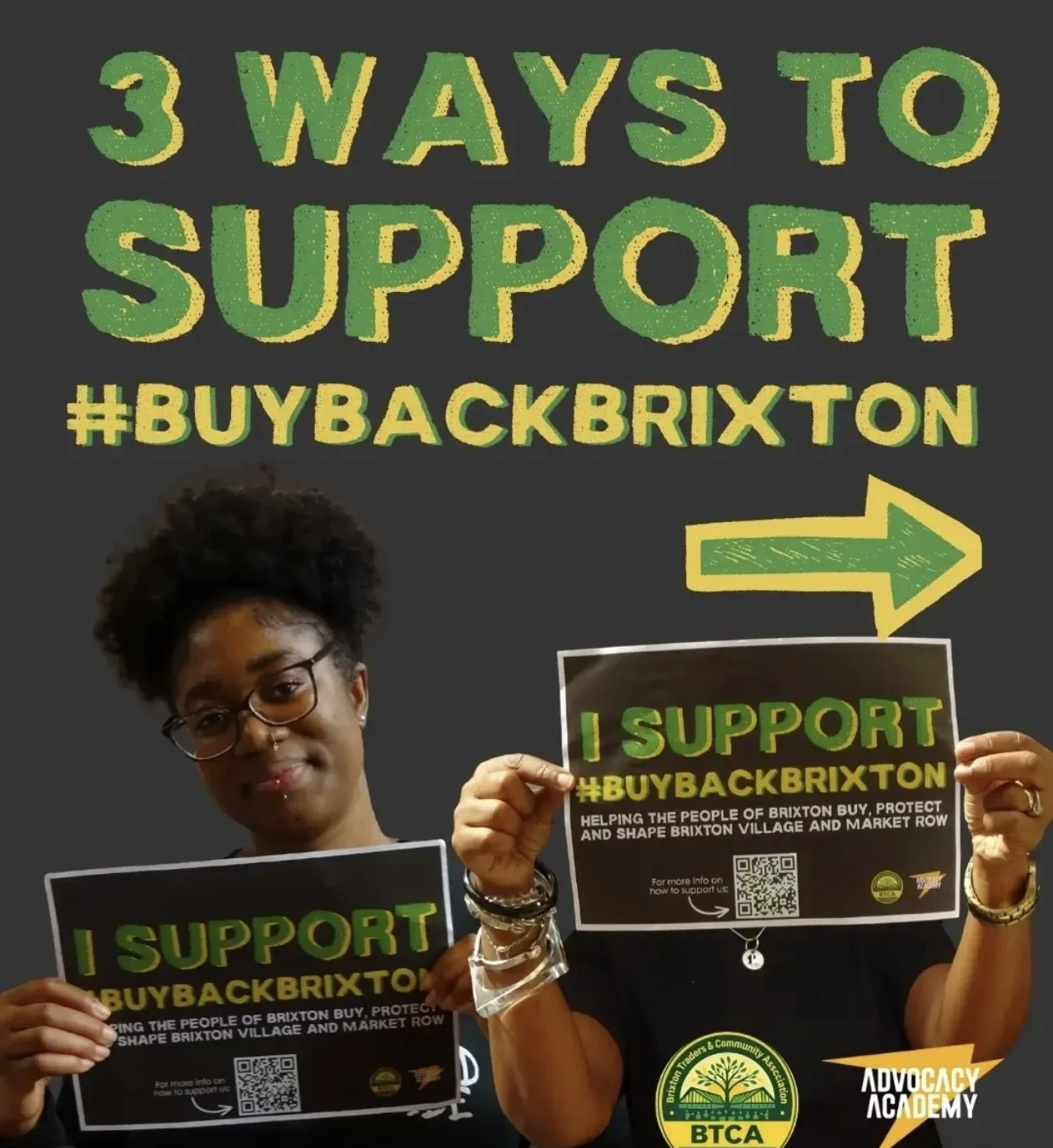
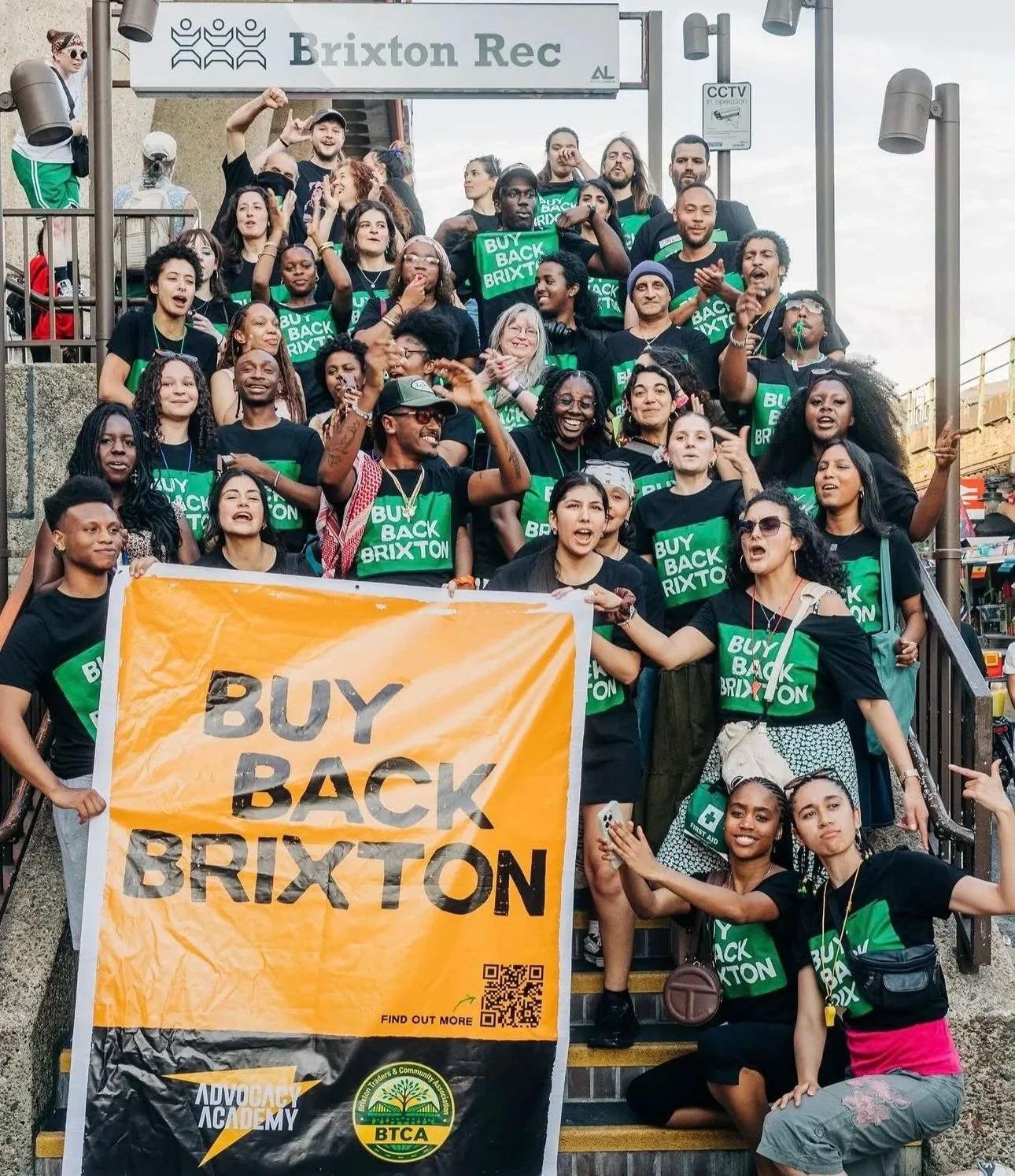
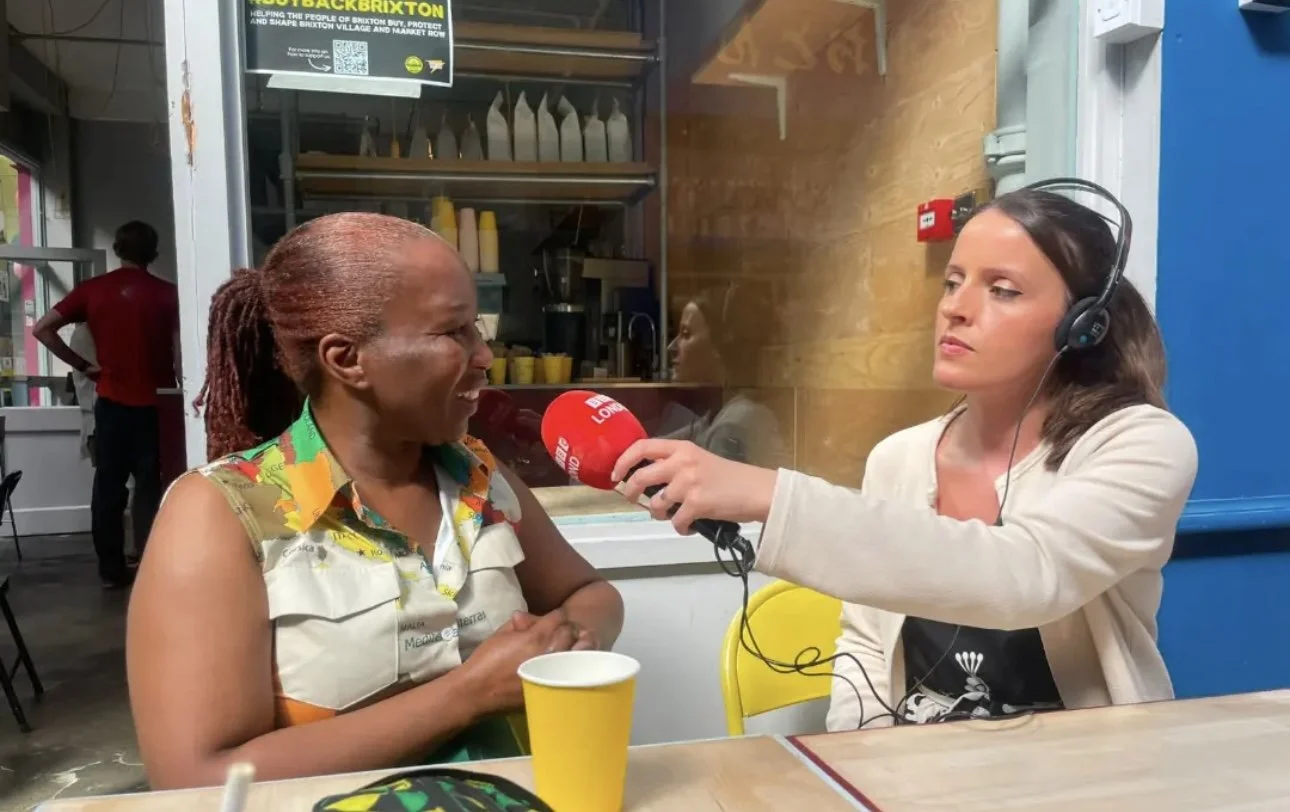
As we speak, The Advocacy Academy and Brixton Traders & Community Association have banded together to create the urgent social campaign “Buy Back Brixton” which commenced action on 16 June 2026. Essentially, Buy Back Brixton is a community-led campaign, aiming to mobilise the local Brixton community (and beyond) to successfully purchase Brixton Village and Market Row - with the overarching aim of bringing them into (permanent) community ownership. Impressively, the Buy Back Brixton campaign has already received coverage from notable media such as BBC London, The Voice and Best of Brixton!
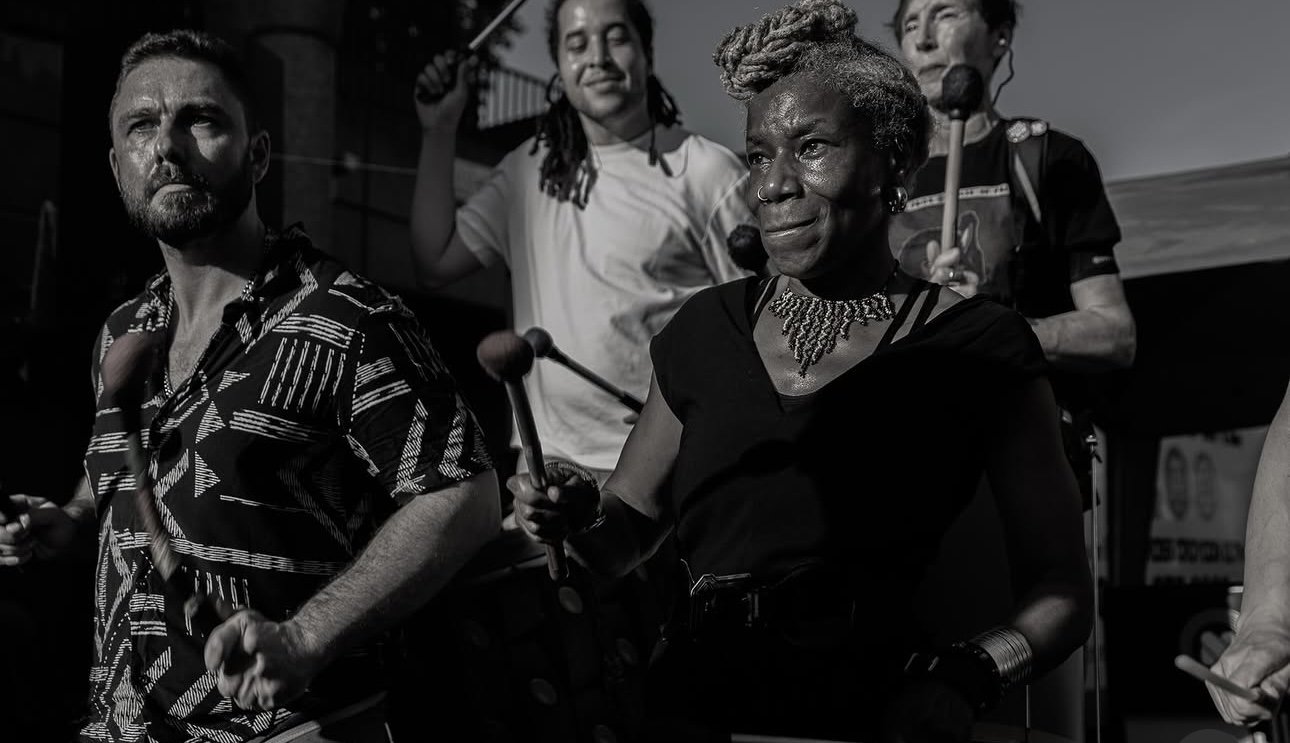
Almost immediately after the launch of this noble campaign, local traders and residents of the Brixton Community (which is located in South London) in large swathes have partaken in concerted efforts (including a demonstration, donations and petition signing) to prevent private equity developers from acquiring Brixton Village and Market Row shopping areas.
The fight to keep these areas within Brixton under community control intertwines with the historical and cultural significance that Brixton holds… Known for its strong Afro-Caribbean heritage, legendary music scene, and incredible food, Brixton is one of London’s most vibrant, culturally rich, and dynamic neighbourhoods. Deep seated concerns exist that should community control be compromised, this could impact the livelihood of local tradesmen, the organic multi-cultural essence that exists within this area and grassroots activities.
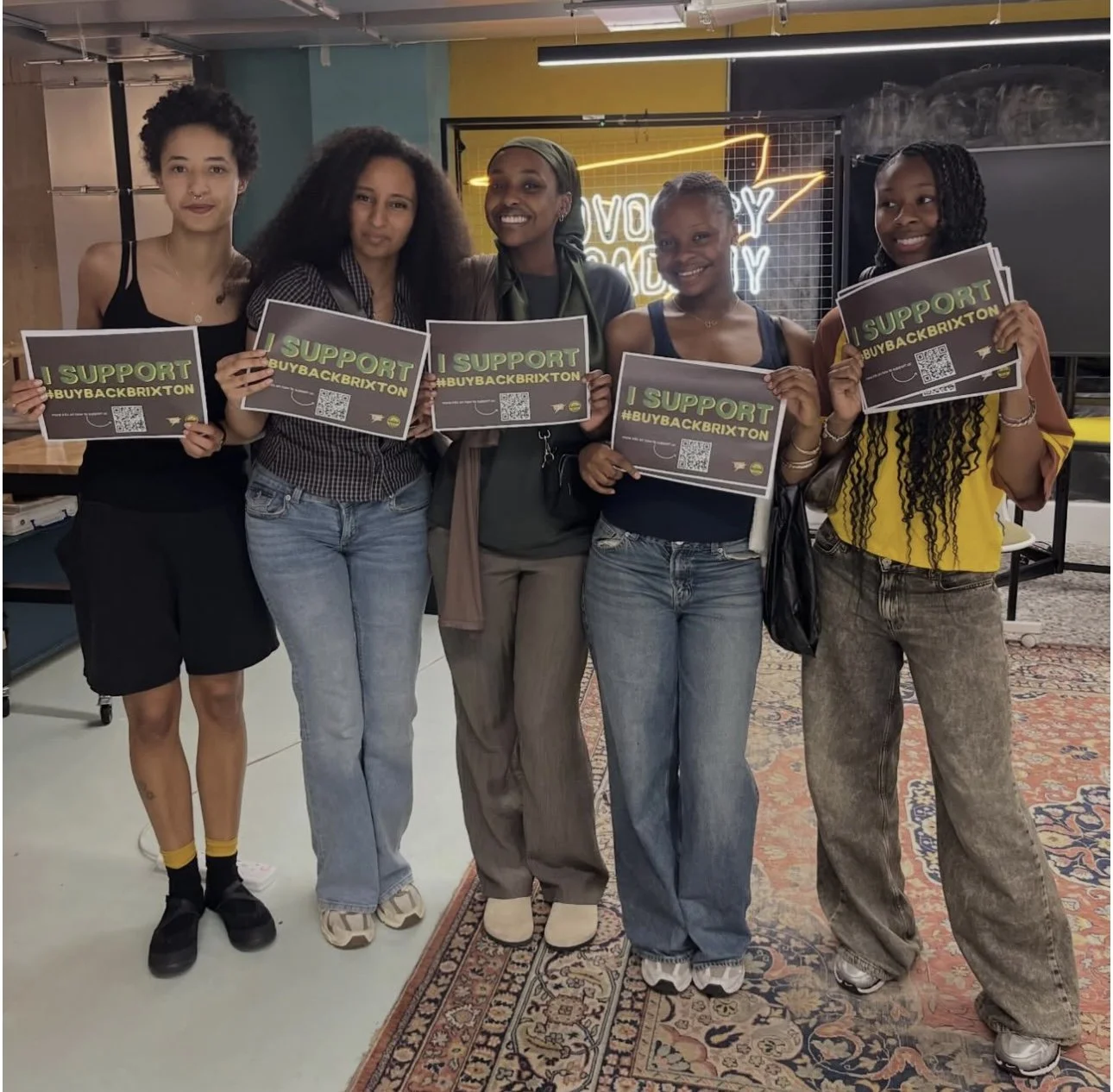
To learn more about this remarkable campaign, I recently spoke with the Advocacy Academy. I gained exclusive insights into to their Buy Back Brixton campaign (and its current state of progression in real time), their long term vision, learning the importance of community ownership models, advice to anyone who wishes to start their own social campaign and more…
***
In as few words as possible, can you please explain what the premise behind the “Buy Back Brixton” social campaign is?
Buy Back Brixton is a community-led campaign, aiming to mobilise the local Brixton community and ultimately purchase Brixton Village and Market Row, to bring them into community ownership. The campaign was established on the 16th June as the Brixton Traders and Community Association, alongside the Advocacy Academy, learned that the current owners of the site intended to close the bid submission deadline on Monday, 22 June.
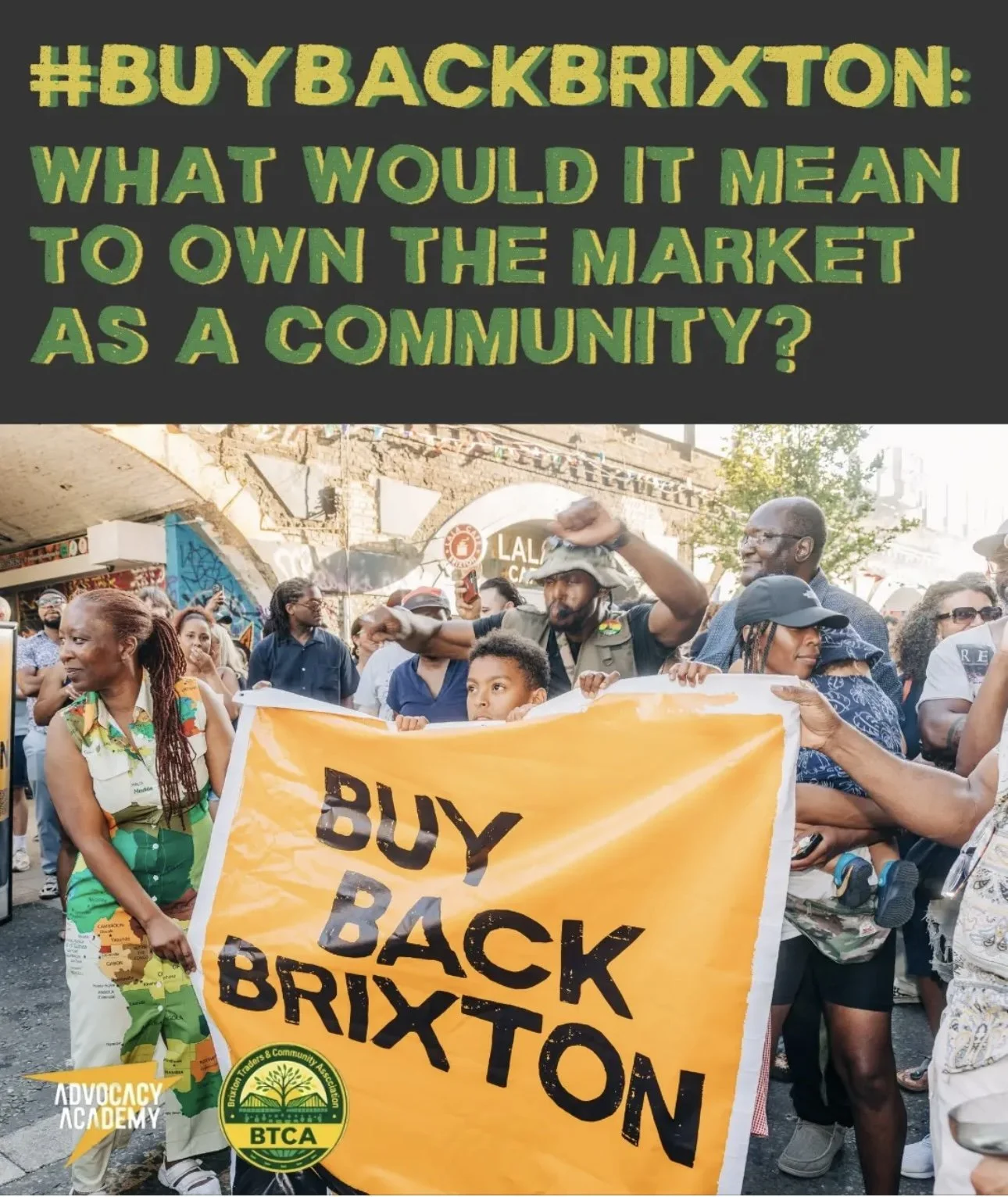
How was the alliance/partnership between The Advocacy Academy and Brixton Traders & Community Association (BTCA) initially forged; what things have you been able to achieve while working together?
The Advocacy Academy is part of the Brixton community. The relationship with BTCA is longstanding and has existed far beyond this situation. We have been working with BTCA for over a year to work towards a community-owned, democratically-run market.
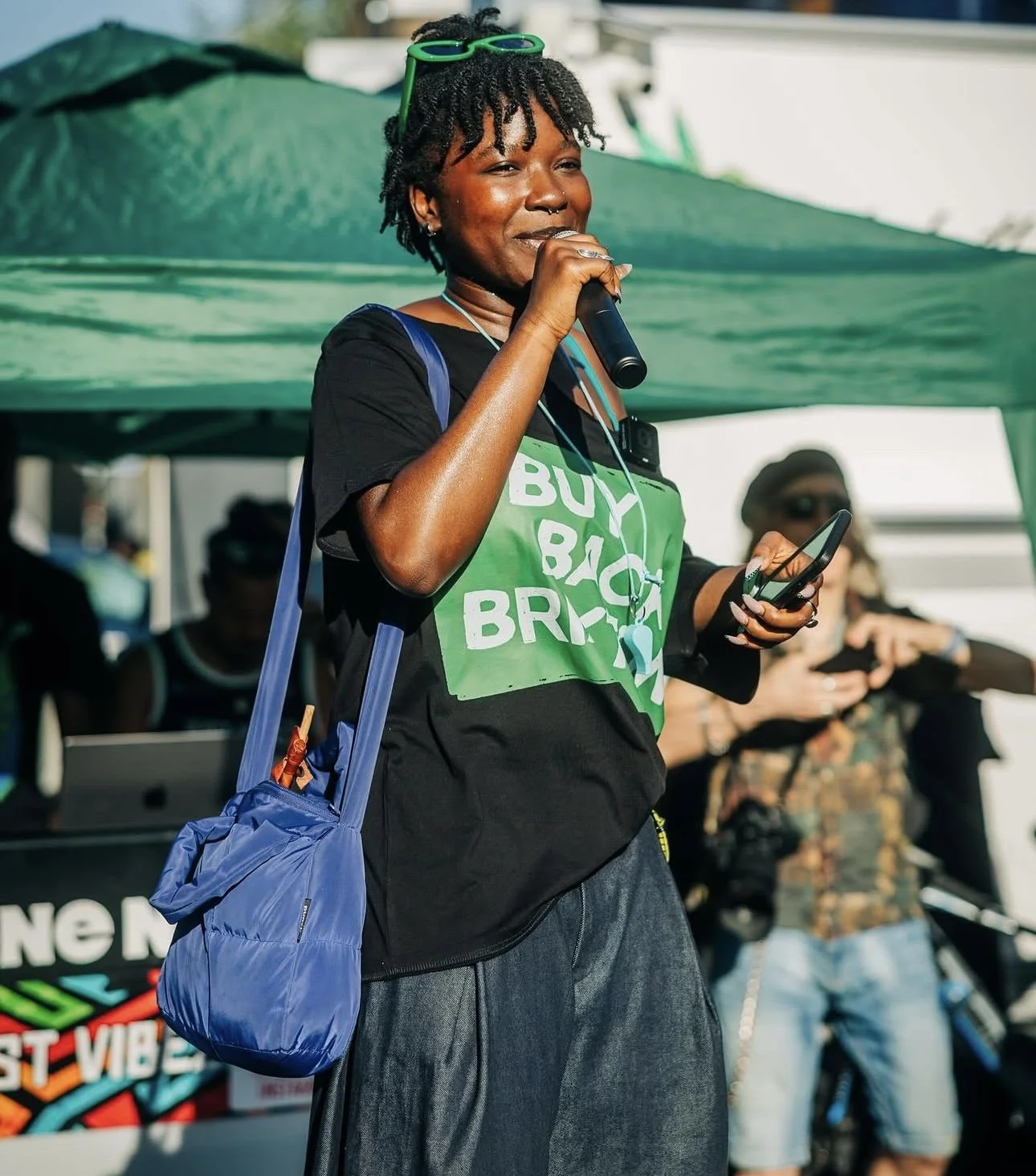
Should the private equity developers be successful in acquiring Brixton Village and Market Row for £50m, what are the most worrying negative consequences that will arise from this undertaking (that we all should be aware of)?
*We don't want to speculate on any specific actions that any new owner might take, but* our concerns are that if they pursued a profit-maximising strategy, which would be in line with how Private Equity developers in the sector operate, then we could be looking at many of our independent traders facing rent hikes and evictions, potentially to be replaced by multinational chains that can afford the higher rents. Brixton Market and its independent traders sit at the heart of our community, adding huge cultural value to the local area. It would be devastating if traders, some of whom have been in Brixton Market for 3+ decades, were forced out of the market they helped to build.
Moving forward, what steps can be taken prematurely to ensure that what we are seeing here doesn’t happen to other communal spaces that hold cultural significance in London and across the country?
Operationally, the main thing is to apply for the communal space to be classed as an Asset of Community Value (ACV). If the relevant council approves the application, then a 6-month moratorium is automatically triggered. This legally freezes the private sale, giving the community a fair window to organise and raise capital to match or make an offer. A concurrent campaign is also preferable in order to ensure the local council prioritises this application.
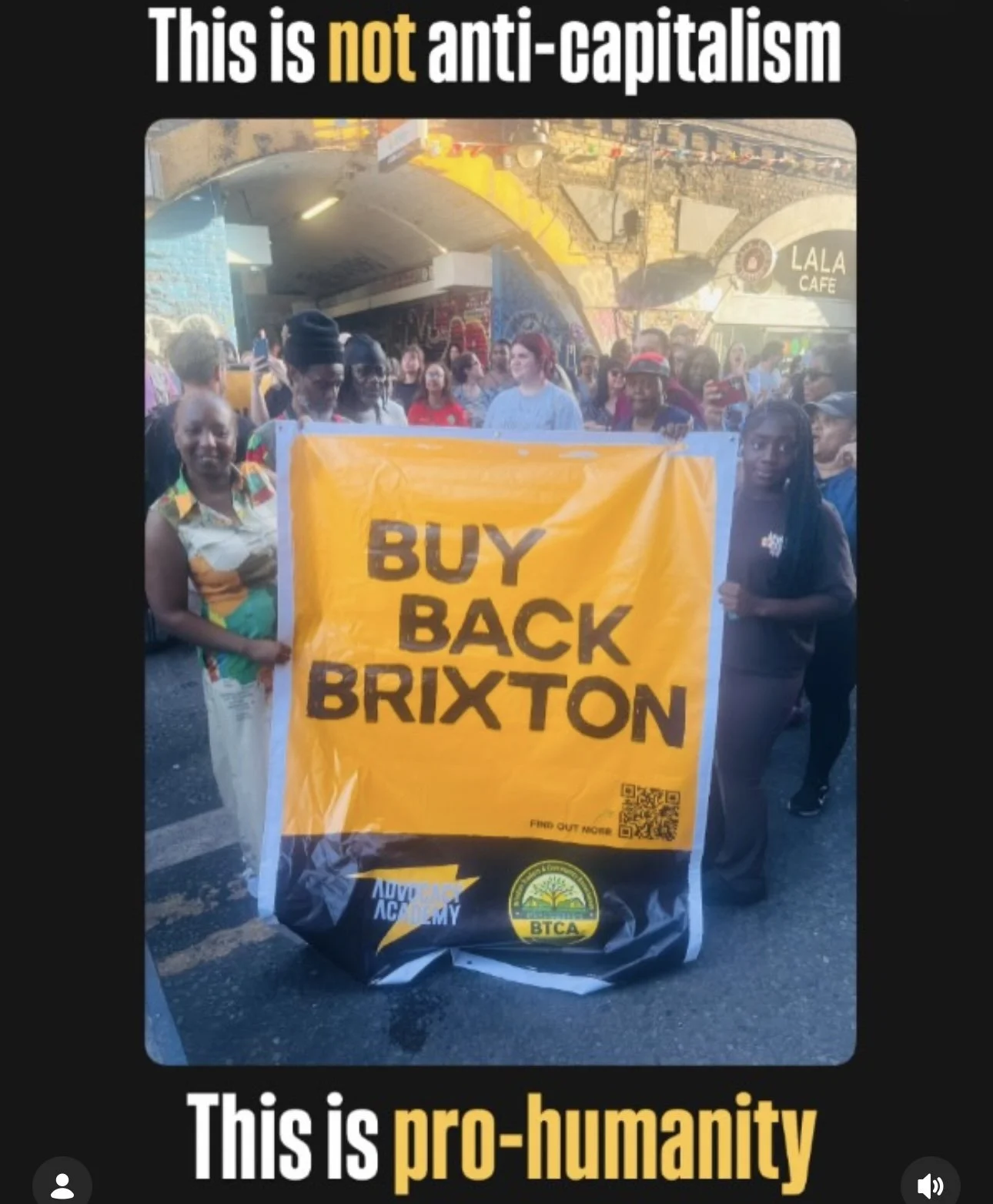
Impressively, your campaign has gained the public support of the new Green leader of Lambeth Council, Martin Abrams… Do you think more responsibility lies with councillors and Members of Parliament to protect communal spaces in their constituencies?
We all have a responsibility to protect communal spaces in our local areas. As representatives elected by local people, they sit at the front end of that responsibility. As has been the case with Martin Abrams and both our local MPs, we need our representatives to proactively engage community groups on these issues in order to be successful. Their visible and proactive support is crucial to our campaign and we're very thankful that we have it.
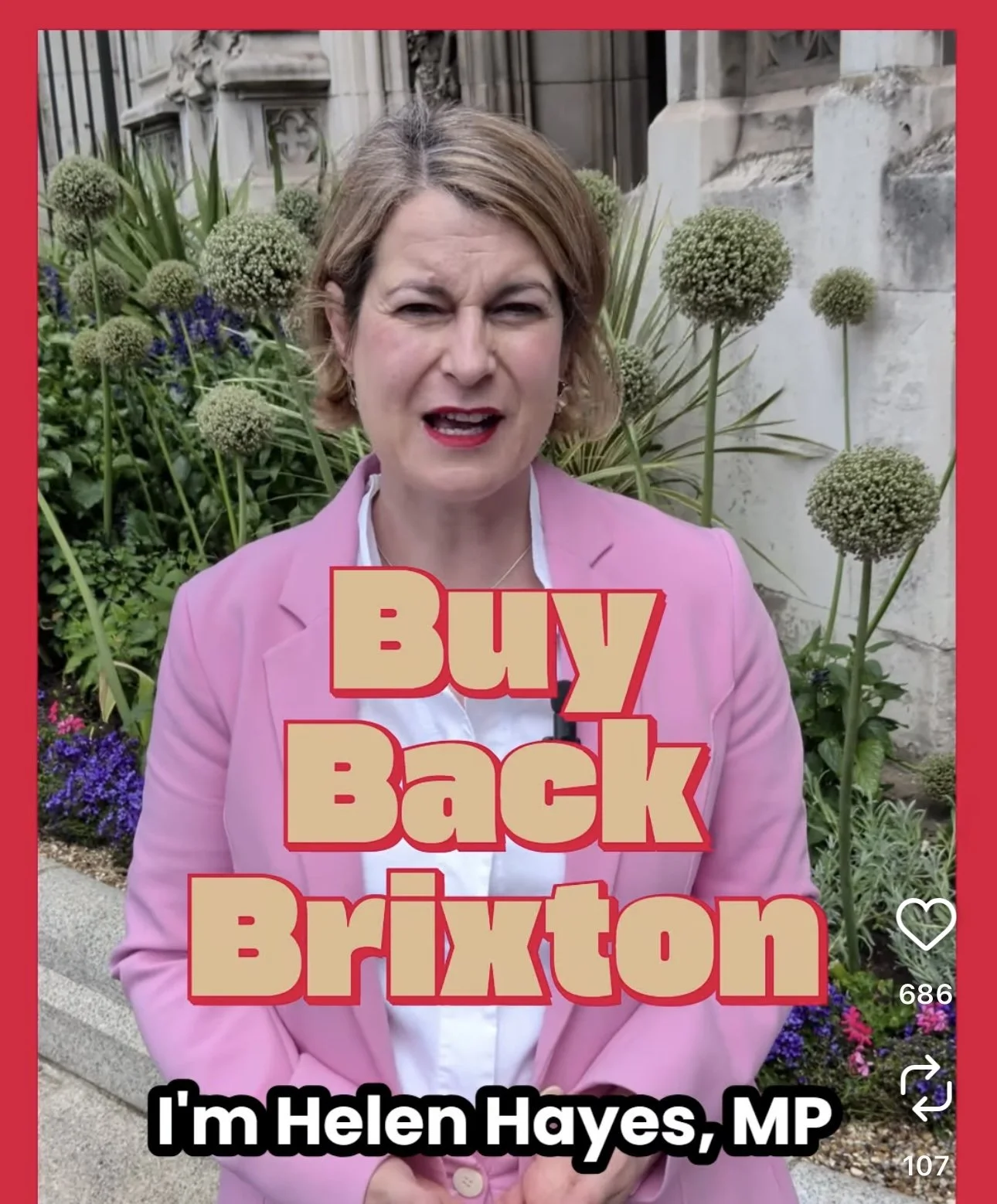
Over 4 days, your efforts led to almost 30,000 signatures (within your emergency petition) and over £2.2m in support of this cause! To truly amplify your message and ensure you successfully cross the line, what more do you think needs to be done/what would you like to see happen?
As with all ambitious campaigns, there is always more to be done. On Monday, 22 June, BTCA & TAA successfully submitted our community-led bid that we believe to be competitive. We now await a decision to see if our bid has been shortlisted. In the meantime, we're full steam ahead with the campaign. We want to make more noise, show that we have the backing of political actors, local businesses, and the public. And lastly, we want to show the current owners that they have a chance to be part of something historic, being the ones that facilitated this iconic market being brought into community ownership.
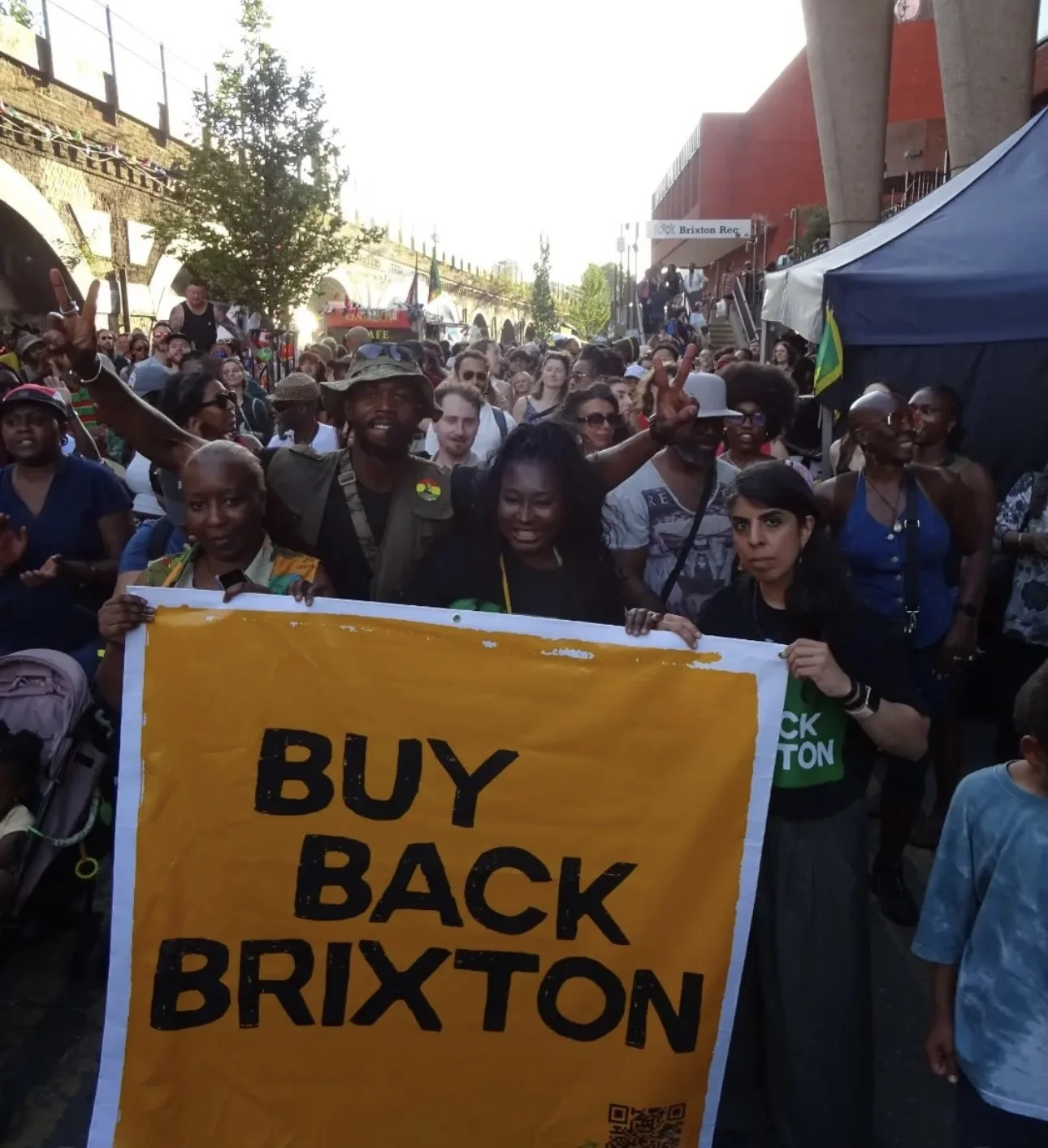
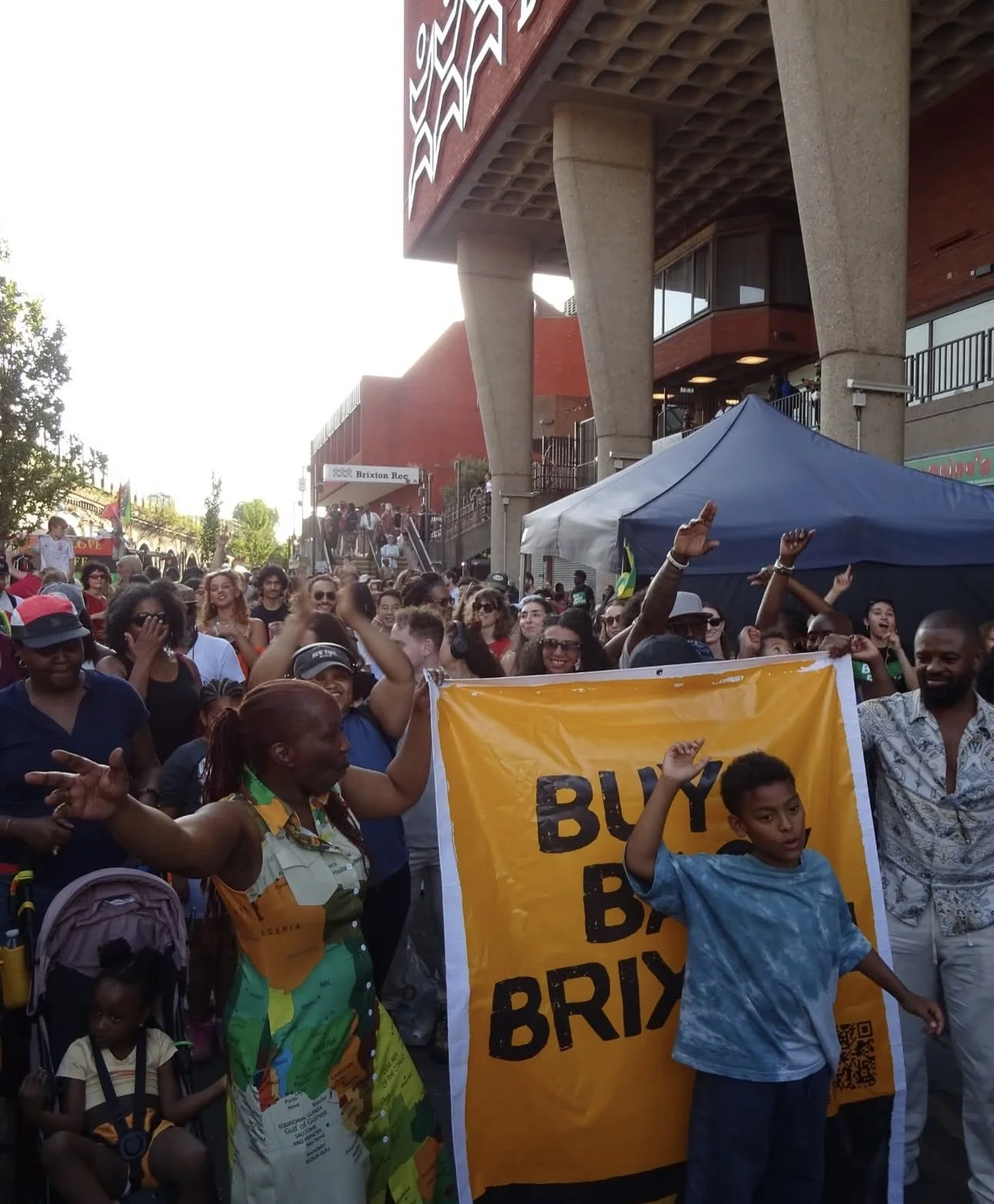
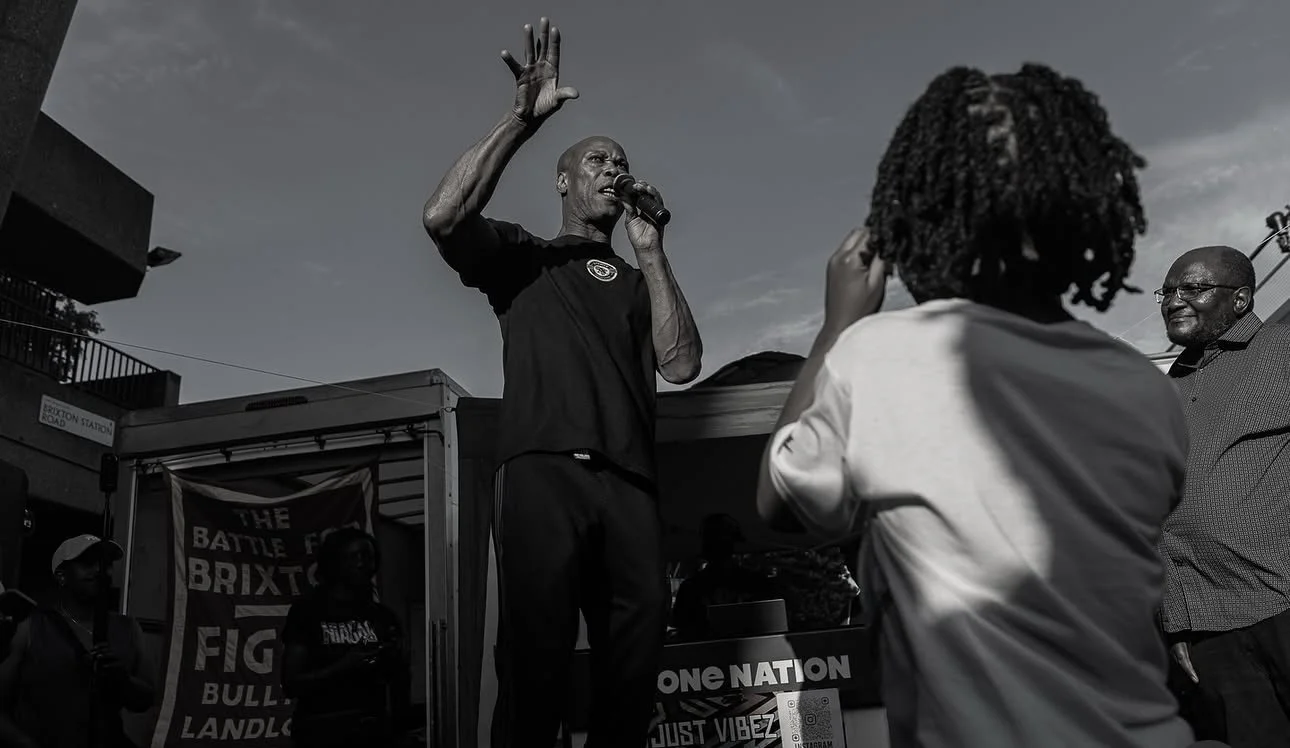
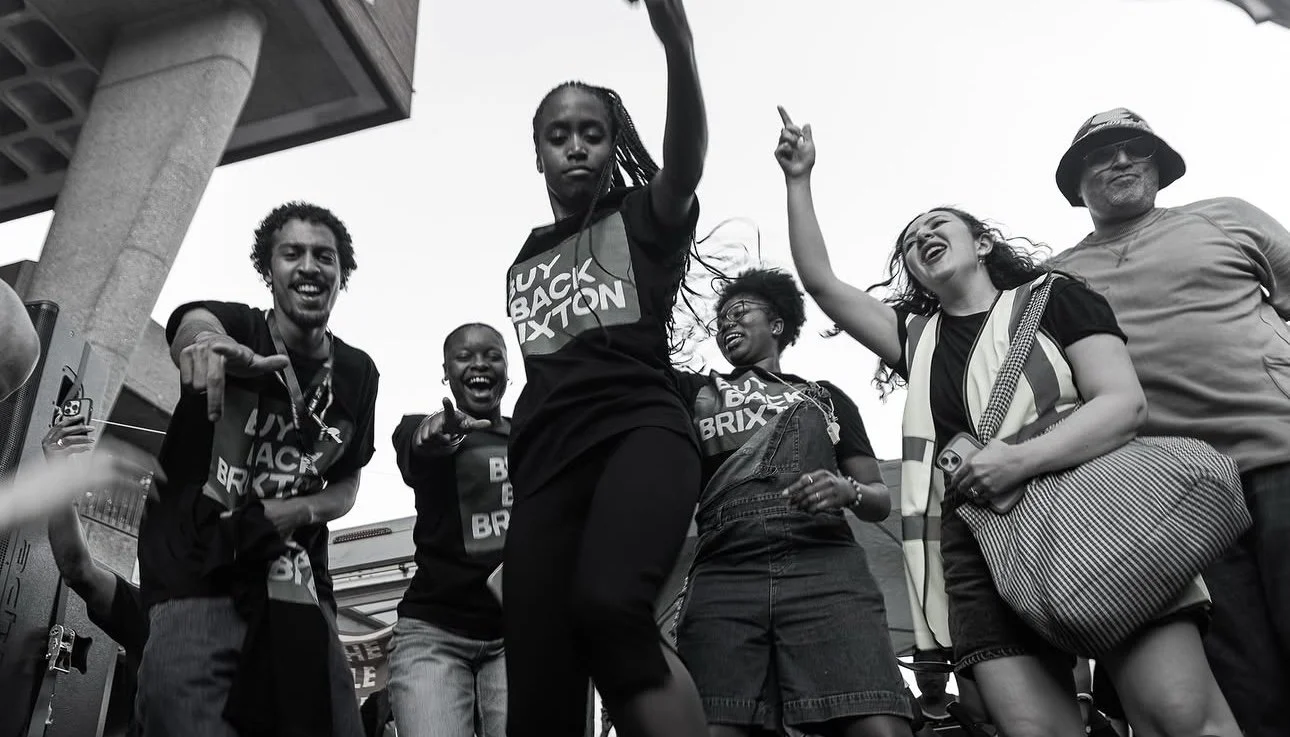
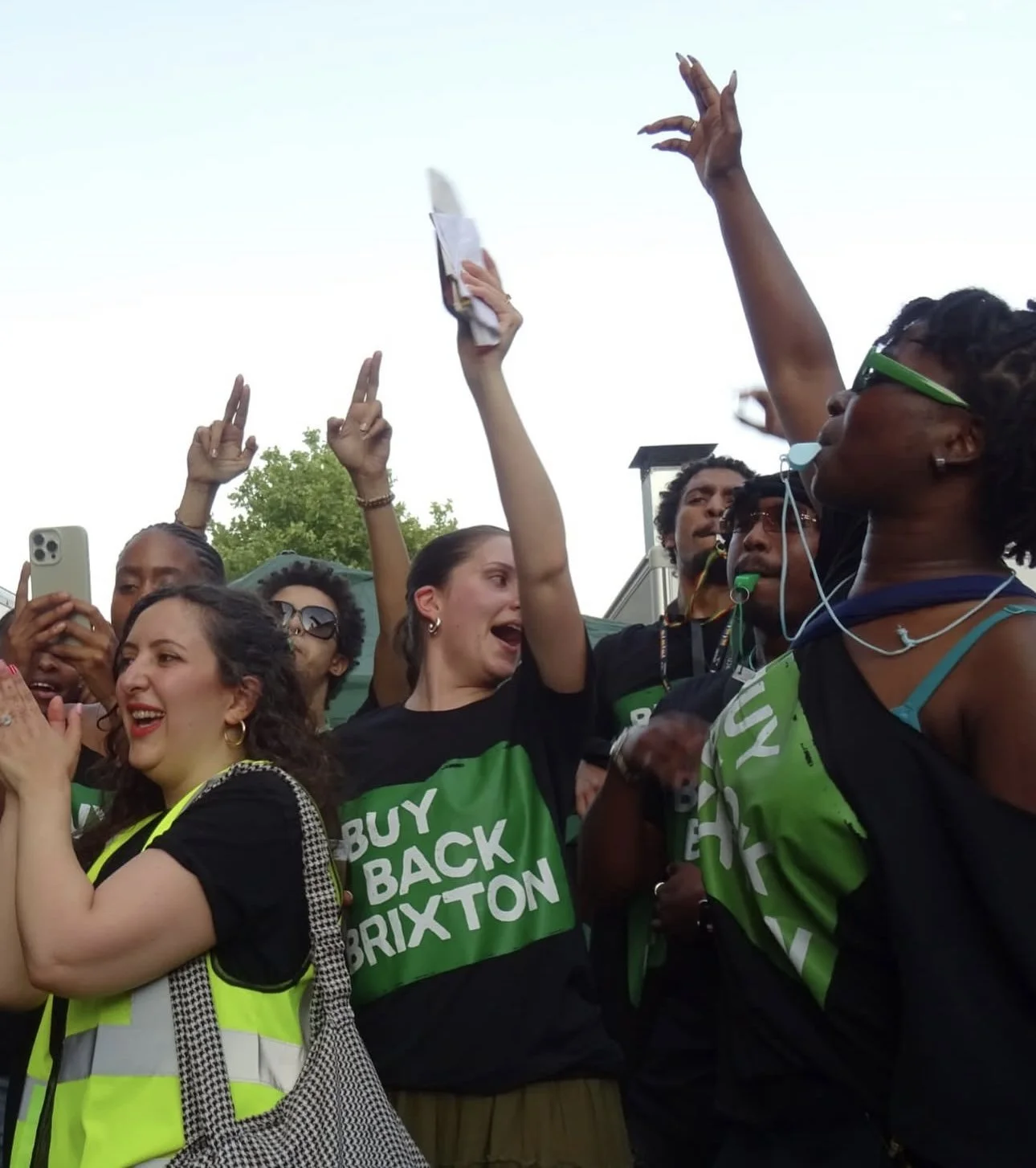
Hundreds gathered in support for the “Buy Back Brixton” demonstration on 19th June 2026 - are you able to articulate for us what was the atmosphere and feeling was like on the ground?
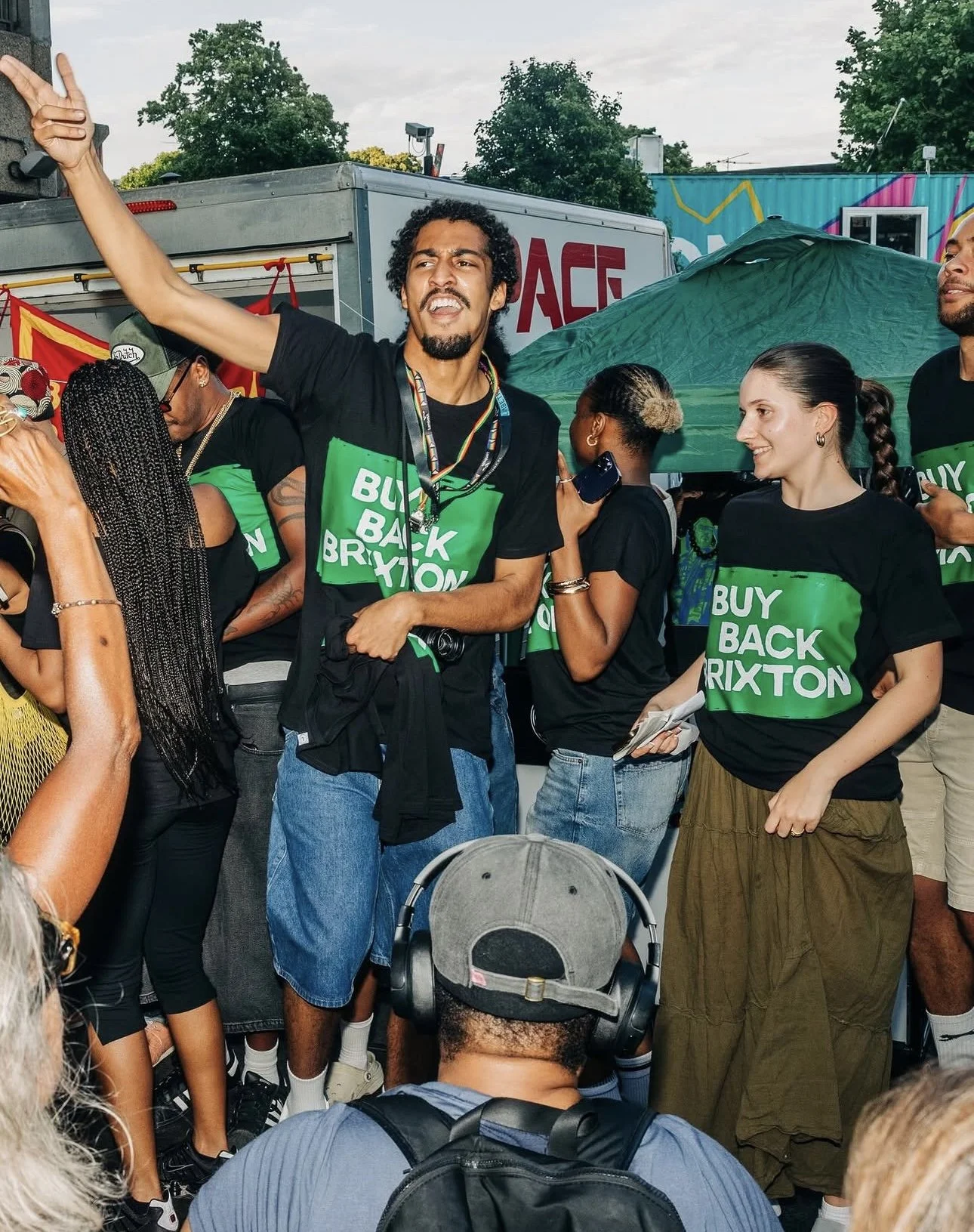
It's Brixton, so the atmosphere was always going to be electric. We spoke with so many people from the community who felt energised by the campaign and keen to support however they can. With the way society has gone in the last 20+ years, the feeling of a community fighting for its own resonates with a lot of people, we saw that at the event. We also have had more requests for Buy Back Brixton t-shirts than we know what to do with, so we're going to have to get a new order in for those!
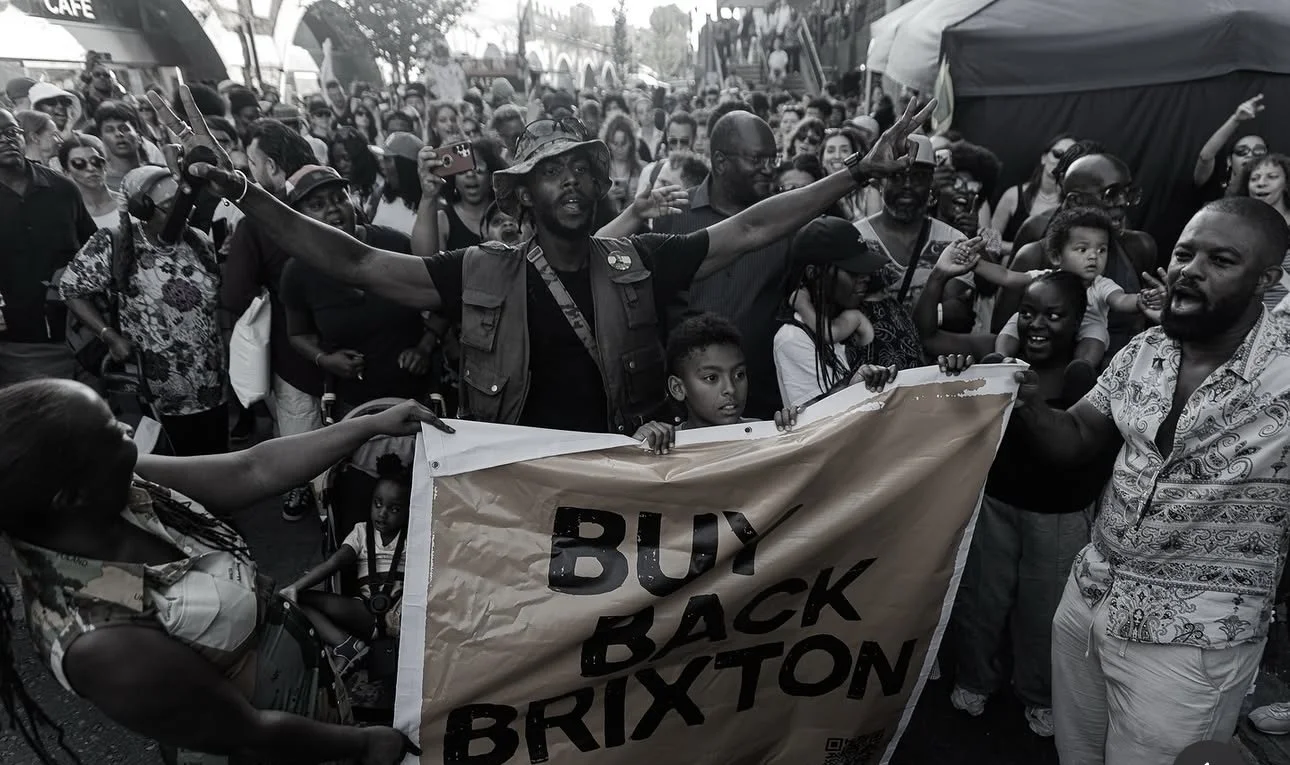
You speak a lot on the importance of traders and young people being at the forefront of this movement - why these two groups in particular?
For the traders, this is their livelihood. This is how they pay the bills. Many traders local to Brixton are their friends, and there is a lot of collective pride at what they have been able to achieve over the years, both for themselves and for the community as a whole. Young people are also central to the market. Many of them are local residents, but even for those young people who come from other boroughs, the market has become to symbolise the heart of Brixton. It is a place to engage with, a place to meet friends, a place to get employed, and a place to engage with culture. It's important we show through this campaign and otherwise, that this matters to both groups.
Aside from signing the emergency petition and donating, what other contributory acts can a regular individual do to support this noble cause?
Keep talking about it! We can't let the conversation go quiet. Share the campaign with family and friends, and join the WhatsApp group where we will share all updates and any actions for people to take. They can find this on: https://linktr.ee/BuyBackBrixton
Arguably, in this social media age, society has become extremely atomised/individualistic… Do you think communal spaces such as Brixton Market still serve their function as a place that fosters intergenerational meeting points for individuals from all walks of life and also serve as breeding ground small/local businesses to grow? If so, why is this important to protect?
Yes, absolutely, communal spaces can definitely still be these central community hubs where different generations can engage with culture through food, clothing, music and more. I think you only need to look at the response to this campaign to see the potential that these spaces have if they were owned and run by the community, for the community. And to your second question of why this is important to protect, you've identified a couple of reasons right there. These spaces offer an alternative to the atomised and individualistic elements of society we've all become accustomed to. We are social beings, and without these community spaces, people from all generations can feel isolated, the community can become less cohesive and more polarised. The vision we have for a community-owned Brixton Market would be a remedy to those societal problems.
If anyone is reading this who wants to start their own movement / collective in support of a social cause geared towards achieving some form of greater good, what would be your advice to them?
Firstly, don't do it alone. It requires a lot of time and energy to create the public-facing campaign. From having numerous conversations with political stakeholders, to creating a narrative and visuals for the campaign, through to organising the petition, donations, and in-person event. Secondly, and quite linked to the first, reach out to people who can advise you. Frankly, there is too much for one person to have the expertise around. Bringing in experts, even if just to provide advice, is crucial to success. People are much more likely to help than you might think, too!
Should this campaign be successful, how do you envisage successfully establishing a permanent model of community ownership in Brixton Village and Market Row, and how will you work to prevent this issue ever happening again?
The permanent model of community ownership will be co-created by all the traders working in the markets, the 50+ Advocacy Academy young members who have been working on this campaign and local community members. We want to do things right, and make sure that they are truly democratically-run. We envisage an approach combining inherited wisdom with new imagination: protecting what matters while creating the institutions, enterprises and forms of solidarity that Brixton will need in the decades ahead. We want to make the market a resilient civic anchor through which the community can navigate uncertainty and build greater local agency. The governance and financial model should reflect this ambition, stewarding the site for the long term, protected from future speculative sale and governed through meaningful partnership between traders, young people and the wider community.