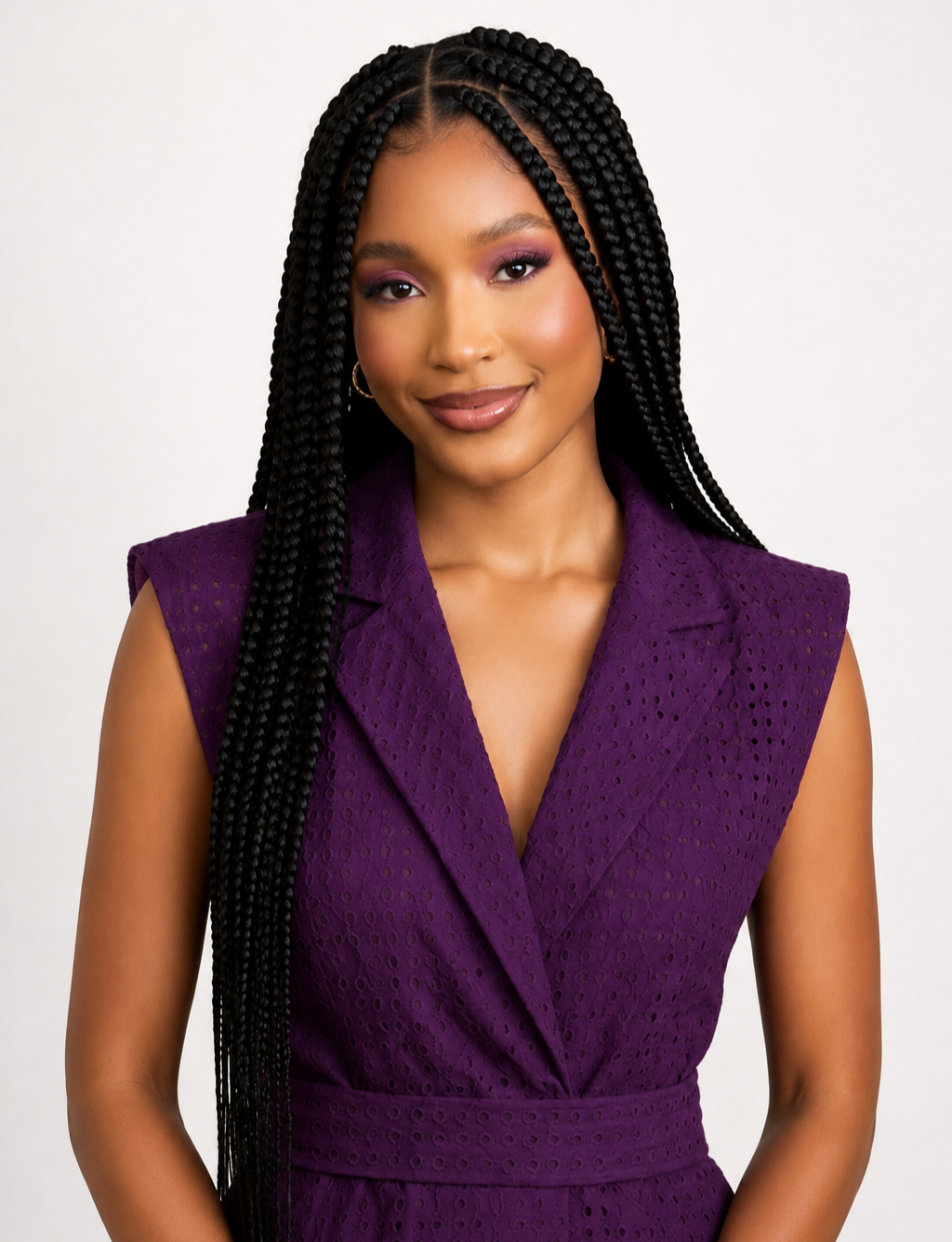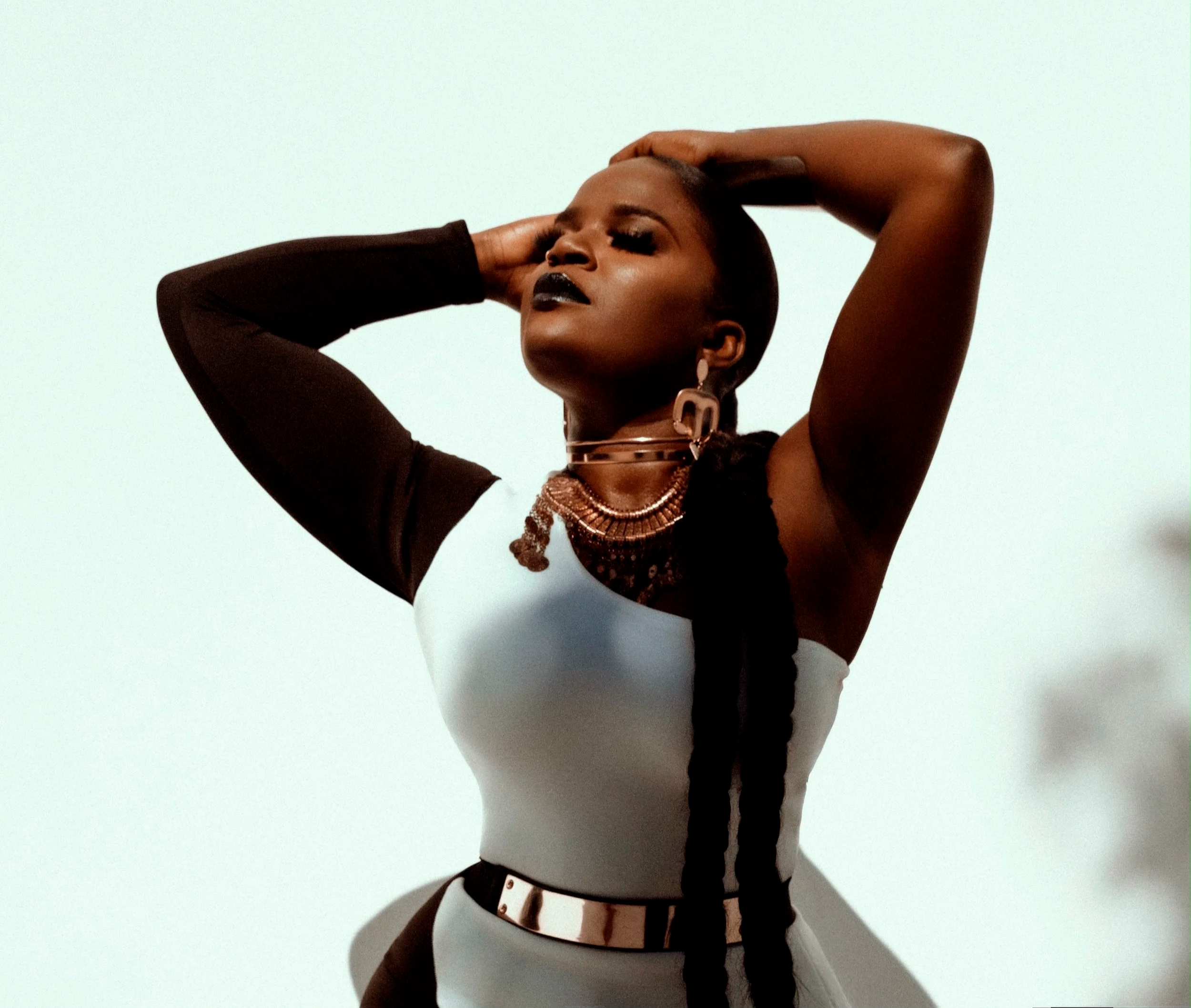
“I Want To Change The Way The World Sees Dancehall!” – Sasha Roache’s Spirited Sentiments On Jamaican Culture & Creativity
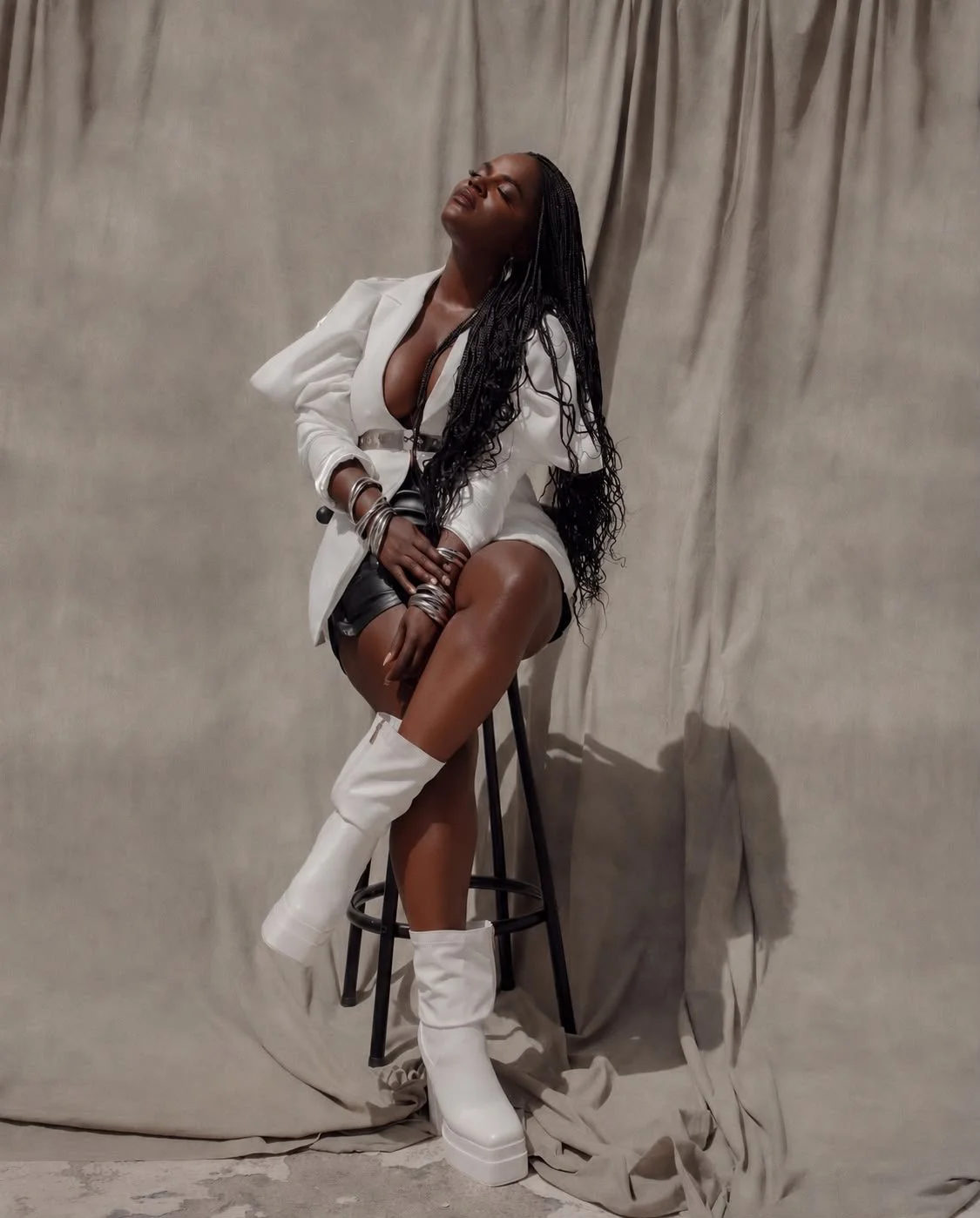
Pictured: Sasha Roache
This article was drafted by Norman Busigu
“In Jamaica we say Yuh tink it tek Gyal fi duh dat!”… This poetic yet punchy patois turn of phrase which translates to “it takes courage to do what I’m doing (it’s not for the weak of hearts)!” perfectly epitomises the lionhearted spirit that Sasha Roache embodies both personally and professionally.
Starting with the latter at a broad brush: Sasha is an acclaimed Jamaican Creative Director who has distinctly crafted her own path in the Dancehall music industry, having started her journey at a time where there were little-to-no safeguards, nor a tangible infrastructure for her to insert herself within. Gifted in bringing the visions of others to life, her prolific portfolio is inclusive of her directing epic visuals for some of the biggest names in the genre including Vybz Kartel, Spice, Alkaline and Jada Kingdom…
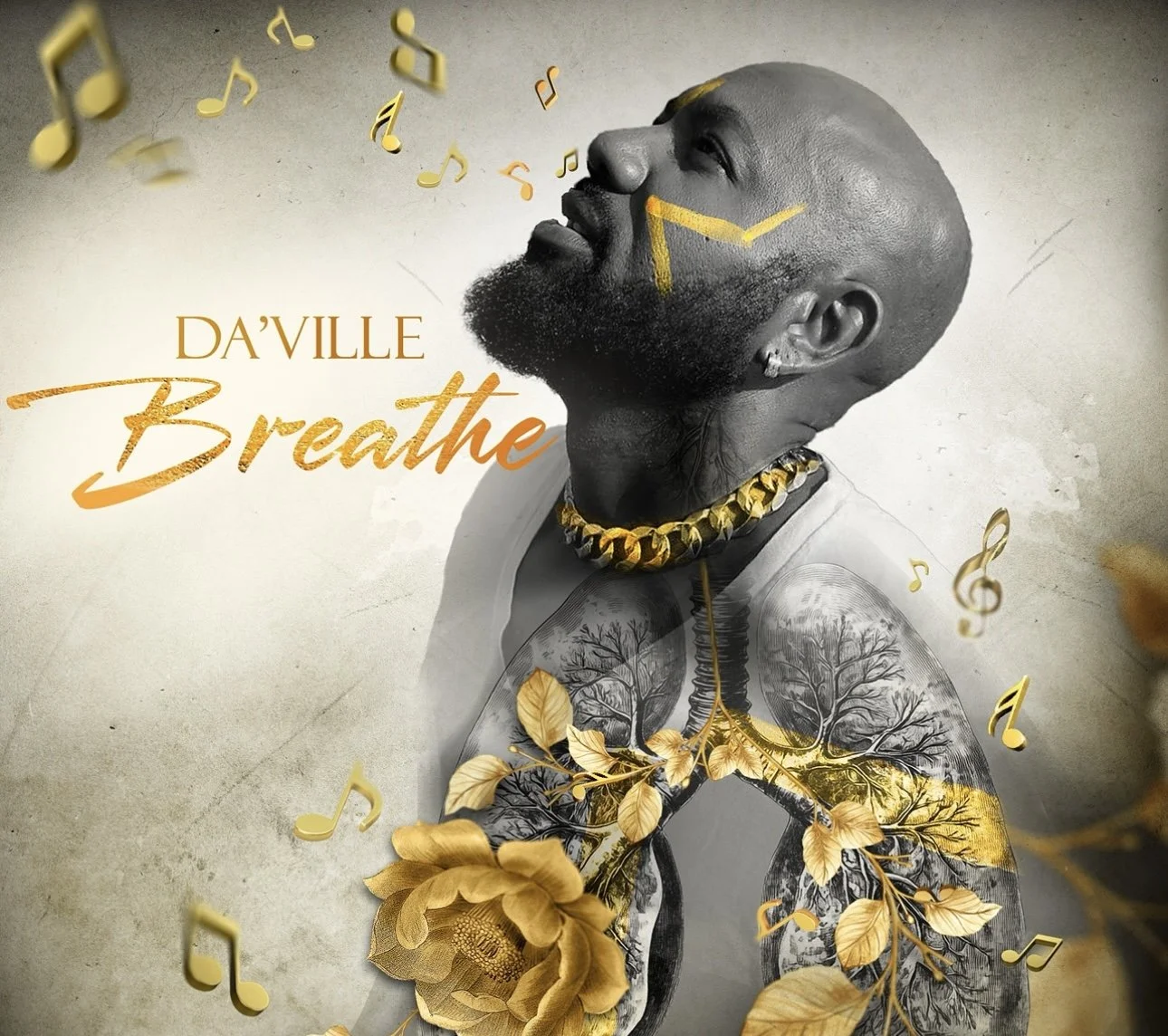
Album Branding by Bling Bang Work
Rooted in her pure love for art and the essence of expression, she has helped to propel the iconic sounds of her island to global audiences through translating the sonics into captivating visual stories which enhance their very meaning - all while contributing to the global ascension of this art form and those within its sprawling ecosystem.
From this, she has wholly committed herself to the mission of “changing the way the world sees Dancehall”. Part of this self-assumed responsibility she carries includes intentionally debunking negative perceptions and stereotypes that surround the genre and her culture which she has experienced first-hand during her global travels. In her words, “The culture I come from is already one of the most influential in the world”… wearing her heritage like a badge of honour, she is determined to ensure it is presented in the most positively authentic way possible to the world.
Harnessing the Jamaican ethos of “we likkle but we tallawah”, Sasha is a one woman force whose infectious passion oozes into the hearts of others, now having materialised into a collective force forming her ever-growing creative agency Bling Blang Work. Beyond servicing stellar productions for established and emerging names alike, this agency is creating a framework for both her team and the next generation to help ensure that the Caribbean creative industry at large can progress in the right direction long after she decides to put the camera down for good.
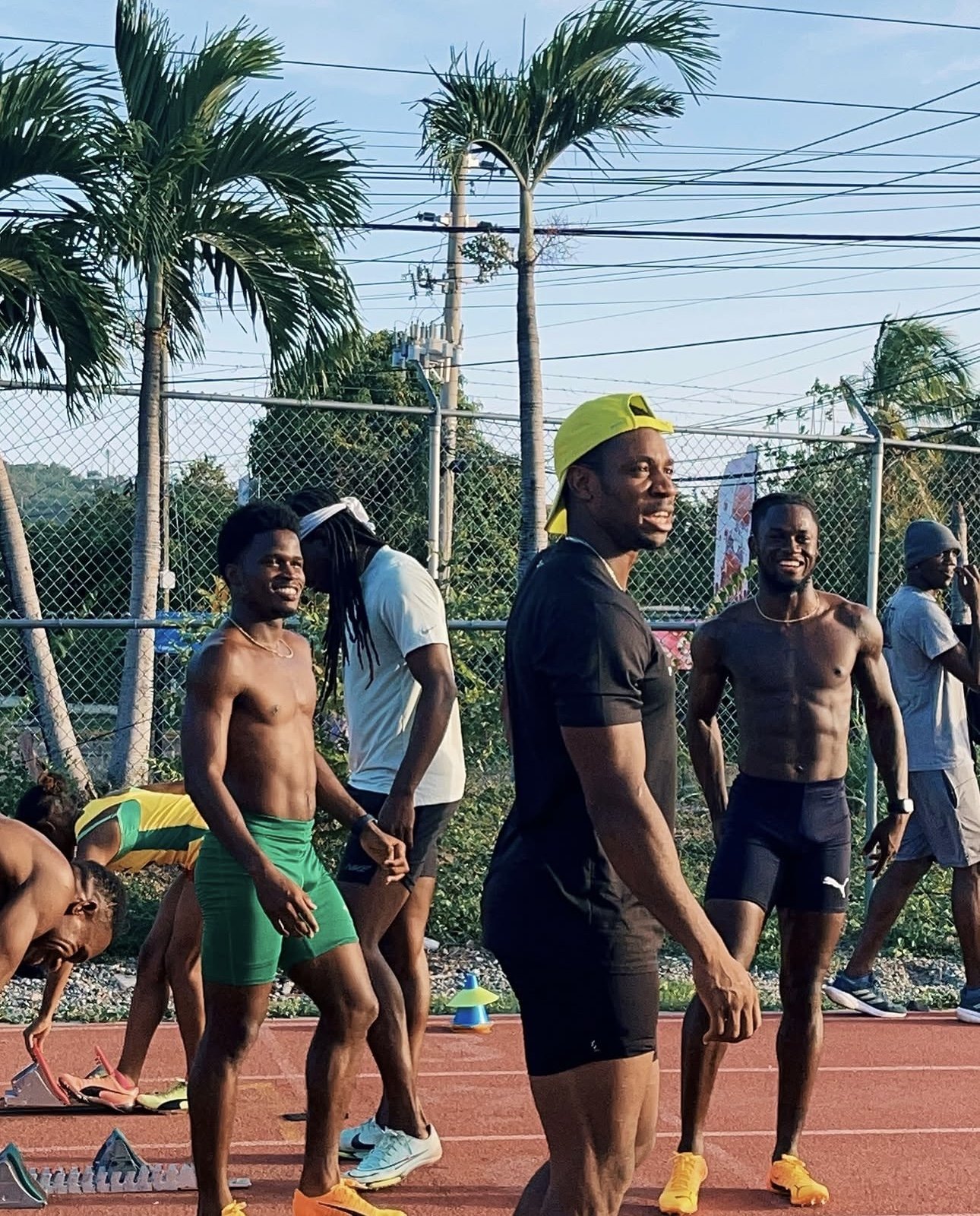
BTS of Yohan Blake by Bling Blang Work
But behind the larger-than-life charisma and confidence which spills out from Sasha and which she utilises to attack the world (with her going so far as to say “it takes big balls/boobs to make it out of Jamaica”) she is a mother first to Nahbi Reign… And one thing that profoundly radiates from Sasha’s maternally sensitive spirit whenever we speak, is that motherhood is the core of her purpose at this stage in her life.
For her, stewardship over her daughter is both a privilege and responsibility that far transcends her ties to the creative industry. Everything else is ancillary to the success of her cub. And with this mindset, she is determined to ensure that the wealth and wisdoms she has amassed are passed down through her lineage without hesitation. This evolution in lived experience marks an important progression from her own upbringing, which wasn’t nearly as cushioned to say the least…
Hailing from humble beginnings in Clarendon Parish in Jamaica, the harsh cards Sasha was dealt, meant that from an early age, she was forced to flip hope into hustle (coming from a home without running water or proper electricity)… and one particularly potent story she told me illustrates this perfectly.
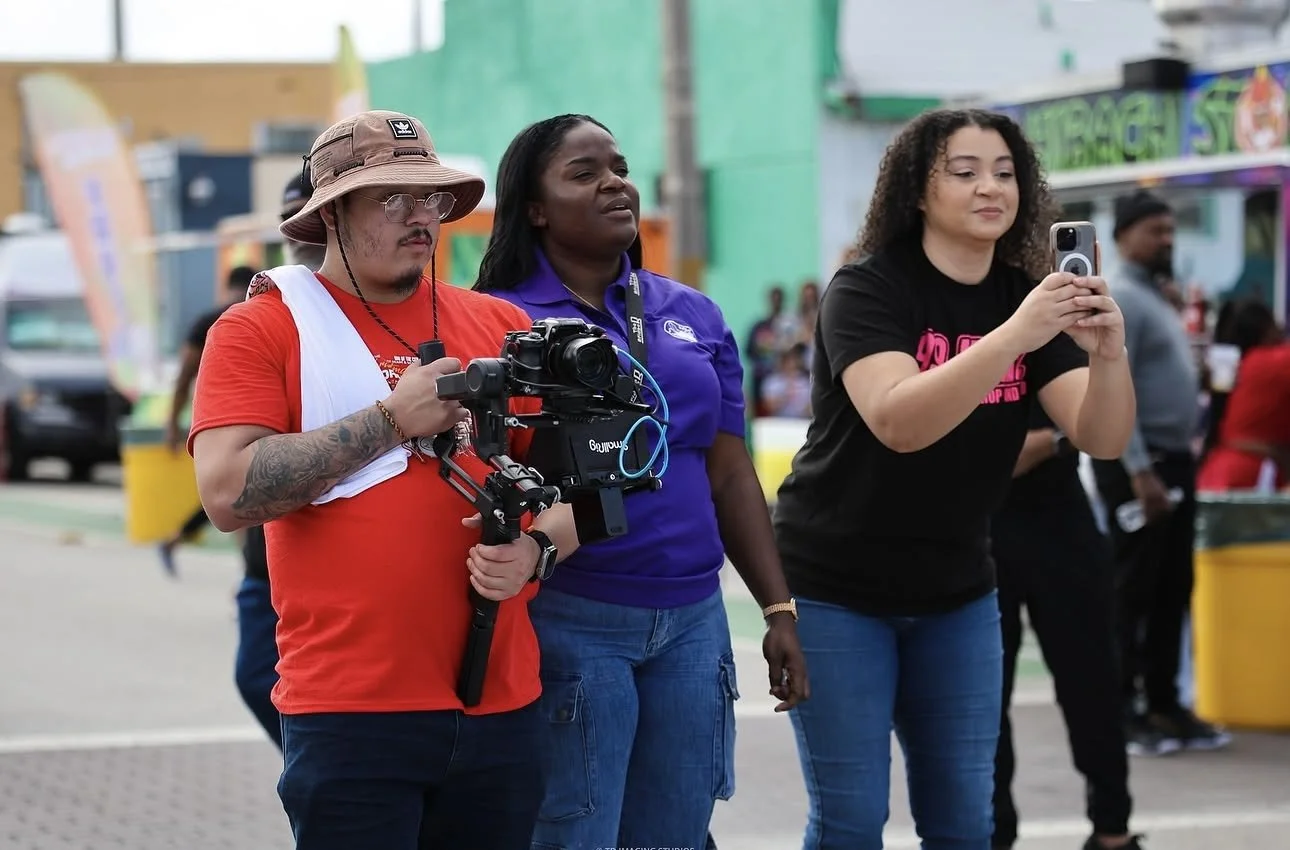
Pictured: Sasha Roache
In a household that was often strapped for cash, her parents were unable to finance the expensive bus fares required to take Sasha to school, which would have been too far a trek to traverse on foot. With a glass-half-full-mindset however, her parents fixated on what they had, as opposed to what they lacked. And what they did possess in sheer abundance, was the natural produce which they grew on their land. This inspired them to barter with the bus drivers - and in lieu of money for bus fares, they paid for Sasha’s way in mangoes. It was in these moments where Sasha learnt the power of resourcefulness, and this is something she carries with her today. Indeed, Sasha’s innate capacity to dream and actualise her visions isn’t a trait arising from privilege or being whimsical for sakes sake… rather, these instincts and abilities were born out of necessity and survival.
It was during these early years that the universe also planted the seeds of Sasha’s now flourishing career as a Creative Director - with the initial spark of inspiration arising while watching the BET classic 106 and Park as a child on VHS tapes that her uncle would bring on Fridays for the family to watch. This show had the profound effect of captivating her imagination by exposing her to global black culture and the varying on-set roles within such a large production. During our conversation (as she was sat by a beach in Anguilla with her daughter), she fondly recalled that seeing Sean Paul’s “Gimme The Light” and Beyoncé’s “Déjà vu” music videos on 106 & Park were significant standout moments that played a pivotal part toward influencing her decision to embark on a journey within the industry.
Fast forward to her adulthood, and Sasha continues to turn tragedy into triumph. During the COVID-19 pandemic, this was period which she regards as the time where her career truly took off. Ironically, when the world was shut down and industry was forcibly placed into a state of immobilisation, she seized the opportunity to travel extensively between North America and the Caribbean to execute projects and create her own work streams…
I recently caught up with Sasha to discuss all things… Dancehall’s evolution as a genre and what is required for it’s global takeover, the impacts of Hurricane Melissa, the rise of bouyon music, lessons learned as a mother, insights into her career, and much more.
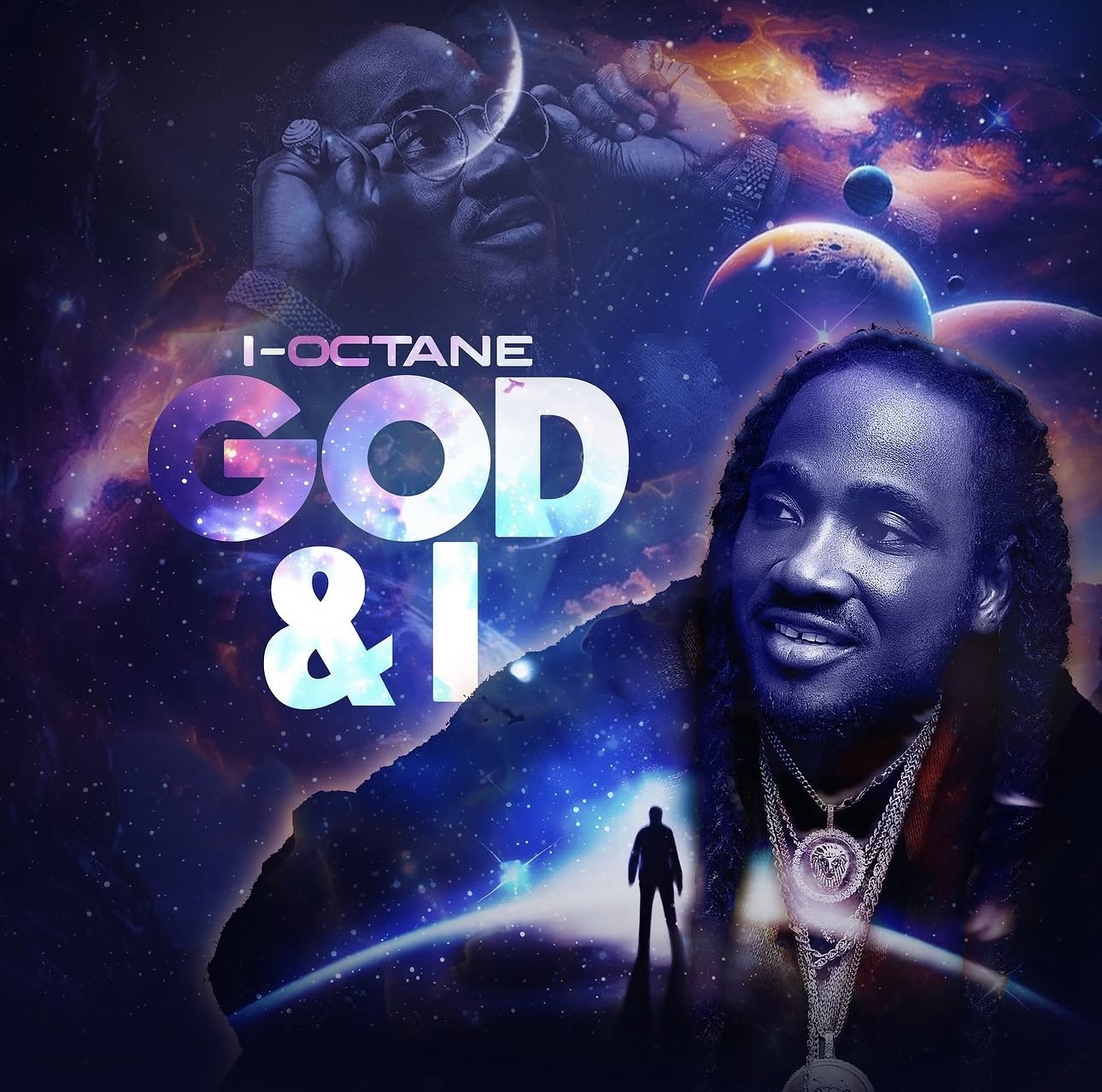
Bling Blang Work Album credits on “I-Octan;s God & I”
***
What is the genesis of your creative agency Bling Blang Work – why this name and what inspired its very purpose of being?
The name itself came from my time working on television... I started working in Dancehall professionally at 17, hosting the entertainment news segment, FiWi Scoop, on Jamaica’s own version of 106 & Park, the FiWi Choice Top Ten chart show… My TV name at the time was Sasha Bling. The owner of the show used to be fascinated by the fact that I could go from looking totally normal or, as we would say in Jamaica, pop dung to completely blinged out for my segment. He would laugh in awe at the transformation. I loved the name, but when I left the company, I wanted to start fresh. I didn’t want people to immediately know that Bling Blang was me from the TV show. As the company evolved and I expanded into branding and other creative work, I added “Work.” That’s when it became Bling Blang Work.
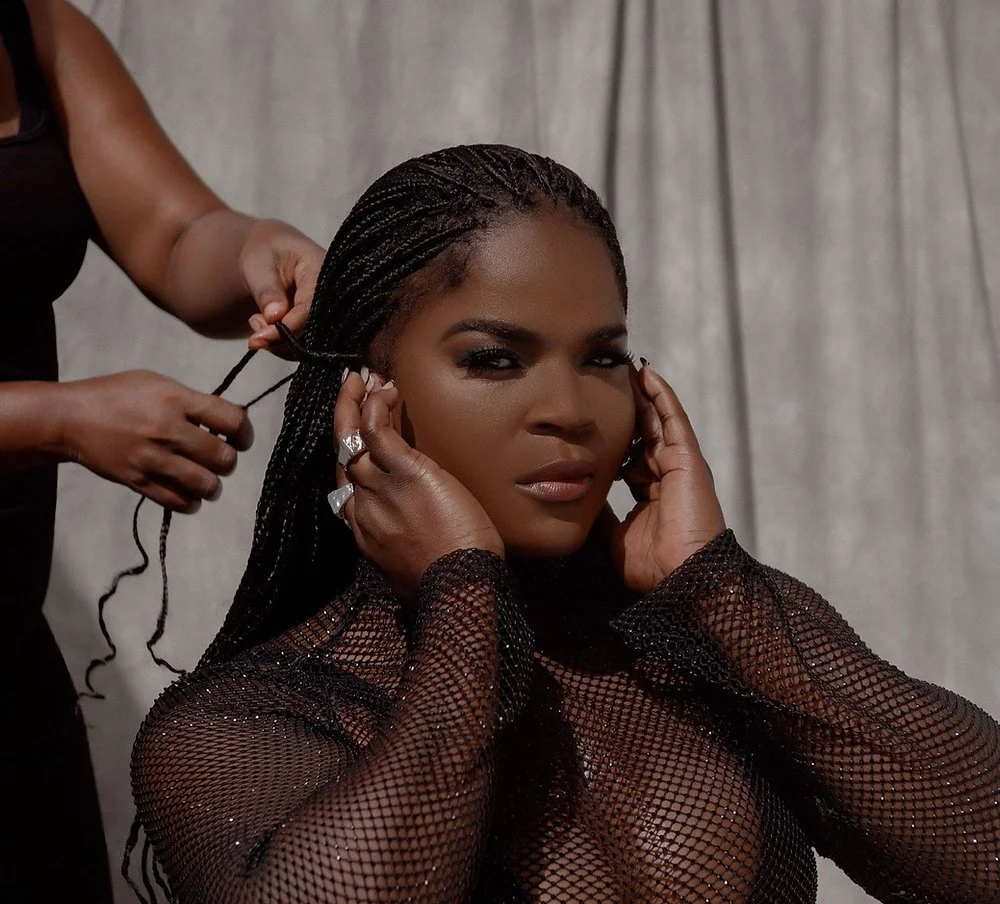
Pictured: Sasha Roache
I officially started Bling Blang in 2012. One of the first major opportunities that came my way was with I-Octane. He had an issue with another company and turned to me and said, “Hey, you’re always asking for a shot. Here it is! Shoot this video.” He told me on a Tuesday, and we had to shoot the video on Thursday. I did it, and that video went on to win Music Video of the Year at the Youth View Awards in 2012, which at the time was the biggest award show for us. That experience gave me the confirmation I needed that this was something I could actually do. It was a major moment in the beginning
You have deep reverence for 106 & Park, that being the programme that exposed you to the worlds of both media and global (Black) music… Are you able to share more detailed insights as to how this programme inspired you to become a Director and the work you do more widely?
I loved the way that show presented Black people and Black culture. What I didn’t realise at the time (while watching 106 & Park as a child) was that I was already developing the eye of a Director. I was studying storytelling, performance, styling, camera angles, sets and how artists were being presented without even knowing there was a name for what I was doing. So 106 & Park didn’t just introduce me to music videos. It introduced me to possibility. It showed me that people who looked like me, came from places like me, could exist on a global stage.
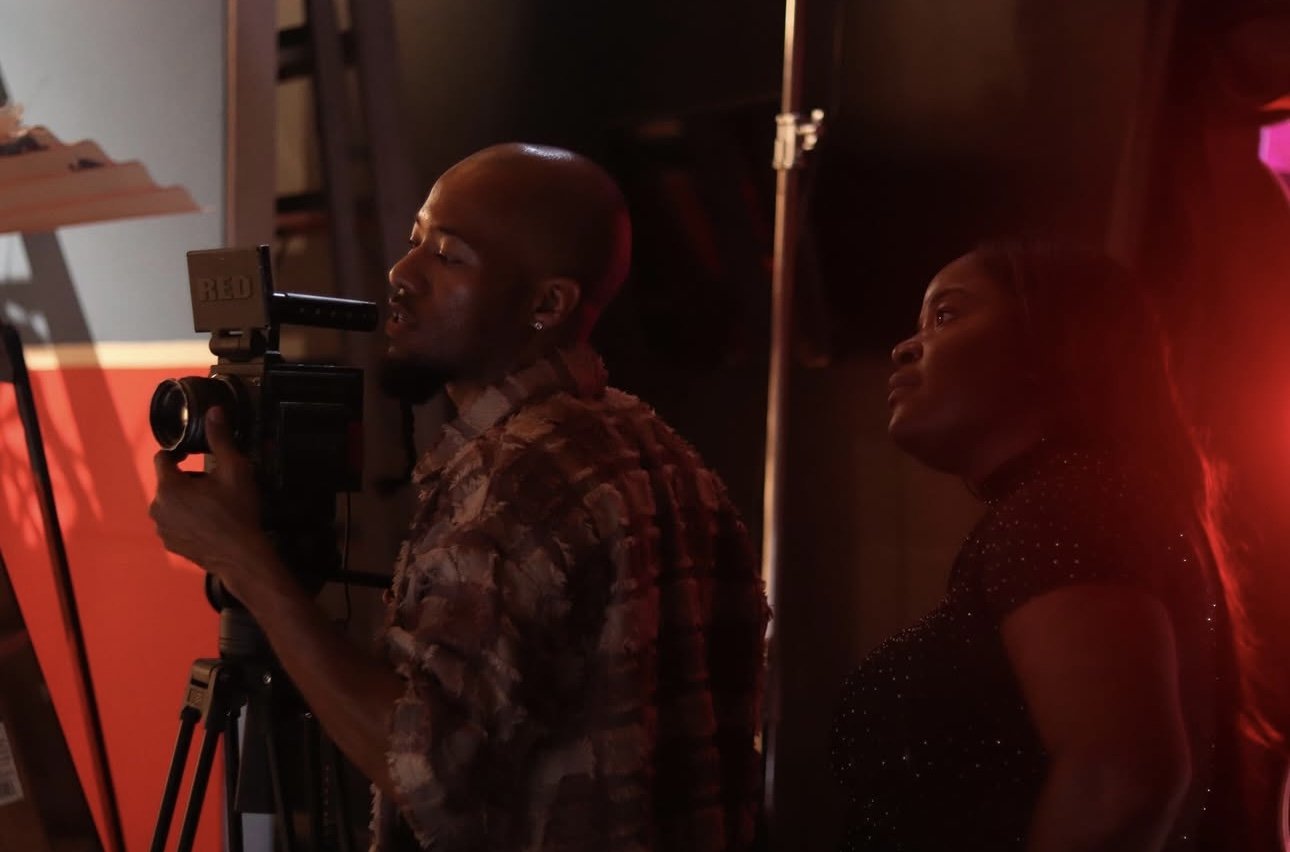
Pictured: Sasha Roache
Fast forward to 2012, when I directed my first video. During the edit session, all I could think was, “I wish 106 & Park was still on air so I could get a premiere.” Today, I make videos that streams on BET. It’s not 106 & Park, but it’s pretty damn close to that little girl’s dream.
What is the most challenging aspect of being a Creative Director in this social media era we exist in today? Maintaining relevance; keeping up to date with trends; the prominence of short-form Content?
Not allowing algorithms to dictate your creativity… Social media rewards speed, trends and consistency, but great creative work often requires time, intention and originality. Sometimes it feels like you’re competing against attention spans instead of creating meaningful work. I always remind myself that trends come and go, but timeless storytelling never expires. I pay attention to what’s happening online because that’s part of the job, but I never want to become someone who’s simply caught up in follows trends for quick success. I’d rather help create them - which I’ve done.
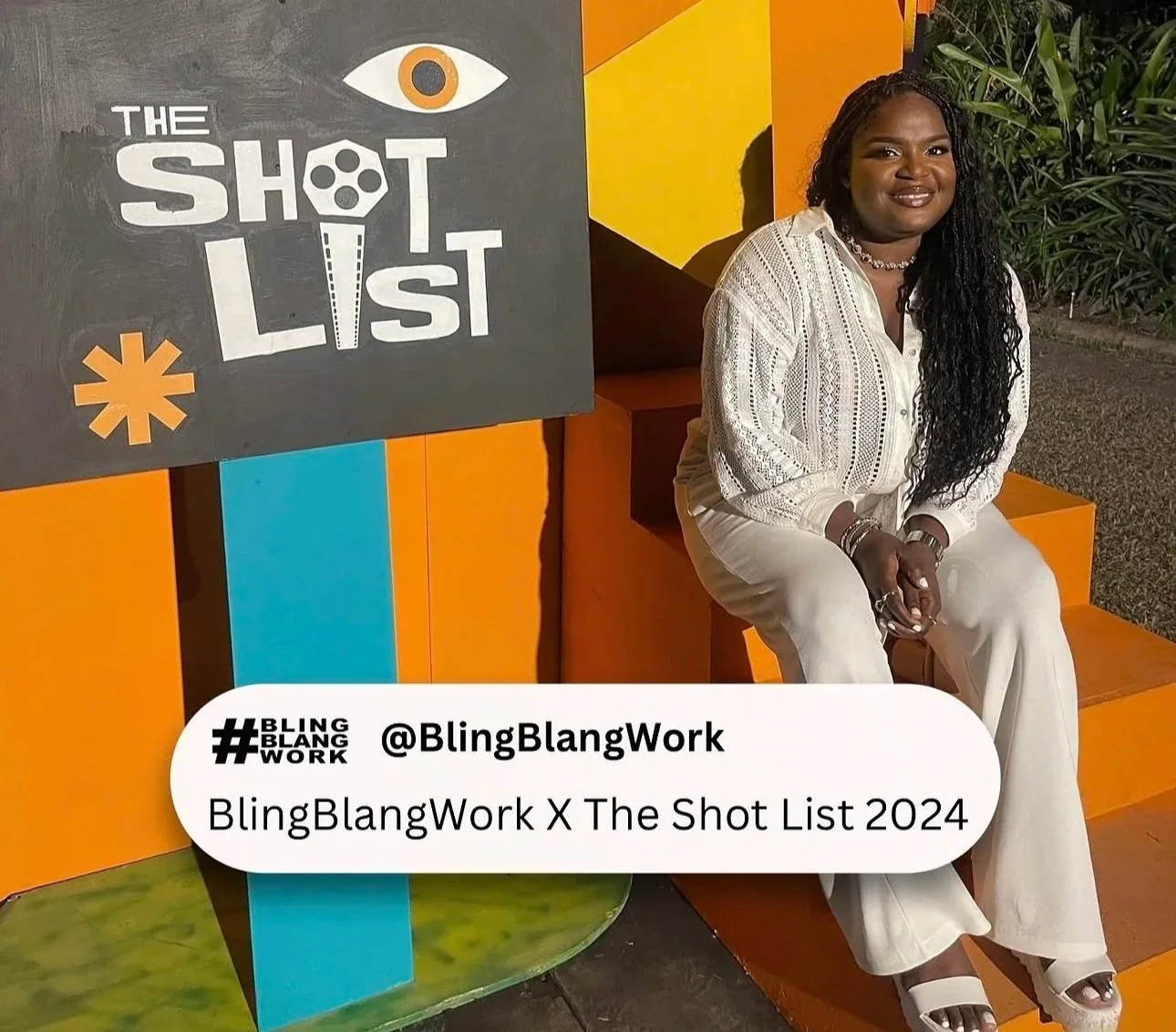
Pictured: Sasha Roache
Though you have Jamaican roots, you are currently based in Miami and frequent to other major hubs across America such as New York and Atlanta for work. What key lessons have you learnt while also operating in the American media industry that have enabled you to develop professionally?
One of the biggest lessons I’ve learned is that confidence is often valued just as much (if not more) as talent. In Jamaica we’re incredibly creative, but sometimes we underestimate the value of what we have. In America, I’ve seen people package simple ideas exceptionally well. They invest in branding, relationships and presentation just as much as the work itself. That taught me to stop shrinking myself. I learned to walk into rooms knowing that my perspective as a Jamaican creative has value. I don’t need to imitate anyone else’s style. The culture I come from is already one of the most influential in the world.
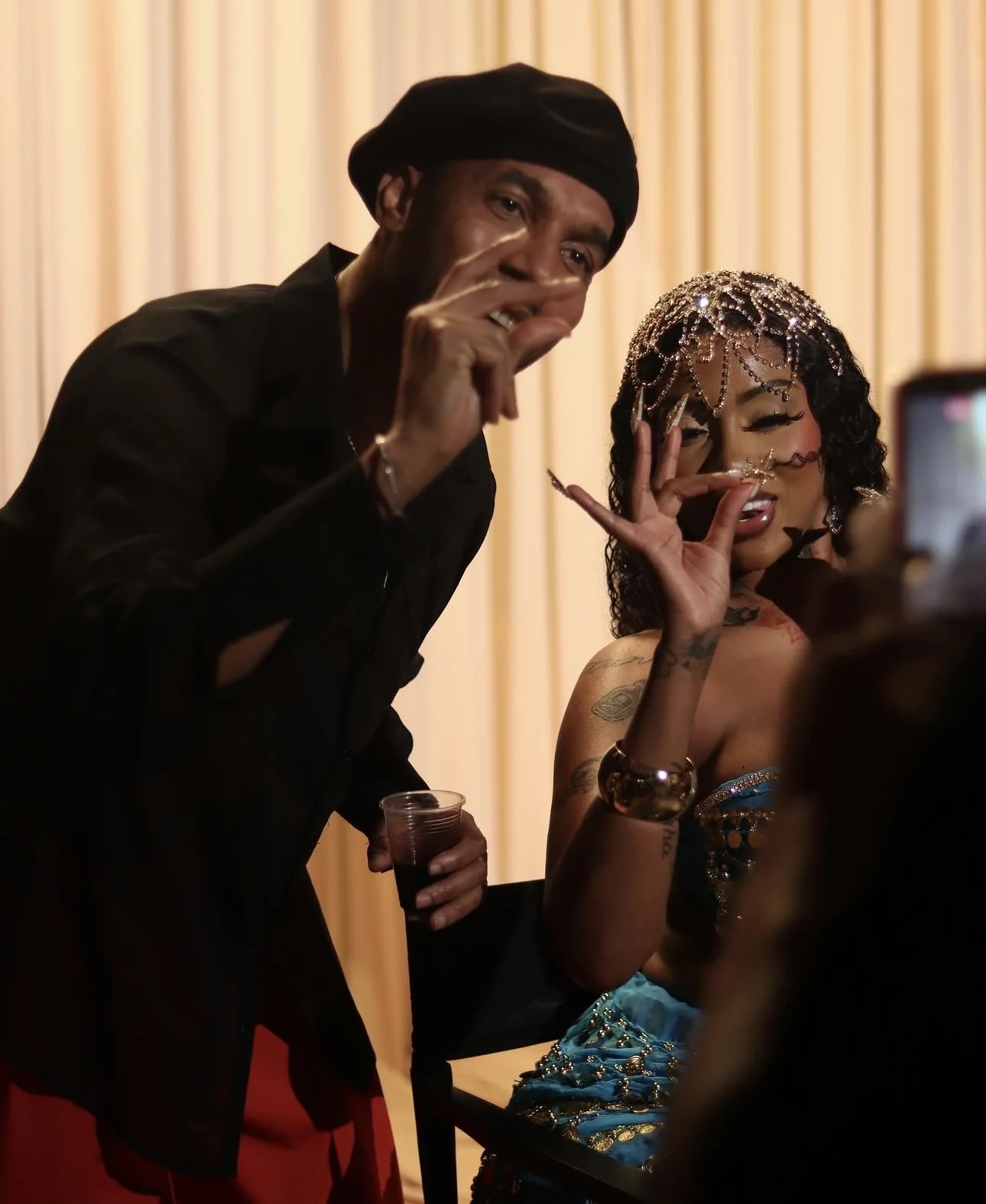
Pictured: jada Kingdom and Cham
Do you have a defining memory/moment of when Dancehall became a staple in your life?
I fell in love with Dancehall through the movie Dancehall Queen. Because I wasn’t necessarily allowed to experience certain levels of the rawness of Dancehall firsthand, I had to experience it through the movie. Then, at 16, I experienced my first real Dancehall party (passa passa, in Kingston). It was huge, and I fell in love with the energy instantly.
You are a very worldly individual - during your many travels across the globe, what are the some of the biggest misconceptions you’ve encountered about Dancehall? What can be done to counter/dispel these negative perceptions?
One of the biggest misconceptions about Dancehall is that it’s only about violence or explicit lyrics. It’s truly a culture before it’s a genre. Dancehall softens the blows of everyday life without pretending those struggles don’t exist. We present the truth in its rawest form. Hence why it cannot be digested as easily as Reggae. Reggae often explores these realities in a deeper, more reflective way, while Dancehall presents them differently. It adds humour, energy, and celebration to harsh realities. Sometimes it simplifies them into themes of partying or sexuality, but that’s often how our culture copes or relief itself.
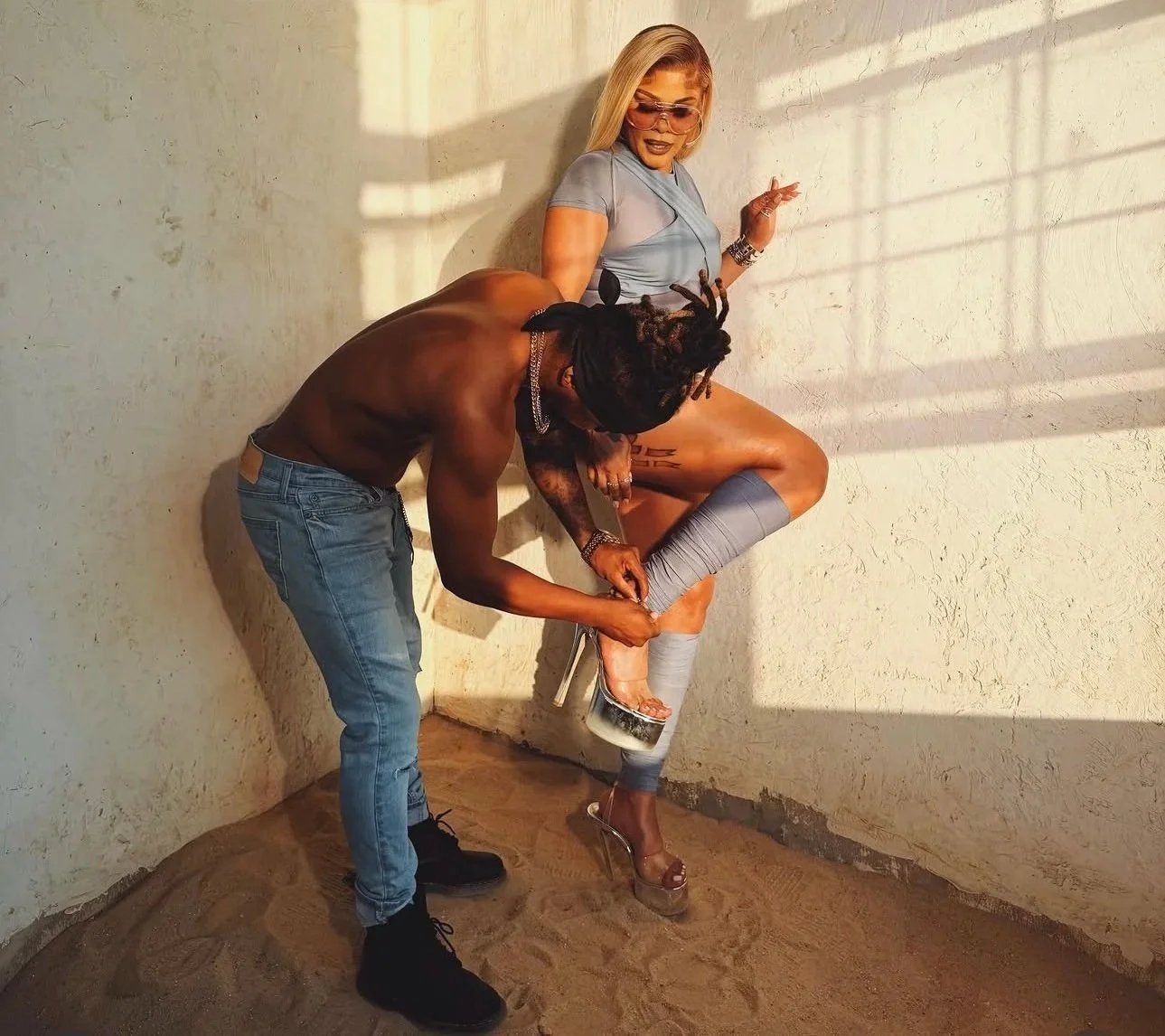
Pictured: Sekklez
The responsibility for changing the narrative doesn’t belong to one artist or one voice. It belongs to all of us artists, producers, directors, DJs, media platforms, and storytellers. We all have a role to play in telling fuller, more balanced stories that celebrate the beauty, innovation, and global impact of Dancehall while remaining honest and authentic…
How has motherhood altered your approach to directing, establishing necessary boundaries between work and personal life, and finding purpose in the work that you do?
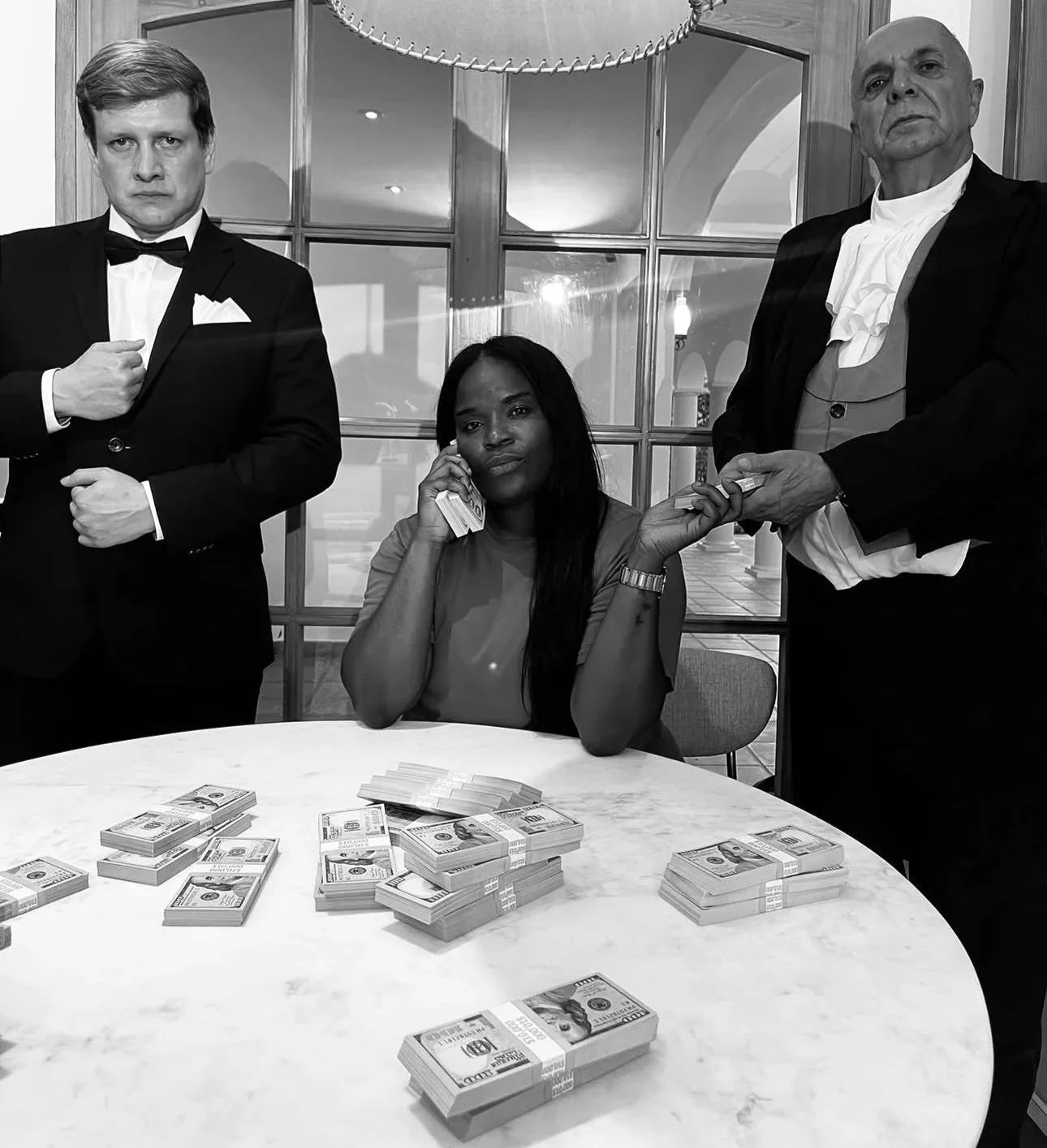
Motherhood taught me boundaries. I still work hard because I genuinely love what I do, but I’ve learned that protecting my peace is just as important as protecting my career. Having my daughter made me realise that success means nothing if I don’t have the time to experience life with the people I love. She also gave my work a deeper purpose. I’m no longer creating just to make something look epic with my name on it. I’m creating to build a legacy that she can be proud of someday. Every production, every campaign, every risk I take is laying a foundation for her future. Because I need her to start where I couldn’t because my family didn’t have the resources nor knowledge about what to do with a creative child.
Pictured: Sasha Roache
If you had to pick a Dancehall Album as the soundtrack to your life, which would it be and why?
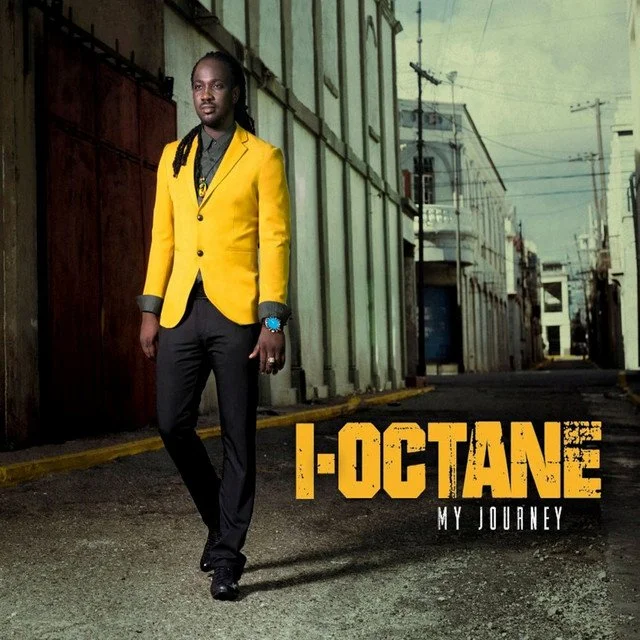
*My Journey* by I-Octane. It’s a blend of Dancehall and Reggae, but it’s the soundtrack to one of the most defining seasons of my life. It was the first full album I ever worked on, and through that project I discovered who I was as a creative. It gave me my first opportunity to direct, build a brand, travel the world, and prove to myself that I belonged in this industry. That experience taught me resilience. It showed me that growth comes from pushing through the uncomfortable moments.
What is the most fulfilling / memorable project you’ve worked on and why?
I genuinely don’t have a favourite project. Every project means something different to me. I’d have to tell you the story behind every single project for you to understand why each one has a special place in my heart.
Visually and / or sonically, what in your view needs to happen for the genre of Dancehall to evolve?
I think the next evolution of Dancehall is becoming more intentional about world building. When you look at genres like Afrobeats, K-Pop, or Latin music, they’re not just selling songs - they’re creating complete worlds. The visuals, fashion, branding, performances, storytelling, and fan experience all work together to build something people want to be part of. Dancehall already has all the ingredients. We have the music, the fashion, the slang, the energy, and the creativity. What we’re missing is consistency in how we package it for the world…

Pictured: Shenseea BTS on “Cooking With Love” by Bling Blang Work
We’ve come close to that global takeover many times, even now but I still think there’s one missing piece. We also need to stop waiting for one artist to carry the culture or arguing over who deserves the credit. Building a global movement takes all of us artists, producers, directors, brands, media, and fans moving with the same intention.
I’m curious to know your view on the growing prominence of Bouyon music…
I love seeing its growth. Caribbean music has always inspired itself. I don’t see it as Dancehall versus Bouyon. Every time a Caribbean genre breaks through, it opens another door for the rest of us. The region is stronger when every island wins, and I’d love to see even more collaboration - because that’s how Caribbean music becomes impossible to ignore.
It’s been nearly a year since Hurricane Melissa (October 2025) had devastating impacts across Jamaica. How in your view has the island responded to this tragedy and did this impact your career in any way over this past year (for better or worse) - if so how?
Hurricane Melissa is something my generation won’t forget. It was the first time many of us experienced devastation on that level, but if there is one thing I know about our people, it’s that we are resilient and fierce. We pull and push through almost every obstacle put in front of us. We don’t always have the luxury of waiting for somebody to come and save us. We figure things out, we help each other, and we rebuild. I do believe the government can always do more, especially when people are dealing with something of this magnitude - none of us were really prepared for what happened.

But at the same time, I think there is something incredibly powerful about watching our people begin to move forward and rebuild with whatever they have, and with whatever help they can get directly.
When did you decide you wanted to “change the way the world sees Dancehall” and fast forward to today, do you feel like you are on your way to achieving this ambitious mission?
At 20, I started working with Reggae/Dancehall star I-Octane, and that gave me the opportunity to see what Dancehall looked like outside of Jamaica. I realized very quickly that our people were loved, our culture was appreciated and the music had a real global audience, but there was always room for us to improve the way we presented ourselves. That’s when I started looking beyond just music videos and into artist branding. I’ve been doing that for years now, helping artists understand how to present themselves, conduct themselves and position their brands on an international scale.
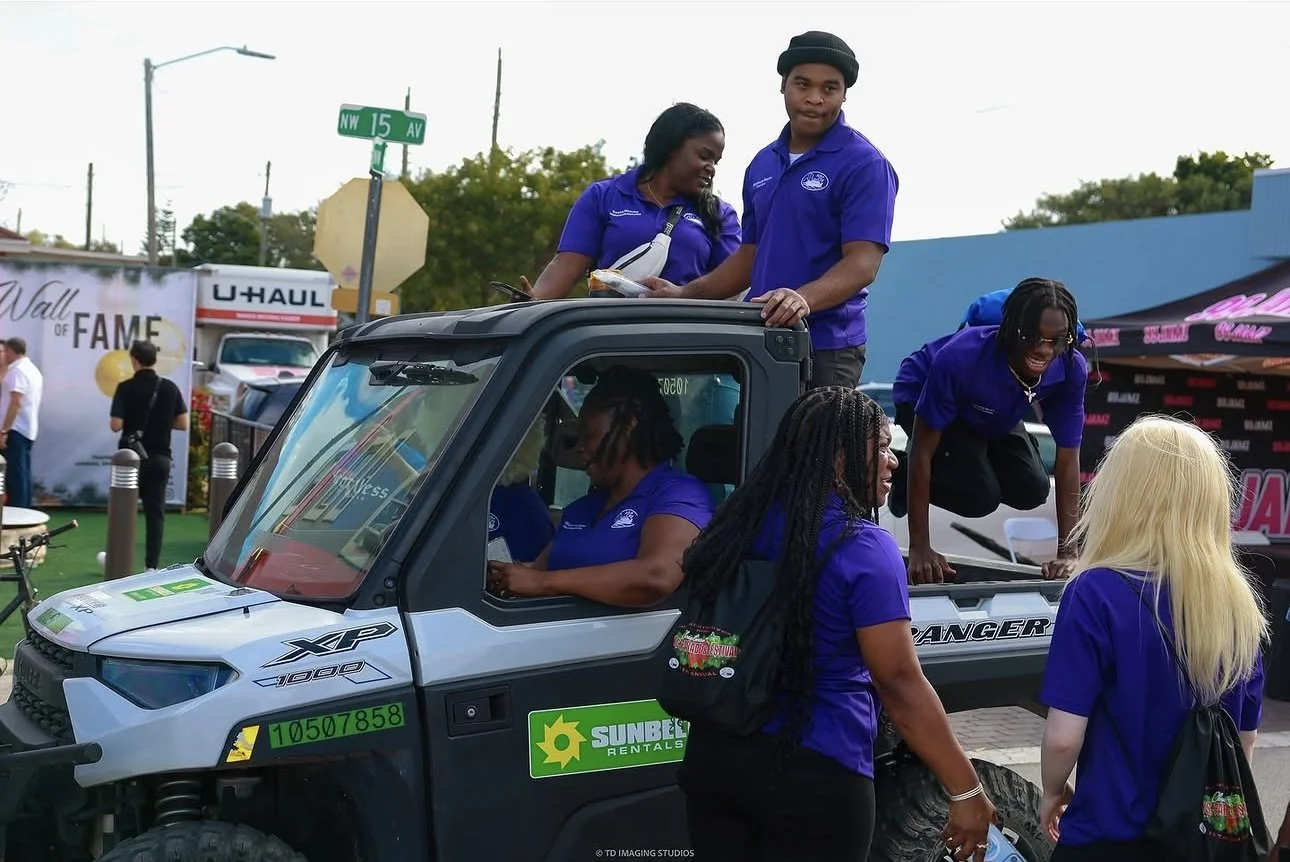
Do I think I’ve achieved it completely? Absolutely not. I think I’m still very much on the journey. But when I look at where I started, a little girl in rural Jamaica watching 106 & Park on VHS, dreaming about making music videos and where I am now, working with artists and other celebrities to create work that reaches international audiences, I know I’m moving in the direction I always imagined.