Legendary Nollywood Actor Owobo Ogunde Prepares For Highly Anticipated "Love In Lagos" UK Theatre Shows
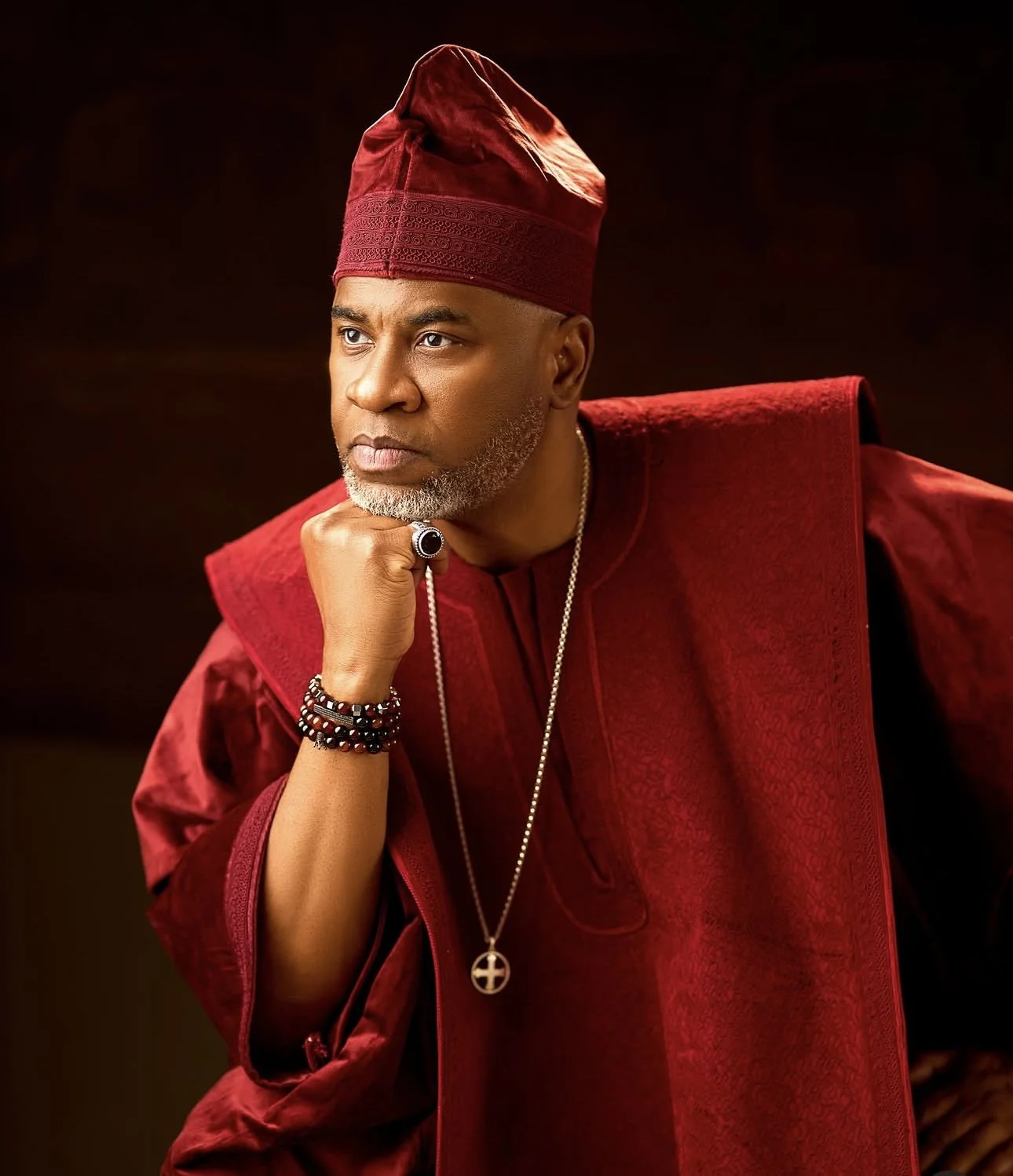
Pictured: Owobo Ogunde
This article was drafted by Norman Busigu. Special thanks are given to Bola Obileye.
An Overview Of Owobo Ogunde’s Life, Legacy & Portfolio Career
Owobo Ogunde is a widely celebrated Nigerian Nollywood actor, Information Technology professional, and entrepreneur. Notably, he is the son of the late Chief Hubert Adedeji Ogunde (a pioneer of Nigerian theatre and film) who is regarded as the father of modern Nigerian theatre. By virtue of existing within such a profound lineage, Owobo’s artistic foundation is deeply rooted in one of Nigeria’s most historic theatrical legacies. From this, a lasting legacy across Owobo’s incredible career, has been his steadfast commitment toward bridging classic Yoruba cinema traditions with modern Nollywood production styles, blending heritage with contemporary storytelling. To this end, he is much more than just an accomplished actor: he has proven himself to be an agent dedicated to facilitating the evolution of African storytelling, with cultural authenticity remaining at the forefront of his approach.
If we turn back the hands of time to the beginning of Owobo’s journey, he appeared on stage at Glover Hall, Lagos, as Oriade Kingbe in Aropin N’tenia at the tender age of 6. He then left full time education at 14 to join the Hubert Ogunde Theatre as a full time Actor. Before transitioning fully into film, he trained under his father’s iconic theatre company. Owobo would go on to gain prominence in the industry through partaking in respected productions including Ayanmo (1984-1986), Obafemi Owolowo (1987), and Things Fall Apart (1991).
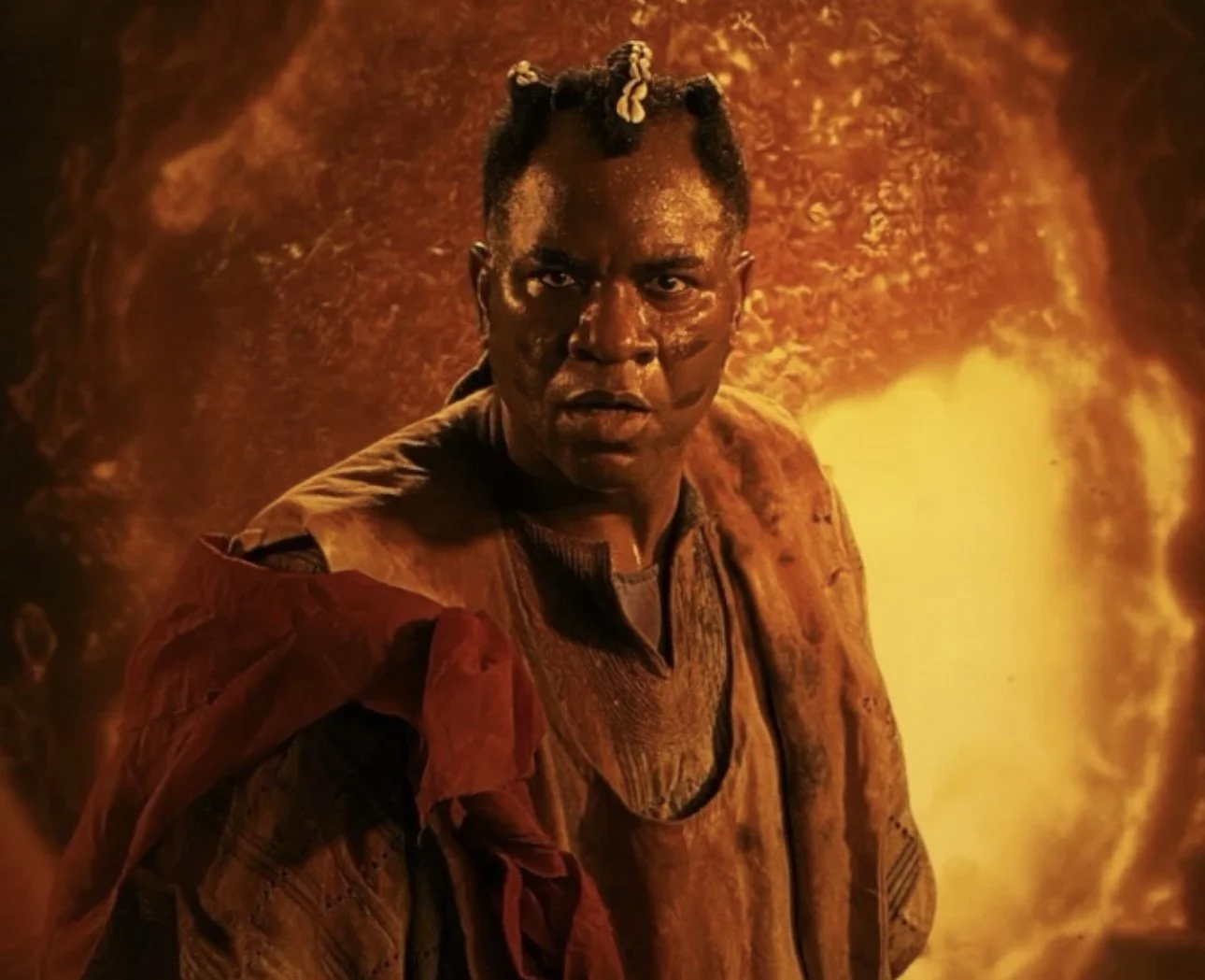
Owobo’s dedication to attaining mastery of his craft (from both the academic and practical dimensions of performance) led him to undertake extensive professional training from The Oxford School of Drama, City Lit Holborn and as a pioneering member of the National Troupe of Nigeria. Owobe would go on to gain wider international attention for his commanding performance as Basorun in “Anikulapo: Rise of the Spectre” (streaming on Netflix), further expanding his visibility beyond traditional cinema audiences.
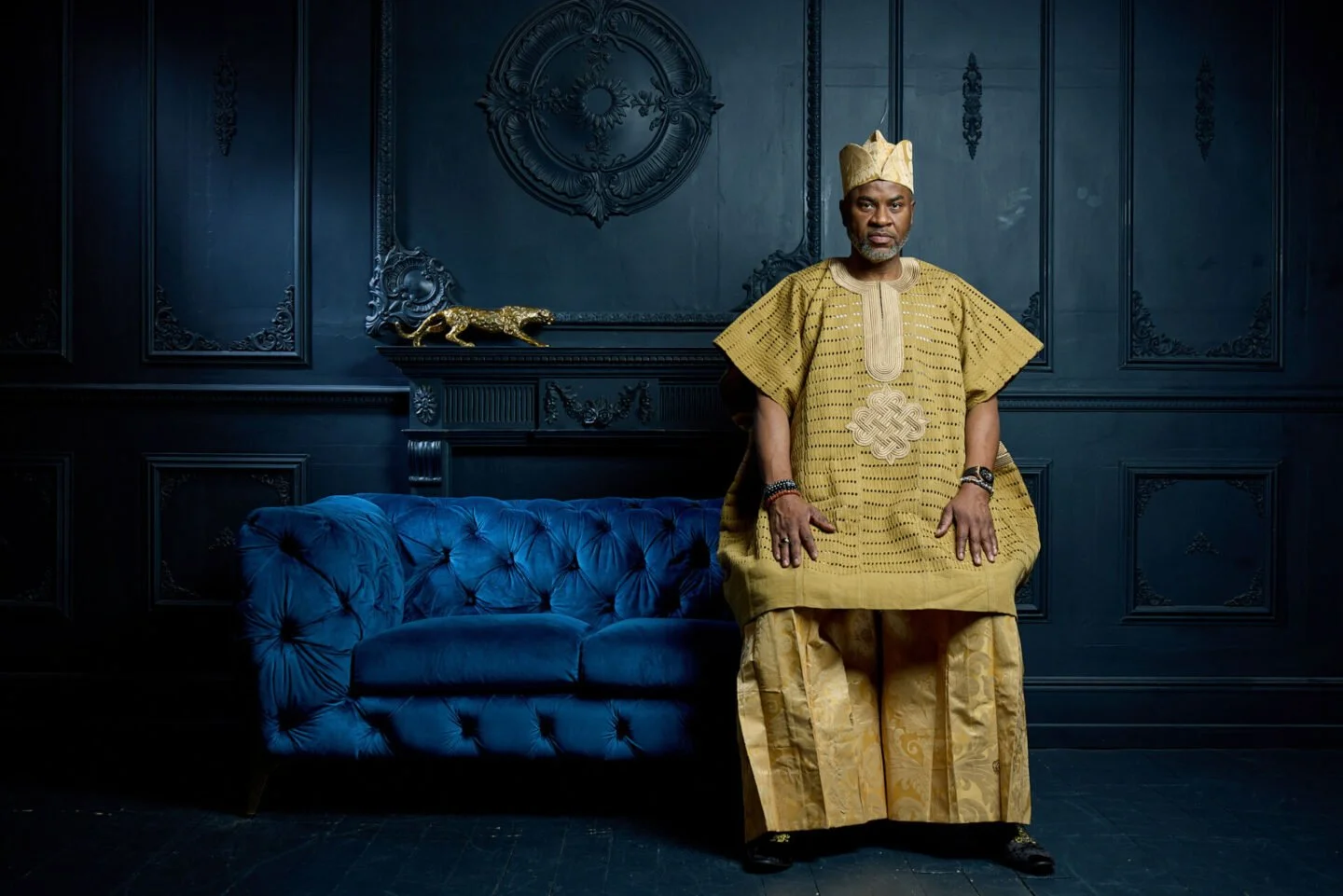
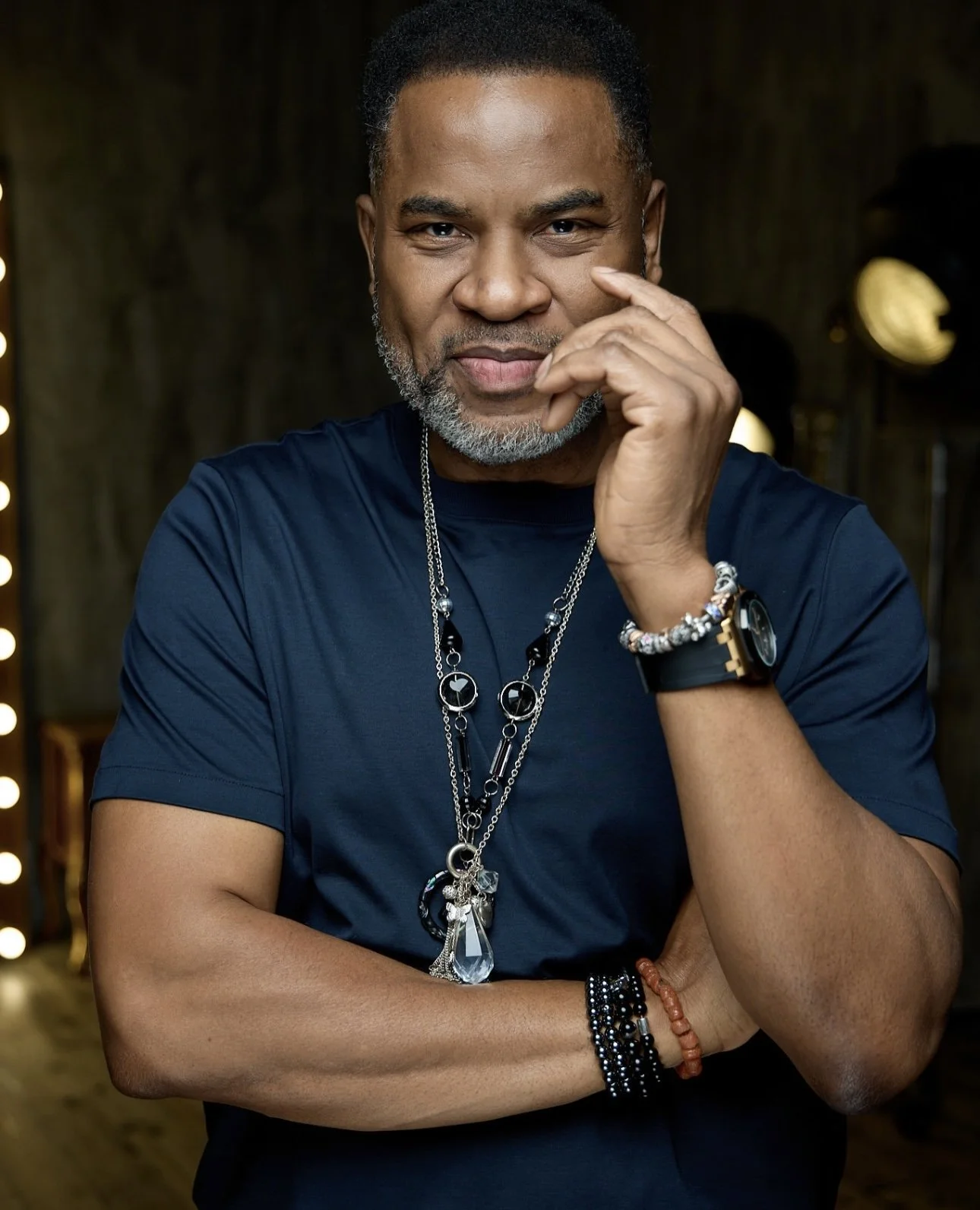
Pictured: Owobo Ogunde
In 1992, he made a pivotal decision by stepping away from acting to pursue formal education as a means of expanding his world view. He relocated to London (UK), earning his Computing degree from Brunel University and built a successful career in technology. He then further advanced to consulting programme director within the financial services industry.
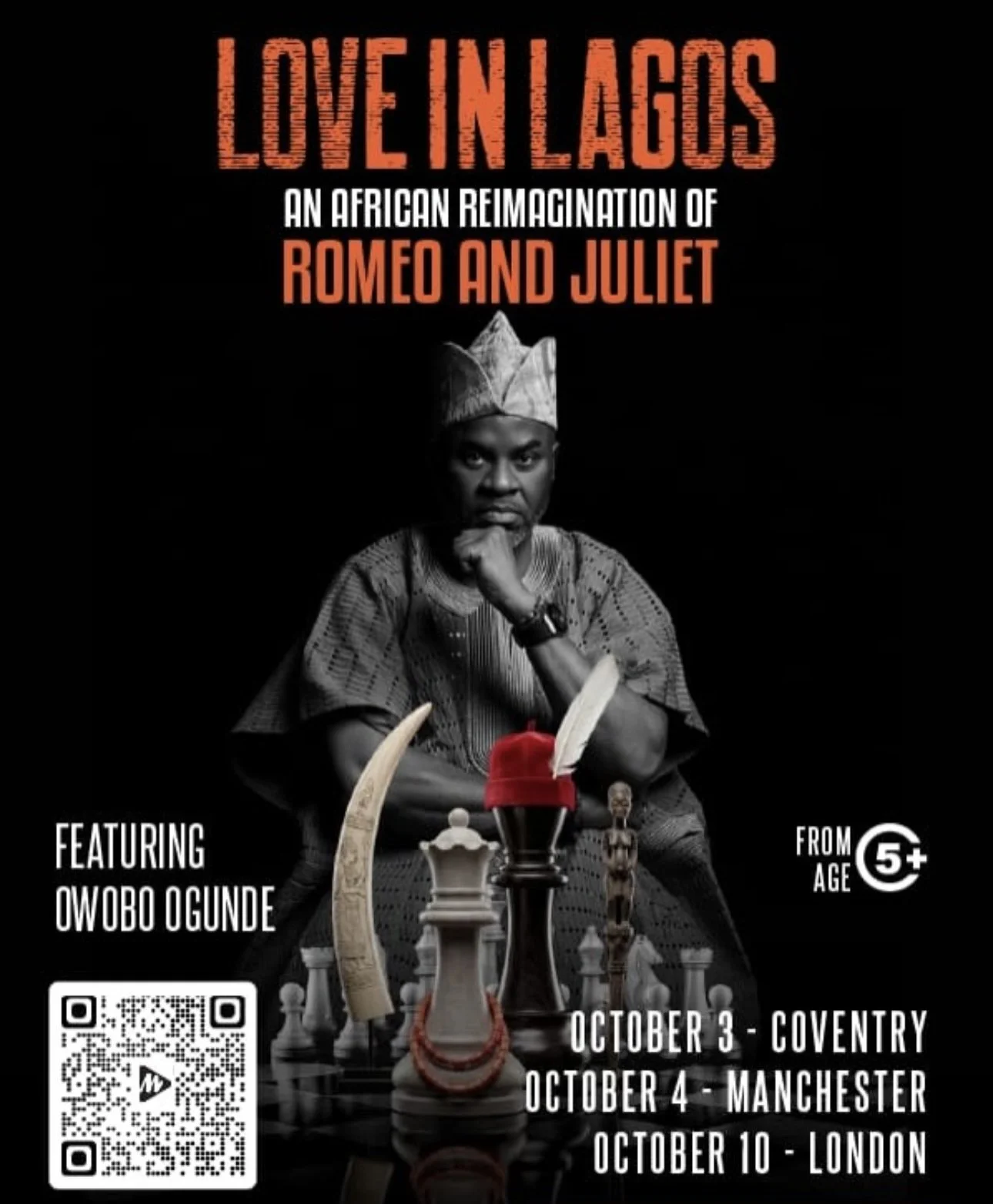
Fast forward to present day… In October 2026, Owobo will be making a return to his theatrical roots, by joining the star-studded cast of “Love In Lagos” including Uzor Arukwe, Bisola Aiyeola and Ruke Amata. Set in 1960s Lagos, Love in Lagos gives Shakespeare’s timeless story of forbidden love an unmistakably African heartbeat. The production will blend African storytelling, live music, fashion, dance and culture to create a vibrant theatrical experience exploring love, family loyalty and conflict. This highly anticipated performance will provide a unique experience and opportunity for audiences to see a veteran demonstrate the true meaning of “abinibi yato si ability”.
In the lead up to his UK performances, I recently spoke with Owobo to discuss and reflect on his multi-decade career, the evolution of the industry, the significance of theatre in his life, propelling his family name forward, his messages to the diaspora, the importance of ownership (i.e. Intellectual Property), the future of African acting/storytelling, words of wisdom to aspiring actors/artists, and much more…
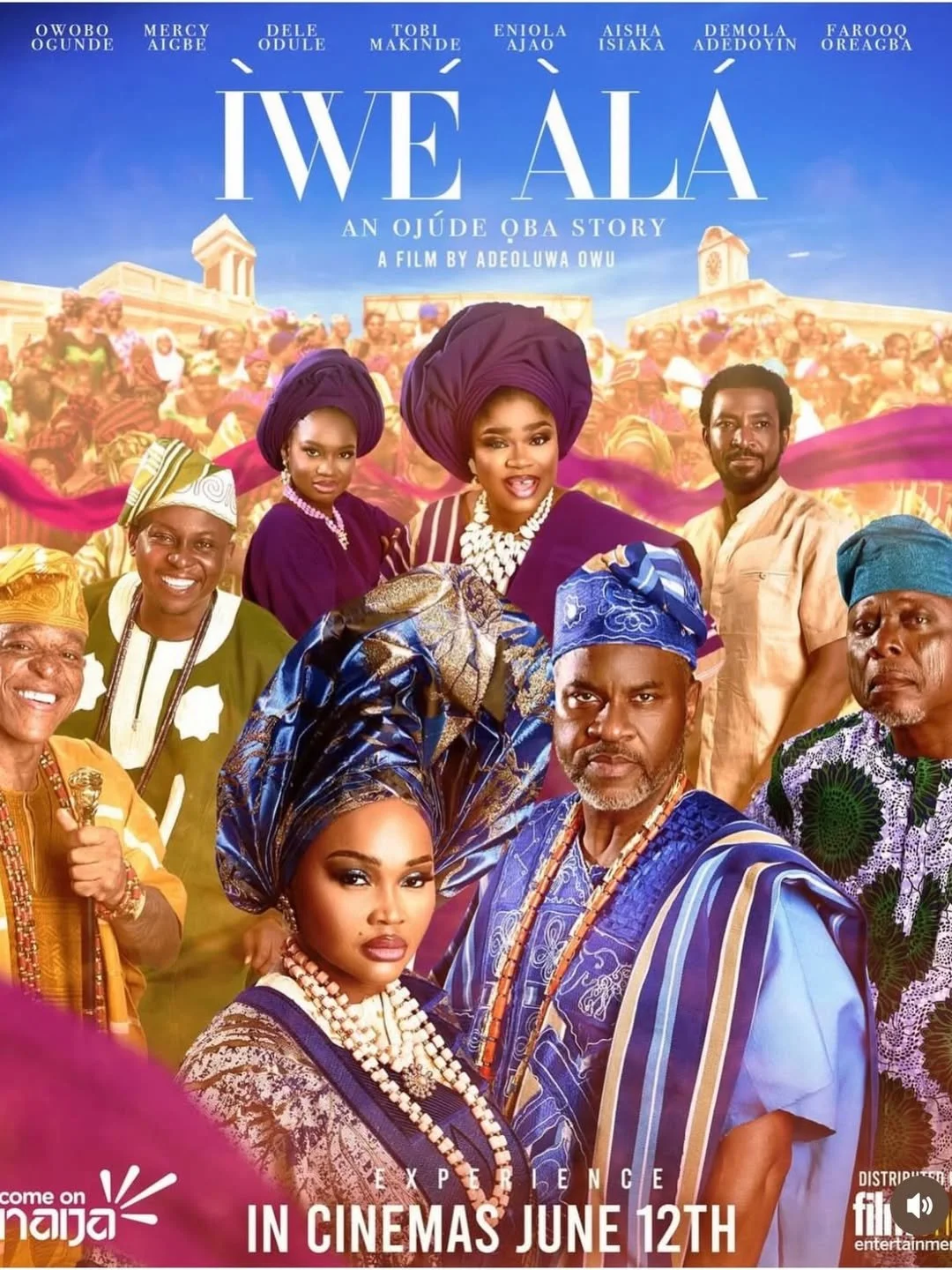
***
We are very excited to witness you partake in Love In Lagos: an Afrocentric reimagining of the Shakespearean classic Romeo & Juliet. In years to come, what do you think the significance/legacy of this production will be, and why did you feel compelled to lend your talents to this highly anticipated production?
For me, Love in Lagos represents something much bigger than simply returning to the stage. I have spent virtually my entire life in and around theatre. I was born into it. I grew up watching my father, Chief Hubert Ogunde, and the entire Ogunde theatre create theatre as a complete art form — acting, music, dance, movement, storytelling, costume, spectacle, discipline and, importantly, a relationship with the audience. So when I look at Love in Lagos, I don't just see another stage production. I see an opportunity to participate in the continuing evolution of African theatre.
Pictured: Owobo Ogunde
What makes this particularly interesting to me is the idea of taking a story that is universally recognised and looking at it through an African lens. Shakespeare wrote Romeo and Juliet centuries ago, but the fundamental human questions in that story — love, family, loyalty, pride, social expectations, conflict, identity and the consequences of decisions — are not European problems. They are human problems. So there is nothing strange about taking that story and asking, "What does this look like in Lagos? What does this sound like? What does it feel like when these characters are people from our world?" That is where the production becomes interesting.
I think African artists should be able to take material from the global canon and reinterpret it without apologising for who we are. And perhaps that is one of the reasons I felt compelled to be involved. There is also something deeply personal about returning to theatre after more than three decades. My last stage work was with the National Theatre/National Troupe period before I left Nigeria in 1992. I have subsequently spent decades living, working and developing myself outside the performing arts. So coming back to the stage now is not simply "Owobo the actor returning." It is a part of my life coming full circle.
What lessons learned will you take moving forward from your experience of working with the cast/team of Love in Lagos?
The biggest lesson for me has actually been a reaffirmation of something I learned as a young performer: theatre is an ensemble art. You can have one extraordinary actor, but theatre doesn't work because of one person. It works when everybody understands that they are part of one organism. That is something I learned very early in the Ogunde company.
When I was growing up, I wasn't introduced to theatre by being handed a script and told, "Go and memorise your lines." My training started much further down the chain. I started with the agogo, the gong. Then the omele drum, then rhythm, then choreography, then the other elements of performance. Acting came later. That was the philosophy of the environment I grew up in: you were being trained as an artist, not simply as somebody who could deliver dialogue.
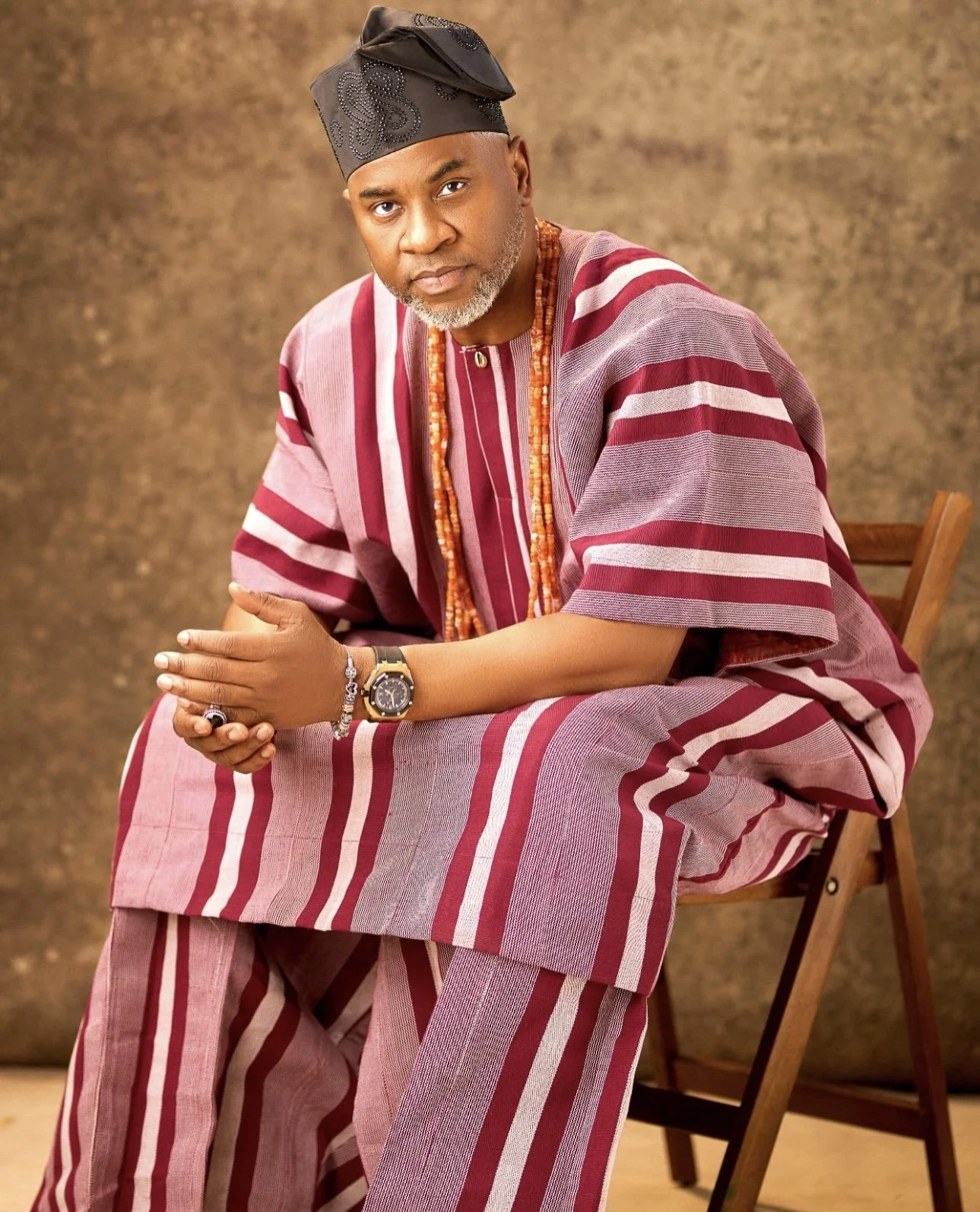
Pictured: Owobo Ogunde
I've also learned that the Nigerian creative industry is changing, and there is a tremendous amount of young talent coming through. But what we must never lose in our pursuit of modernity is the discipline that built the foundations of the industry. But the fundamental requirement remains the same: you must be able to tell the story truthfully.
Sharing the rehearsal space and stage with powerhouse talents like Uzor Arukwe, Bisola Aiyeola, Ruke Amata, and the rest of this brilliant ensemble has been an absolute joy. You are looking into the eyes of actors who bring incredible screen and stage presence, and we are feeding off each other's live energy in real-time. What I take forward is a renewed reverence for the ensemble. When you blend veteran stage craft with modern screen technique and fresh, vibrant energy, you create magic that cannot be replicated.
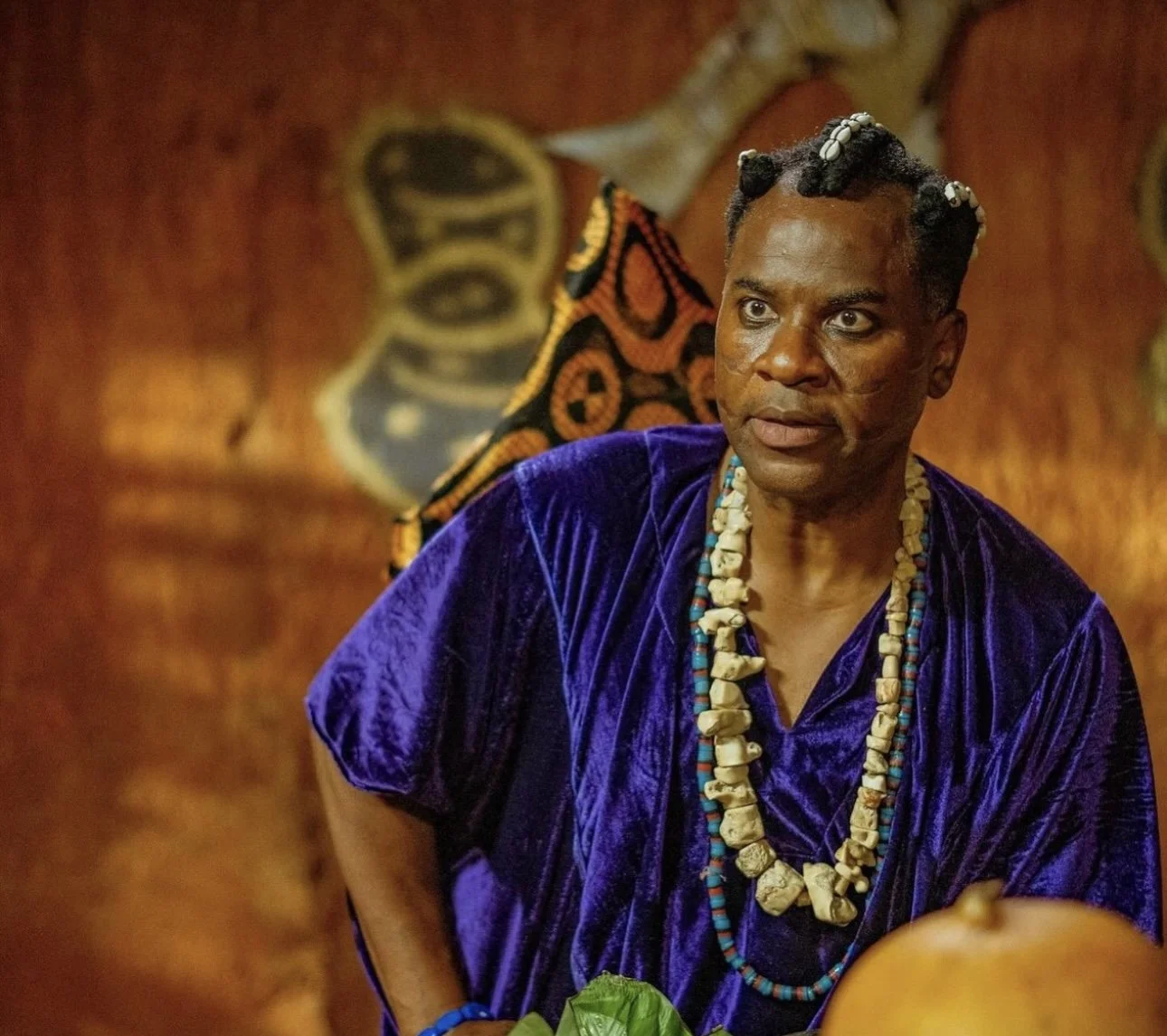
Pictured: Owobo Ogunde
It's no secret that there are few entry points into the worlds of acting and theatre. As someone who has enjoyed a multi-decade career within these extremely competitive worlds, what advice do you have for up-and-coming talent/those chasing their "big break"?
I would tell young artists to stop obsessing about the "big break." The big break is a moment. A career is a lifetime. Those are two completely different things. I was fortunate because I didn't enter the industry looking for fame. I entered it because it was the environment in which I was raised. I was trained in it from childhood. I understood very early that performance is a discipline. And one of the biggest things I would tell young performers today is: develop the person before you develop the profile. Don't make social media your acting school. Don't confuse visibility with ability. Don't confuse followers with an audience. And don't confuse being famous with being good. I would also tell young people not to become obsessed with being discovered. Become undeniable.
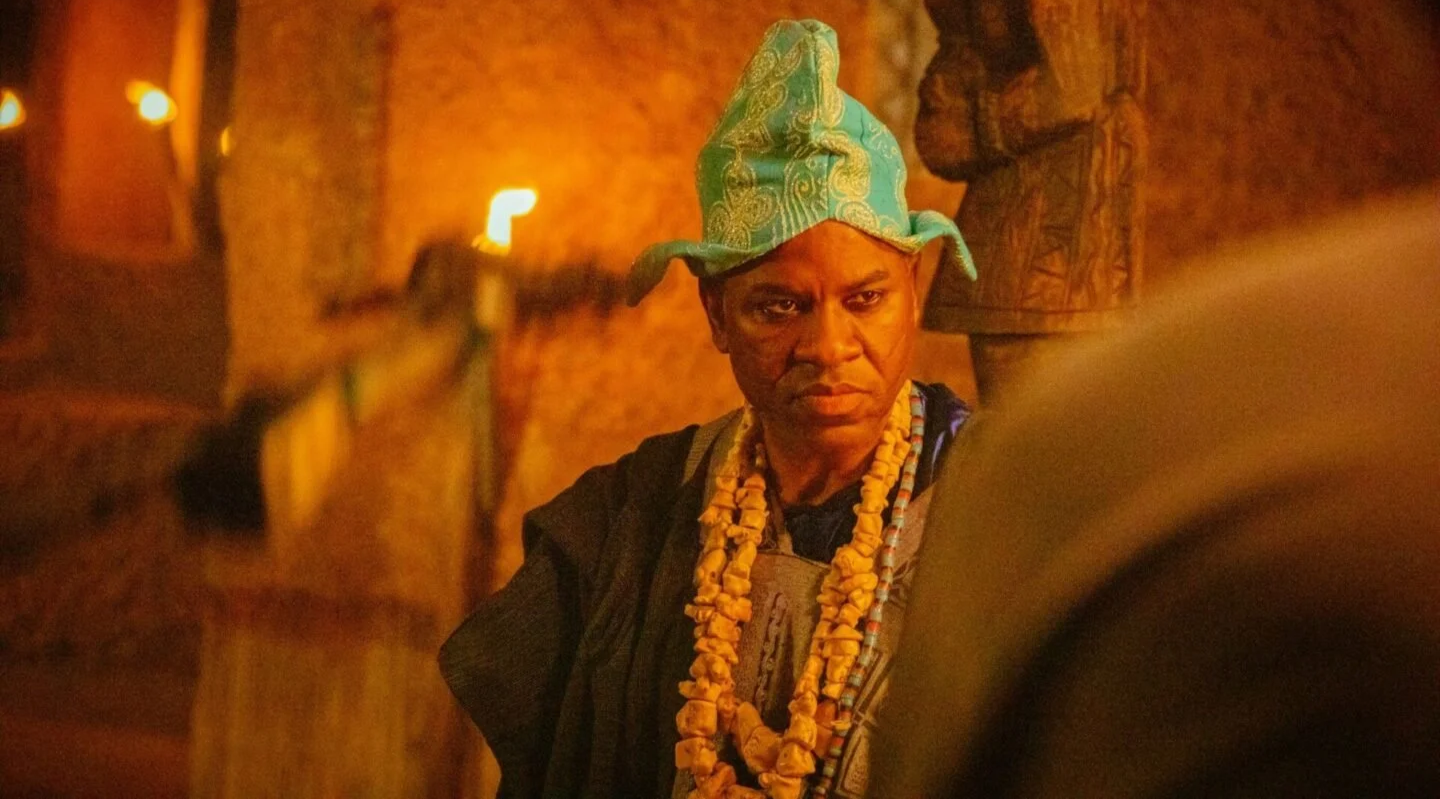
Pictured: Owobo Ogunde
So I would also tell young people: don't panic if your journey doesn't look like everybody else's journey. I came back with life experience, professional experience, international exposure, discipline, maturity and a much broader understanding of people.
Having sustained a successful career in both Western and African media/entertainment realms, what is your view on how those in the diaspora who wish to get involved in acting/theatre back home in Nigeria/the African landscape can do so?
I think the diaspora has an enormous role to play in the next chapter of African entertainment. But I would make one distinction: don't come back simply because you think Africa is the next "market." Come back because you have something to contribute. There is a huge difference. Africa does not need people coming back with the attitude that they are going to "save" the industry. The continent already has extraordinary artists, producers, directors, writers, technicians and entrepreneurs. What the diaspora can bring is additional experience, networks, financing structures, technology, international relationships, production expertise and access to audiences. But the relationship has to be collaborative.
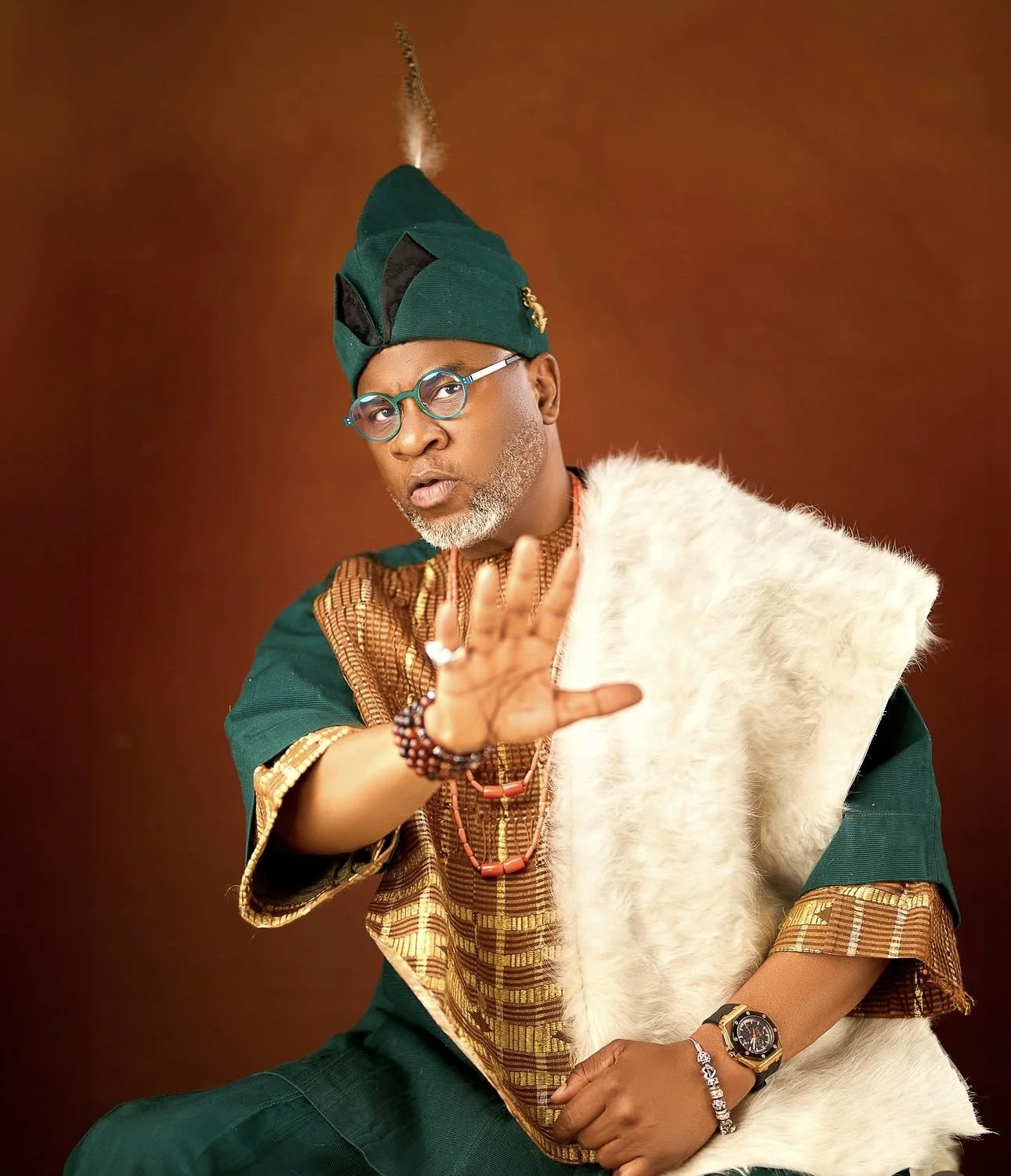
Pictured: Owobo Ogunde
I left Nigeria and spent many years in Britain. I developed professionally in a completely different environment. But I never stopped being Nigerian, and I never stopped carrying the cultural foundation I had received growing up. So when you come back, you should not come back pretending you know everything. Understand how the industry has evolved since you left. Find the people doing interesting work. Collaborate with them. And don't limit yourself to acting.
The African creative economy is much bigger than acting. There is theatre, film, television, streaming, music, fashion, publishing, gaming, animation, cultural tourism, intellectual property, education, festivals and technology. There are enormous opportunities at the intersection of those areas. And there is something else I think the diaspora needs to understand: Africa is not merely a source of stories. Africa is a source of intellectual property.
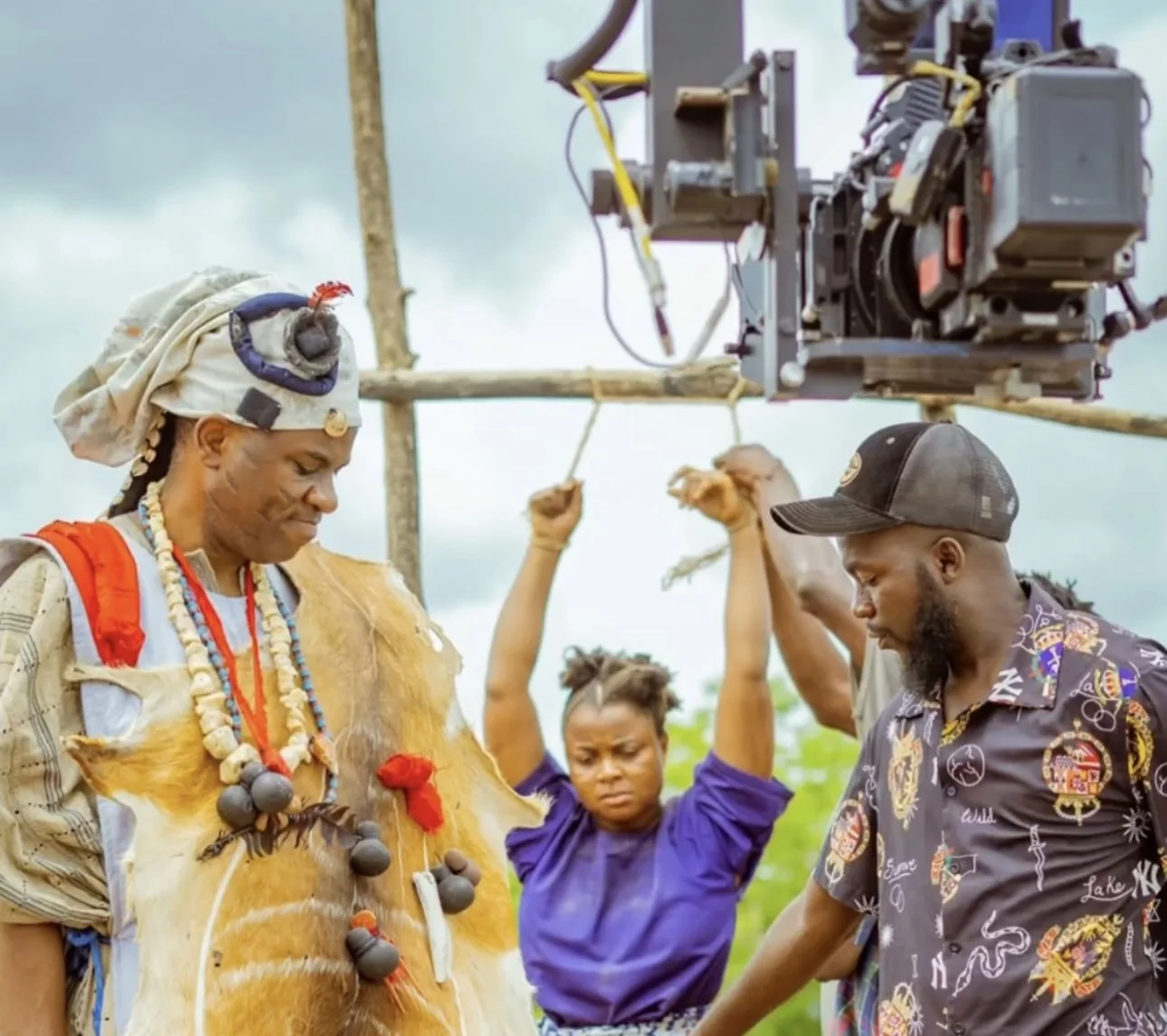
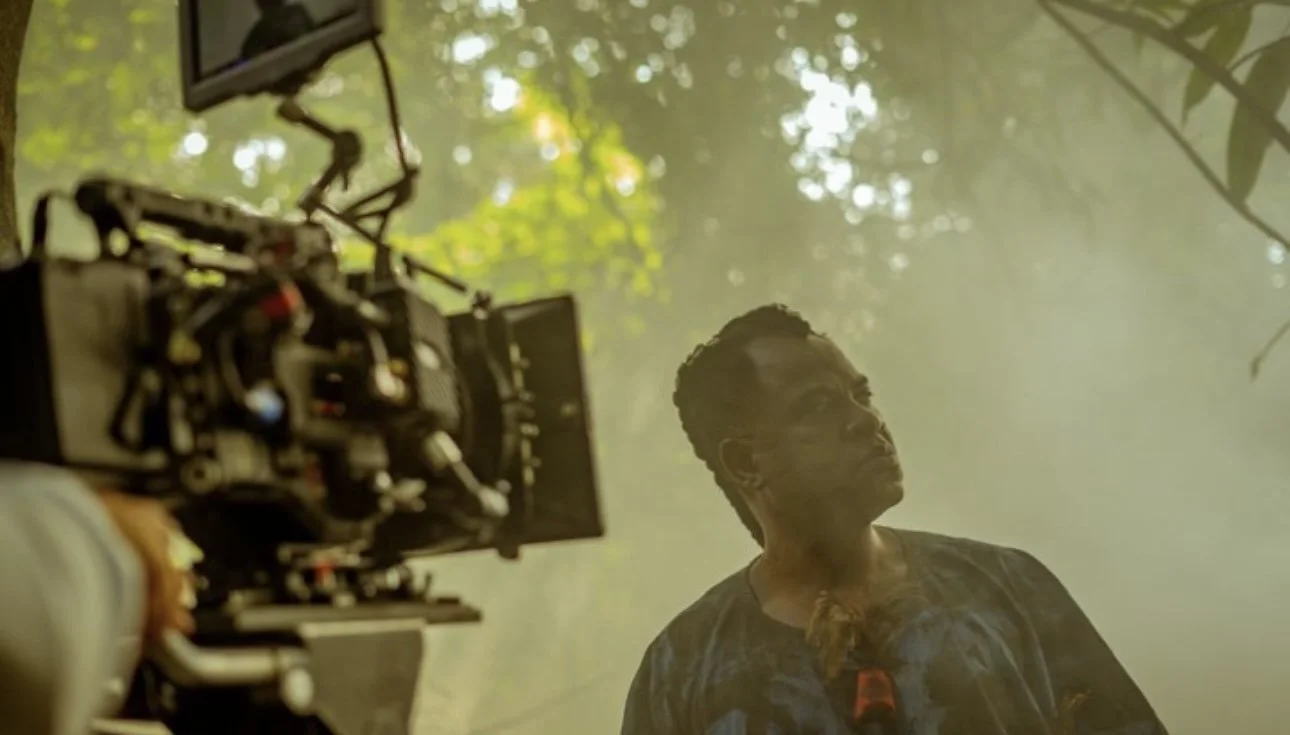
On set for Aníkúlápó
A recent significant career milestone was your featuring in the Netflix epic Aníkúlápó: Rise of the Spectre. Can you give us the scoop on what this achievement meant to you, and also some exclusive insights on what it was like being involved in this project?
My father, Hubert Ogunde, had a relationship with Kunle Afolayan's father, Adeyemi Afolayan (a.k.a. Ade Love). I knew Kunle’s dad very well from my childhood. He used to come to our home, and he was one of the people who encouraged my father to enter filmmaking. I actually appeared in my father's Ayanmo (Destiny), which was made within that earlier generation. So when Kunle and I came together on Aníkúlápó, there was a very powerful sense that something had come full circle.
I wasn't simply joining another production. I was continuing a relationship that had existed before I was even thinking about the significance of it. The secret of acting, for me, is not really "acting." It is immersion. You have to understand who this person is. What does he want? What is he afraid of? What is driving him? What does he believe about himself? And then you have to inhabit that world. Working with Kunle, Sola Sobowale, Ogogo and the rest of that extraordinary cast was a reminder that Nigerian talent is immense.
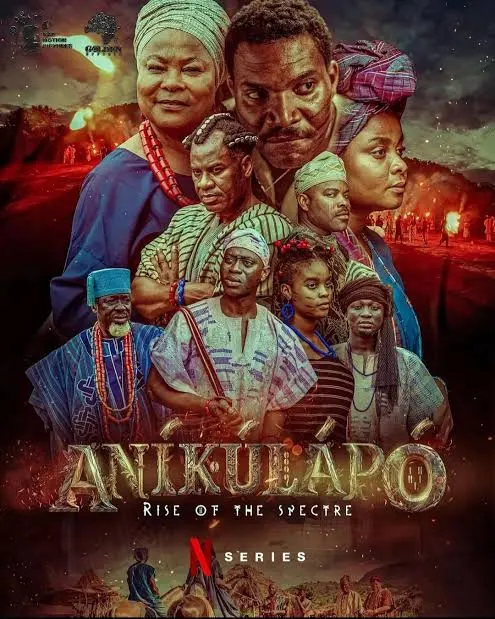
Pictured: Owobo Ogunde
You stand on the shoulders of a renowned family legacy, being the son of the late Chief Hubert Adedeji Ogunde, a pioneer of Nigerian theatre and film. How have you taken strides to carve your own identity whilst carrying the family name forward?
This is probably one of the most interesting questions you can ask me because the obvious answer is that I was born with the Ogunde name. But a name is not an achievement. You inherit a name. You have to earn what you do with it. I was fortunate — and sometimes I would say unfortunate — to grow up in an environment where the standard was extraordinarily high. My father wasn't simply an actor. He was a playwright, composer, musician, choreographer, producer, director, theatre entrepreneur and filmmaker. He founded the African Music Research Party in 1945, which is widely recognised as Nigeria's first contemporary professional theatre company, and went on to build a theatrical tradition that combined music, dance, drama and commentary on society.
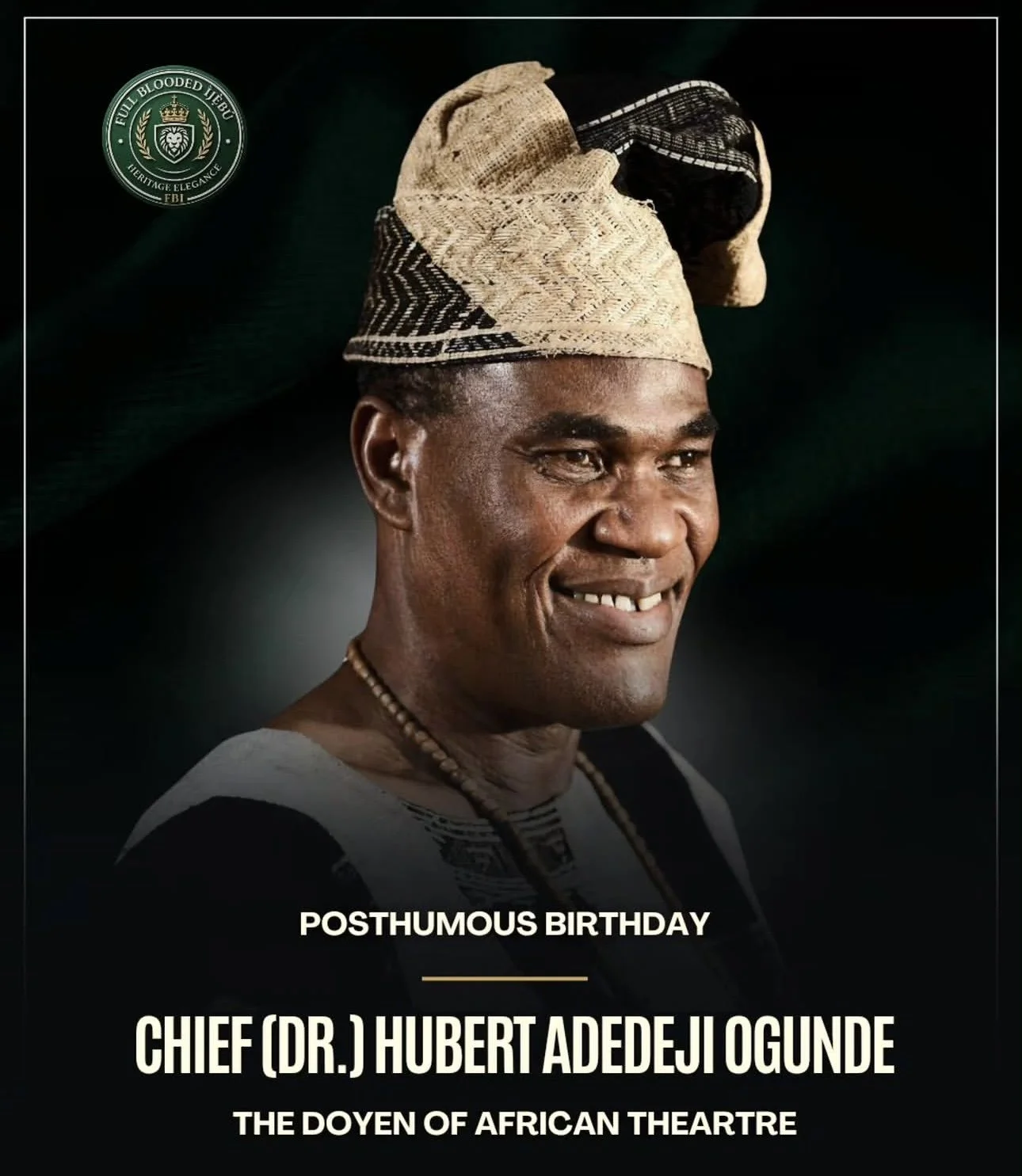
So I have never had the luxury of thinking of the Ogunde name simply as a surname. It is a responsibility. But responsibility does not mean imitation. I don't want to become a second Hubert Ogunde. There was already a Hubert Ogunde. There will never be another one. My responsibility is to be the best version of Owobo Ogunde that I can possibly be. That is how I understand legacy.
I didn't spend my entire life trying to prove that I was my father's son. I went away and built another identity. I lived abroad. I trained. I worked in technology. I developed professionally outside entertainment. I experienced another culture. I learned different systems of discipline and leadership. I became a different person. So when I returned to performance, I wasn't returning as "Hubert Ogunde's little boy." I was returning as Owobo. But I carry my father's DNA — artistically, culturally and philosophically. And that is the distinction. A legacy that cannot evolve becomes history. A living legacy evolves.
Do you feel Nollywood and Nigerian theatre is keeping up with fast-evolving technology and industry developments to remain current? Generally, what can we as Africans in the industry do to ensure we do not fall behind?
I think the answer is both yes and no. There is an enormous amount of innovation happening in African entertainment. Nollywood has demonstrated extraordinary adaptability. We've moved through celluloid, video, digital cinema, television, streaming and now increasingly into virtual production, AI-assisted workflows, digital distribution and global platforms. But technology itself is not the issue. The real question is whether we are using technology strategically. Because technology doesn't automatically create great storytelling. You can give somebody the most sophisticated camera in the world and they can still make a terrible film. Give another person a phone and they can tell a story that moves millions of people. So the foundation remains storytelling.
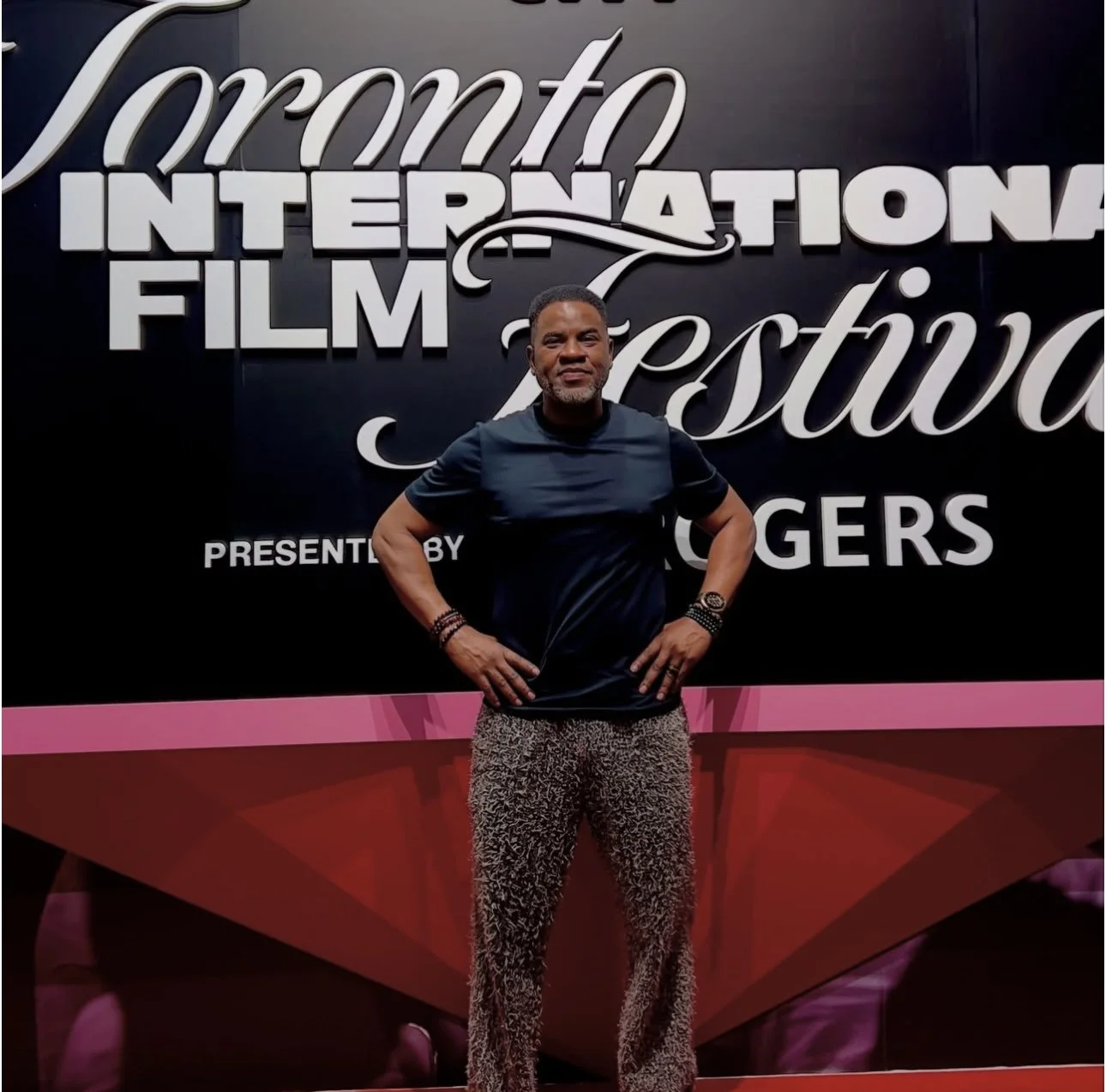
Pictured: Owobo Ogunde
Where I think we need to become much stronger is in building the infrastructure around our creativity. We need stronger institutions. We need better archiving. We need proper preservation of our films. We need stronger intellectual-property protection. We need better contracts. We need to understand data. We need to understand audiences. Ownership is the next frontier. Who owns the story? Who owns the characters? Who owns the underlying rights? Who controls distribution? Who owns the archive?
On set for Aníkúlápó
How do you believe you have been able to withstand the test of time in this rapidly evolving industry where maintaining relevance is an ongoing challenge?
I think the answer is that I never made relevance my primary objective. I made growth my objective. There is a difference. Relevance depends partly on other people's perception of you. Growth is something you can control. I started very young. I grew up in theatre. I performed professionally. I worked with my father's company. I worked with the National Troupe. I trained further. I left Nigeria. I went into technology. I spent more than two decades building a completely different professional life. Then I came back. And somehow, after all those years, I found myself standing in front of a camera again. That tells me something. The artiste was never really gone. The career went away. The artiste didn't. I think one of the greatest advantages I have had is that I have never been frightened of reinvention.
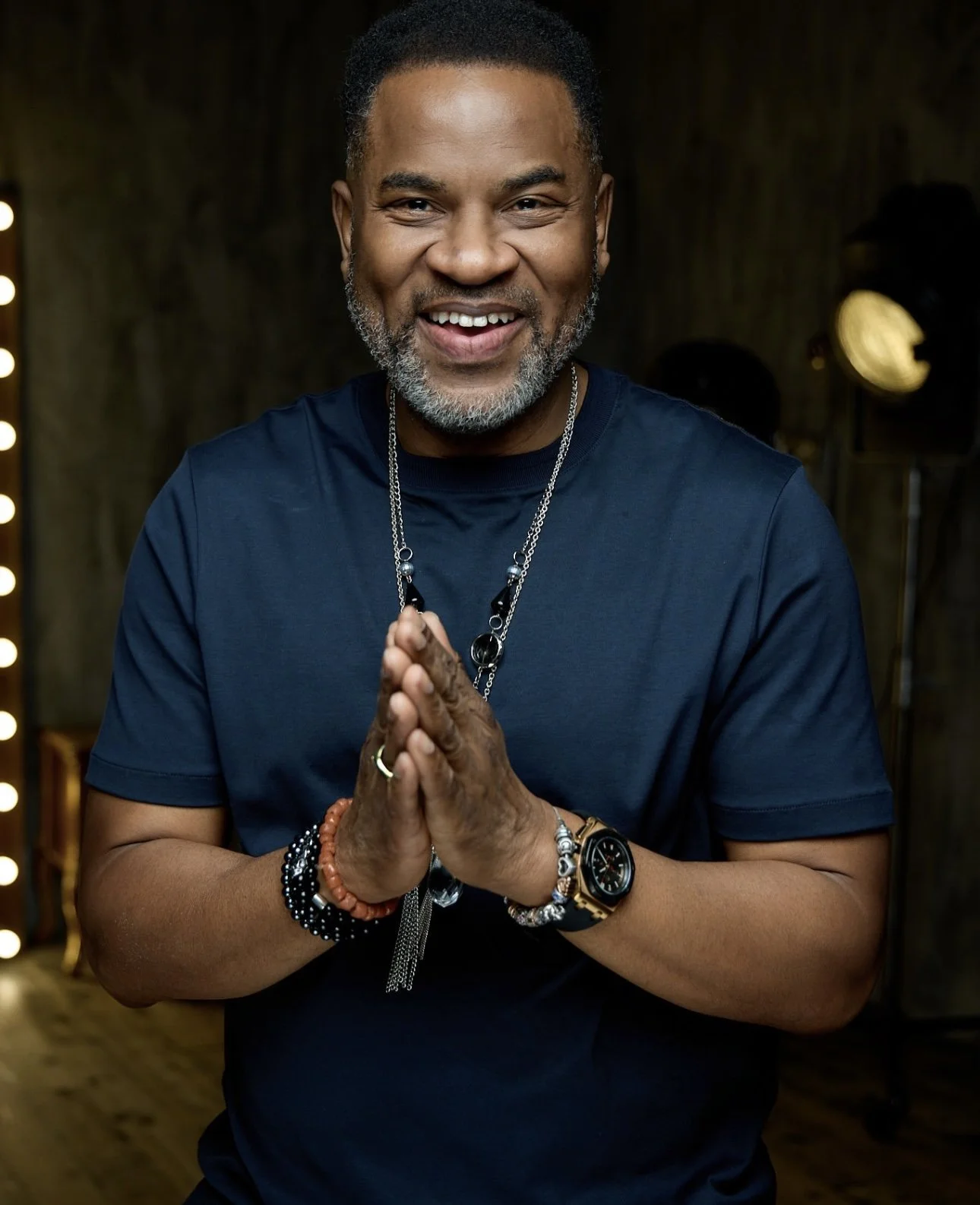
Pictured: Owobo Ogunde
I don't believe an artiste should be trapped by the first thing that made people notice them. If you become successful as an actor, you don't have to spend the rest of your life proving that you are an actor. You can become a writer. A producer. A director etc. The things I learned as a child in my father's theatre didn't disappear when I went into technology. The discipline came with me. The understanding of people came with me. The understanding of performance came with me. The understanding of leadership came with me. The understanding of storytelling came with me.
My years outside entertainment didn't take away from my artistry. They added layers to it. So when I returned, I had more life to draw from. I am not trying to be the young Owobo Ogunde again. I'm interested in being the Owobo Ogunde. Don't spend your life trying to remain the person people first discovered. Keep learning. Keep evolving. Keep your standards high. Stay curious. Respect the craft. The stage is home. And perhaps the most beautiful thing about coming home is that you don't return as the same person who left. You return with stories.
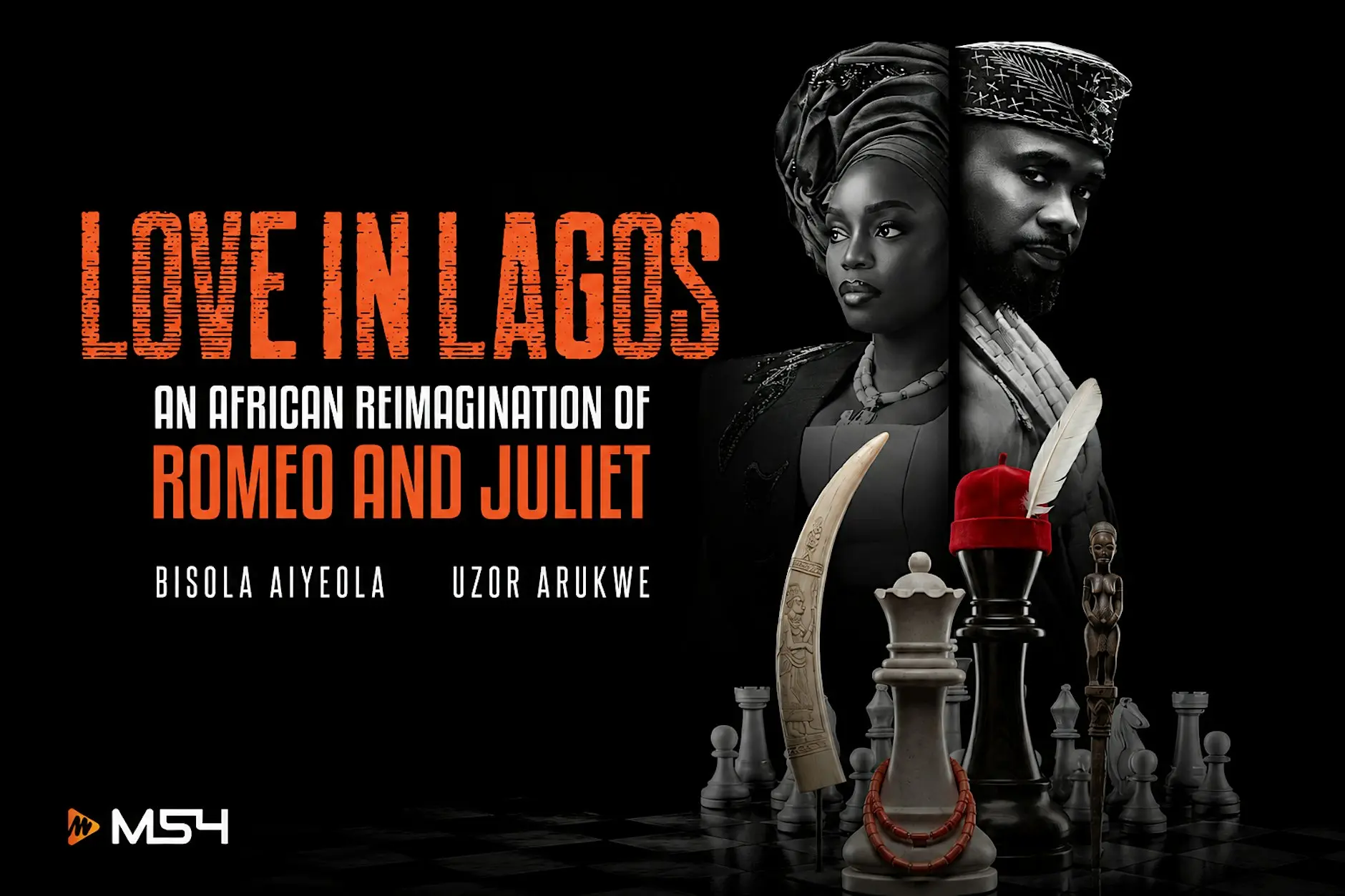
Love In Lagos will play across three UK cities this October: Coventry (03/10/2026), Manchester (04/10/2026) and London (10/10/2026). Be sure to book your tickets now!