West Africa To North America: Nigerian Student Fashion & Design Week Is The Growing Global Launchpad For African Talent!
This article was drafted by Norman Busigu.
Having successfully executed its 9th edition in December 2025 (during the seasonal phenomena that is “Detty December” in Lagos), Nigerian Student Fashion & Design Week (NSFDW) has evolved over the last 13 years into a cultural pillar that represents much more than just a mere runway showcase. Through the ambitious efforts of NSFDW’s founder Abiola Orimolade, NSFDW is recognised as a leading platform that consciously discovers, nurtures, and spotlights the next generation of fashion and creative talents across Nigeria and Africa.
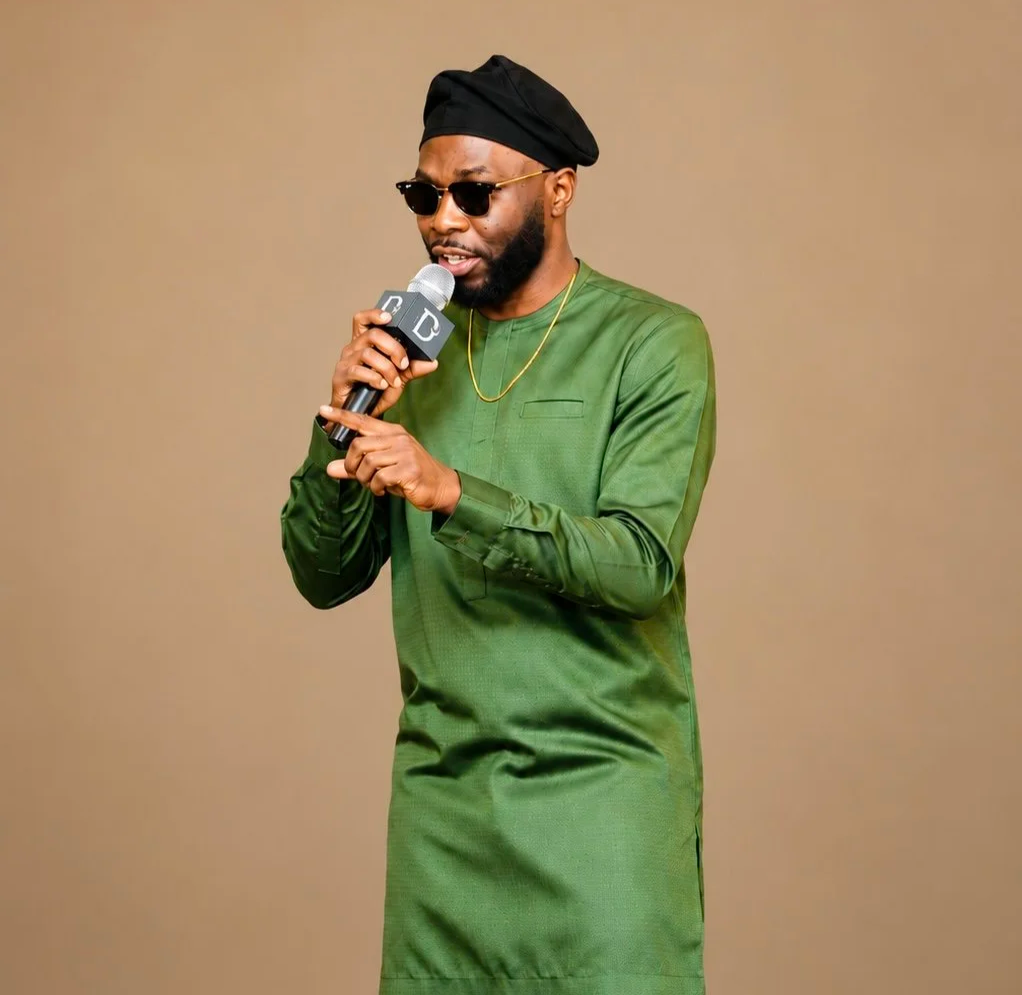
Pictured: NSFDW’s founder Abiola Orimolade
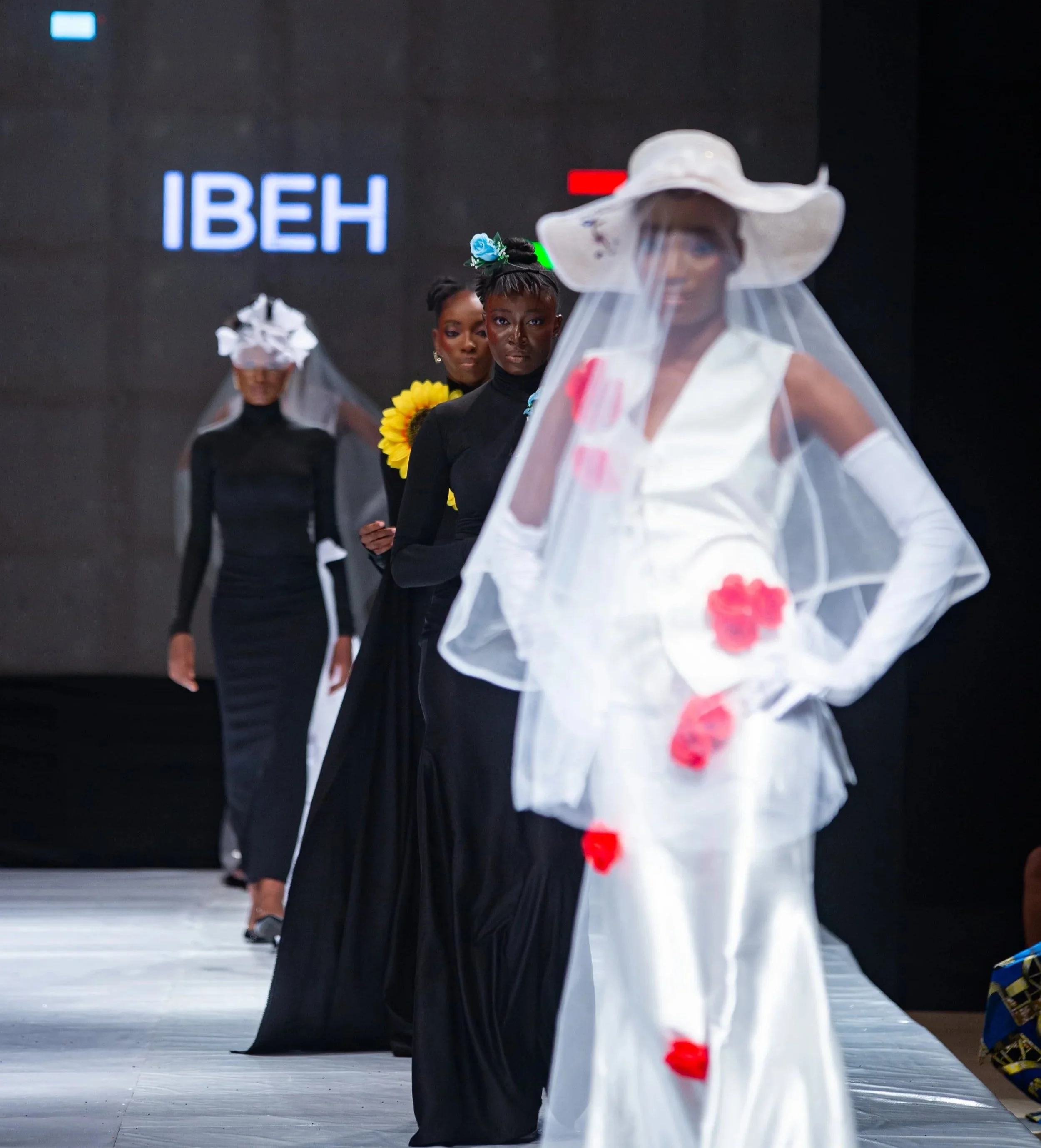
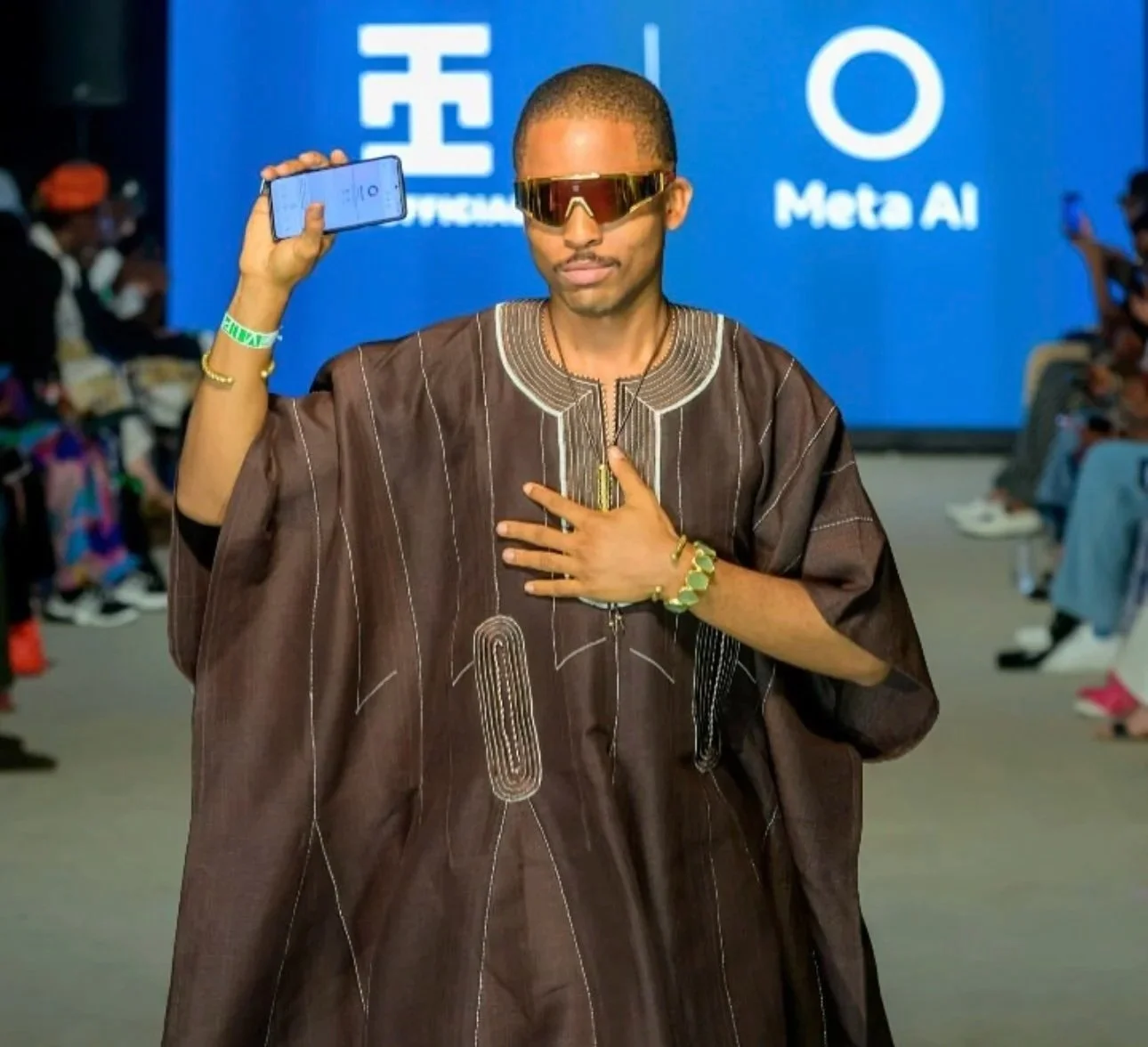
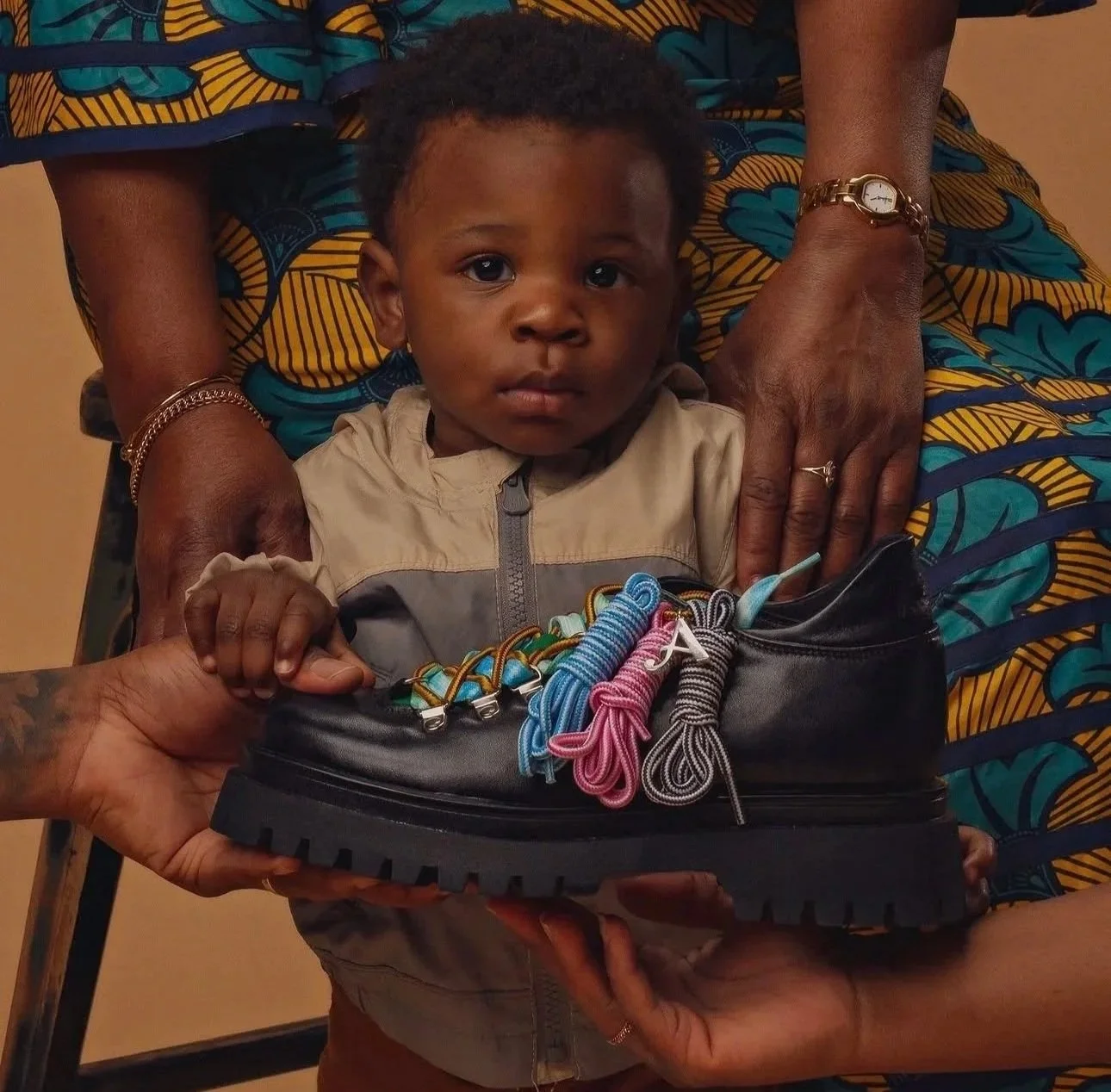
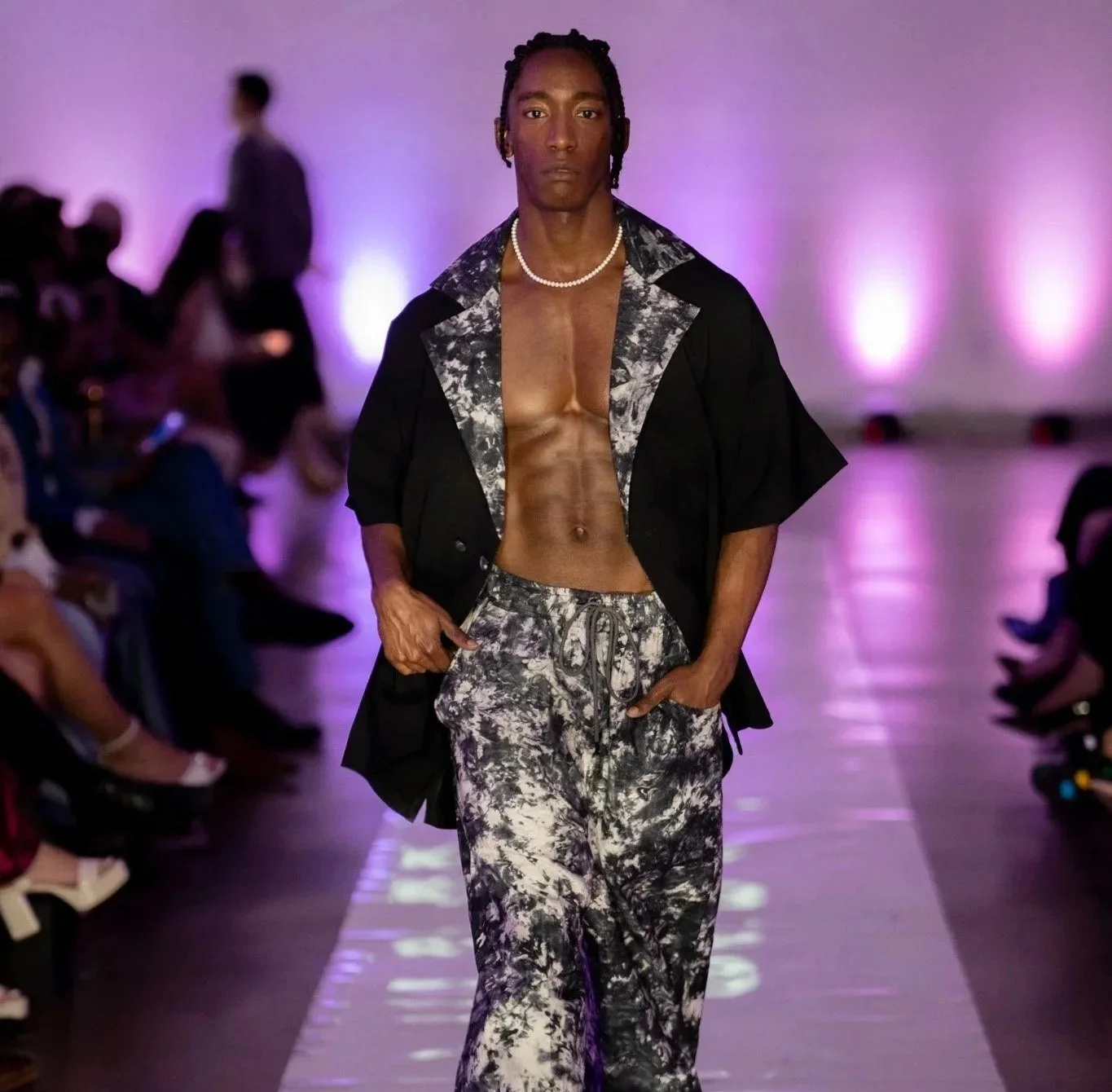
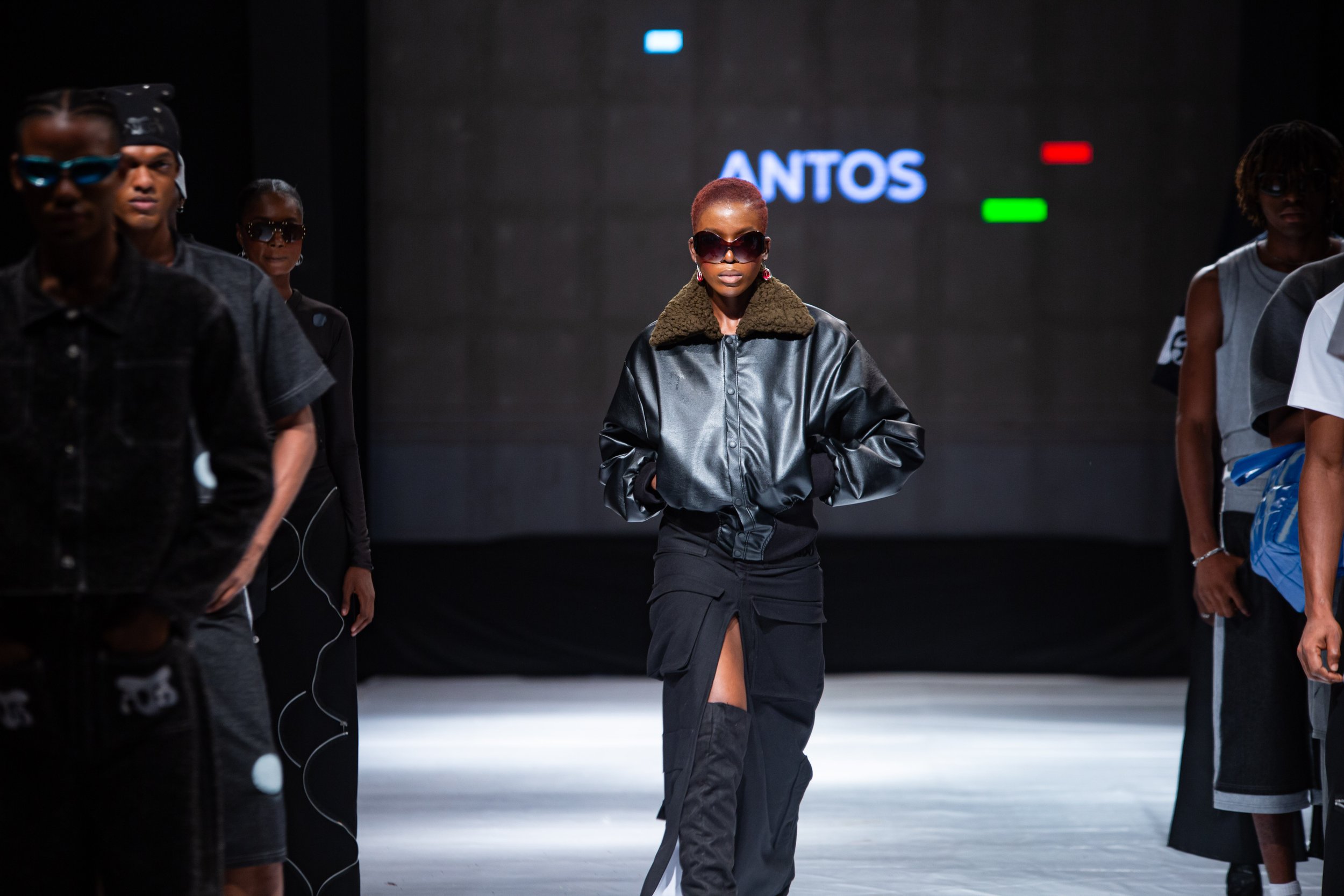
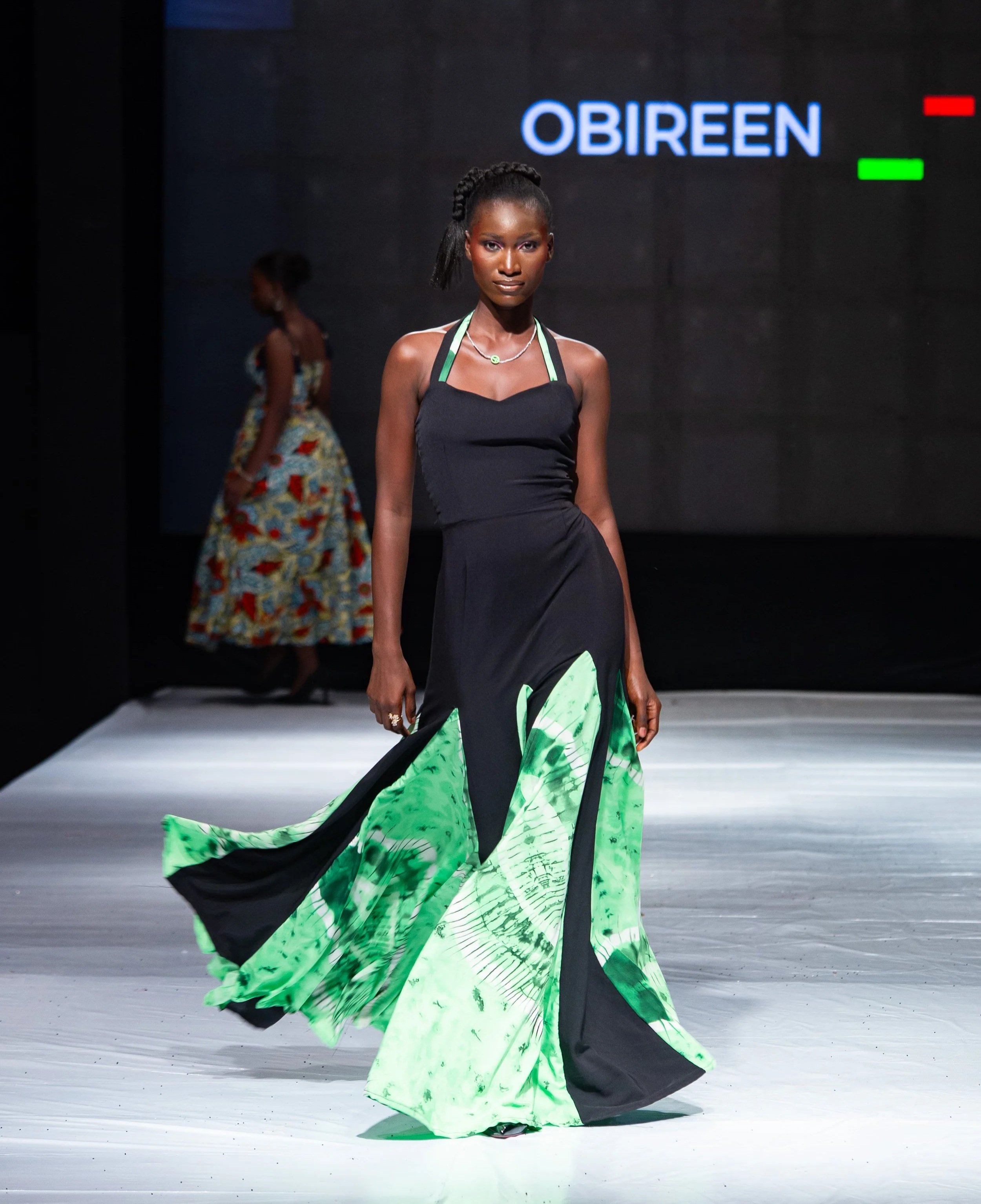
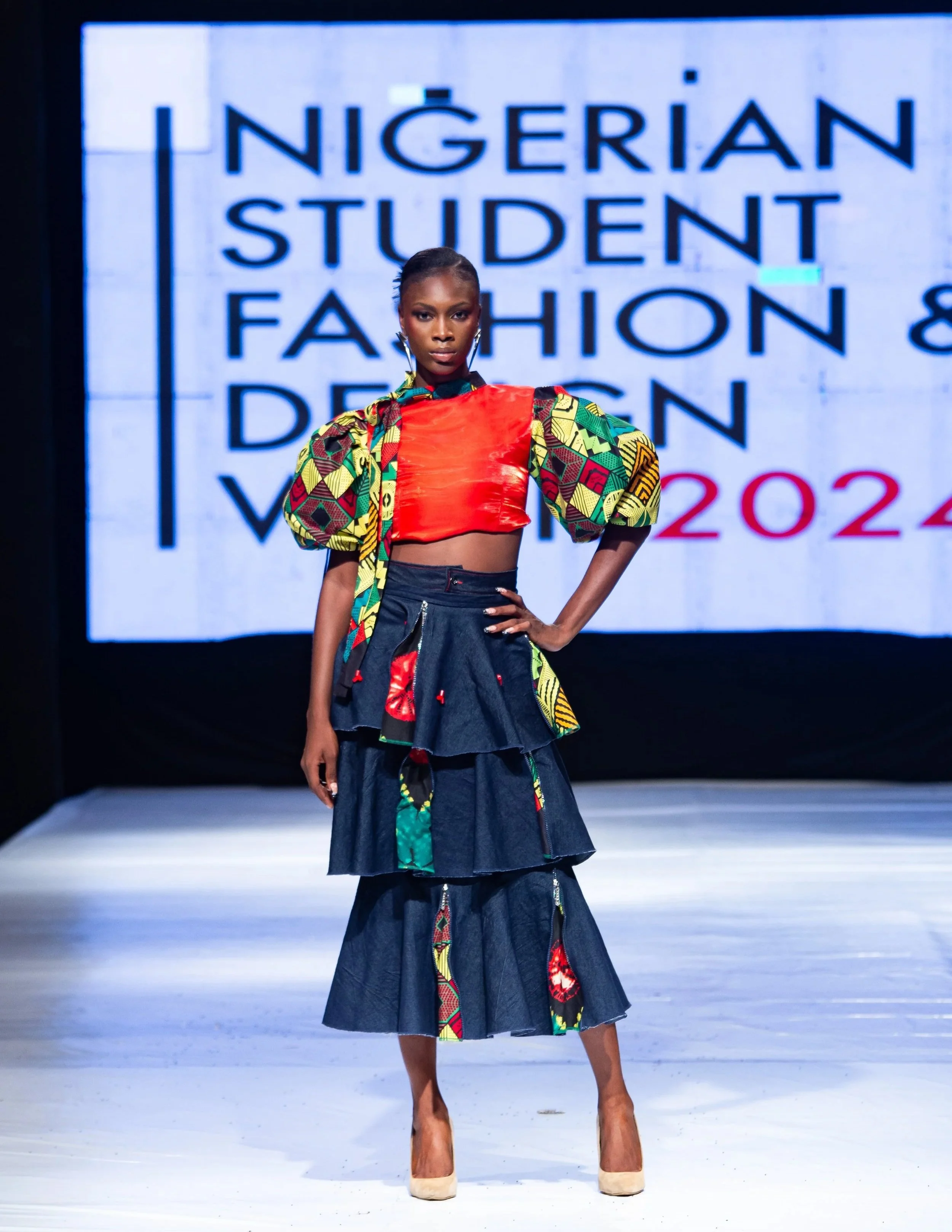
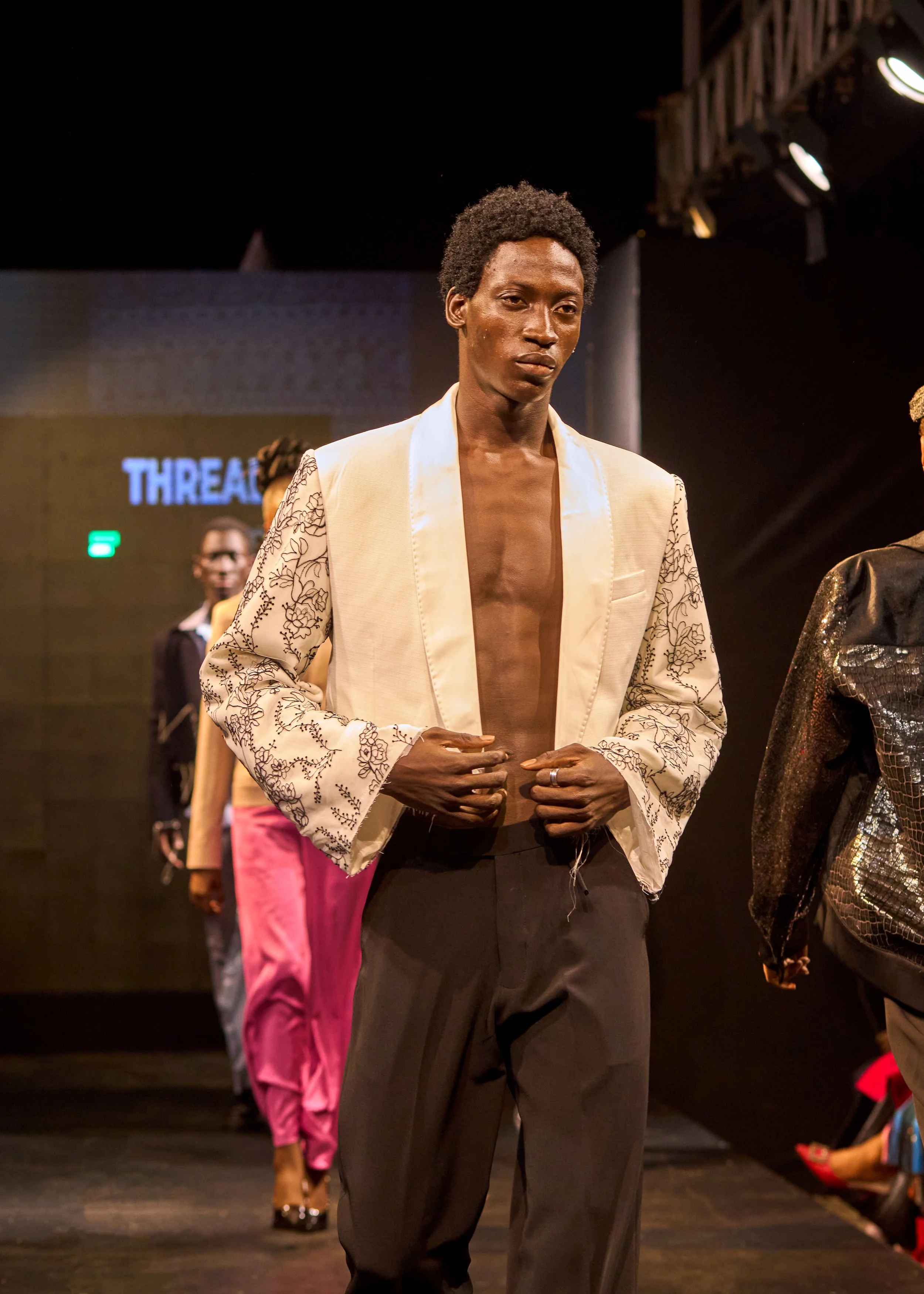
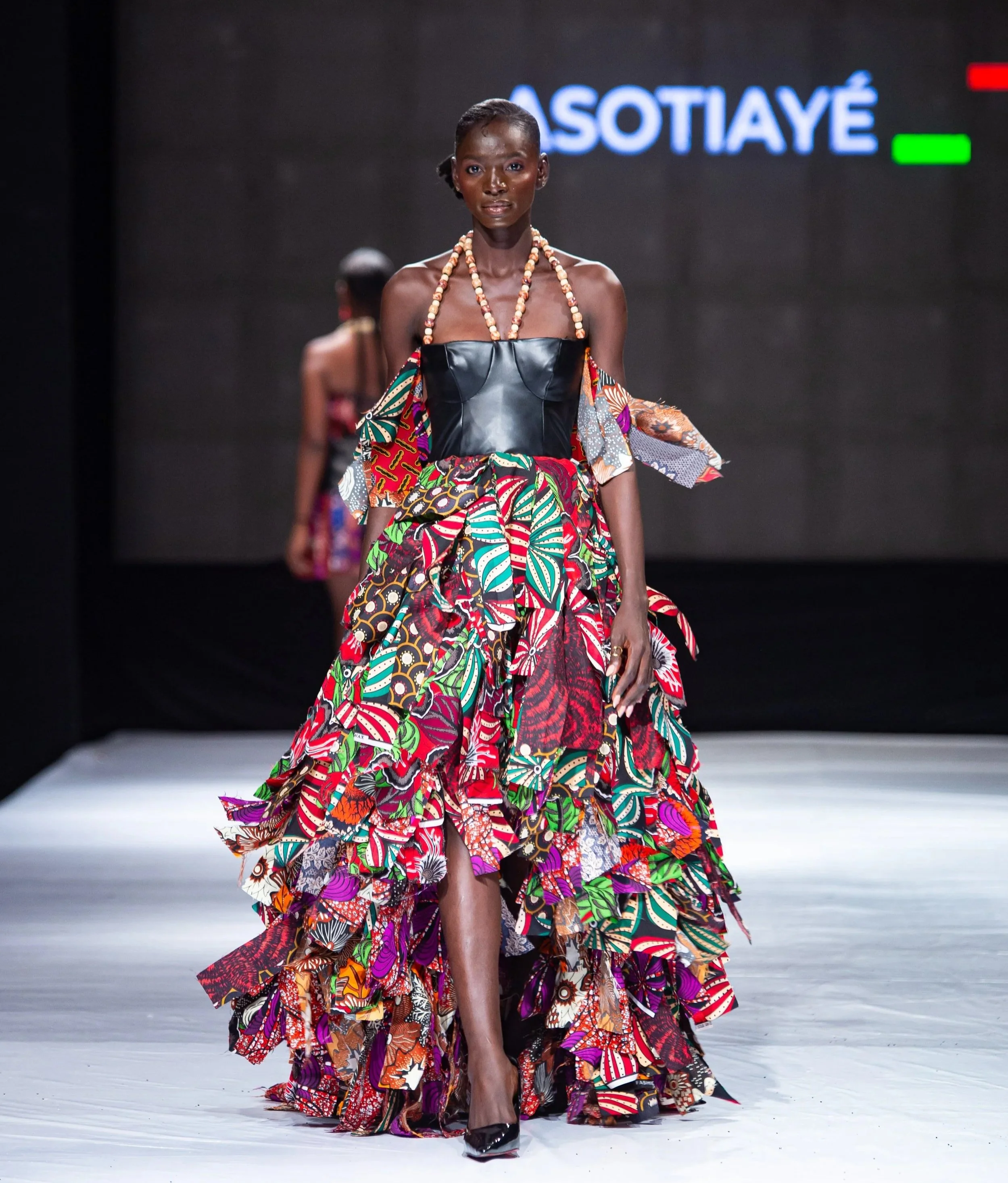
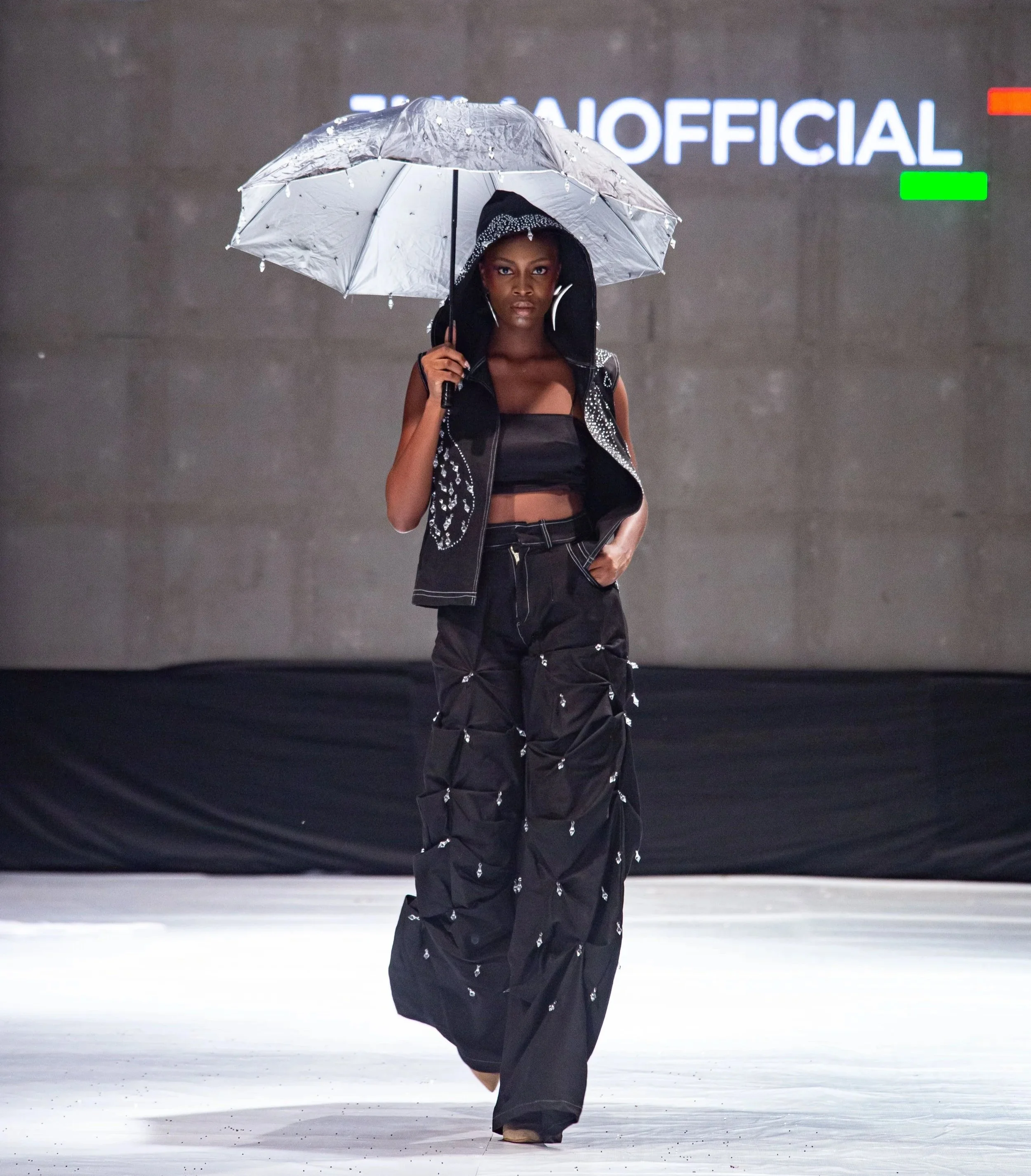
To date, over 300 designers (both emerging and established) have graced the NSFDW runway, and with each collection on display, comes the aesthetic exploration of the evolving identity of contemporary African fashion. With an egalitarian ethos at its core, NSFDW progressively pushes towards its mission of shaping the future of African fashion by harnessing the innovative prowess and entrepreneurism of the next generation. Showcasing a myriad of styles, silhouettes and shapes, NSFDW proudly displays a breadth of collections that span across heritage, couture, contemporary, and experimental streetwear. NSFDW’s networks now reach so far that the likes of Grammy Nominated artist Ayra Starr have been seen sporting a handmade crochet by NSFDW’s alumna, Modhan.
Going a step further, NSFDW is now positioned as a youth empowerment movement that intentionally bridges the gap between raw talent and industry opportunities for agents existing at all points within the fashion eco-system - from designers to the stylists. Indeed, over the years, NSFDW has provided its participants with the tools to help make their brands become sustainable and viable businesses through facilitating a variety of workshops (led by industry experts) including, law, finance and marketing.
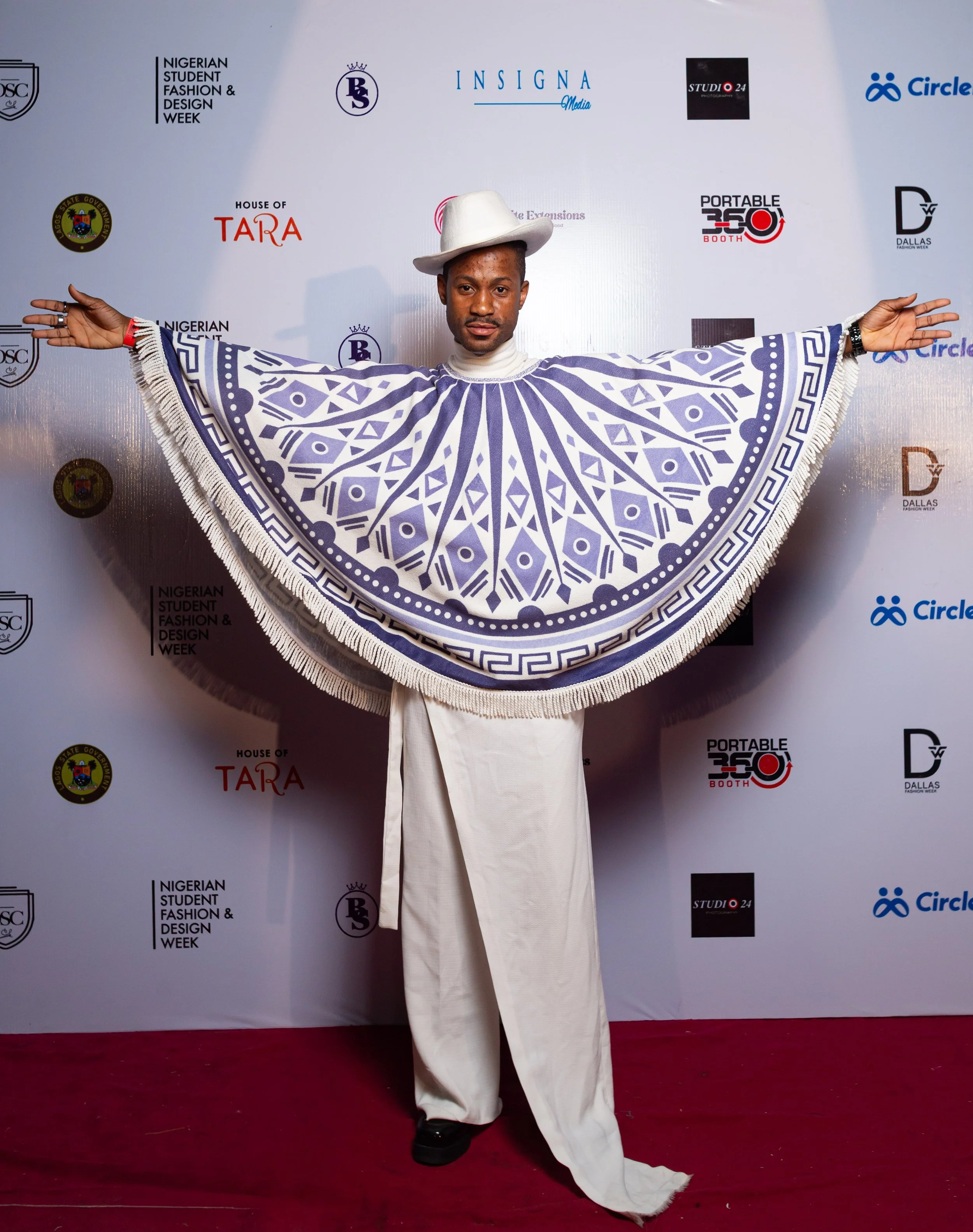
Beyond Lagos and the West African region at large, NSFDW’s multi-dimensional mission to provide global exposure for their talents to international markets, has manifested into a powerful partnership Dallas Fashion Week (Texas), and also collaborative work with Indie Fashion (New York). This has opened a new world of opportunities for winners and alumni of NSFDW alike to debut their collections on an international stage.
I recently interviewed Abiola to gain exclusive insights into his work both on the continent and North America, the origins of NSFDW and sustaining its growth over the last 13 years, Afrocentrism in America versus Europe, the power of fashion in asserting cultural pride, and more.
***
2025 marked the 9th edition of NSFDW – an impressive feat! As you approach year 10, what have been the biggest lessons you’ve learned on this decade long journey in successfully sustaining a fashion week that authentically amplifies Nigerian/African culture? More widely, would you say the initial goals you idealised at the inception of NSFDW are being/have been fulfilled?
Nine years is a long time, and honestly, the biggest lesson has been that sustainability in this space requires more than passion, it requires infrastructure. In the early years, we were running largely on vision and energy. Over time, I learned that you have to build systems, find sponsorships, build relationships, and build community simultaneously. You can’t sacrifice one for the other. Another major lesson is that authenticity is your greatest currency. The moment you start diluting your cultural identity to appeal to a broader audience, you lose the very thing that makes you irreplaceable.
Nigerian fashion has a voice. Our job has always been to amplify it, not translate it into something more palatable for outsiders.
As for whether the original goals are being fulfilled, I will say largely yes. We wanted to create a credible launchpad for emerging designers that didn’t require them to already be well connected or well funded. Seeing our alumni at London Fashion Week, New York Fashion Week, and now Dallas Fashion Week tells me that the bridge we set out to build is holding weight.
Taking things back to the beginning: what initially inspired the creation of NSFDW, and how did your life, purpose and passion become intertwined with the world of African fashion?
The inspiration was deeply personal. While I was in college in Nigeria, some seventeen years ago, I saw immense talent around me, young Nigerians designing in their rooms, making pieces for their room mates while still attending academic lectures but with nowhere meaningful to debut their work. The existing fashion infrastructure at the time largely catered to established names. Students were invisible.
I’ve always believed that fashion is one of the most powerful carriers of cultural identity. When a young Nigerian designer puts a garment on a runway, they’re not just selling a look, they’re telling a story about where they come from, what they value, and where they’re going. I wanted to create a stage worthy of those stories. That purpose became inseparable from who I am.
How did NSFDW manage to navigate the COVID-19 Pandemic which significantly disrupted the global fashion industry? Do you feel the industry (specifically in Africa) has bounced back well since 2020, or are there still many ways to go?
COVID was a defining stress test for us. Like every fashion organisation globally, we faced the immediate reality that our system was built around physical gatherings. We had to take a break during COVID. As for the African fashion industry bouncing back, I would say it has shown remarkable resilience, but resilience is different from full recovery. Many small and mid-sized designers are still navigating the financial scars from that period. The infrastructure gaps that existed before COVID access to funding, manufacturing support, retail pipelines were only widened by the pandemic. There is genuine progress, but there is still significant ground to cover.
NSFDW aims to act as a bridge between Nigerian student designers and the international fashion industry, with your alumni now showcasing their offerings at major global fashion weeks, globally. Why in your view is it important to give young Nigerian talent such global exposure and experiences?
Because talent without visibility has a ceiling and barriers. There are extraordinarily gifted designers in Nigeria right now whose work deserves to sit alongside anything you will find in Milan or New York but if the world never sees it, that potential goes unrealized and undiscovered. Global exposure also does something important for the designer’s own confidence and ambition. When a young Nigerian emerging designer stands in a room with industry leaders from around the world and holds their own, something shifts internally.
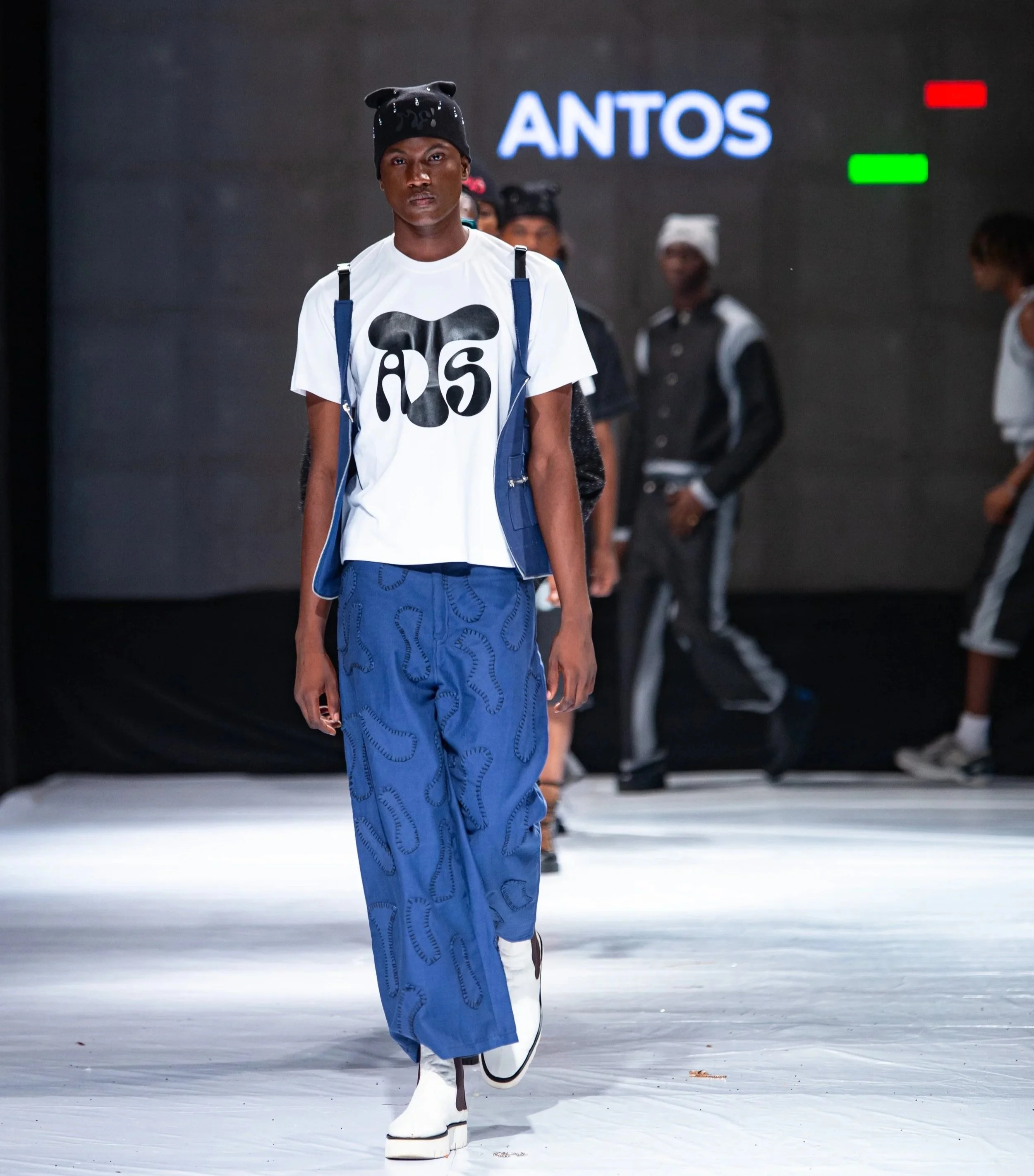
They stop seeing themselves as local talents hoping for a break and start seeing themselves as global creatives with something the world needs. Beyond the individual, there is a collective narrative at stake. Every Nigerian designer that shows internationally is reshaping how the world understands African creativity, moving the conversation away from aid and charity toward artistry and commerce.
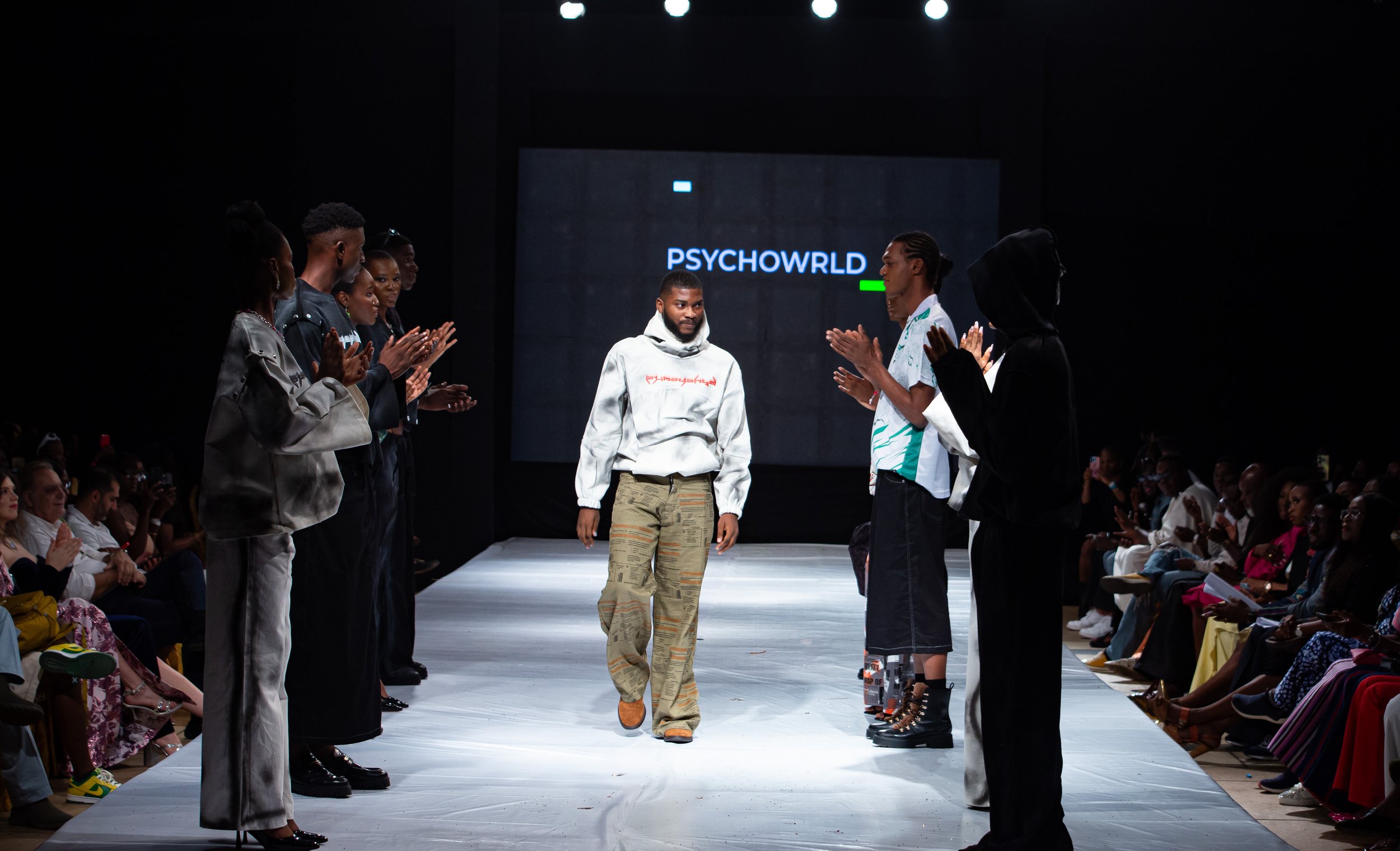
It is beautiful to observe NSFDW’s blossoming partnership with Dallas Fashion Week. How was this relationship forged, and why was North America your destination as opposed to Europe?
The relationship with Dallas grew organically through shared values. I live in Dallas and I have always admired the fashion community here, its growing fast. When we connected with the Dallas Fashion Week team, what struck me was that they weren’t approaching us as a diversity checkbox but they genuinely saw the creative and commercial value in what Nigerian designers bring to the table. That mutual respect made the foundation strong.
As for why North America over Europe, it was a deliberate choice rooted in where we see the most dynamic appetite for cultural exchange, more so I reside in the U.S. The African diaspora in the United States, particularly in Texas, is large, proud, and deeply connected to the continent. There is also an entrepreneurial energy in the American fashion market that aligns well with what our designers are building. Europe has its prestige, but North America felt like the right first step for building genuine community alongside visibility.
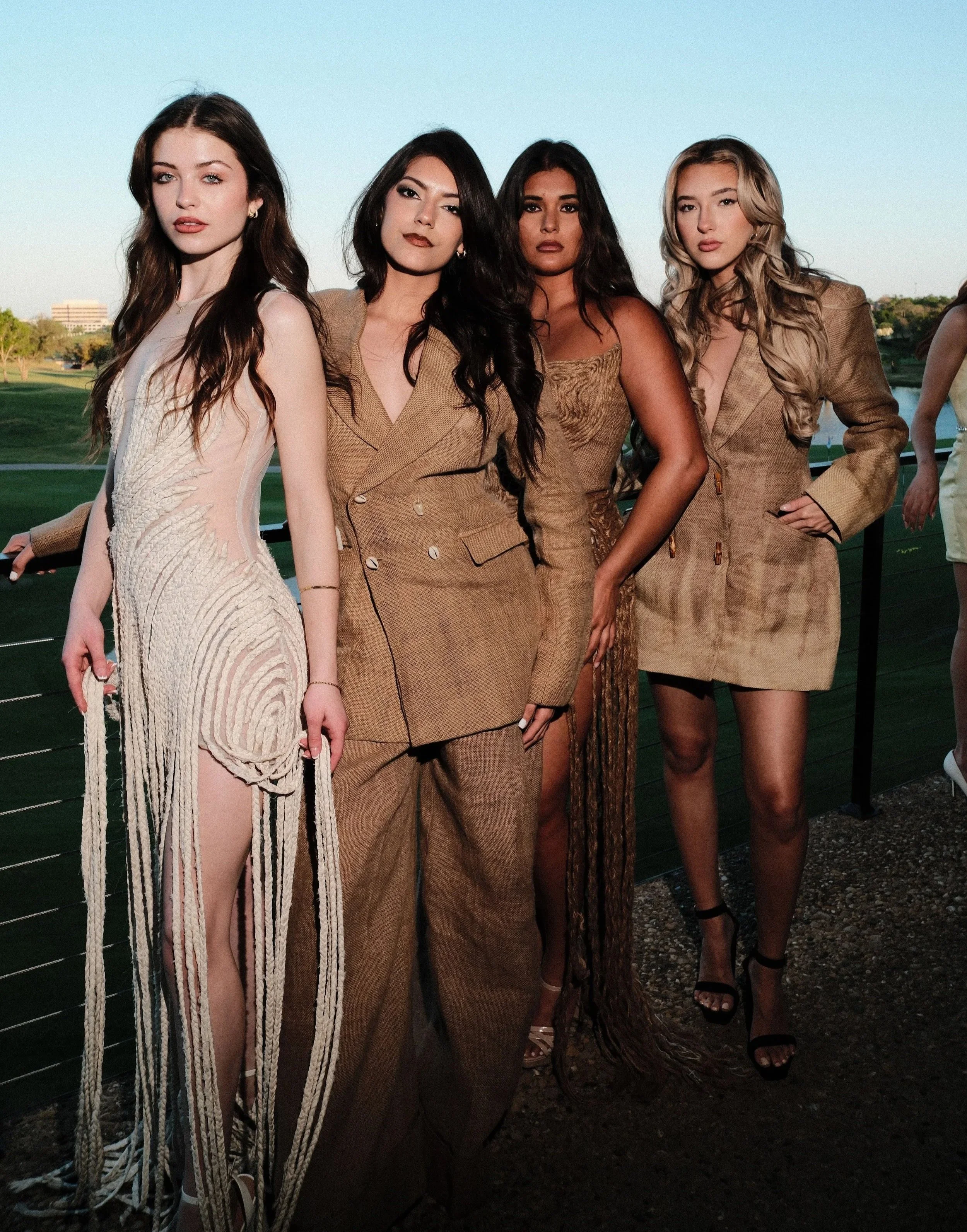
What has been the reception of Nigerian fashion and culture when displayed during your showcases in Dallas? Do you see/feel an appetite for African culture while you are in that region?
The reception has been extraordinary and I say that without exaggeration. Dallas audiences have shown up with genuine curiosity and enthusiasm. There is a hunger here that even surprised me initially. What I have seen is that people in this region are not passive observers of African culture, they engage, they ask questions, they buy, and they share. The diaspora community turns out in full force and brings their friends and colleagues with them. That cross-cultural exchange is exactly what we envisioned.
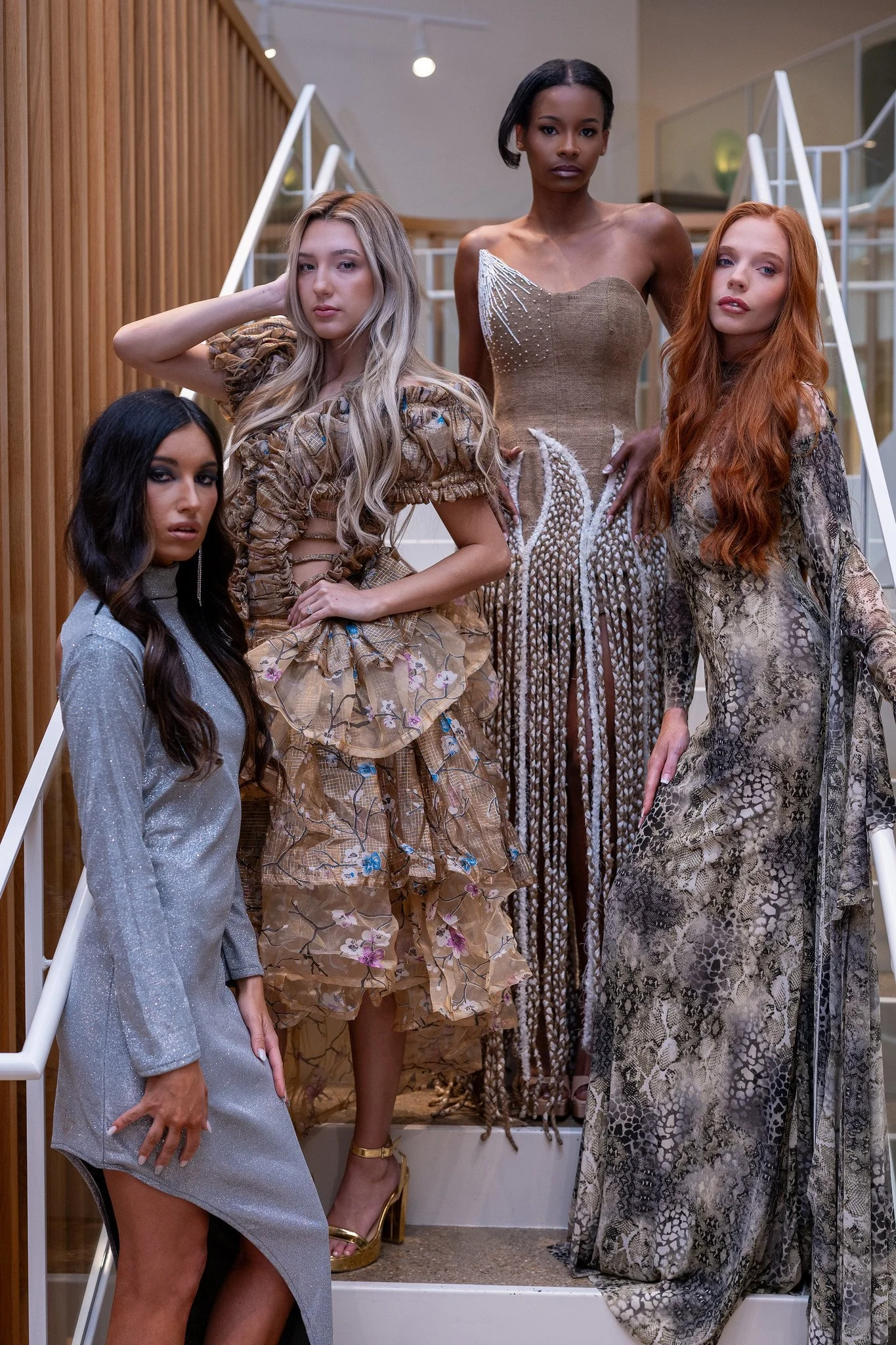
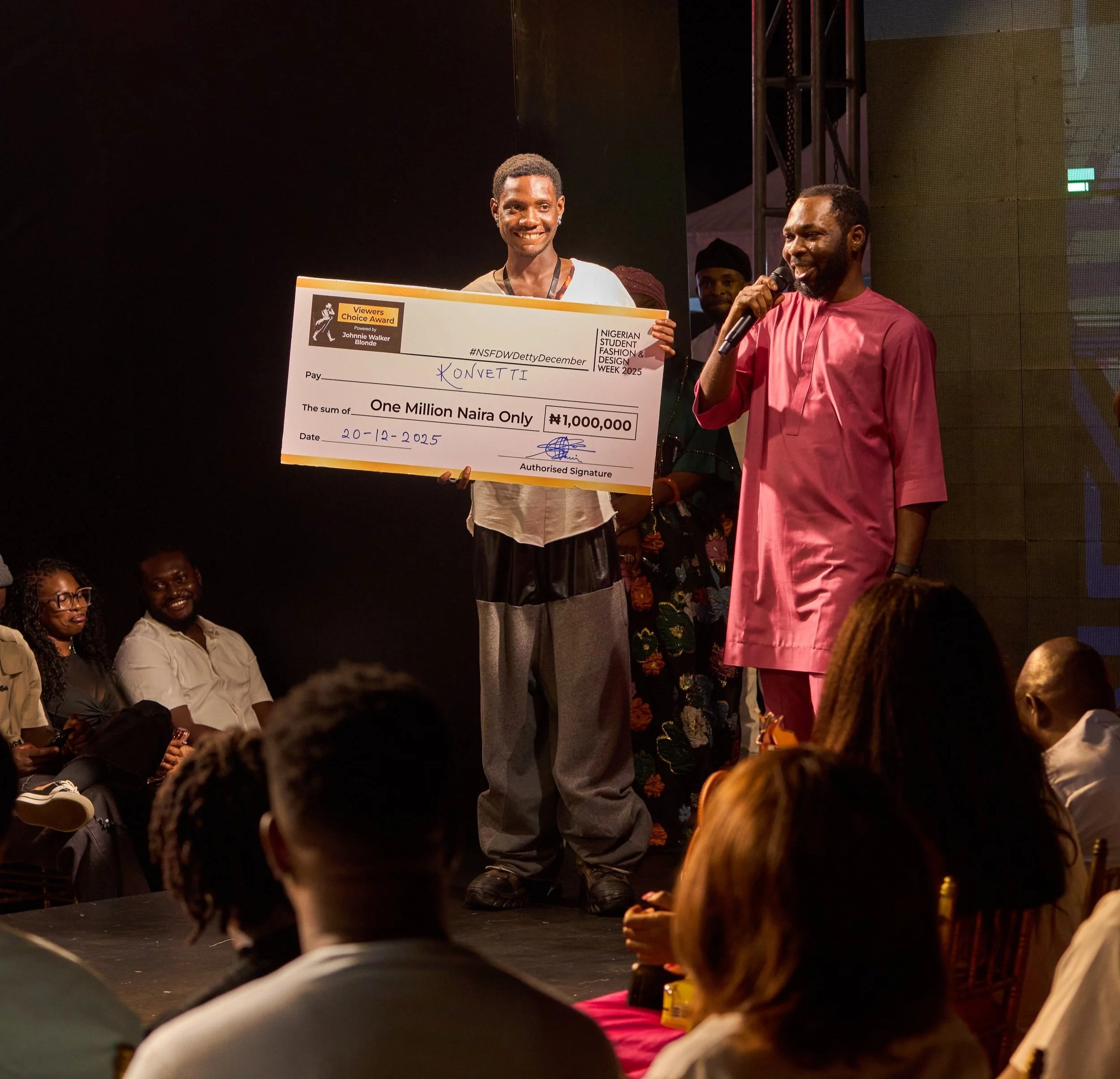
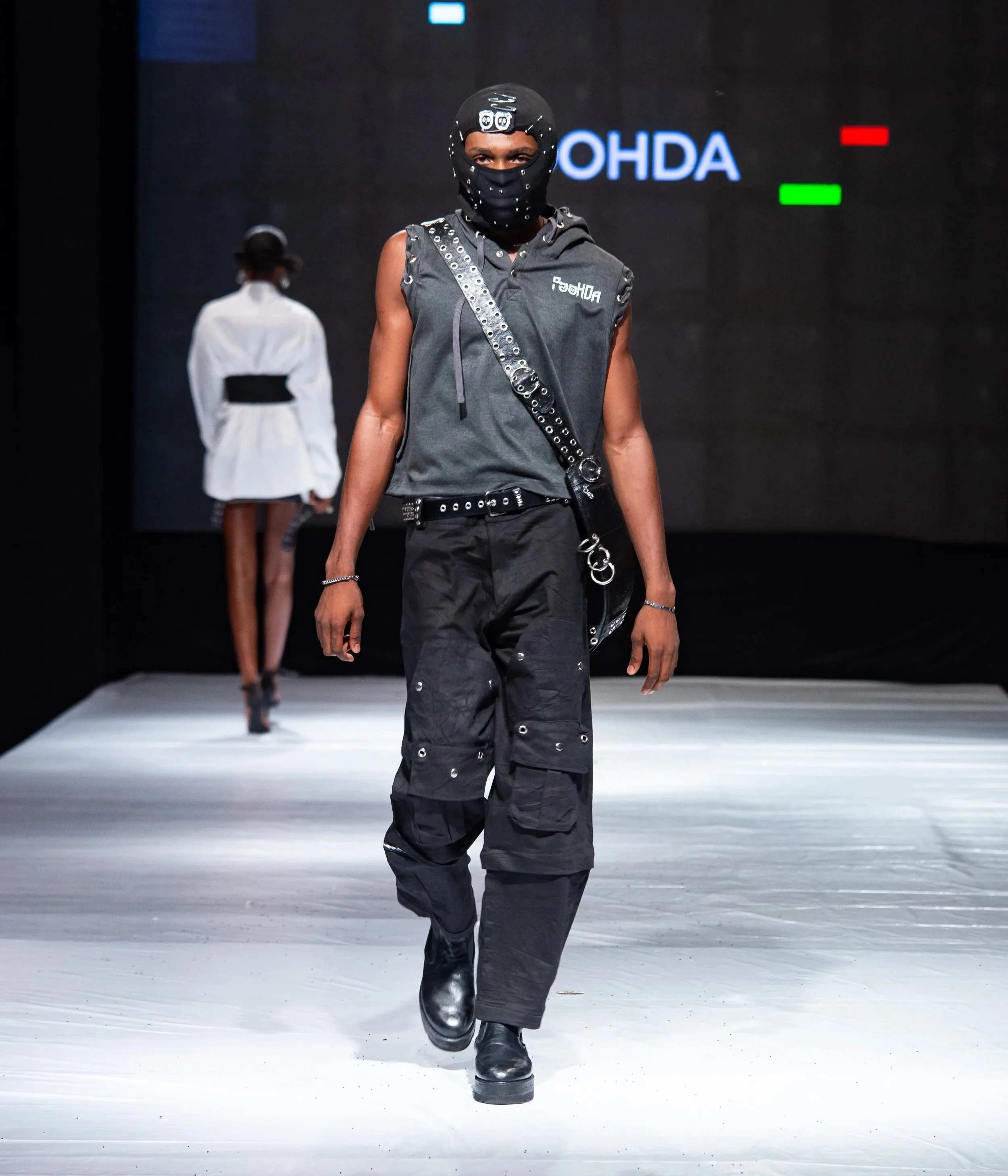
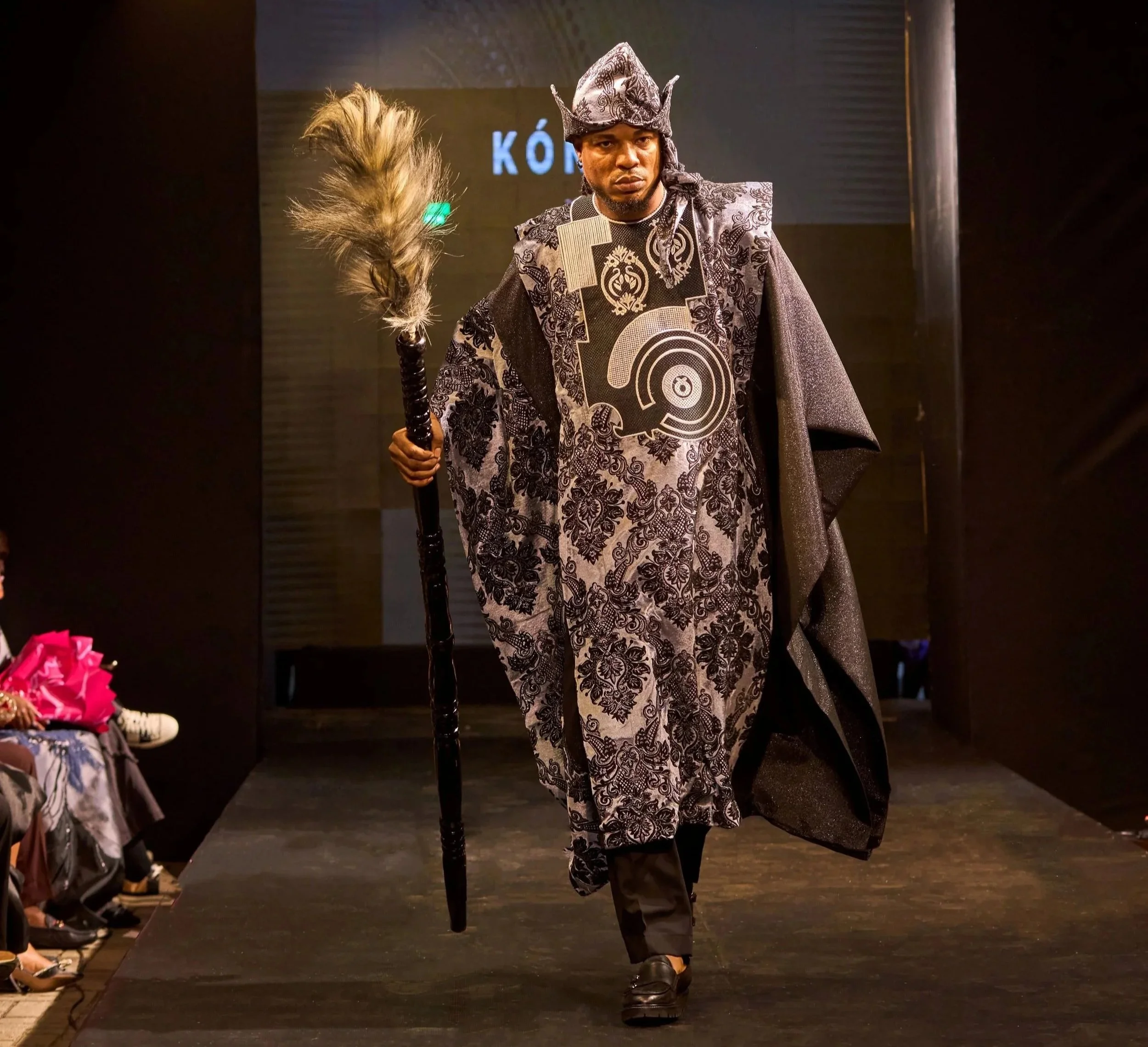
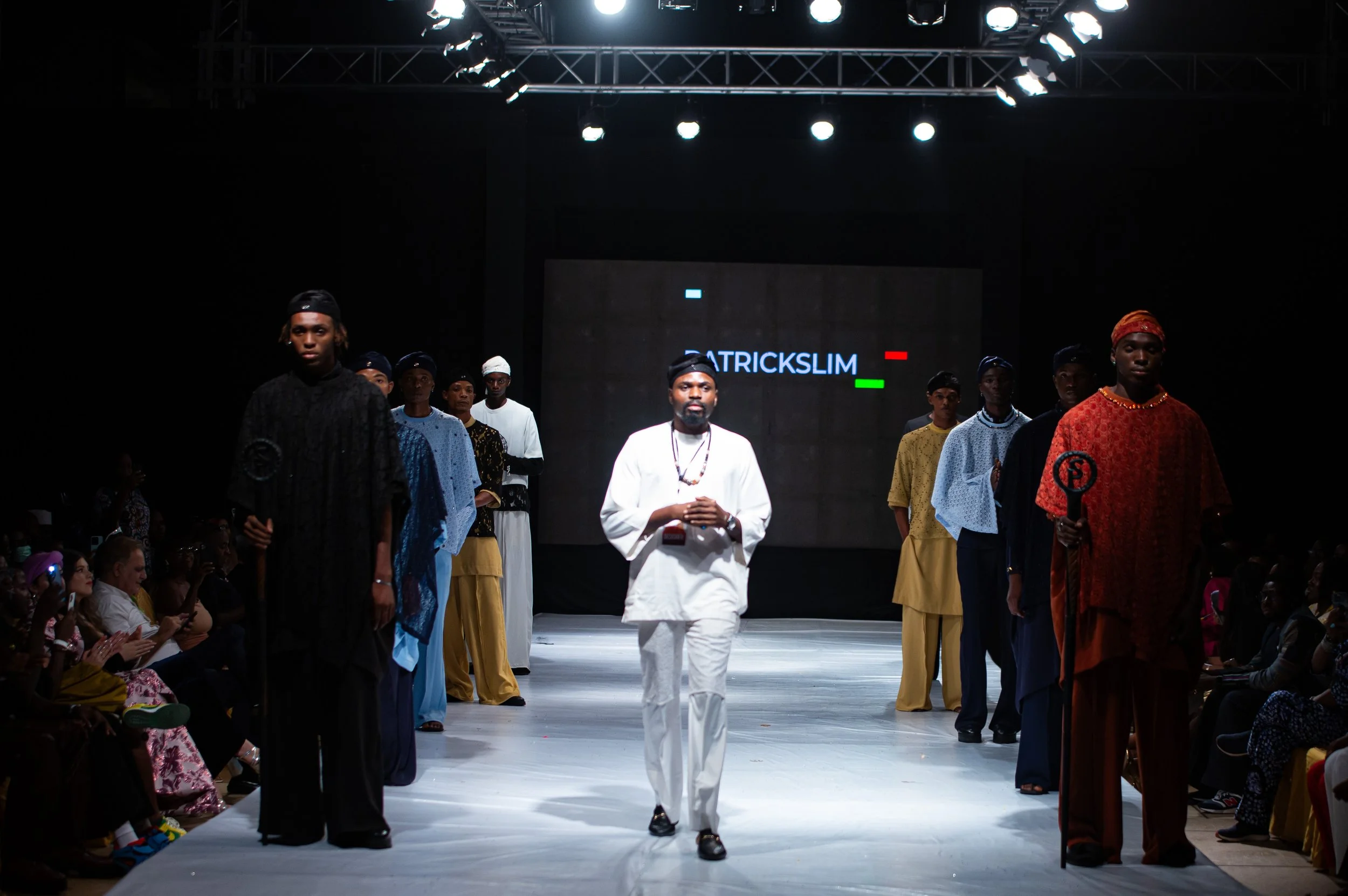
Dallas also has a growing reputation as a fashion city, moving beyond the shadow of New York. That ambition and openness creates a fertile environment for what NSFDW stands for. We have displayed the collections of various Nigerian-based emerging fashion brands here in Dallas. From Estaz, Kondo, Konvetti, Sayo Biyi, Classy clothings, Goldgirl couture, House of Fluffy, Vienne Styling, Patrickslim and one of Alumna who is now an A-list designer, Bibilawrence.
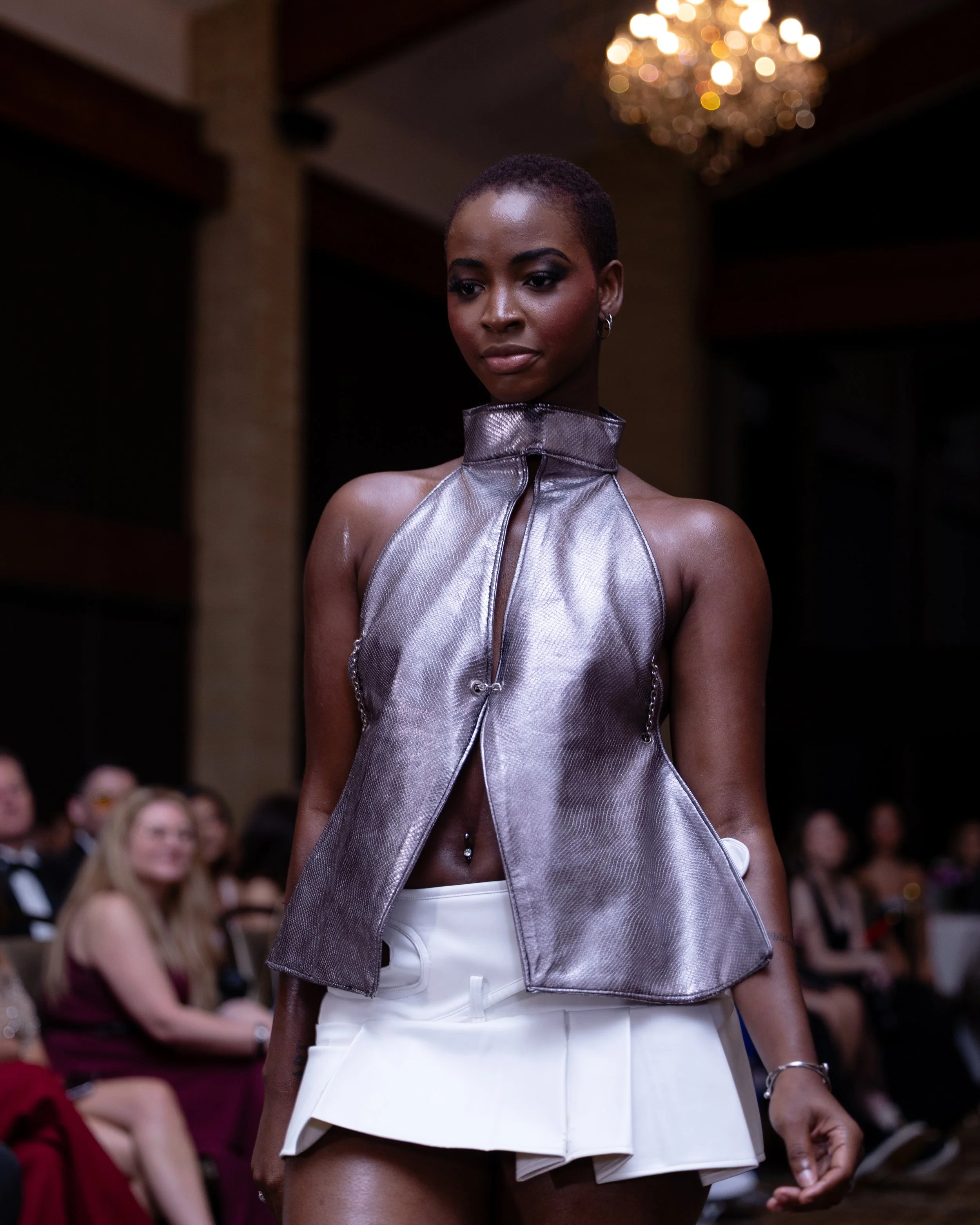
NSFDW is described as an ecosystem designed to nurture talent and provide global exposure. Prior to NSFDW’s existence, what were the biggest challenges facing young Nigerian designers and how has NSFDW made steps to provide solutions to those problems?
Before NSFDW, the challenges were layered. There was no structured platform specifically designed to elevate student designers… The industry tended to recognise talent only after years of grinding in relative obscurity. Beyond visibility, there were deep gaps in mentorship, industry access, and business education. Many talented designers had the creative skill but lacked the knowledge to build sustainable brands.
There was also the issue of narrative ownership. Nigerian fashion was being discussed internationally, but often through a foreign lens. Designers had limited say in how their work and culture were framed. NSFDW has worked to address all of these. We have built mentorship into our structure. We have created pathways to international stages. We have developed an ecosystem where designers are also being equipped with the business language to protect and scale their work. And critically, we have given them ownership of their own story.
What would you say are the main issues of today that Nigerian youth in the fashion industry face, and, more widely, do you feel the Nigerian government and African governments at large have a duty to better facilitate the growth of the arts/culture sectors within their countries?
Today’s challenges have evolved but not disappeared. Access to funding remains a major barrier. The cost of quality fabric, production, and marketing is significant, and there is very little institutional financing designed with creative entrepreneurs in mind. There’s also the challenge of protecting intellectual property in an environment where copying and imitation are rampant. And not to forget the issue of unstable power supply, a lot is spent on diesel and gas which affects production and pricing.
On the question of government responsibility, absolutely, yes. Culture and the creative economy are not soft sectors. In countries like the UK and South Korea, governments have invested heavily in cultural exports with massive economic returns. Nigeria has one of the most globally influential cultures on the planet, in music, in film, in fashion and yet the structural support for creatives remains inadequate. African governments broadly need to recognize that investing in their arts sectors is not charity, it’s economic strategy. The youth are already building these industries with minimal support. Imagine what becomes possible with genuine institutional backing.
Nigeria comprises of 36 states, yet it tends to be Lagos that receives most of the spotlight when it comes to matters of the arts and culture, serving as an overarching reflection of the country at large. What focus (if any) do you place on highlighting the various fashion cultures/trends/traditions that exist across Nigeria’s other states via NSFDW?
This is something I feel very strongly about. Lagos is a powerhouse culturally, commercially, creatively and its dominance in the national conversation is understandable. But Nigeria is not Lagos. We have 36 states, each carrying its own textile traditions, its own ceremonial dress, its own aesthetic language. The Kente-adjacent weaves of the North, the Akwete cloth of the Igbo, the Aso-Oke traditions of the Yoruba beyond Lagos, the Bunu tie-dye heritage, these are living traditions that deserve global stages, not just footnotes.
From the beginning, NSFDW has made a conscious effort to ensure that our designer selection isn’t Lagos-centric. We actively seek out talent from across the federation. When a designer from Kano or Enugu or Calabar walks their collection on our runway, they’re not just showing clothes, they are bringing a cultural conversation that Lagos alone cannot have on their behalf.
The goal long-term is to deepen this even further and to create regional spotlights within the NSFDW structure that give dedicated attention to the fashion traditions of different geopolitical zones. Nigeria’s diversity is not a complication to manage. It is our greatest creative asset.
NSFDW markets itself as Africa's largest showcase and exhibition of young and vibrant fashion talents and entrepreneurs. Do you have plans in the pipeline to eventually collaborate with designers/artists from other (leading) fashion capitals in Africa?
Absolutely, and this is already beginning to take shape in our thinking. NSFDW was born in Nigeria, but the vision has always been continental in ambition. When we describe ourselves as Africa’s largest showcase of young fashion talent, we carry that title with responsibility. That means the platform must eventually reflect the full breadth of African creative excellence.
Accra is producing some of the most exciting design voices on the continent right now. Nairobi has a thriving fashion ecosystem. Johannesburg, Dakar, Abidjan, each of these cities has a creative community that deserves cross-pollination with what we’re building. Fashion weeks don’t exist in isolation, and neither should we. The conversations are ongoing. What I am committed to is ensuring that any collaboration is built on genuine creative exchange. When NSFDW partners with designers from other African capitals, I want the audience to feel the full texture of what this continent is producing, not a curated highlight reel designed to tick boxes.
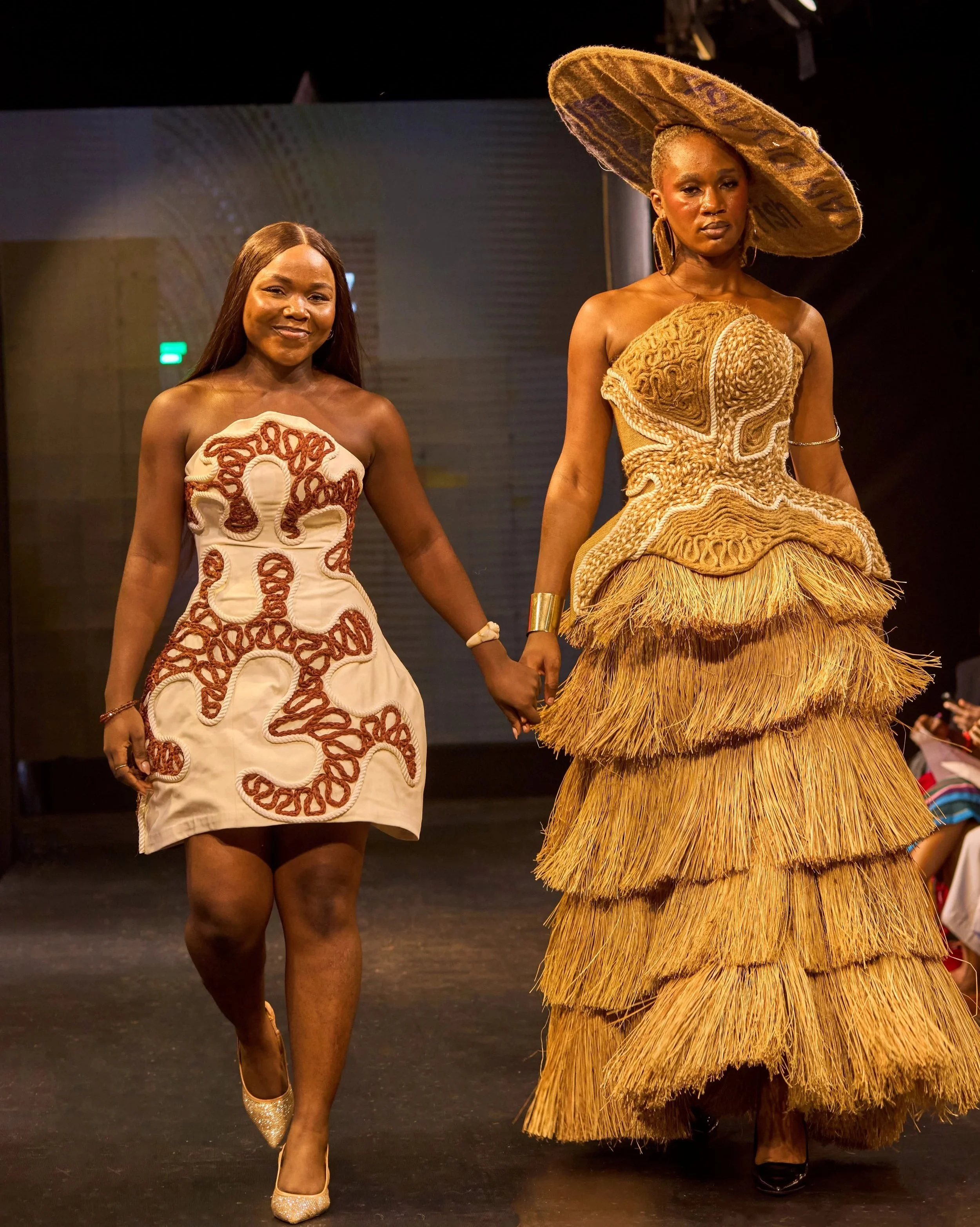
Together with Dallas Fashion Week, NSFDW is creating a bridge that connects Nigerian emerging designers to international markets, audiences, and opportunities - which you believe is proof that the future of fashion is truly global, and Nigeria is leading the charge. Why do you take the view that Nigeria holds such a significant position?
Nigeria’s position isn’t something I am arguing for, it’s something the world is already acknowledging whether it’s ready to or not. Look at the global footprint of Nigerian culture over the last decade alone. Afrobeats is the soundtrack of the world. Nollywood is the second largest film industry by volume on the planet. Nigerian designers are dressing global icons. This didn’t happen by accident.
What makes Nigeria specifically powerful in fashion is the combination of scale, diaspora influence, and cultural confidence. We have over 200 million people on the continent and tens of millions more spread across the globe who are deeply, proudly connected to their Nigerian identity. That community doesn’t just consume fashion, they use it as an act of identity affirmation.
There’s also a creative fearlessness in Nigerian design that I find unmatched. Our designers aren’t trying to replicate European aesthetics with an African twist. The best of them are building entirely new visual languages rooted in their own heritage. That originality is precisely what a global fashion industry hungry for authenticity is looking for. Nigeria isn’t waiting to be invited to the table, we are building our own.
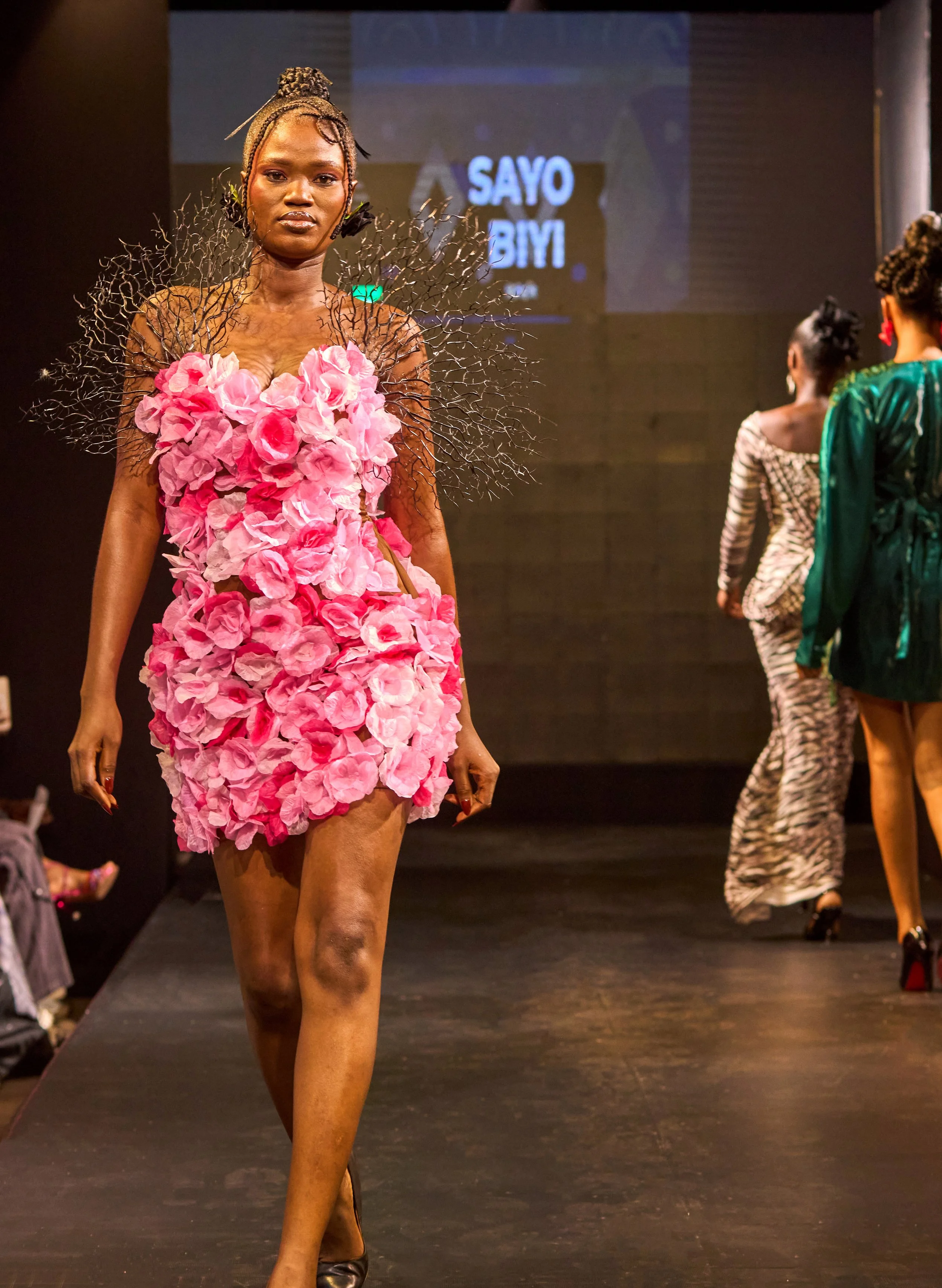
From feedback received by NSFDW’s alumni selected to go to Dallas, how have they found this cross-cultural experience while in America? More recently, NSFDW has also expanded into NYC - how does the NYC fashion market differ from the one in Dallas? Where in the future do you hope NSFDW will end up next?
The feedback from Dallas has been consistently transformative on a personal level. Many of our designers are using our platform as launchpads to enter the U.S. market. What strikes them most isn’t just the runway, it’s the conversations, the industry connections, the exposure. Those moments change how a young designer sees their own potential.
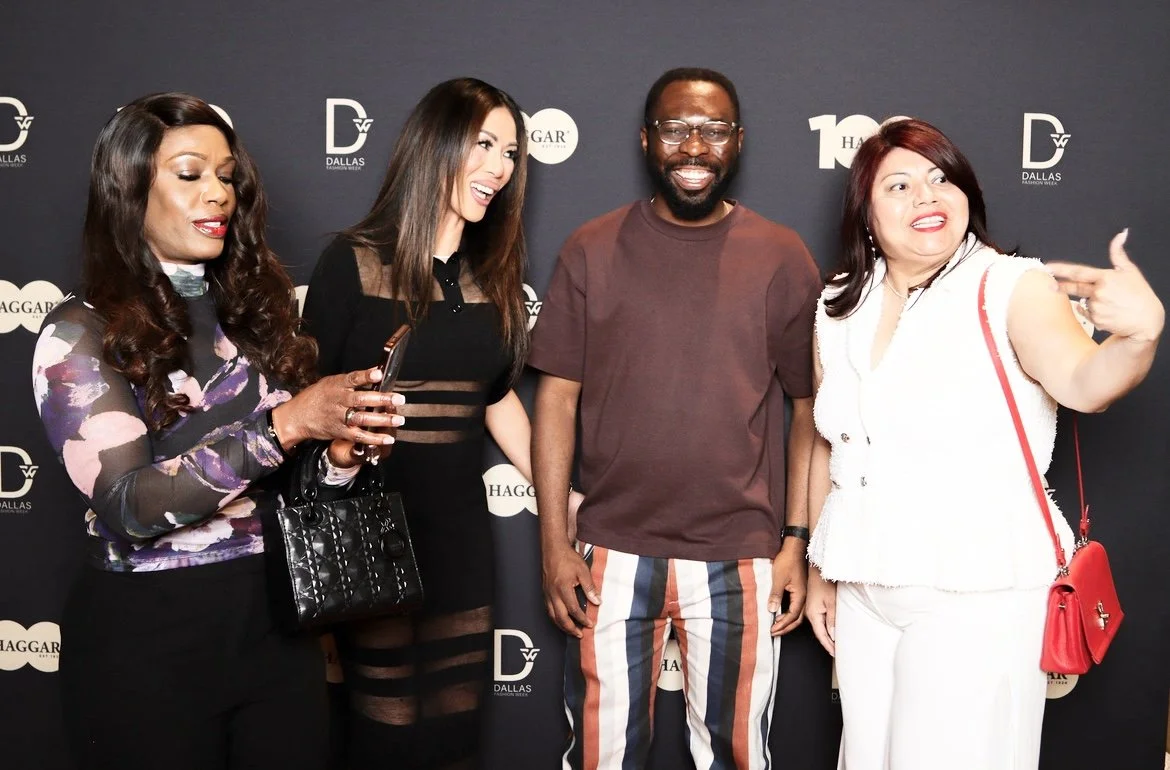
NSFDW’s founder Abiola Orimolade (Dallas, Texas)
NYC is a different animal entirely. Dallas has warmth, community, and a growing appetite for discovery. New York is faster, more competitive, and more industry-dense. The buyers in New York are often more commercially focused, the press more rigorous, and the expectations sharper. For our designers, that contrast is actually enormously valuable, Dallas builds their confidence and their international relationships, while New York tests their commercial readiness.
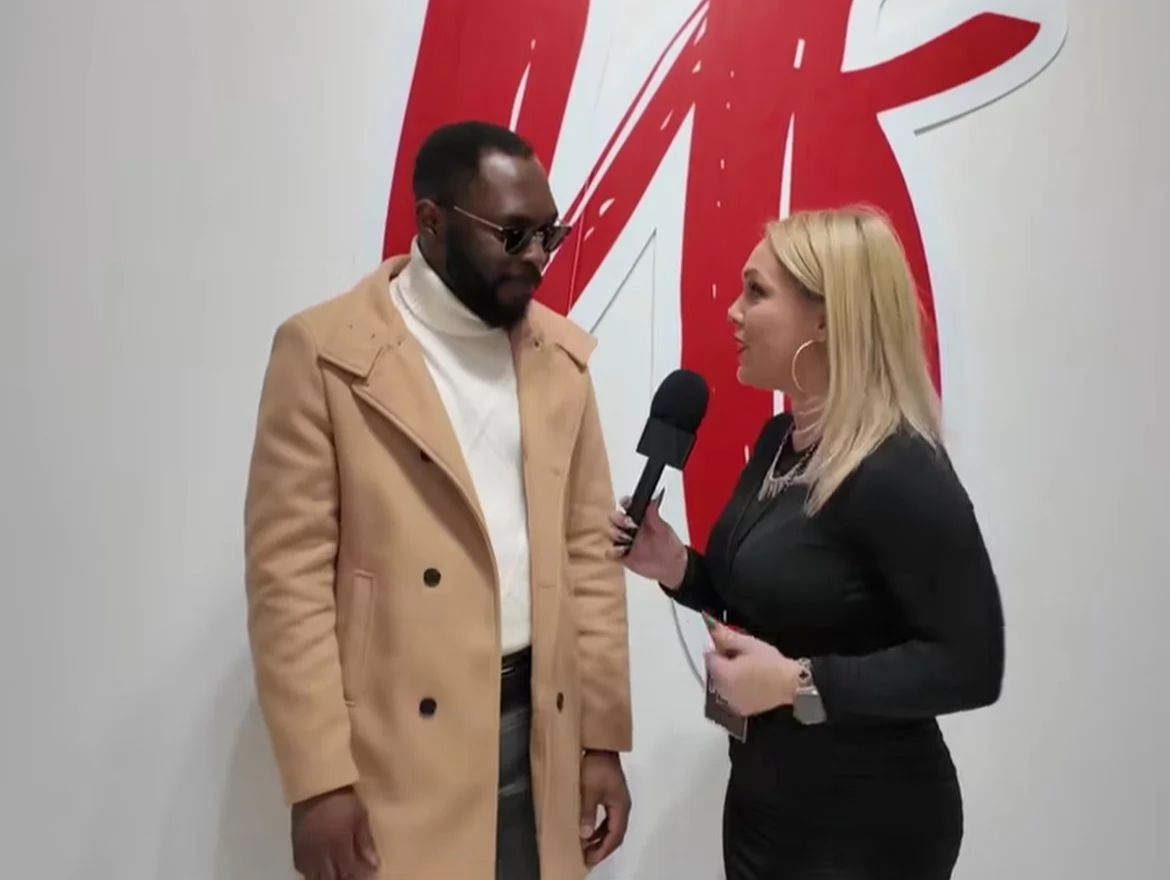
NSFDW’s founder Abiola Orimolade (New York)
As for where next, I don’t want to get ahead of conversations still in progress, but I will say that London is a city whose significance to the Nigerian diaspora makes it a natural future home for NSFDW internationally. I am keen on collaborating with the Graduate Fashion Week in the UK, I do love what they stand for and what they are doing. There’s also serious consideration being given to Dubai, given how rapidly it’s positioning itself as a global cultural crossroads. The mission remains the same wherever we land, put Nigerian designers in rooms where the world has no choice but to pay attention.
Do you think fashion has the power to connect those of us in the diaspora with those on the continent - if so, how? On a final note, what is your message to the diaspora?
Fashion is one of the most intimate carriers of identity that exists. What you choose to wear is a declaration of where you come from, what you value, who you are. For the diaspora, that declaration carries particular weight. When a Nigerian-British woman wraps herself in Ankara for an event in London, she is not simply making a style choice. She is asserting belonging. She is keeping a thread alive across thousands of miles.
NSFDW has always understood that our audience is not just in Lagos, it extends to every city in the world where Nigerians have built new lives without abandoning the old ones. Fashion is the most accessible and visible way that connection expresses itself.
My message to the diaspora is this: your support of Nigerian designers is not nostalgia, it is investment. Every time you choose to wear, platform, or purchase the work of a young Nigerian creative, you are contributing to an ecosystem that sustains livelihoods, preserves cultural knowledge, and builds the case to the world that African creativity is world-class.
You are also, whether you realize it or not, building a bridge for the next generation. The young designer in Lagos who sees their work celebrated by audiences in Dallas, New York, or London that visibility tells them that their culture has value beyond their own borders. The diaspora has tremendous power to send that message. I hope you use it.