Trump’s Nigeria Rhetoric: Distraction, Diplomacy, or Something Else? - An Opinion Piece By Yinka Oloòtọ́
On the 1st of November 2025. Trump on social media, declared:
“Christianity is facing an existential threat in Nigeria. Thousands of Christians are being killed. Radical Islamists are responsible for this mass slaughter. I am hereby making Nigeria a “COUNTRY OF PARTICULAR CONCERN” – But that is the least of it”. When Christians, or any such group, is slaughtered like is happening in Nigeria (3,100 versus 4,476 Worldwide), something must be done! I have asked the great Riley Moore, together with Chairman Tom Cole and the House Appropriations Committee, to immediately look into this matter, and report back to me. The United States cannot stand by while such atrocities are happening in Nigeria, and numerous other Countries”. We stand ready, willing, and able to save our Great Christian population around the World!”,
Trump, in some respects, has acted in a way that many people around the world might expect from someone in a position of global leadership. He aimed to protect those who he deemed to deserve protection and uphold the human rights of individuals. However, this raises a broader concern. The United States, once a colonial power and now a dominant force in global capitalism, appears to have suddenly and selectively chosen to intervene in Nigeria: a country where it holds significant strategic interests; perhaps most importantly in the midst of this conversation - Nigeria’s energy and economic interests. To this point, it would be worth mentioning U.S. energy giants like Chevron, ExxonMobil, and Schlumberger maintain significant operations in Nigeria’s Niger Delta, making energy security and investment protection a top priority.
This timing prompts serious questions. Violence between Islamist groups and Christian communities has plagued Nigeria for decades, so why is there now a surge of attention? Are the figures being cited reliable? Or are they part of a narrative shaped by political motives and selective reporting?
Christians. Muslims. Casualties. Who’s Telling the Truth?
In 2025, the Nigerian NGO InterSociety claimed that over 7,000 Christians were killed between January and August, a figure widely circulated by US politicians including Congressman Riley Moore. However, a BBC investigation found discrepancies in the data, noting that many of the 70 media reports cited did not specify the religious identity of victims and some incidents were duplicated. The BBC’s own count from those reports suggested around 3,000 deaths.
InterSociety defended its estimate by citing additional sources such as unverifiable eyewitness accounts and assumptions based on local knowledge. The group attributed the violence to Islamist militants like Boko Haram and Fulani herders, though analysts argue that many of these conflicts are driven more by land disputes and criminal activity than religion. Other research bodies like Acled reported significantly lower figures for Christian-targeted killings, identifying 317 deaths from 2020 to 2025 out of 21,000 civilian fatalities.
Former President Donald Trump cited a separate report from Open Doors that recorded 3,100 Christian deaths in a 12-month period, though that same report also noted 2,320 Muslim deaths and acknowledged that Fulani militants increasingly target both groups. The narrative of Christian persecution has been promoted by US politicians and Biafran separatist groups like IPOB, some of whom claim to have lobbied Congress to raise awareness of what they describe as a Christian genocide. [1]
The Nigerian View
Speaking to a Nigerian from Abuja was enlightening and also showcased Nigerian’s enhanced ability to deduce past Trump’s so-called concern for Nigeria’s Christians: “Trump wants several things. This man has cancelled all valid visas for Nigerians and put a cap of three months. This means Nigerian passport holders are only allowed a single-entry visa into the US for three months. Under Biden, it was 5 years and multiple entries. It’s definitely suspicious, especially since the pushback of their GMO policies and initiatives”.
It's clear that Nigerians are suspicious and do not believe Trump’s concern stems from a place of genuine concern.
What We Know, What We Ignore, and What We Must Now Decide
Trump’s intervention - framed around religious protection - aligns with narratives pushed by lobbying groups and separatist movements that have long sought US attention. These groups, including IPOB and BRGIE, have reportedly lobbied Congress and amplified claims of a Christian genocide. While these claims stir moral outrage, they also serve as a convenient pretext for deeper engagement. By invoking religious persecution, the US can justify increased involvement in Nigeria without openly admitting economic or geopolitical motives.
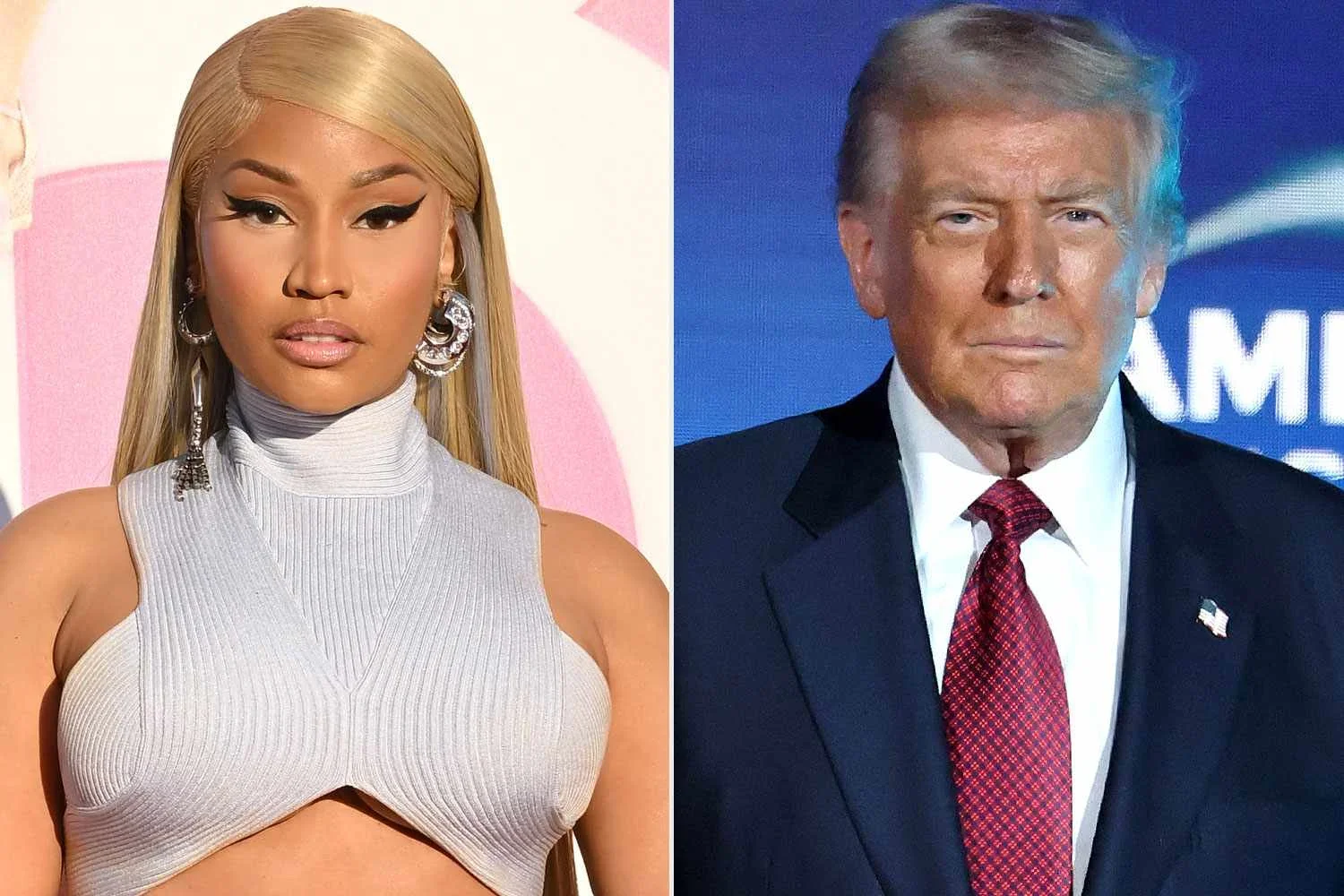
The timing is telling. As the Dangote Refinery nears full operational capacity, Nigeria’s leverage in global oil markets will increase. Ensuring that this leverage does not tilt toward rival powers may be a priority for US strategic planners. Trump’s statements, while dramatic, may reflect a broader institutional desire to reassert influence over Nigeria’s energy future, using moral narratives to mask economic and security objectives. The renowned female rapper Nicki Minaj speech on Nigerian Christians and the targeting she spoke of them facing in addition to the constant fear they have had to endure reveals not only a humanitarian concern but a deeper and more disquieting trend: the strategic deployment of cultural figures to animate complex geopolitical narratives in emotionally charged and morally binary terms. Her intervention, while ostensibly rooted in compassion, exemplifies how celebrity capital especially within the ‘black culture’ is increasingly weaponised to shape public sentiment, often bypassing nuance in favour of ‘clout’.
In this light, the intervention is not just about protecting Christians. It is about protecting interests- but rather, energy, influence, and strategic dominance - in a region where (it would seem that) the balance of power is rapidly shifting.
The call from PFTD is to search deeper, read more, critically analyse, and consider what the deeper motivations at hand may be. History shows us that there is always much more than meets the eye when it comes to American involvement in third world countries. Caution is essential and critical self-analysis is mandatory in this war against disinformation and deep state initiatives. With that being said, I want to use this article as an opportunity, another call to arms for those who are curious about the points raised here, who wish to learn more and critically examine the current state of affairs, and to recommend a book to all readers of this article: The New Confessions of an Economic Hit Man by John Perkins.
sources:
[1] https://www.bbc.co.uk/news/articles/cgqlzkdeeqjo
Disclaimer: we do not own the rights to this image - it is being used purely for educational/journalistic purposes. Link to Image