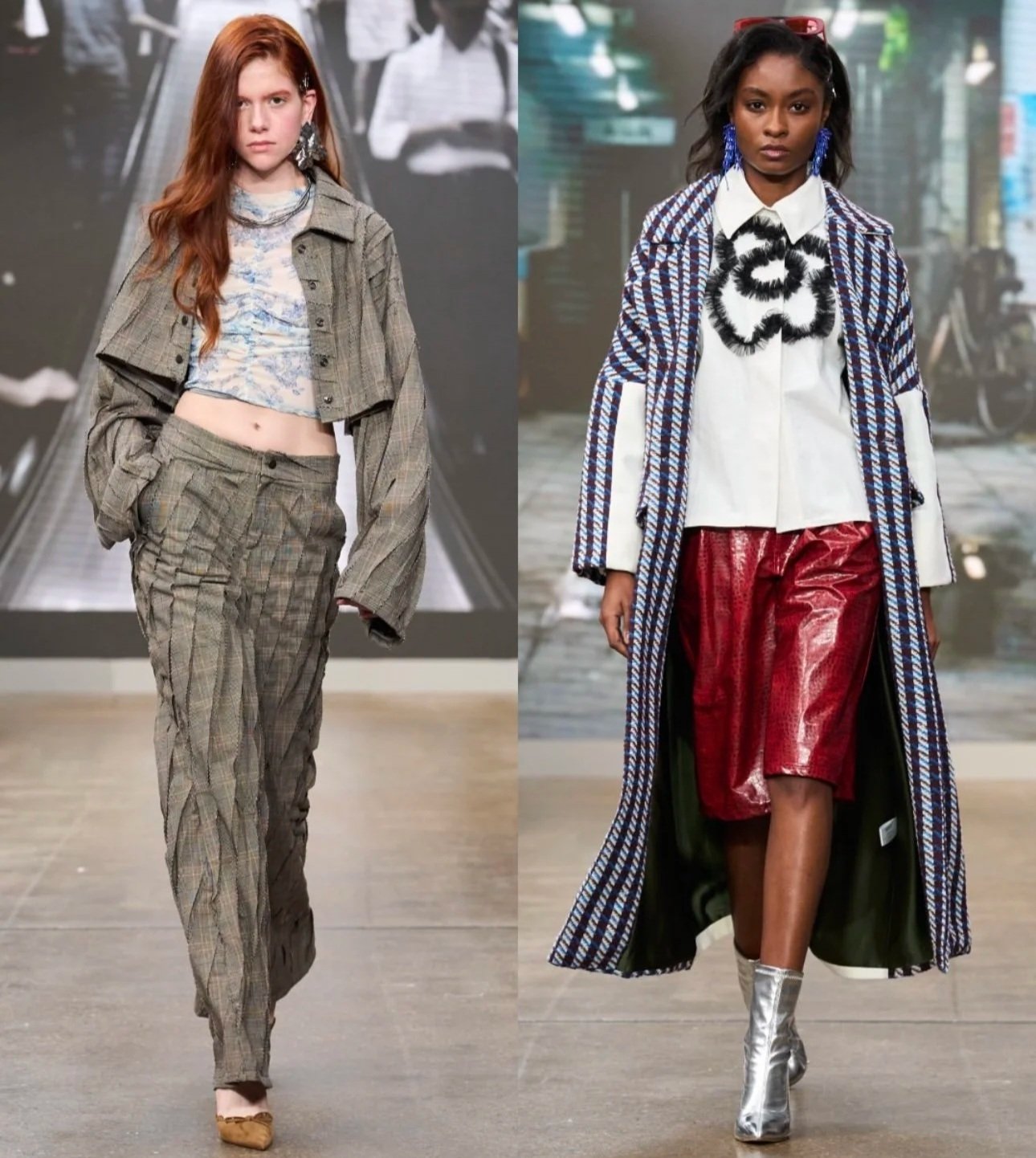
Styles, Stories & Snapshots From The Global Fashion Collective (LFW/AW26)
This article was drafted by Norman Busigu (who was invited as Official Press to this event). Special thanks go to Natalia Cassel, Jamal Abdourahman and London Fashion Week/Fashion Scout/Global Fashion Collective.
The Global Fashion Collective (GFC) successfully concluded its London Fall/Winter 2026 showcase. It was held on 22nd February 2026, as part of the official Fashion Scout London Fashion Week (LFW) schedule at Protein Studios Shoreditch in London. The presentation brought together four dynamic designers, hailing from France, Canada, and Ukraine, each unveiling a distinct and compelling runway vision under one roof.
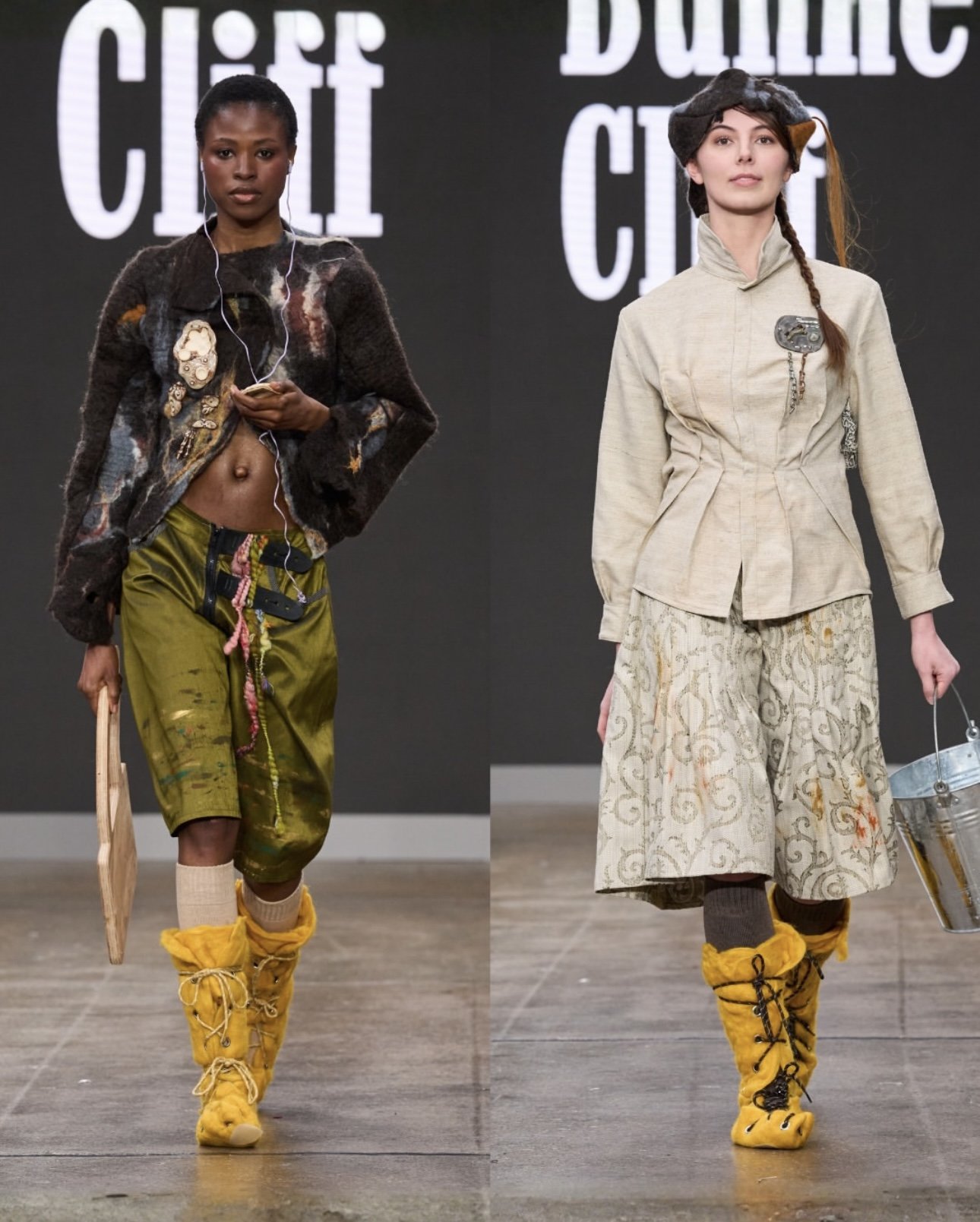
Dunne Cliff
Global Fashion Collective (GFC) is a platform led by a group of dynamic individuals who share the goal of cultivating an inclusive and diverse fashion industry. Global Fashion Collective aims to accelerate designer development by producing innovative runway showcases globally in fashion capitals to increase international media visibility and expand new market opportunities for their show’s participating designers. As the sister company to Vancouver Fashion Week, which has produced shows since 2001, GFC works with a wide range of international designers at all runway shows. Global Fashion Collective operates a showcase in Tokyo, New York, London, Milan, and Paris during Fashion Week.
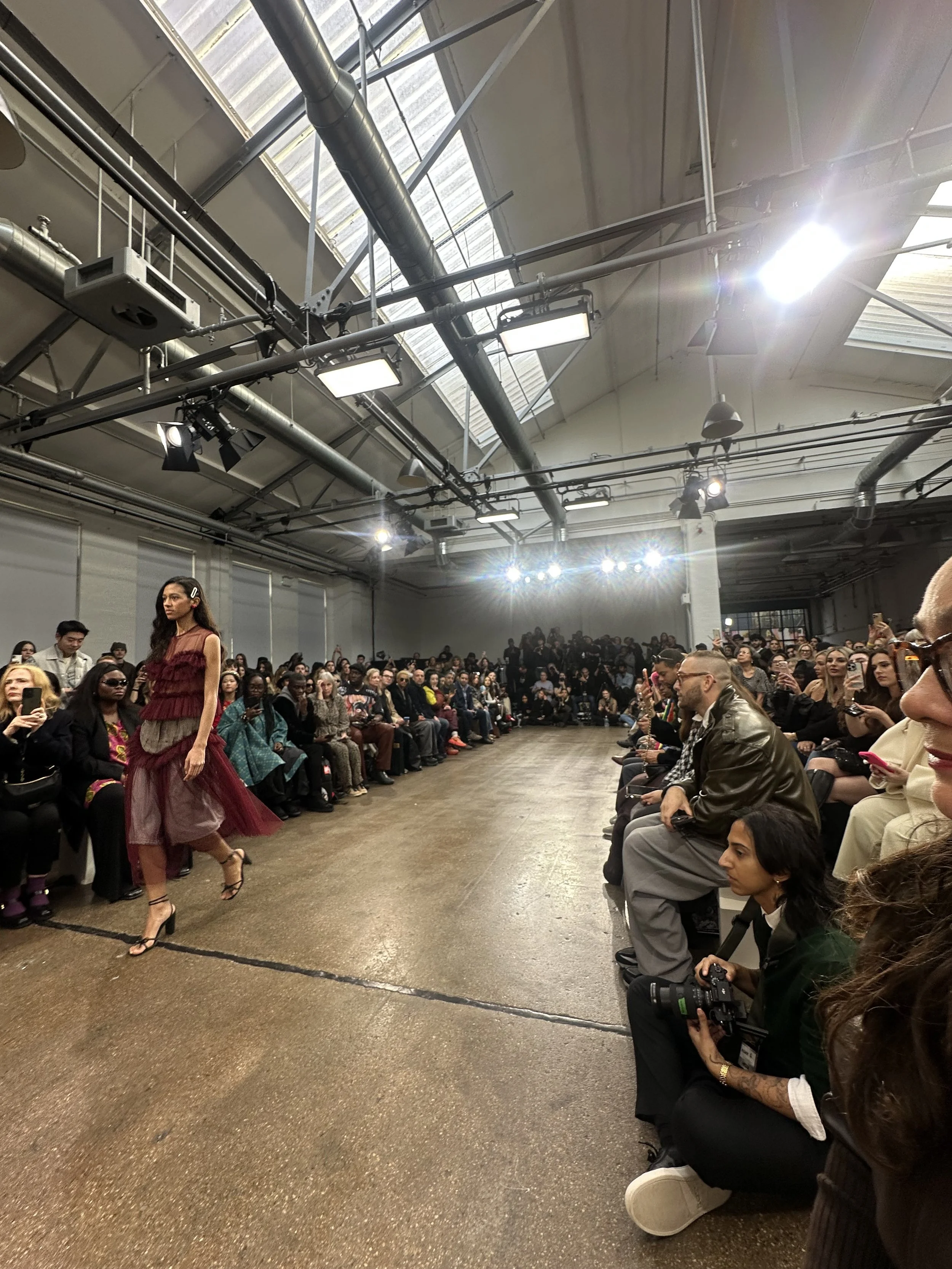
The Fall/Winter 2026 program celebrated innovation, craftsmanship, and cultural diversity, delivering a dynamic showcase that reflected the breadth of global design talent. From emerging voices to established brands, this season reaffirmed GFC’s commitment to elevating designers on an influential international stage and fostering meaningful cross-cultural exchange within the fashion community.
I had the opportunity after the runway shows to interview GFC’s Founder Jamal Abdourahman, and the founders of SAYF and Olena Adam. Have a read below to learn more about each, as well as general insight into Alex S. Yu and Dunne Cliff.
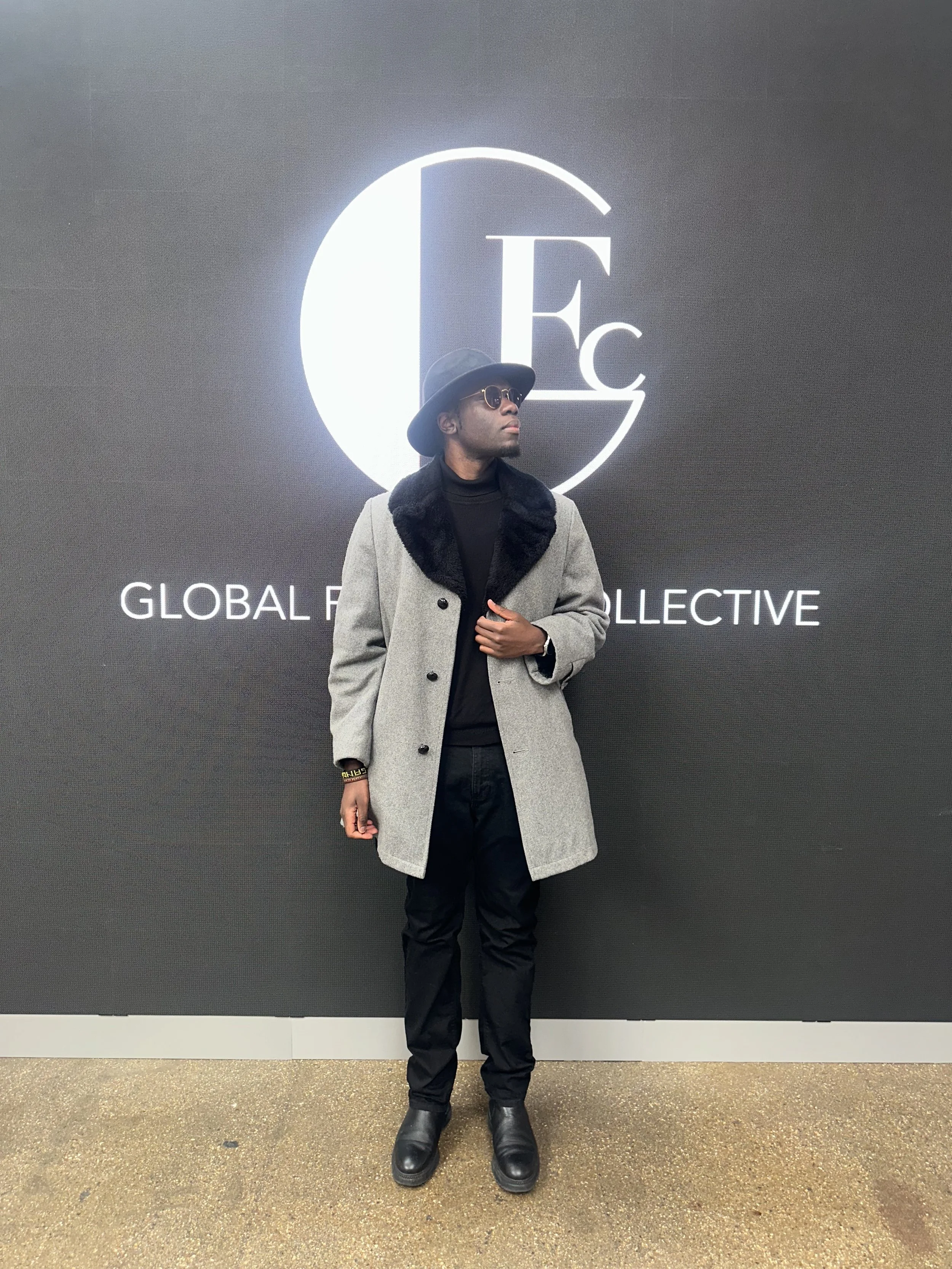
Image of Norman Busigu
Jamal Abdourahman: Founder of GFC and Vancouver Fashion Week
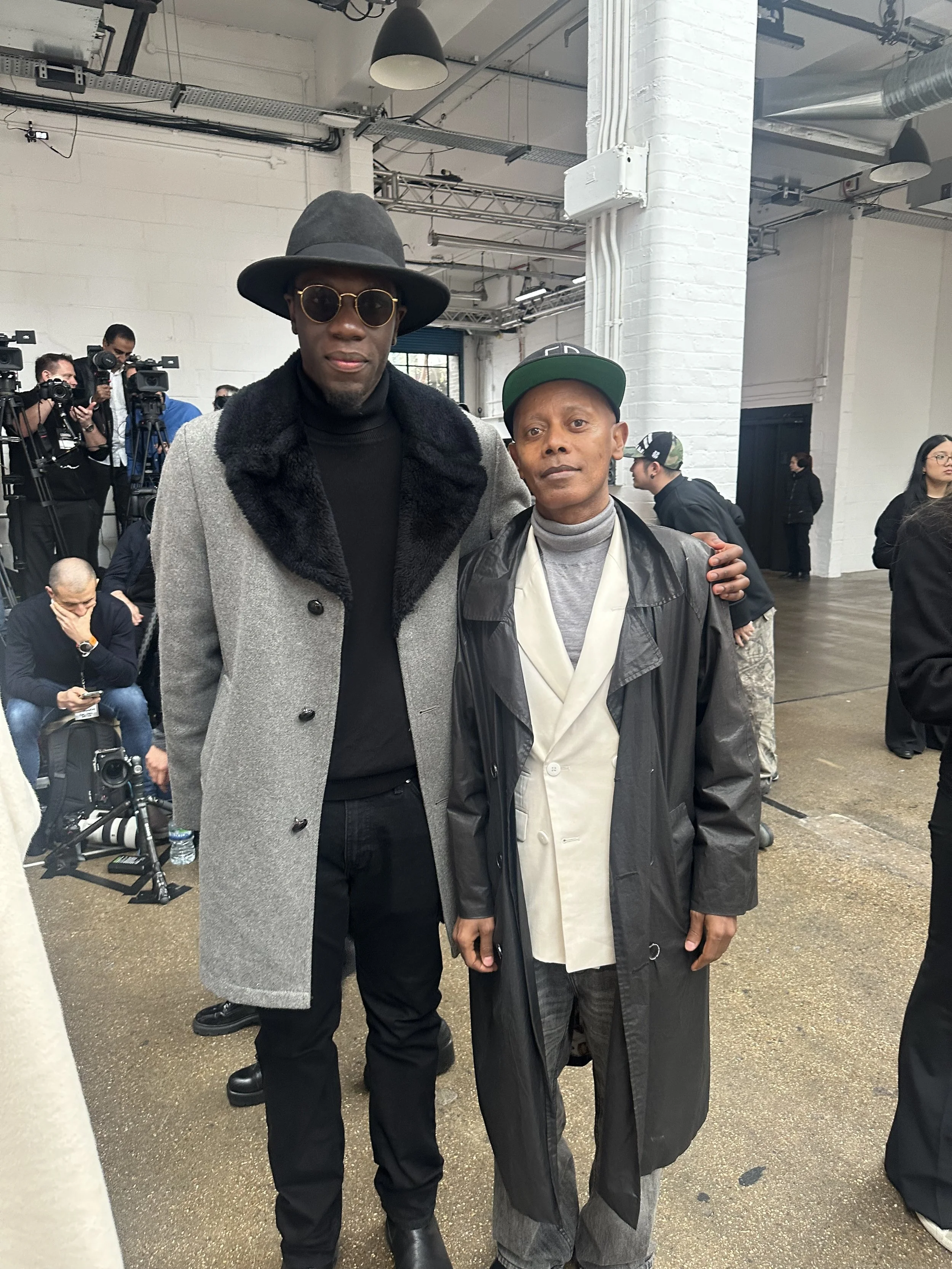
Image of Jamal Abdourahman and Norman Busigu
Jamal, you began your journey in the industry by organising fashion and trunk shows at various nightclubs, hotels and warehouses in Canada (Vancouver). Looking back, what lessons did you learn from these experiences that prepared you for what your career would eventually become?
Jamal immediately expressed his respect and love for the “underground music scene”, which was (in hindsight) his way into the fashion industry. Over time, he forged strong relationships with DJ’s, promoters, etc that he initially connected with at these events. In turn, they continued to work together not only as he entrenched himself within the fashion ecosystem, but also as he expanded into more ambitious ventures. Throughout his career, Jamal is proud to have maintained these relationships, the skills and resilience gained during these early days.
What distinct differences do you observe in how Africans and Canadians do business?
With the caveat being that his lived experience is mainly that of Canadian culture, he explained that African culture (as he sees and understands it) is rooted in values such as “loyalty, integrity and good intentions”. These are guiding principles that he strives to embody in his work and relationships. He did highlight by contrast that the culture in Vancouver is one which is very welcoming and embracing of others. This culture ultimately provided a fertile ground for his ventures to come into fruition. More widely, Jamal was very vocal in expressing his gratitude towards Canada, describing it as a “place of hope and diversity”.
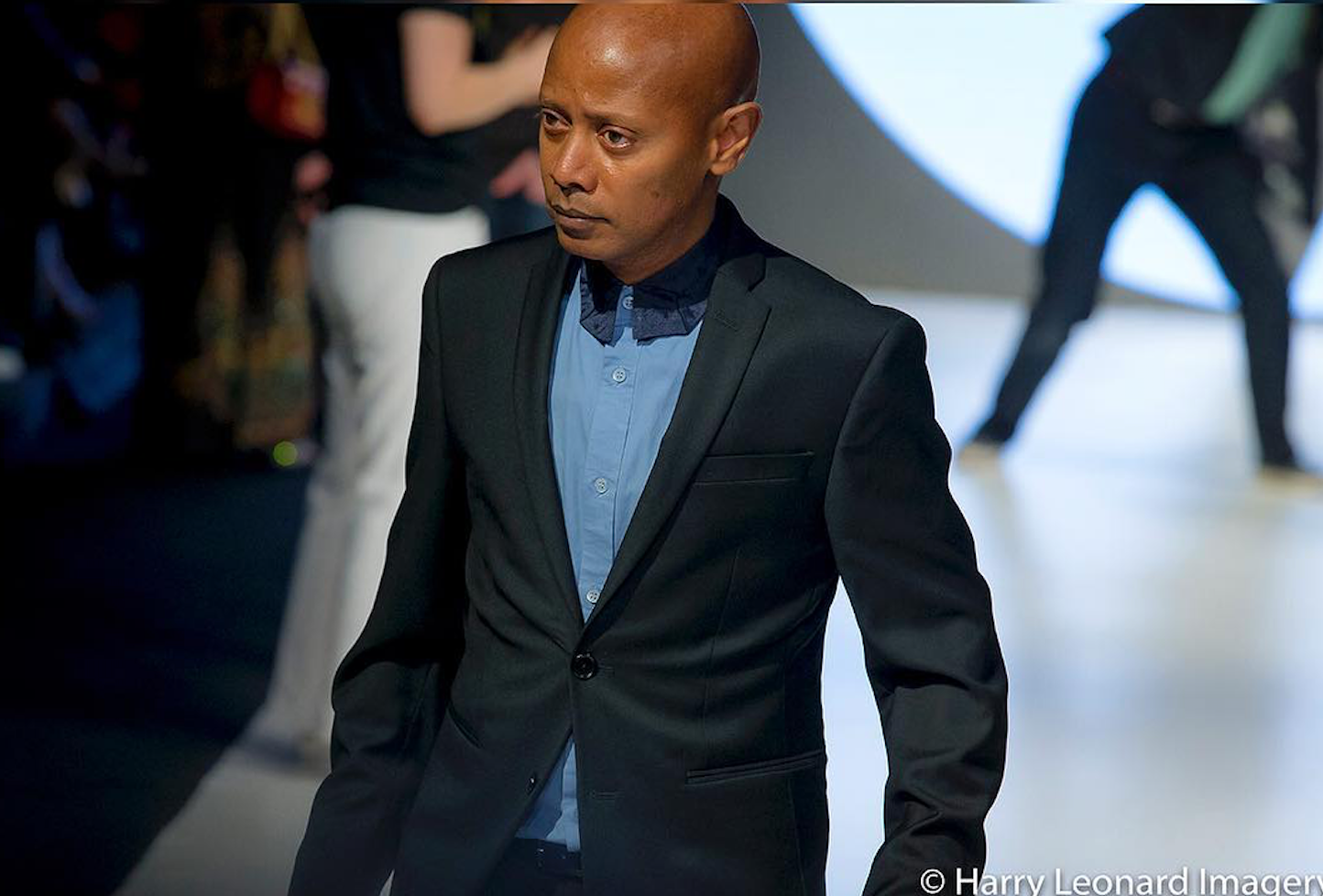
Image of Jamal Abdourahman - link to image source
You launched the first Vancouver Fashion Week in 2001. What’s been your biggest achievement to date with Vancouver Fashion Week over the last 25 years?
Taking a moment to reflect before answering, he then expressed that “being useful and of service” globally is something he takes true pride in: being able to successfully execute consecutive (and high quality) runway shows, while creating opportunities for others. Through his demeanour and body language as he answered this question, it is very clear that being able to achieve this brings him a genuine degree of internal fulfilment and happiness.
Being an African (from Djibouti), what focus (if any) do you place on supporting African/Caribbean diaspora through the Global Fashion Collective?
Jamal gave a very balanced response, explaining that whilst he and his team try their best to “reach out” to those communities and provide support, it is “hard to help people who don’t help themselves”. From this, he shared some frank advice as we closed out the interview: “be curious; add value”. He highlighted the significance of not having the individualistic mentality of “I want to gain” from a given situation. Rather, he feels that it is much better to be of use in whatever capacity you can to those around you, until you are in a place where you can be recommended on the merits of your work and character.
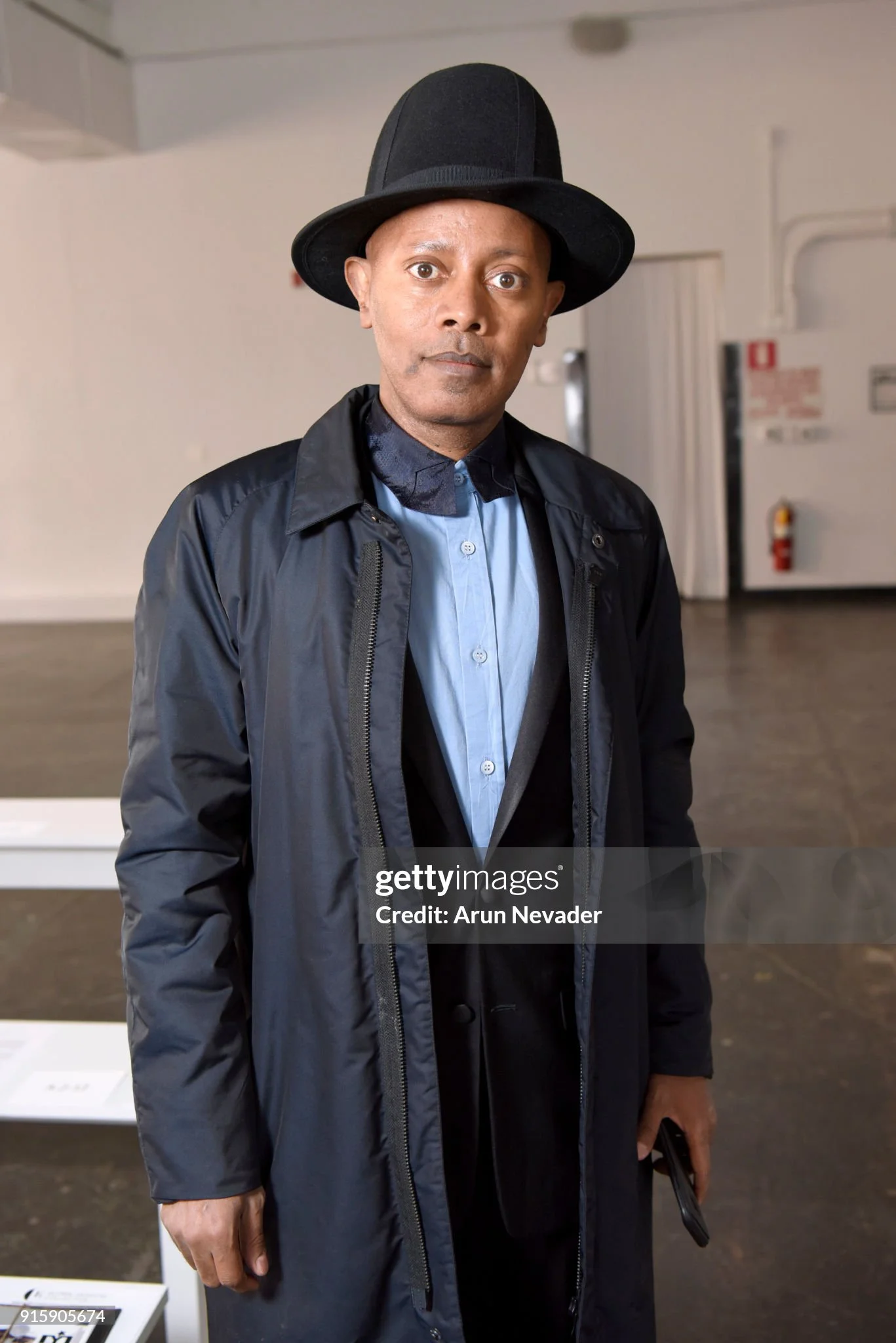
Image of Jamal Abdourahman - link to image source
SAYF
Sinan presented SAYF “Excellence” at London Fashion Week with Global Fashion Collective, unveiling a collection that powerfully merged cultural legacy with modern streetwear sensibility. Since 2013, the designer has reinterpreted traditional Arab, African, and Asian classics through an instinctive lens, blending cultures and contrasts into bold, contemporary forms. “Excellence” paid tribute to artisans, artists, and creators around the world, honouring the precision, dedication, and care embedded in handmade work. Through thoughtful construction and elevated detailing, the collection celebrated craftsmanship as both process and purpose — a reflection of Sinan’s vision to build not just a brand, but a platform for creativity brought to life.
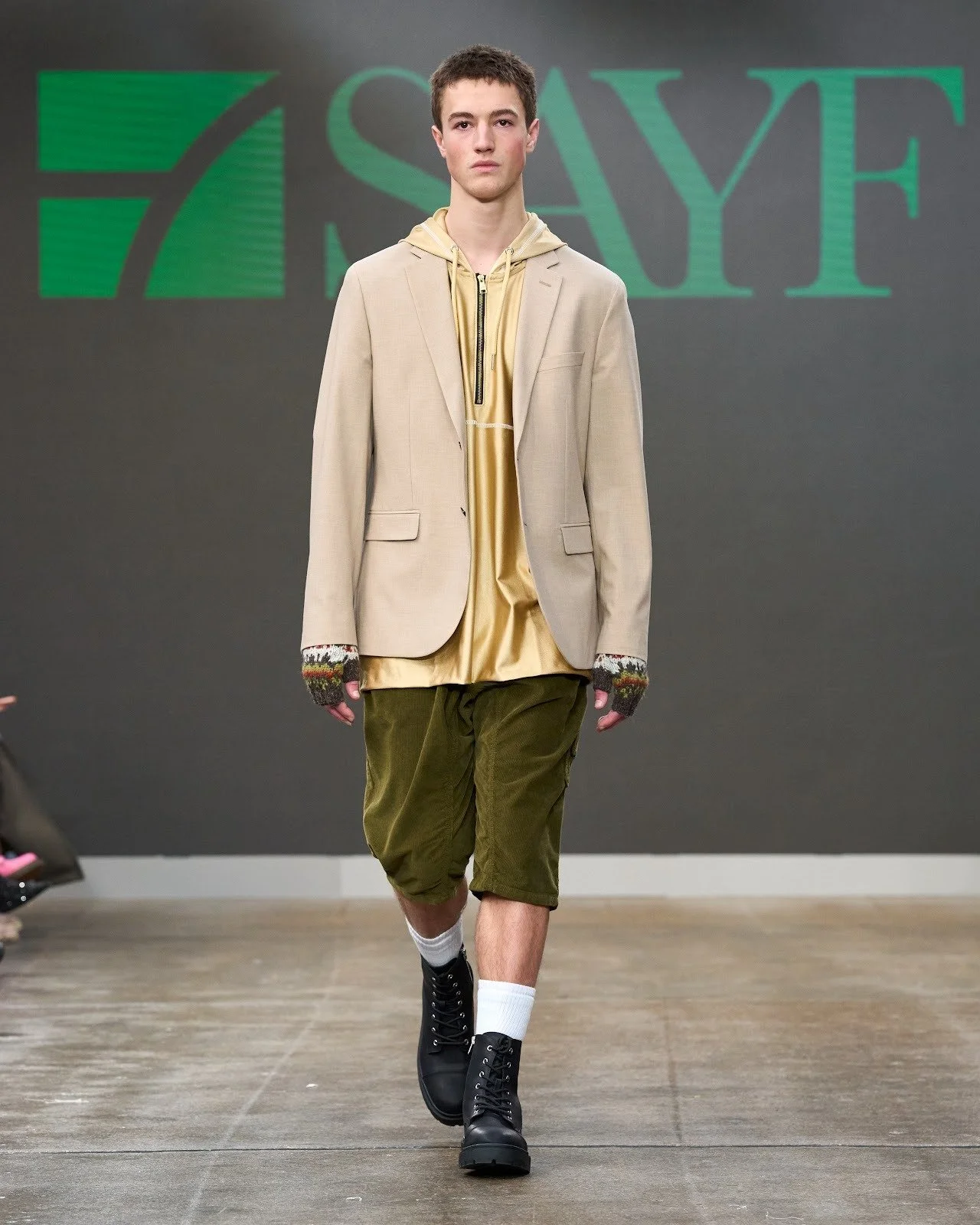
SAYF
What 3 words would you use to best describe your brand?
Street-wear, multi-cultural & traditional.
What made you enter into the fashion industry?
Originally a rapper, it was during the process of making music and visuals he explained, that he found himself organically growing more and more fascinated with fashion.
How did you transition from music into fashion?
As part of creating music videos, he used to make T-shirts. In turn, this process (e.g. developing the skillsets required for tailoring, graphic design, etc) introduced him to what would become his passion for fashion. As time went on, he came to love the experience of creating his own styles, and this love for the craft(s) evolved into the collections that we see today.
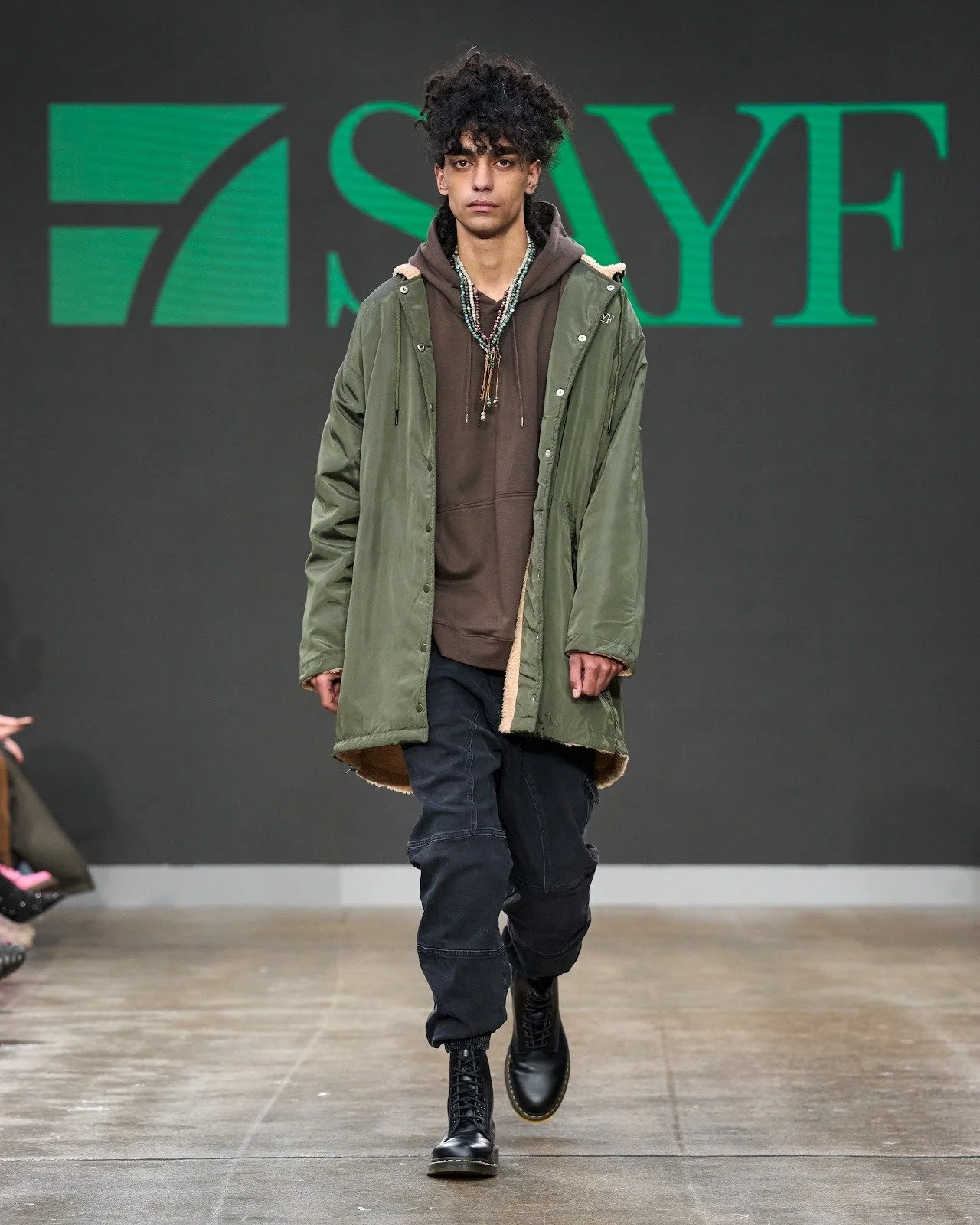
SAYF
What is the inspiration behind how you design your pieces/collections?
He explained that as he began his journey in the industry, he spotted the need for a brand that was at the intersection of multi-culturalism, elevated tailoring, and rooted in traditional/contemporary Arab fashion. He specifically pointed out that it is the cultural (and not religious) aspects that he wants to focus on.
Having Moroccan heritage, why is it important to showcase your North African and Arab culture in your brand and designs?
Inspired by where he comes from, coupled with the desire of authentically expressing himself, he highlighted that he was compelled to design clothes that authentically showcase elements of his heritage. That said, he has deep respect and admiration for other cultures (with him giving a big nod to Black-American culture). He is not restricted to North African and Arab culture – rather, he embeds other cultures into his creations.
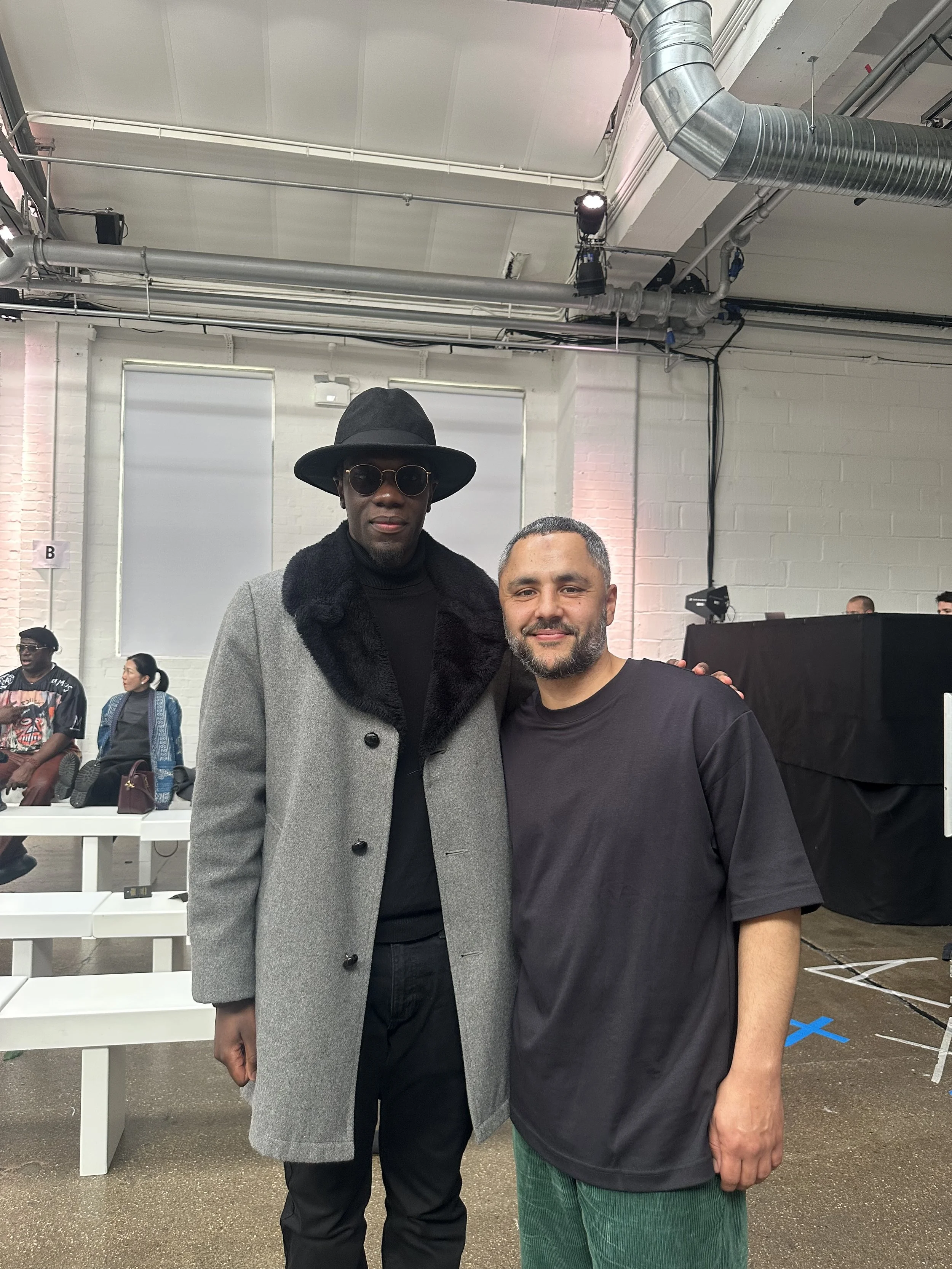
Norman Busigu and SAYF Founder Sinan
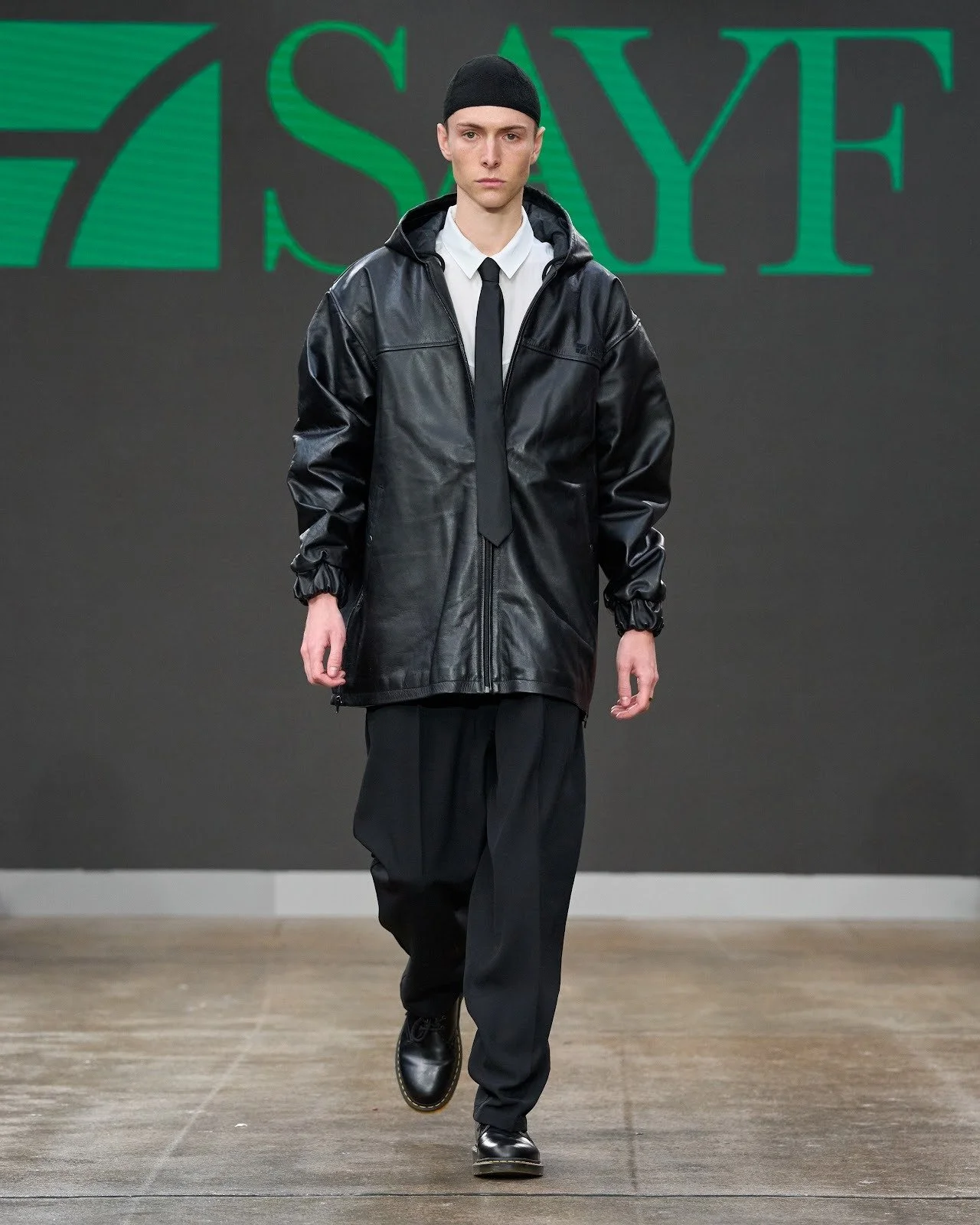
SAYF
OLENA ADAM
Ukrainian multidisciplinary artist and creative director Olena Adam presented her latest womenswear collection at London Fashion Week with Global Fashion Collective, continuing her refined exploration of modern ceremonial dressing. Rooted in cultural heritage and elevated through contemporary design, the collection embodied a quiet yet powerful expression of femininity. At the heart of the presentation was the brand’s signature Festan garment — a versatile, non-seasonal silhouette that seamlessly merges Eastern fluidity with European refinement. Through meticulous craftsmanship, intentional construction, and graceful movement, each piece was designed to honour presence and individuality, offering timeless womenswear defined by strength, elegance, and purpose.
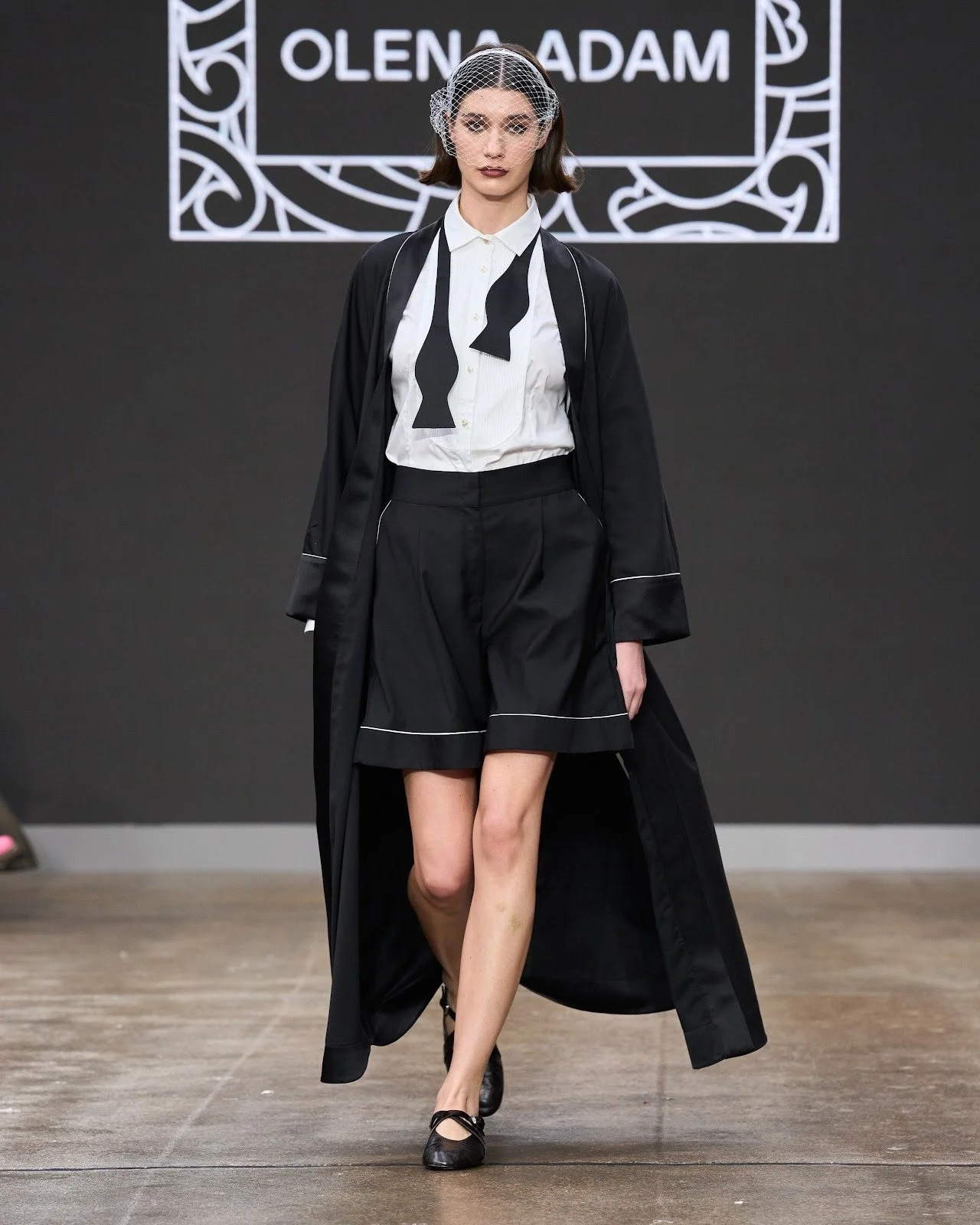
Olena Adam
The runway was infused by Azzi Glasser of The Perfumer’s Story with her iconic fragrance Fever 54 — a sensual, tenacious composition of deep florals and hedonistic spice, reflecting the sense of East meeting West, and of emotional extremes, leaving a provocative, intimate trail to mirror the collection’s dialogue between strength and softness.
What inspired you to enter into the fashion industry?
Olena explained that the foundation of her journey into the world of fashion arises from her love of simply “wearing women’s dresses”. Over time, this evolved into a deep-seated passion to create dresses which were both “comfortable” and “practical for life”. Also, being an avid traveller and enthusiast of experiencing other cultures, she proudly embraces multiculturalism. This has given her a uniquely global outlook to life which she believes is reflected in her brand - later revealing that she desires for it to ultimately be regarded as a “brand of the people”.
Touching more on her experiences in the UK, she highlighted that this was her first show in London, and she hopes to do more in this city. With London being renown as a melting pot of cultures, she wholeheartedly embraces the multi-culturalism that exists in the DNA of this city. Because of the spirit that this city carries, she believes that people truly “understand” her here. Akin to this same feeling of acceptance that London gives her, she hopes her clothes will give women this same feeling, while also empowering them to feel beautiful and comfortable.
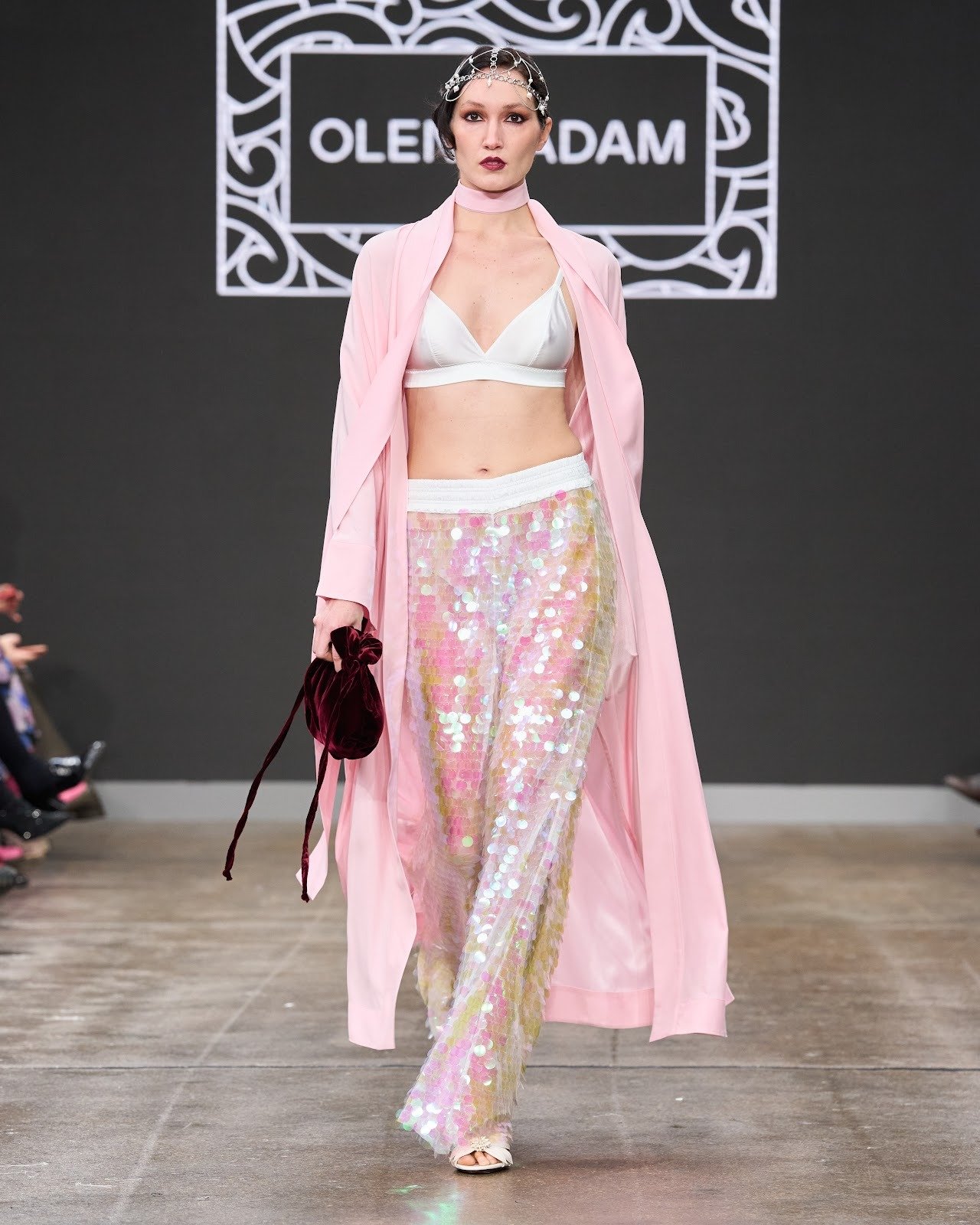
Olena Adam
Being from Ukraine, how do you feel the war has impacted the capacity of Ukrainians to create? Specifically, how has the war affected you in this respect?
She explained that it is because of the war, that she wants consumers to know that her brand is Ukrainian. This is a way of spreading additional awareness to the world of what is happening in her country, whilst also showcasing the richness of her culture. She then touched on the manufacturing and production challenges caused by the war - for instance, the unfortunate reality of not always having electricity. But despite these difficulties, her team are able to create beautiful pieces, and for her, this is worth celebrating.
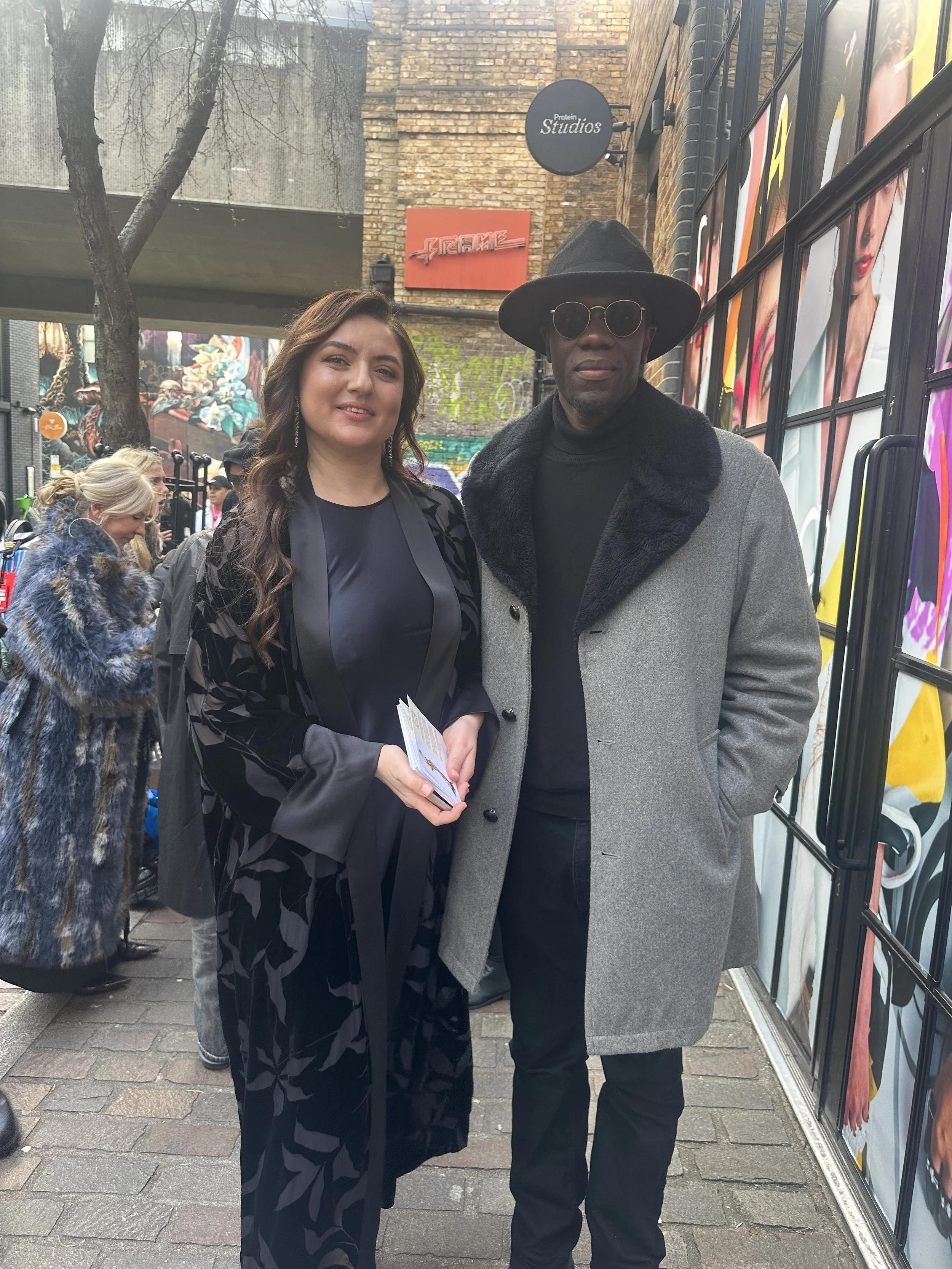
Image of Olena Adam and Norman Busigu
What advice would you give to anyone reading this?
Without hesitation, she expressed to me that one should “love the things you make; Don’t pay attention to others; Don’t follow trends”. From this, she emphasised to stay true to one’s ideas. Interestingly, she was honest in truthfully revealing that initially she fell victim to this, and did look at/compare herself to others. This had the negative outcome of diverging her trajectory, vision and progress. It was only when she truly focused on herself, that the results she wanted began to appear.
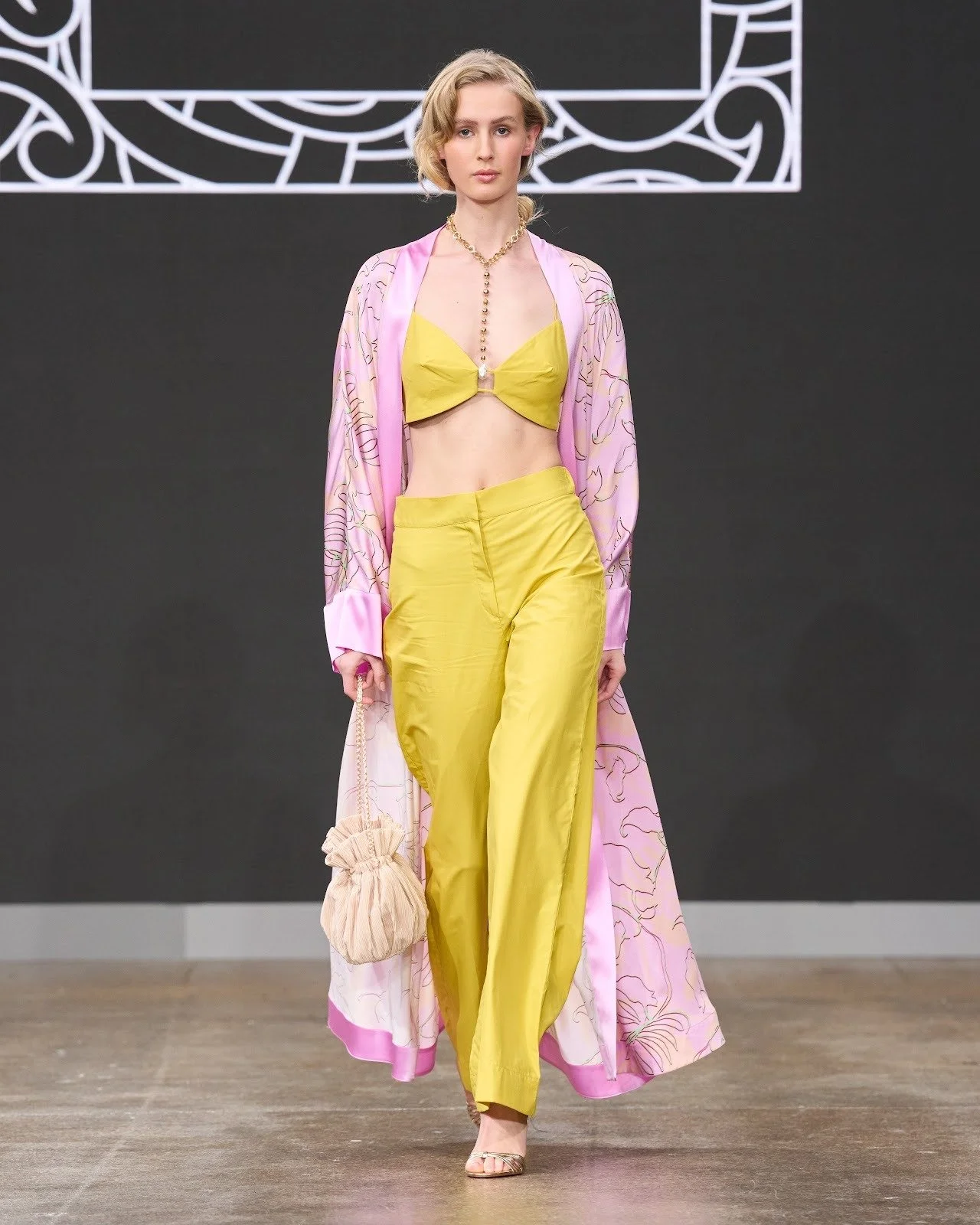
Olena Adam
ALEX S. YU
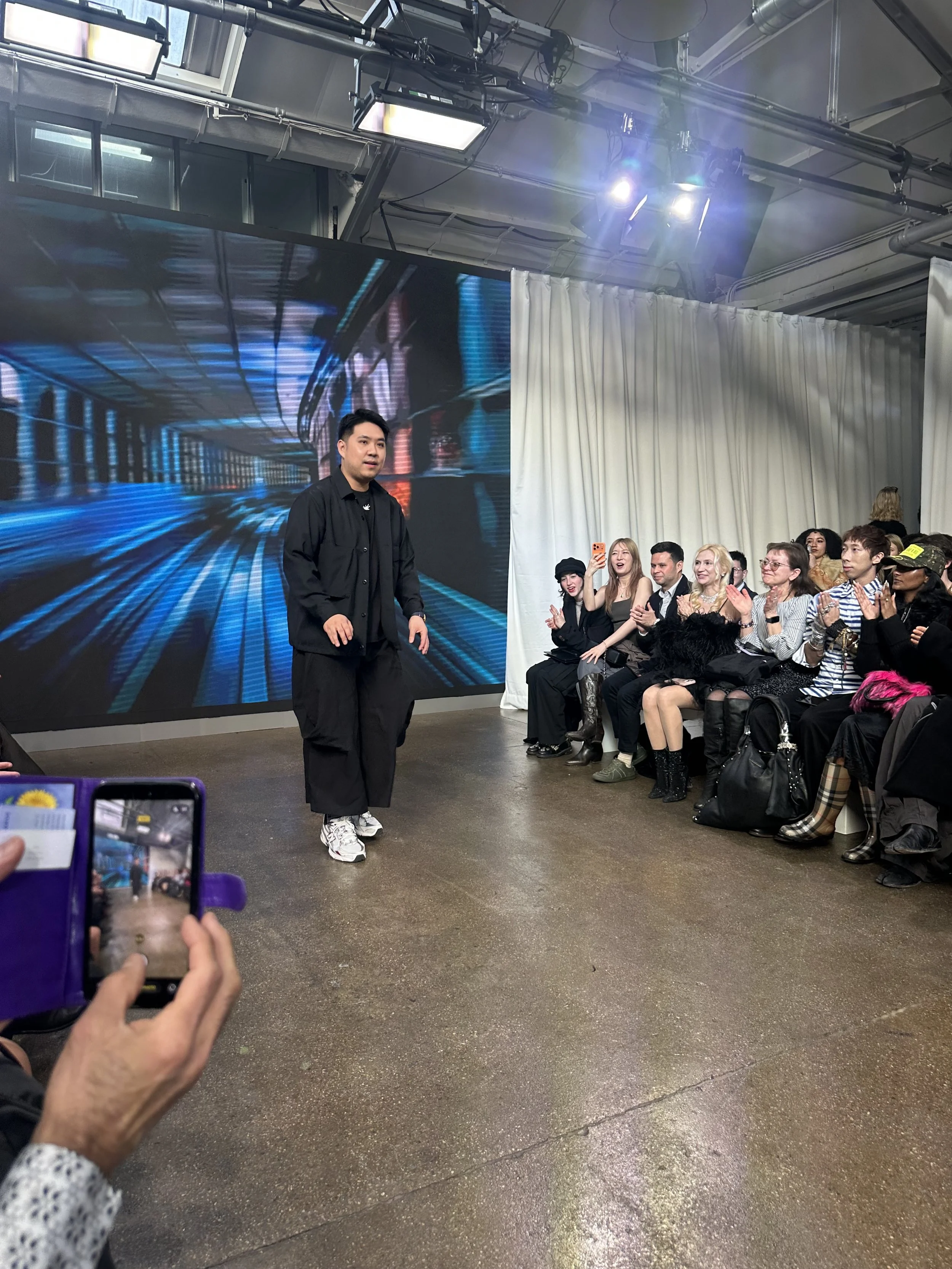
Image of ALEX S. YU
Taiwanese-Canadian designer ALEX S. YU at the GFC showcase unveiled his Fall/Winter 2026 collection, a flicker of murmur. The collection traced a poetic journey back to a secret map of childhood memory, paying homage to a hidden urban forest that once became an entire universe for a young explorer guided only by imagination. Earthy tones of burgundy and rich brown were grounded in black and white, while flashes of indigo punctuated the palette with vivid recollection. Oversized plaids, soft volume, and relaxed silhouettes evoked the warmth and unstudied ease of youth, as the concept of imaginary companions was subtly woven into the fabric of each look—an ode to the little explorers we once were.
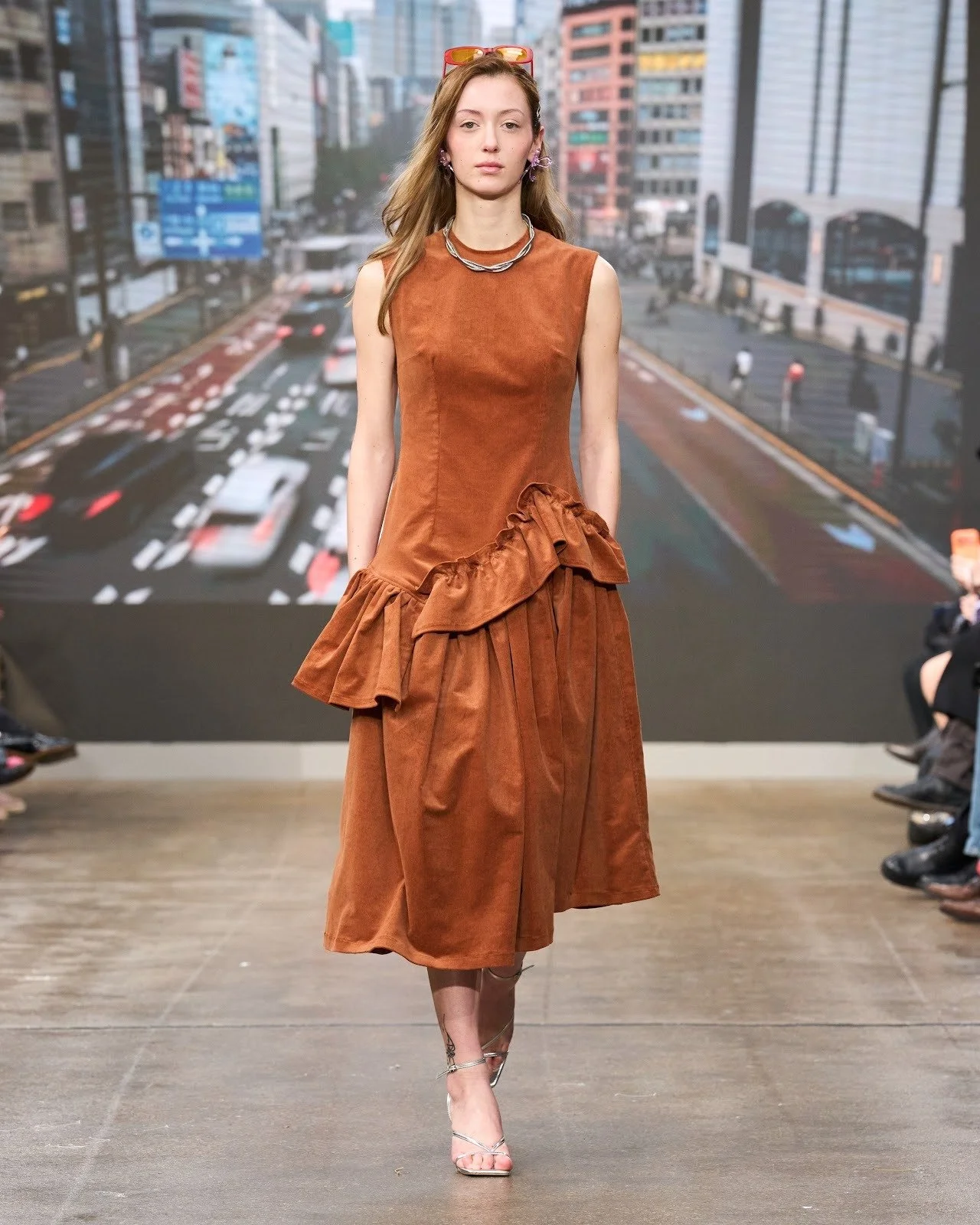
ALEX S. YU
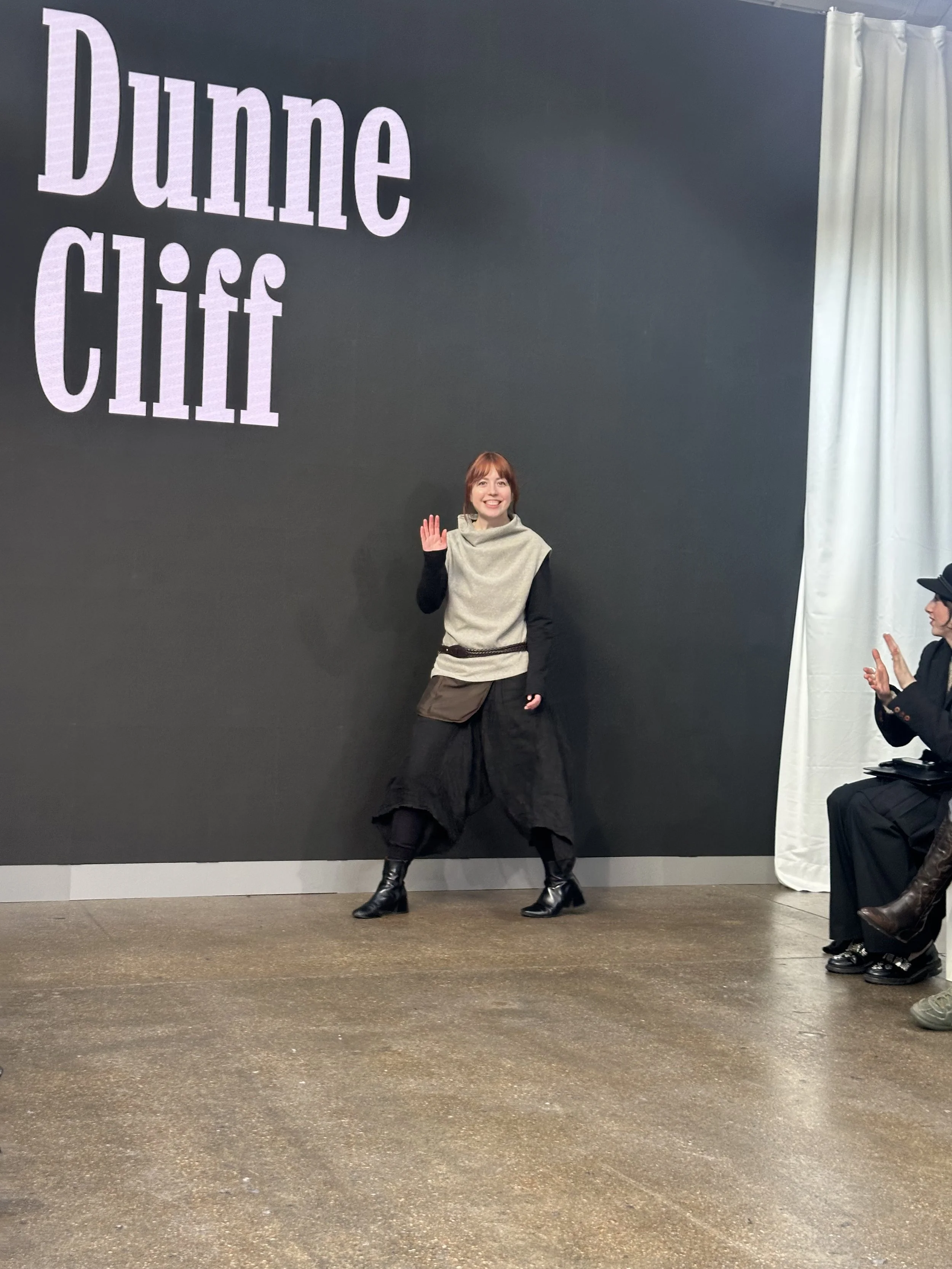
Image of Allison of Dunne Cliff
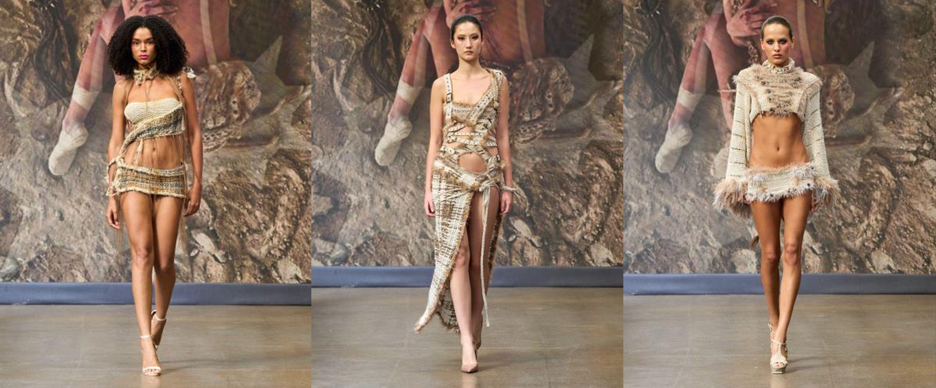
Emerging Canadian designer Allison of Dunne Cliff presented her latest collection at the GFC showcase, offering a thoughtful meditation on craft, philosophy, and time. Rooted in the brand’s ethos of “clothing as essay,” the collection explored the tensions between heritage and innovation, humour and history, positioning each garment as a deliberate study in balance and irresolution. Handcrafted knitwear and meticulously constructed pieces served as both narrative and medium, expressing the swing of the pendulum between opposing ideas while embracing imperfection and contemplation. Through textured forms and considered silhouettes, Allison transformed garments into wearable meditations—reflecting on technology, memory, and what could be—continuing her evolution as one of Canada’s most conceptually driven emerging voices.
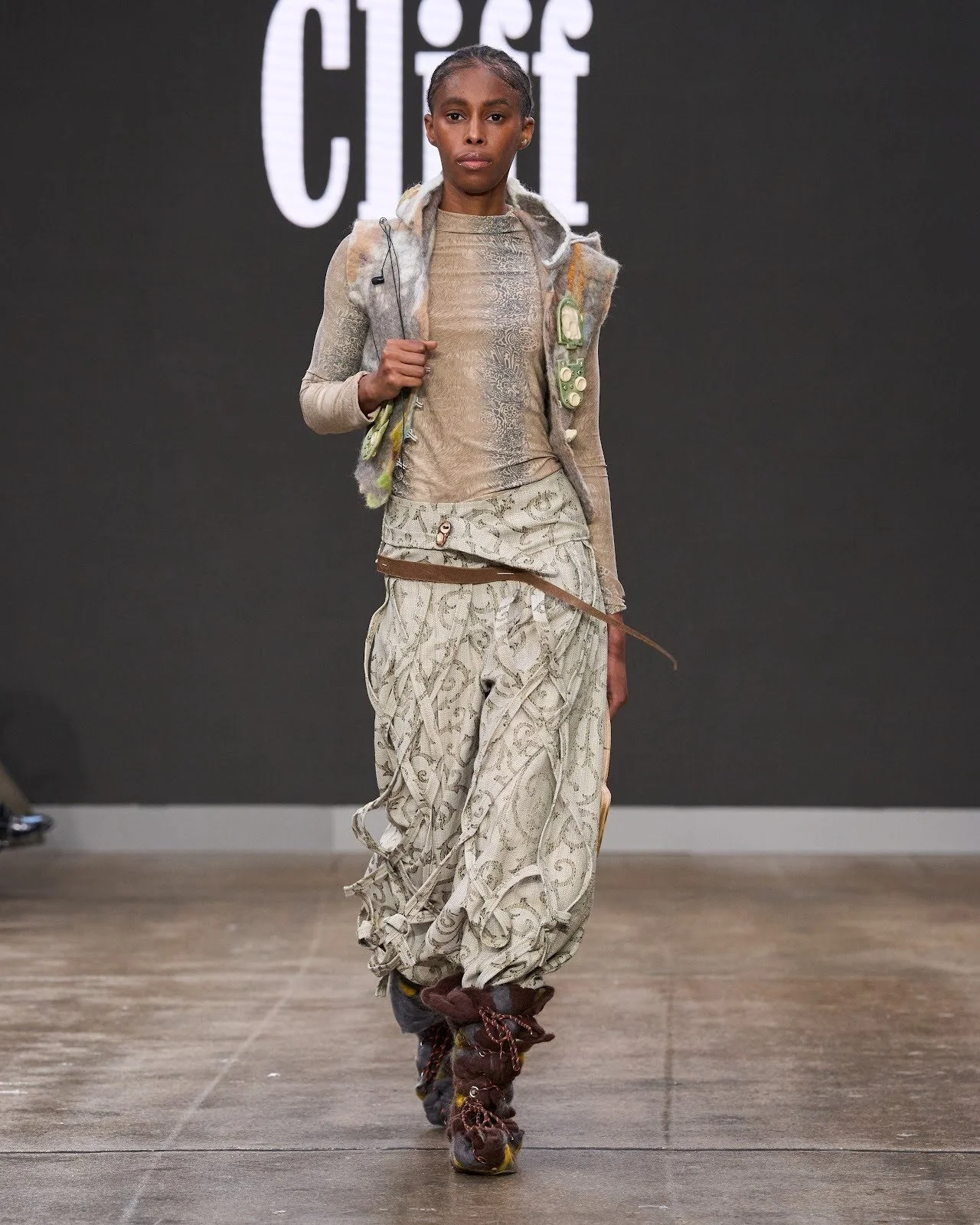
Dunne Cliff