TN Africa: The Pan-African Digital Newsroom Reclaiming Our Narratives & Leading Precedent-Setting Summits
This article was drafted by Norman Busigu
The Newsroom Africa (TN Africa) is much more than just a news website providing comprehensive coverage of current affairs across the African continent. With Senanu Damilola “Dami” Wemakor - based in Accra, Ghana - at the helm as one of its core members, TN Africa is a fast growing pan-African movement centred around cooperation, knowledge exchange and unapologetically leading important conversations concerning the future of our continent - with a marked focus on climate change and storytelling in this context. TN Africa are ensuring that we collectively (the diaspora and those on the continent) are talking to each other - and not at each other - through meaningful discourse on topical matters including climate change, A.I., politics, investment and culture. Their wider mission is to move journalism from conversation to action, and from influence to accountability.
TN Africa are intentionally reclaiming the narrative of African stories from traditional western media, ensuring that our stories are authentically articulated with the urgency, accuracy and dignity that they deserve - but have not always received. To this end, TN Africa spotlights African voices, amplifies underrepresented stories and are equipping the next generation of journalists and content creators with the resources required to shape public discourse accordingly.
Indeed, with a steadily growing database of over 700 journalists and media practitioners, TN Africa is committed to fulfilling their mantra of ensuring that Africans have ownership of our stories, whilst building trust with their audiences. The TN Africa team also realise that this can only be achieved through creating infrastructure which ensures that the necessary funding and tools are provided for this to be a sustainable venture, and not just lip service.
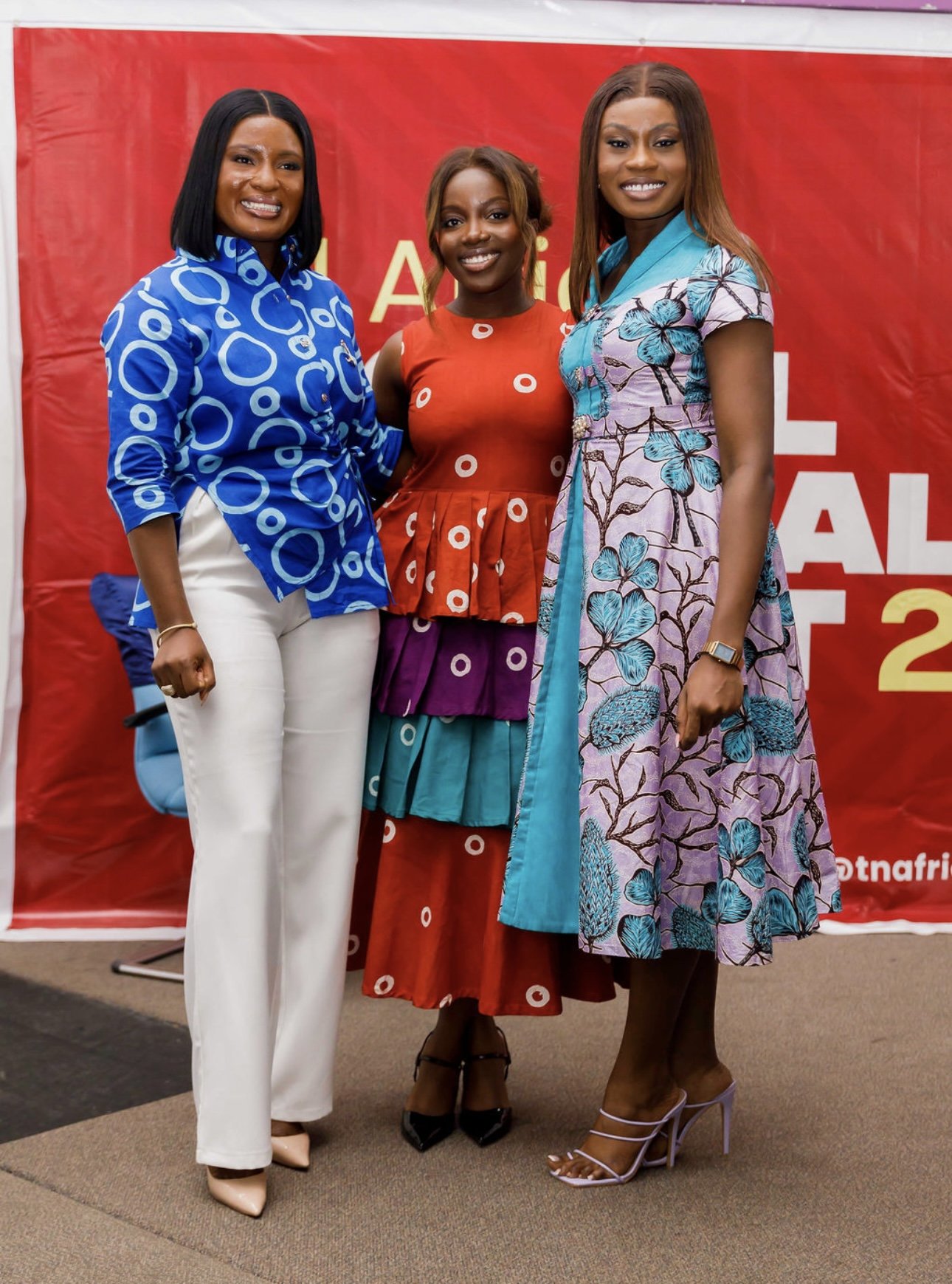
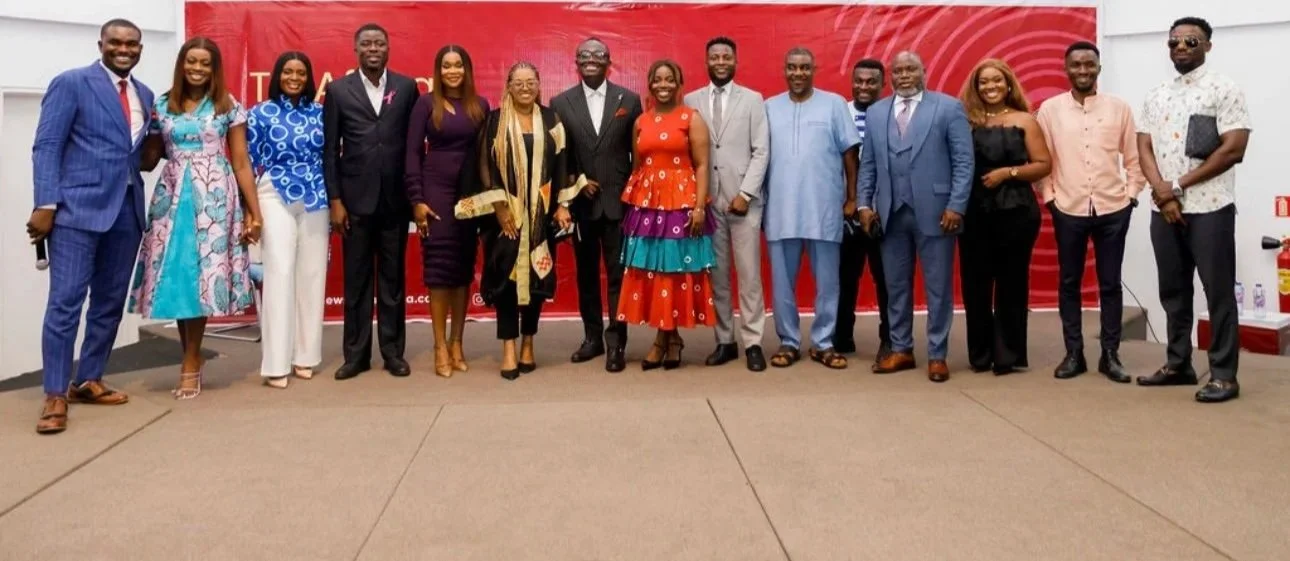
What distinguishes TN Africa’s offerings and spirit from other media publications, is the fact they have successfully hosted two precedent setting digital journalism summits in Ghana and Kenya. These have held the overarching aims of building climate communication capacity, connecting journalists and creators to climate conversations, and promoting African-led storytelling around solutions and resilience. These ambitious ventures have enabled TN Africa’s presence and reach to extend beyond the realms of internet and firmly into real life of Africans across the regions of the continent.
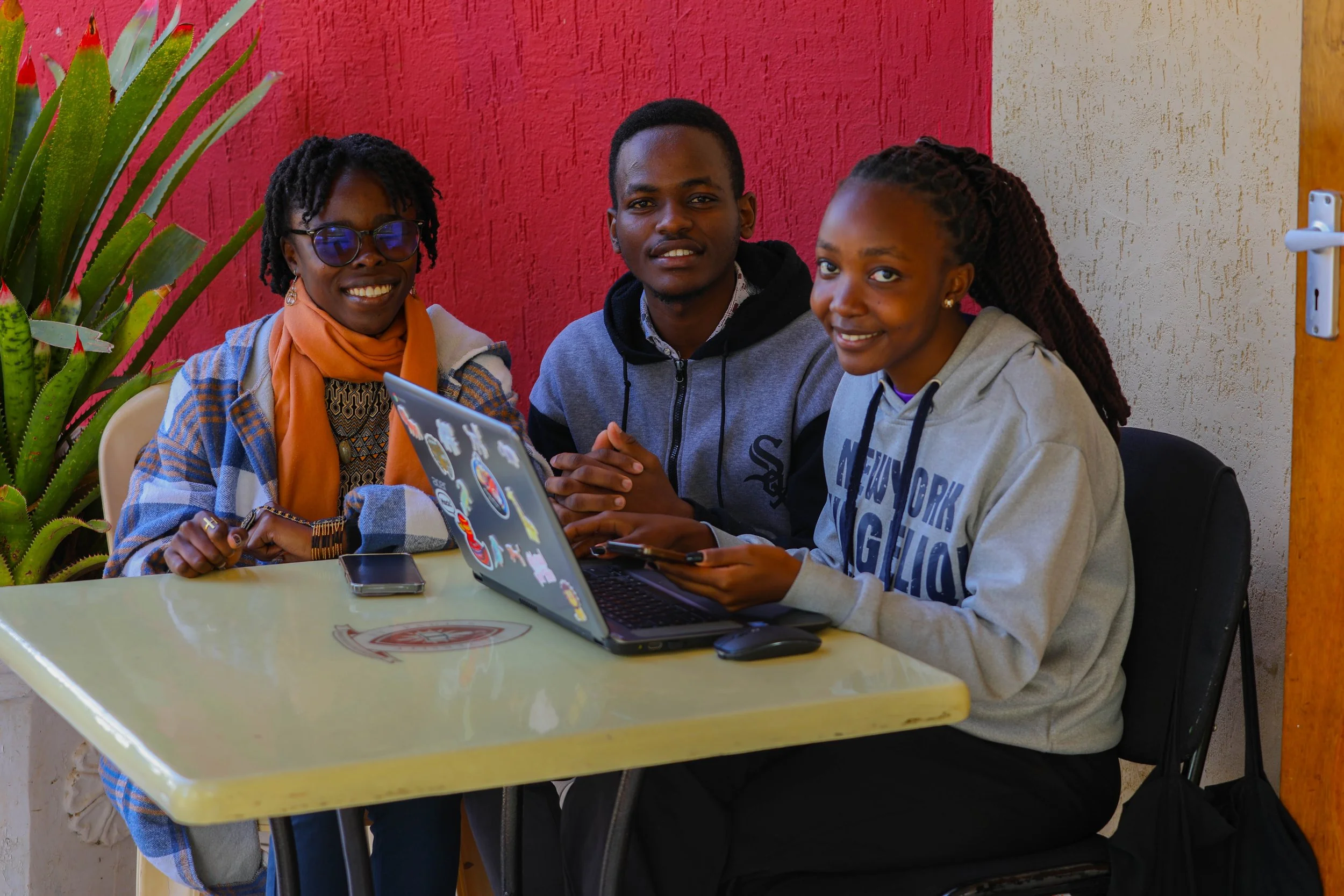
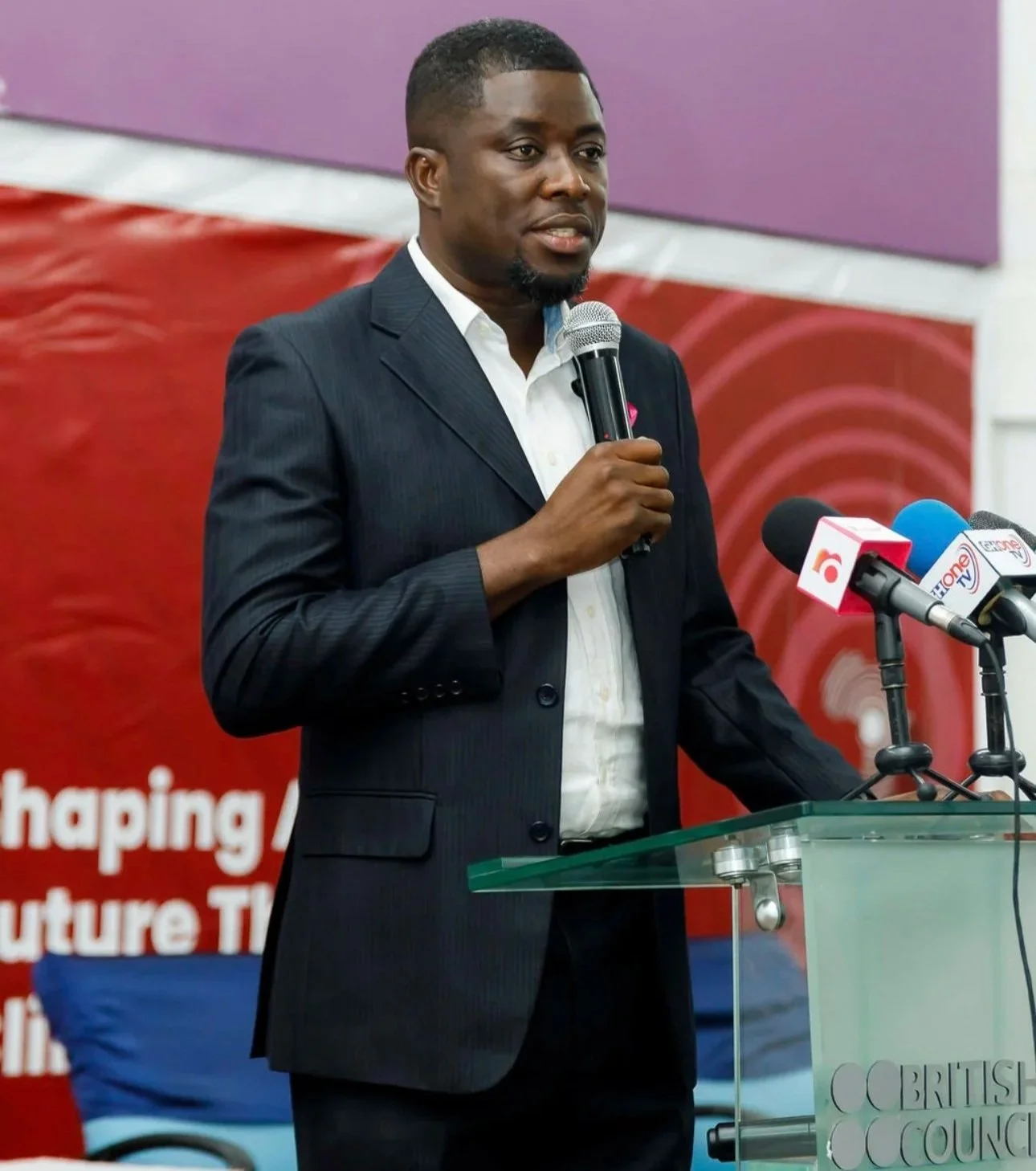
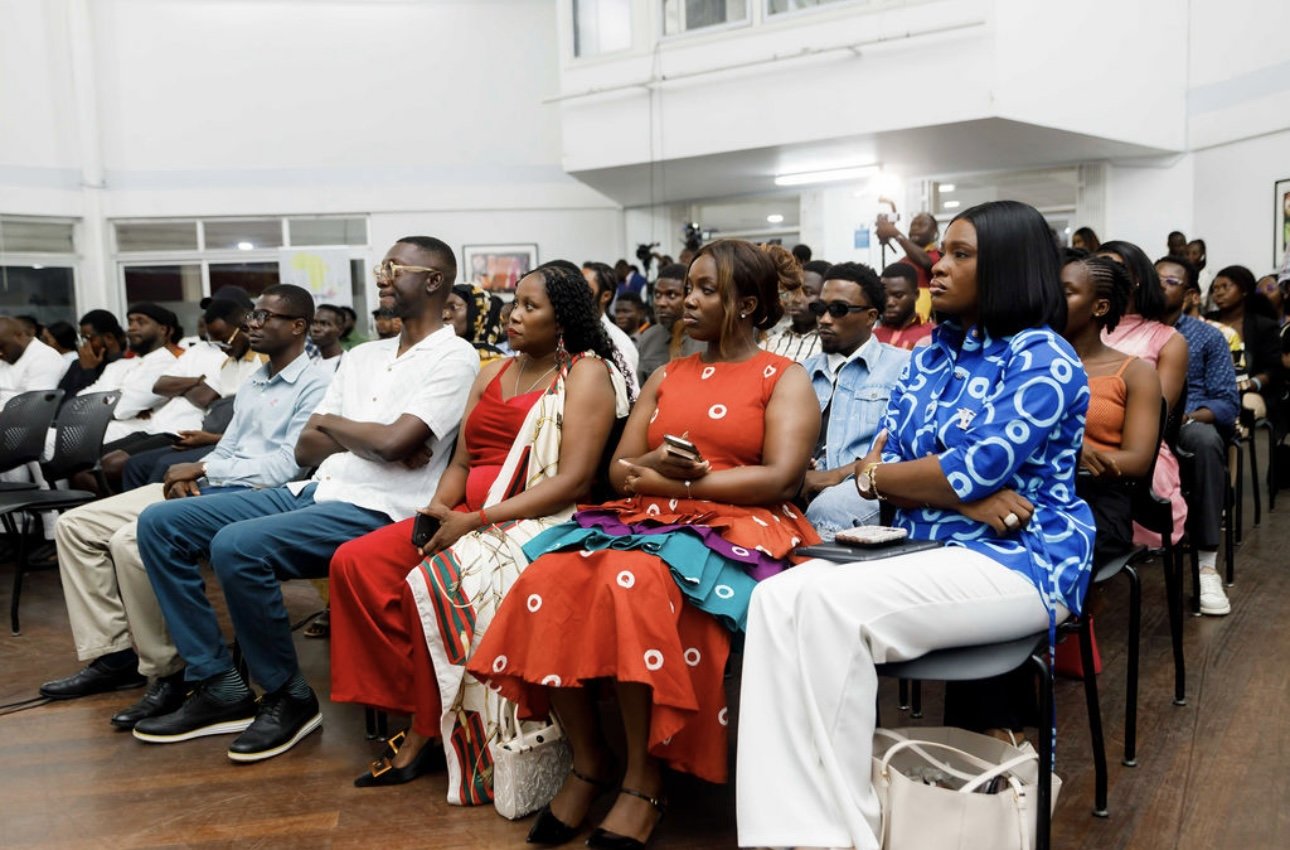
The maiden edition of the TN Africa Digital Journalism Summit was held in Ghana in October 2025 at the British Council. In their words, it was “born out of urgency, responsibility and belief in the power of journalism to shape Africa’s future.” With the theme of the summit being “Shaping Africa’s Future Through Climate Journalism” high profile attendees included Bola Ray and Her Excellency Juliette Bynoe-Sutherland, Barbados High Commissioner to Ghana, with the latter highlighting that “the climate crisis is not a distant threat, its here, its real, and its affecting lives every day”. Successfully convening over 250 participants, it emphatically marked the beginning of TN Africa’s climate storytelling journey. This was followed by an evolved sophomore summit in Kenya at St Paul’s University in 2026.
I recently caught up with Dami to gain exclusive insights into these exciting summits held in Ghana and Kenya, how TN Africa is working toward their mission of building an enduring news distribution network ecosystem for journalists (that also truly serves the needs of those on the continent), differences between East and West African media structures he has observed, the power of journalism and storytelling to bring effective change across Africa, and more…
***
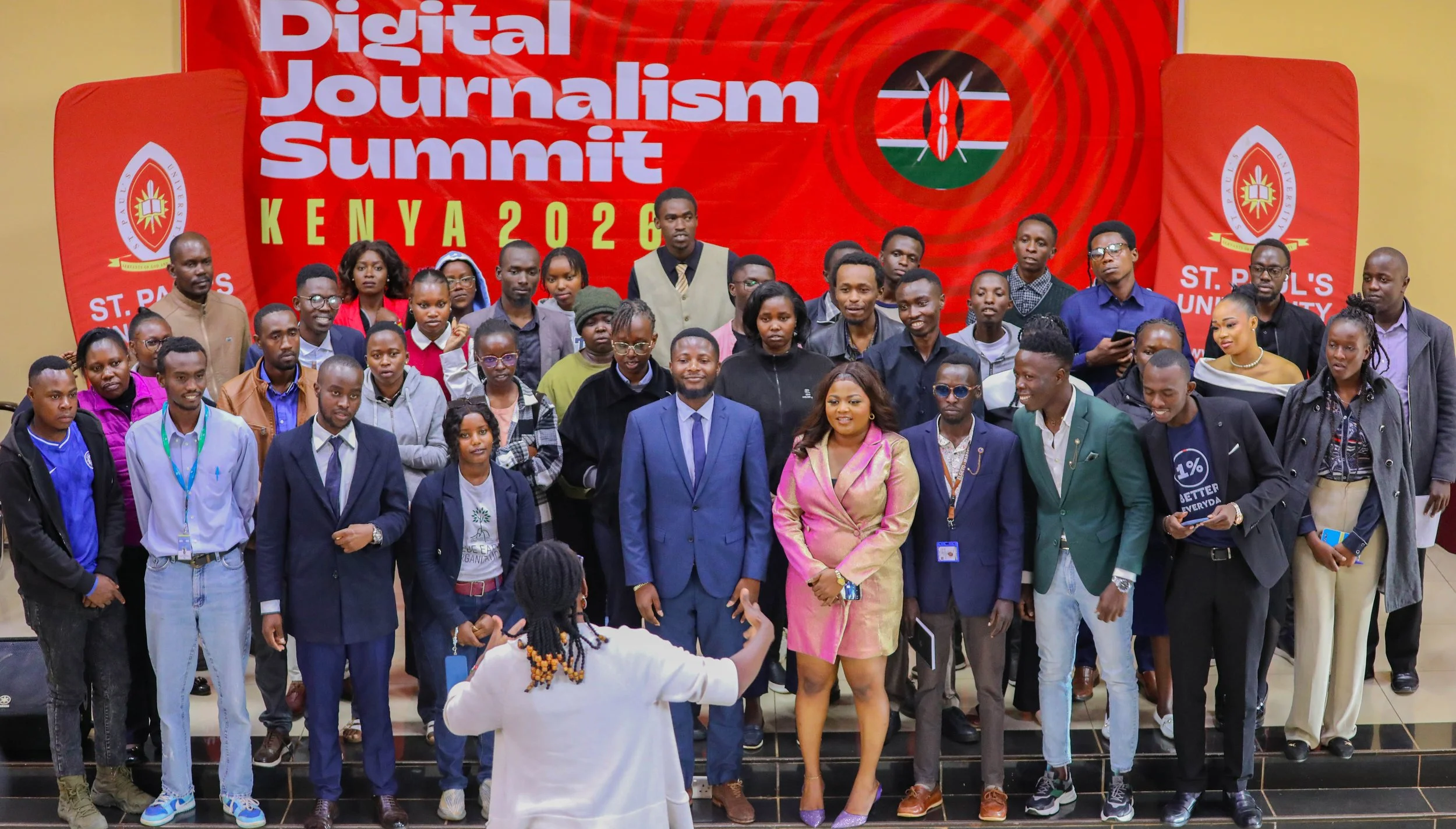
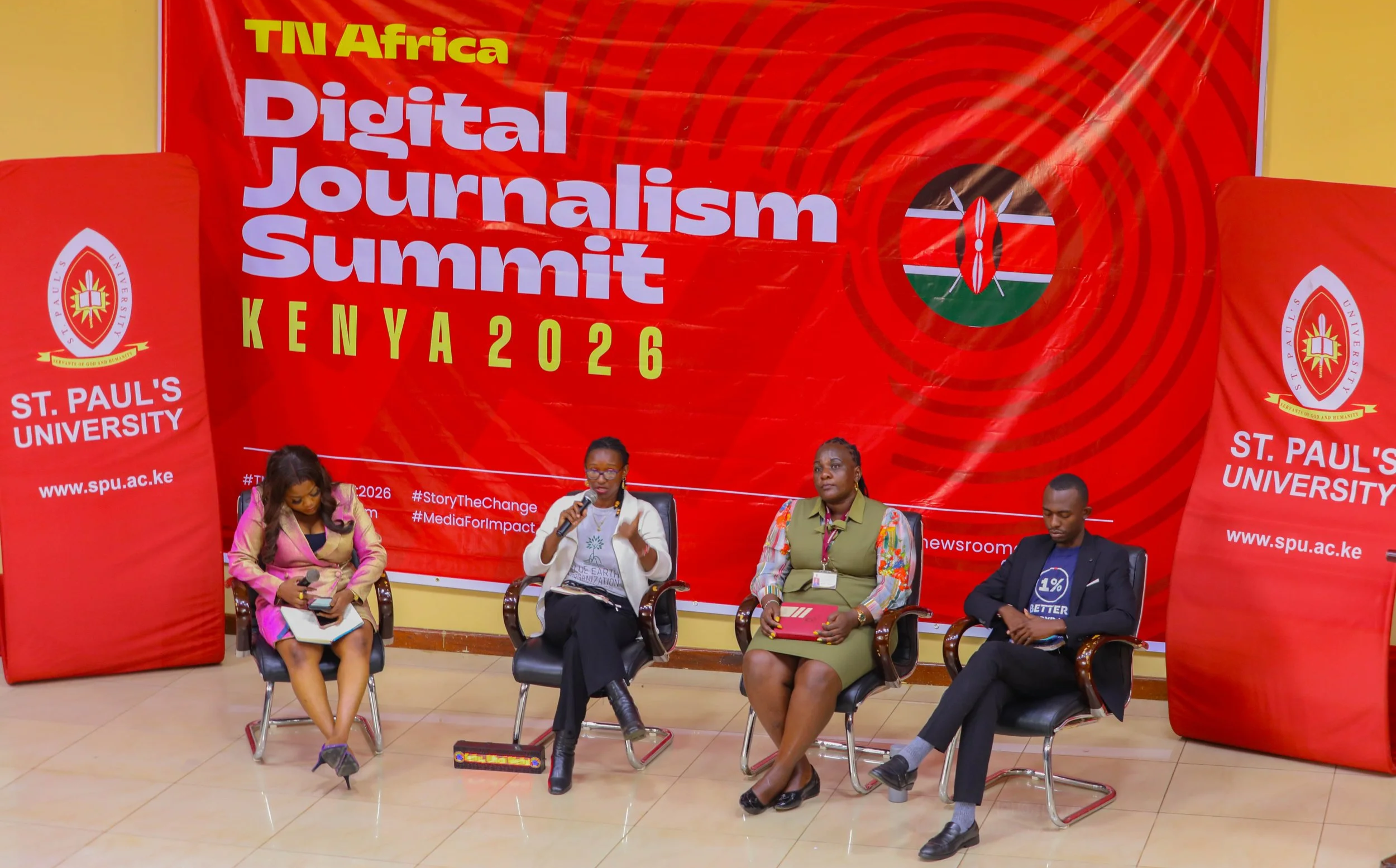
On 31st March 2026, TN Africa hosted its 2026 Digital Journalism Summit in Kenya at St. Paul’s University – with the theme being “Telling Africa’s Climate Change and Food Story In The Digital Age”. Can you explain why this theme was chosen, what the core aims of the Summit were, and whether these were achieved?
We chose this theme because climate change and food insecurity are no longer future concerns for Africa; they are lived realities. Across the continent, we are witnessing floods, droughts, coastal erosion, changing rainfall patterns and food supply challenges. Yet Africa still contributes a disproportionately small volume to global climate journalism despite carrying some of the heaviest climate burdens. The issue is not simply climate. It is shifting the narrative.
The digital age has changed how people consume information. Young Africans are increasingly learning through social media, digital creators, podcasts, short-form video and online journalism. So, we asked ourselves a simple question: if the conversation is already digital, why should climate awareness remain confined to academic reports and policy rooms?
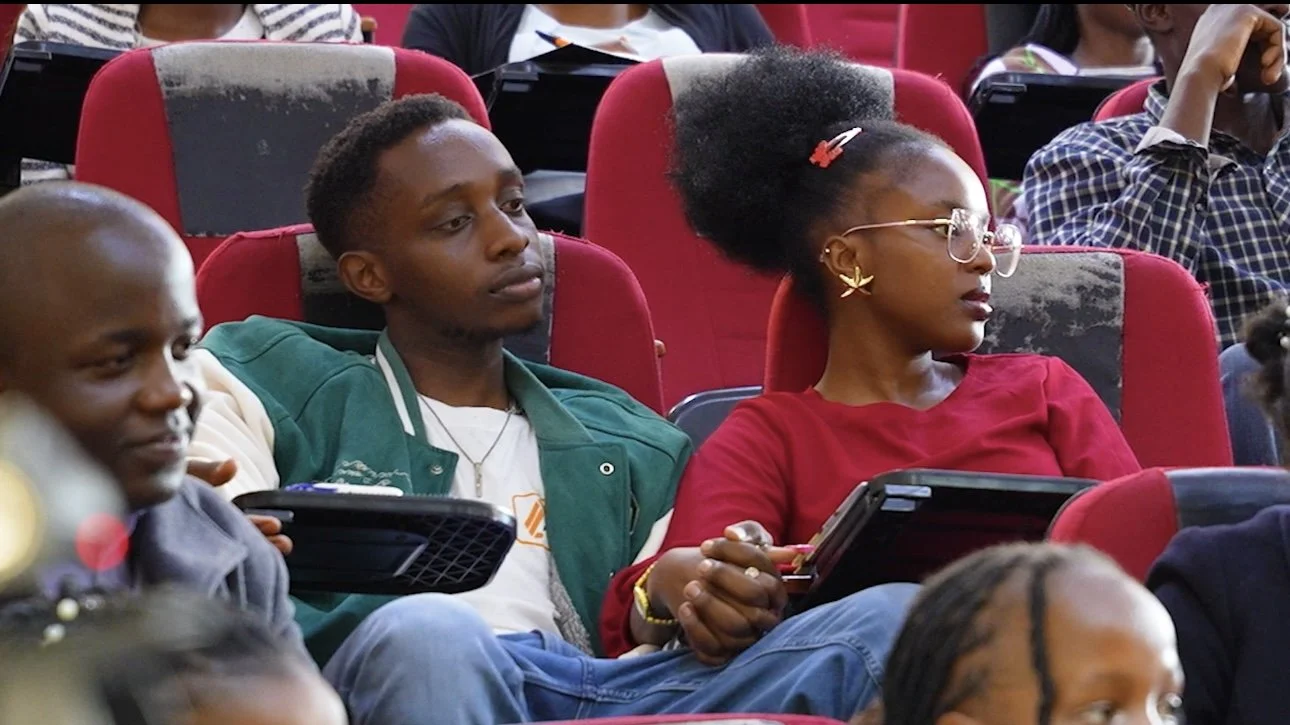
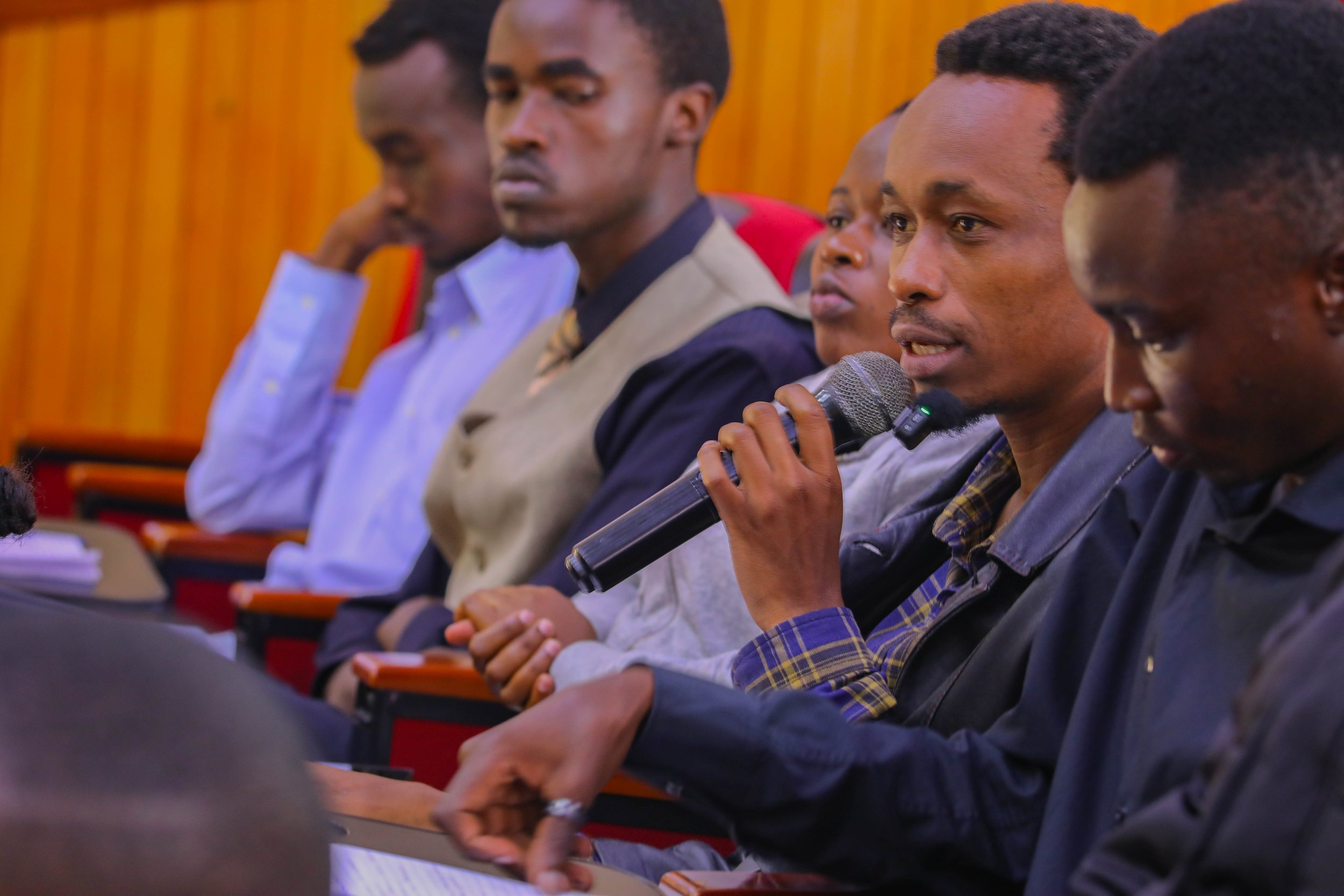
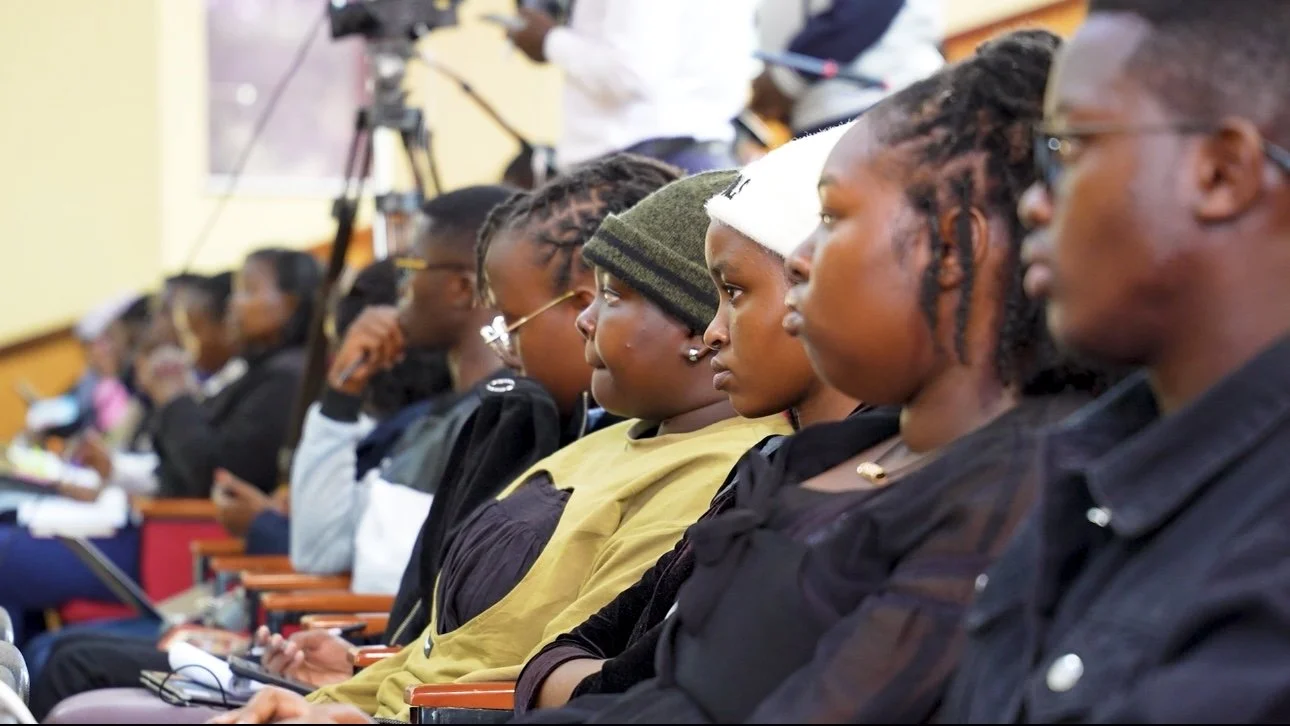
The summit therefore aimed to do three things: build climate communication capacity, connect journalists and creators to climate conversations, and promote African-led storytelling around solutions and resilience. I believe we achieved those goals meaningfully. The Kenya summit brought together participants from multiple countries, officially launched the #StoryTheChange initiative, generated media coverage and strengthened institutional relationships, including follow-up discussions with St. Paul’s University toward future collaboration. For us, success is not measured by applause. It is measured by what continues after people leave the room.
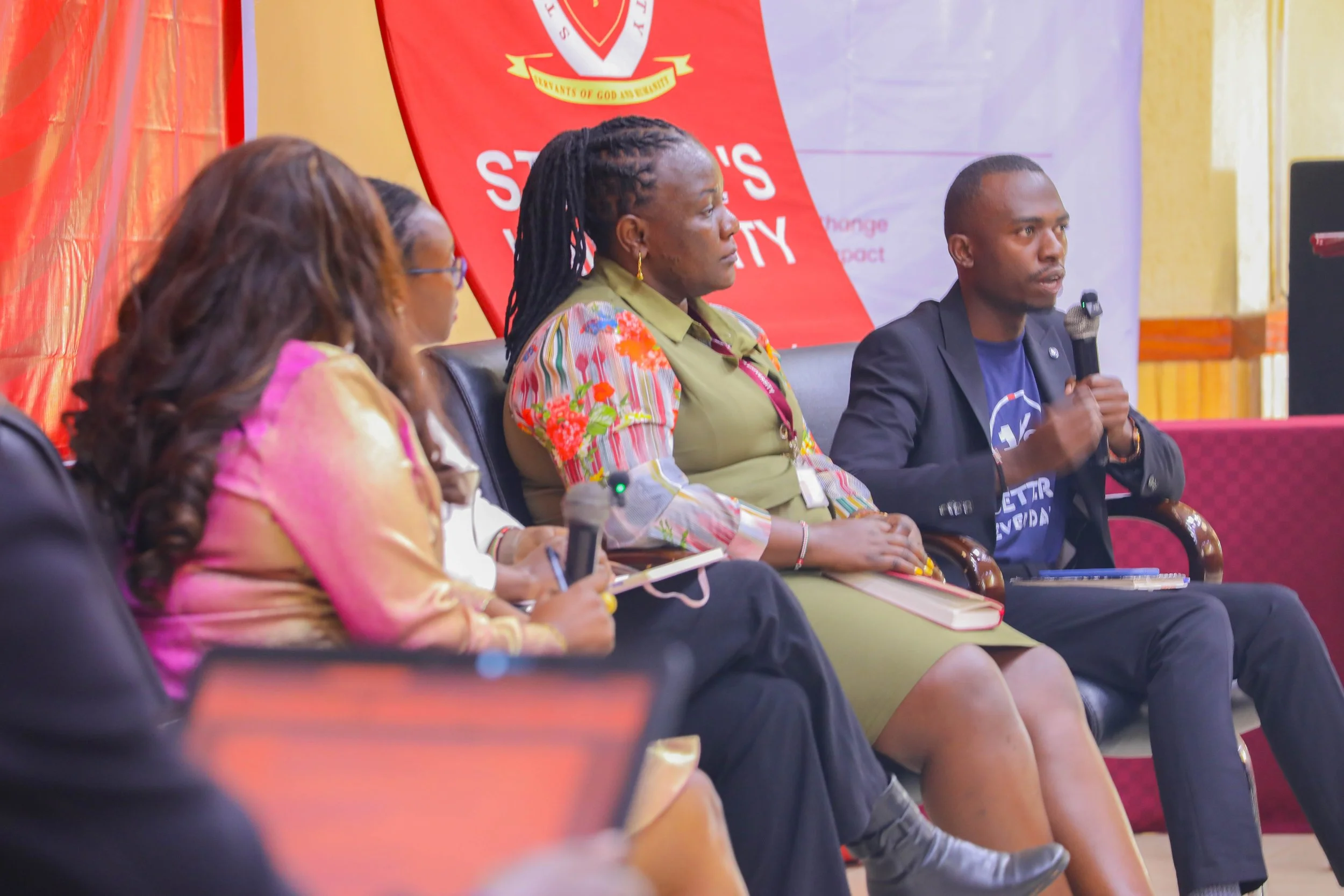
How did the 2026 Summit in Kenya build off the successes and lessons learned from the first Summit in Ghana (October 2025)? Can you tell us abit about the previous summit?
I’ll want to appreciate the TN Africa team, partners, patrons and our community for putting together both summits. The Ghana summit was our foundation. Held in October 2025 at the British Council in Accra, it convened over 250 participants and marked the beginning of our climate storytelling movement. One of the strongest outcomes was the recognition that climate storytelling must move beyond isolated events and become a sustained ecosystem. That summit brought together journalists, students, policymakers and climate advocates, including Her Excellency Juliette Bynoe-Sutherland, Barbados High Commissioner to Ghana, whose participation reinforced the global nature of climate conversations.
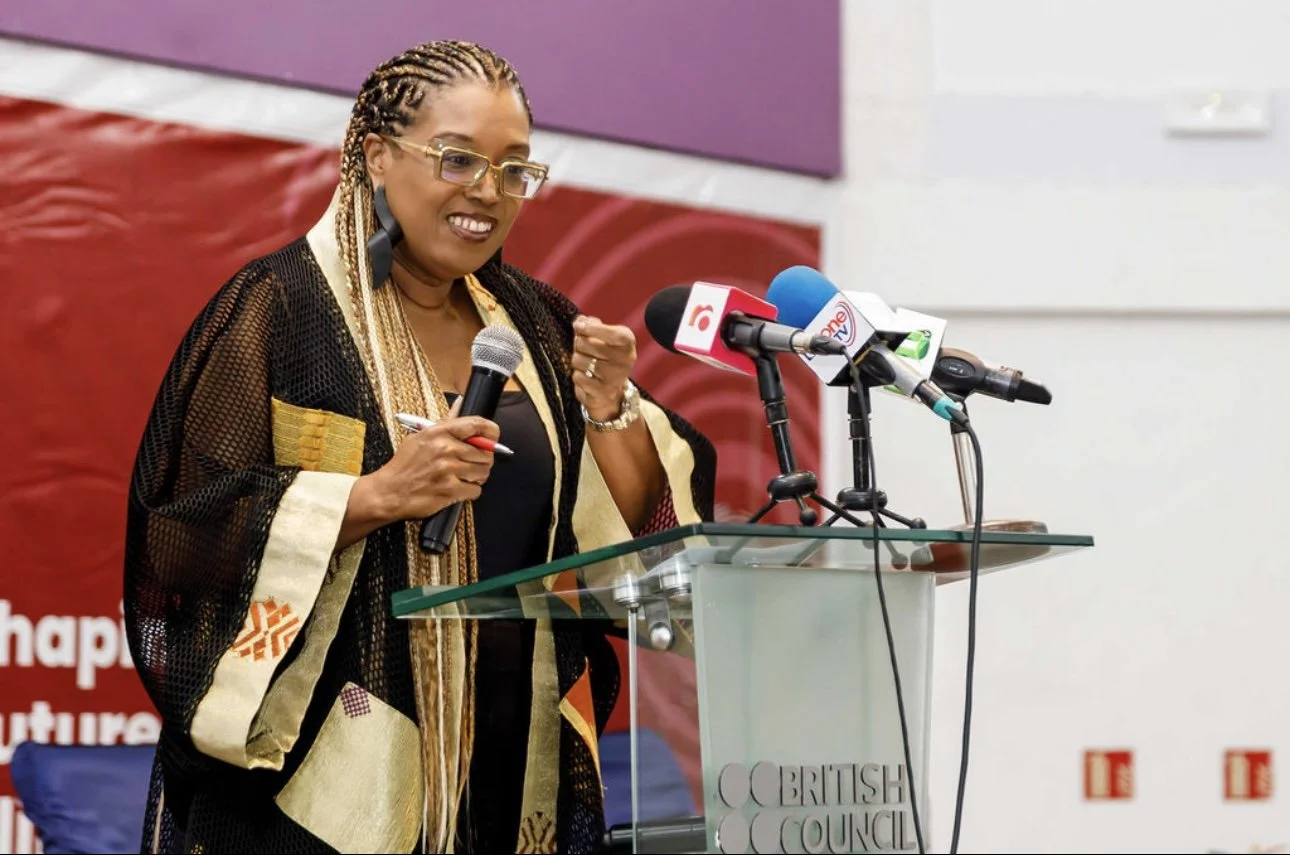
Pictured: Her Excellency Juliette Bynoe-Sutherland, Barbados High Commissioner to Ghana
We also saw the emergence of what became the British Council Accord, discussions around school outreach, and media commitments including GHOne TV’s support for climate storytelling. Kenya was therefore not a repetition. It was an evolution. If Ghana asked, “Why does climate storytelling matter?” Kenya asked, “How do we build systems around it?” That is why Kenya became the official launch point for #StoryTheChange.
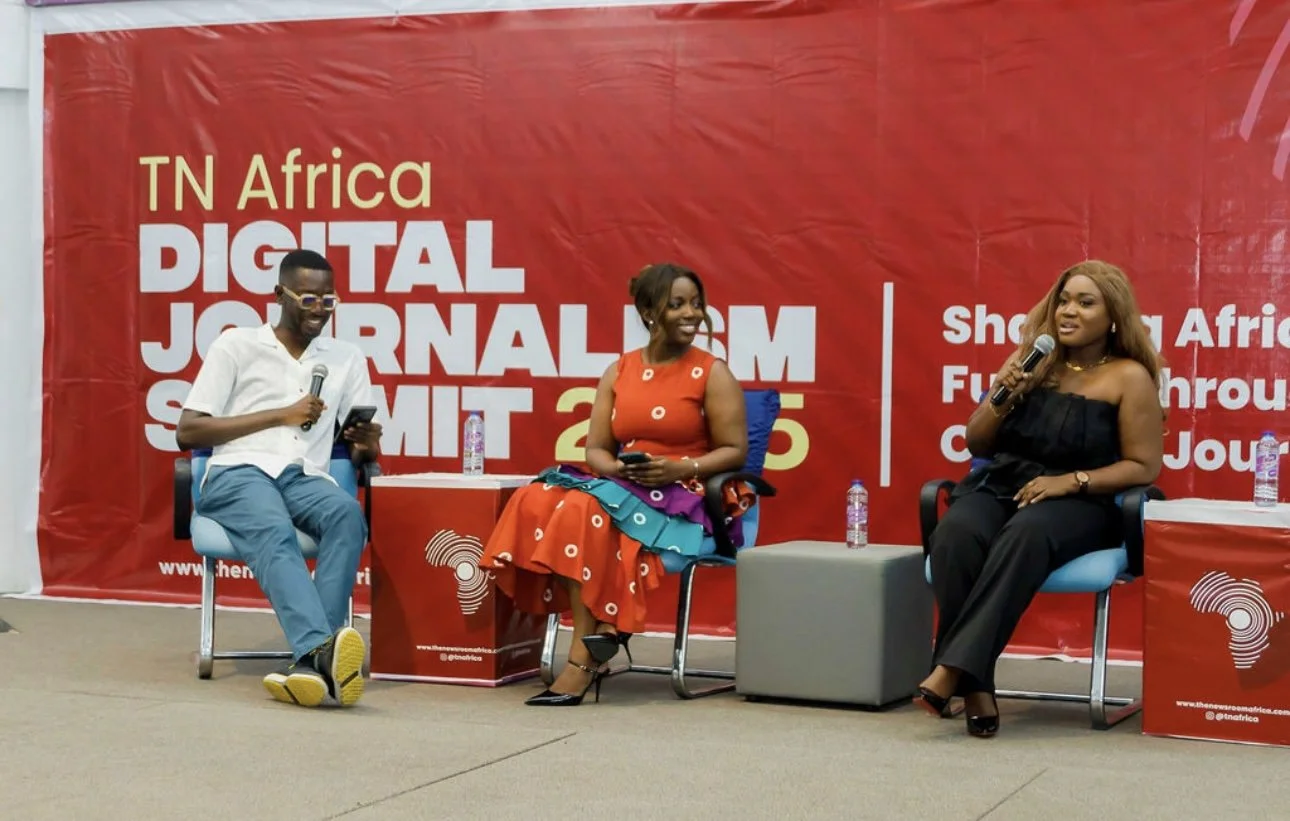
I’m curious to understand from your perspective why TN Africa exists, the role you (Dami) play within it, and notable achievements TN Africa has enjoyed so far (if any).
TN Africa exists because African stories deserve African ownership. For too long, the continent has often been narrated through external lenses that prioritise crisis over complexity and vulnerability over innovation. We believe Africa must tell its own story with urgency, accuracy and dignity. My role as Lead Convener is to provide strategic direction, partnerships and programme development while ensuring that the platform remains solutions-driven and genuinely Pan-African.
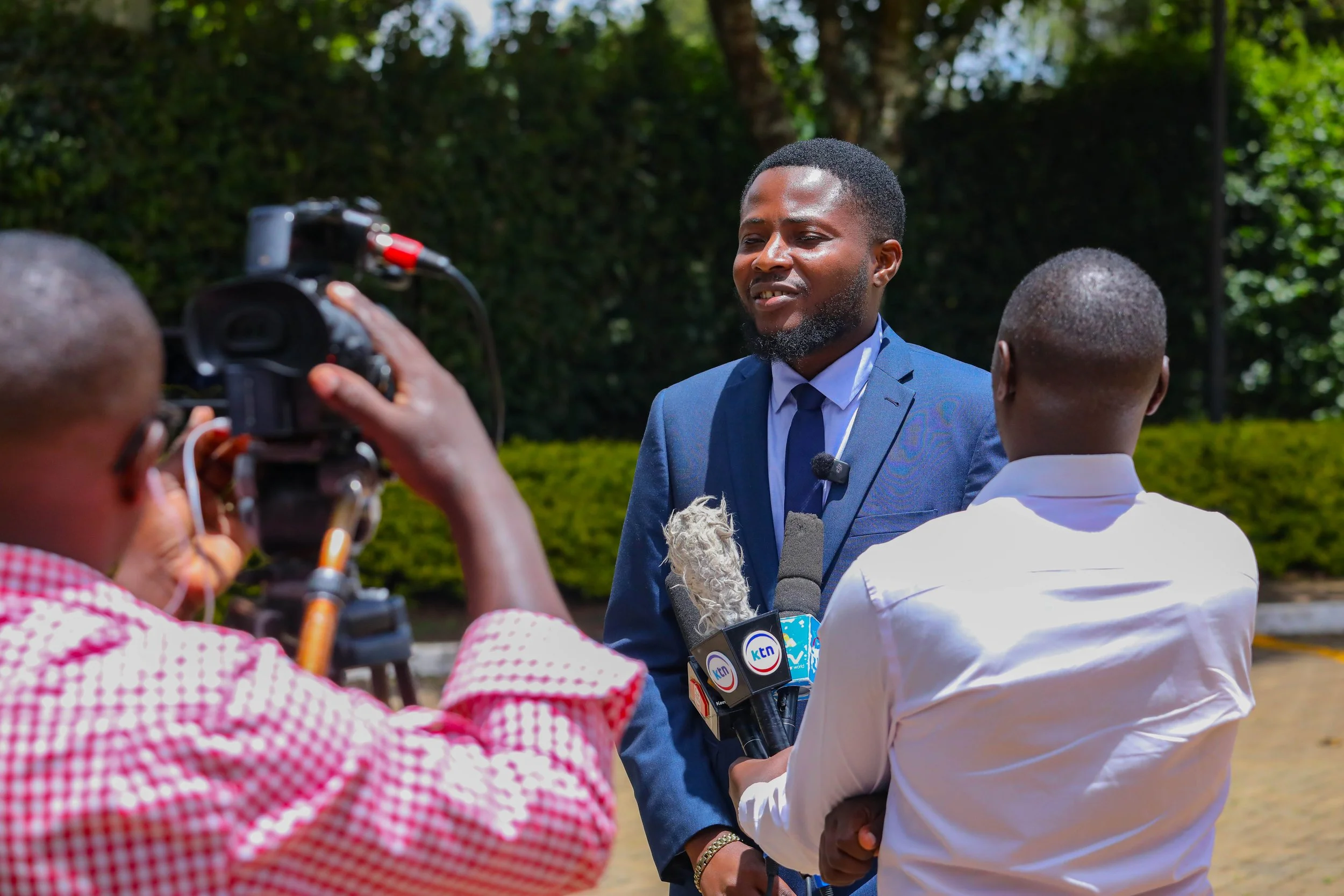
Pictured: Senanu Damilola “Dami” Wemakor
Some achievements we (TN Africa) are proud of include:
- Successful summits in Ghana and Kenya Launch of the #StoryTheChange storytelling pipeline.
- Growing partnerships with universities and institutions.
- The development of school climate outreach models Broadcast partnerships for climate documentary storytelling.
- A growing database of over 700 journalists and media practitioners.
But honestly, we still consider ourselves at the building stage. Our ambition is bigger than events. We want TN Africa to become an enduring ecosystem where journalism, youth and development intersect.
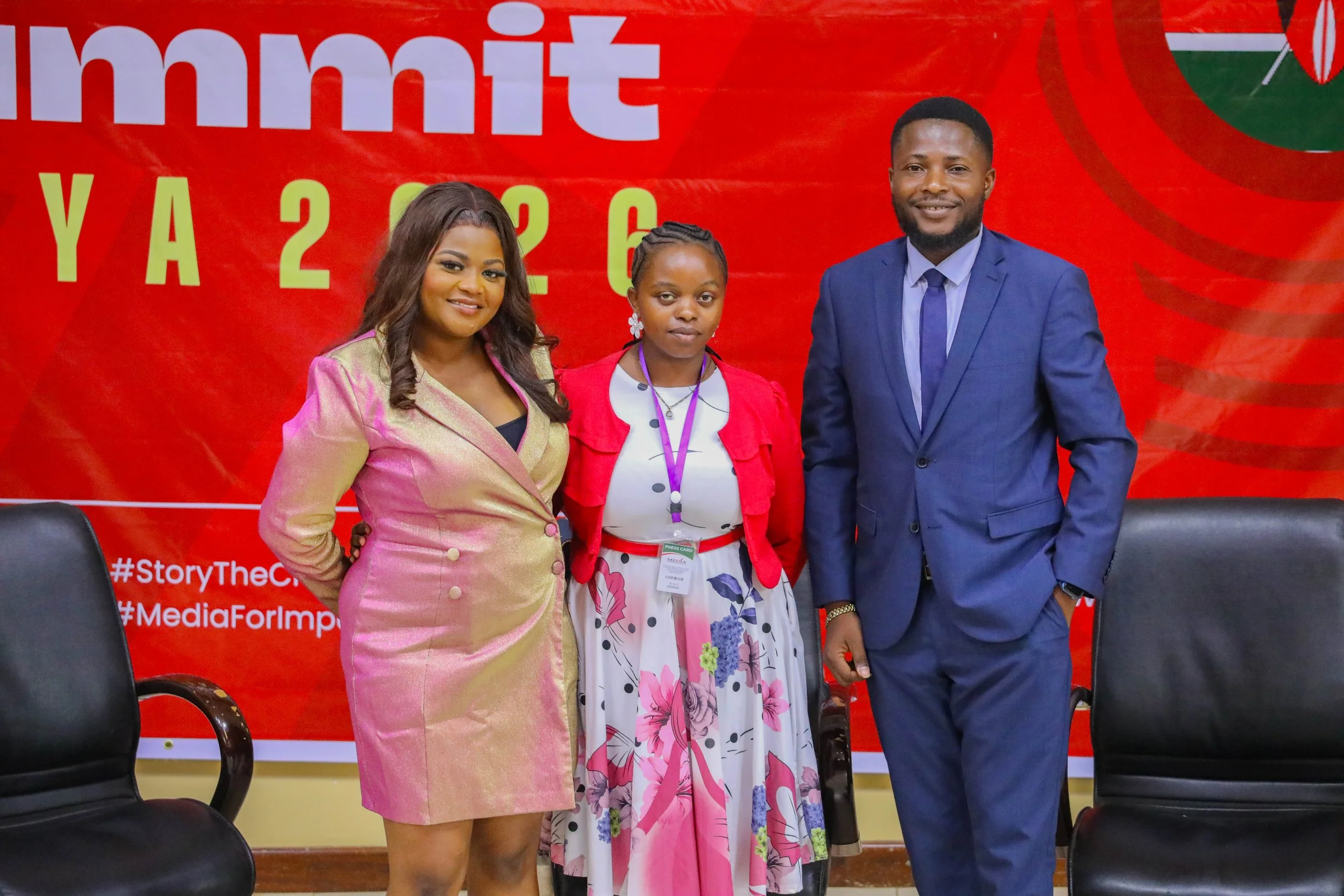
Pictured: Senanu Damilola “Dami” Wemakor and Ifeoluwa Johnson
Why did you select Kenya as the home of this Summit, as opposed to another location in East Africa? This being your first time in Kenya, how was your experience while there? Also, what did you like most about Kenyan culture?
Kenya was a deliberate choice. It occupies an important place within Africa’s climate and environmental conversations. Conservation and renewable energy discussions, youth-led climate advocacy, Kenya has built a strong reputation for engagement. We wanted the summit to sit inside an ecosystem already thinking critically about these issues. My experience was extremely positive. What stood out most for me was hospitality and civic consciousness. You could genuinely sense that climate and environmental conversations were not distant policy ideas but public discussions with community relevance. And yes, the beauty of Kenya certainly helps.
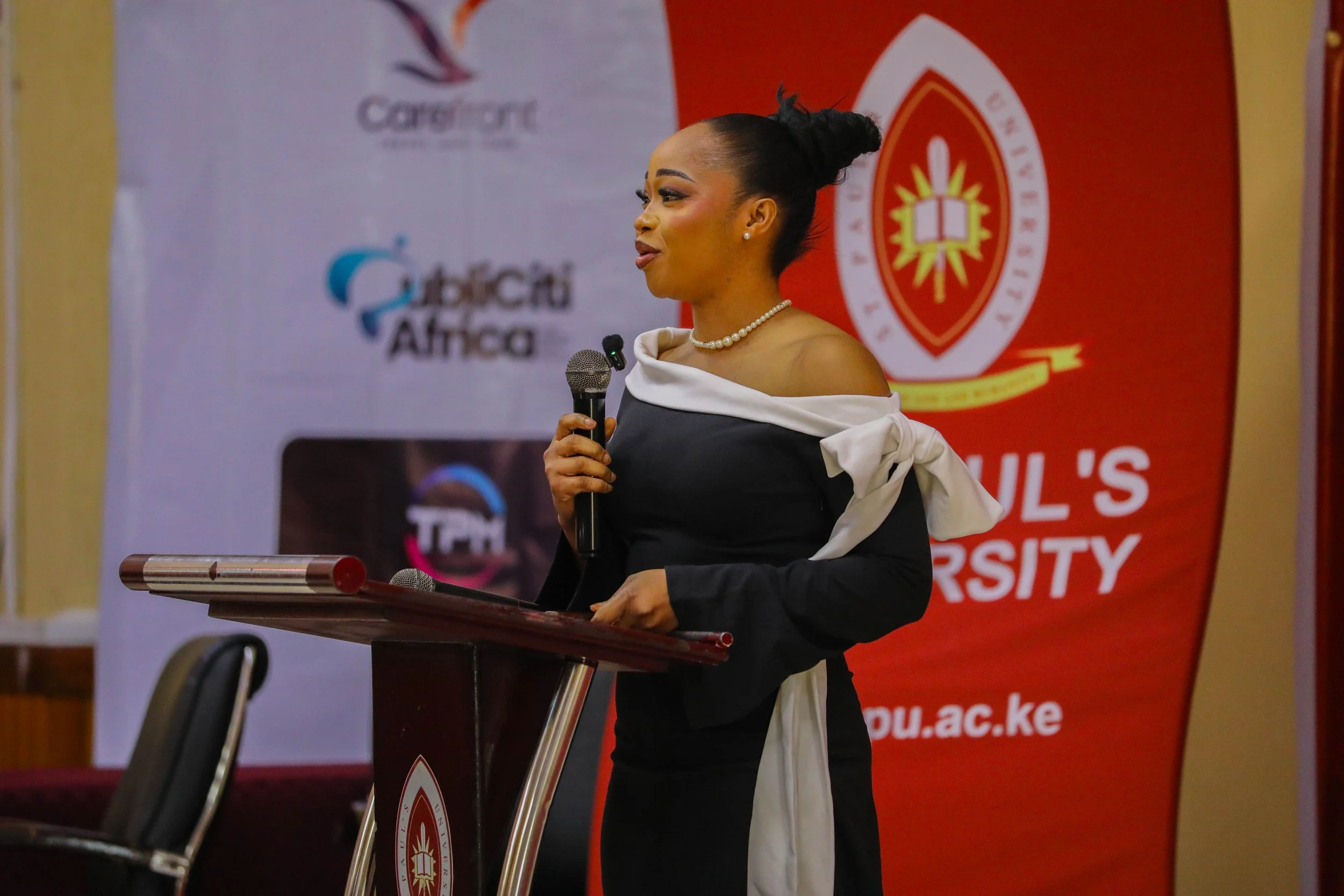
A focus within these Summits was urgently promoting that Africans intentionally take control of the narrative of their stories and how they are perceived globally. Why is this important, and what challenges do Africans currently face when trying to actualise this?
Because narratives shape policy, investment and identity. When stories are repeatedly told through deficit lenses, they influence how countries are perceived and sometimes how they are treated. This is not about rejecting criticism or pretending Africa has no problems. It is about ensuring balance. For too long, Africa’s climate story has often been told only through disasters. But across the continent, communities are innovating, adapting and building solutions. Those stories matter too. The challenge Africans face is structural. Many newsrooms remain under-resourced, climate reporting is often underfunded, and editorial ecosystems are uneven. So, narrative ownership is not merely emotional or symbolic. It is infrastructural. We need stronger pipelines for African journalism.
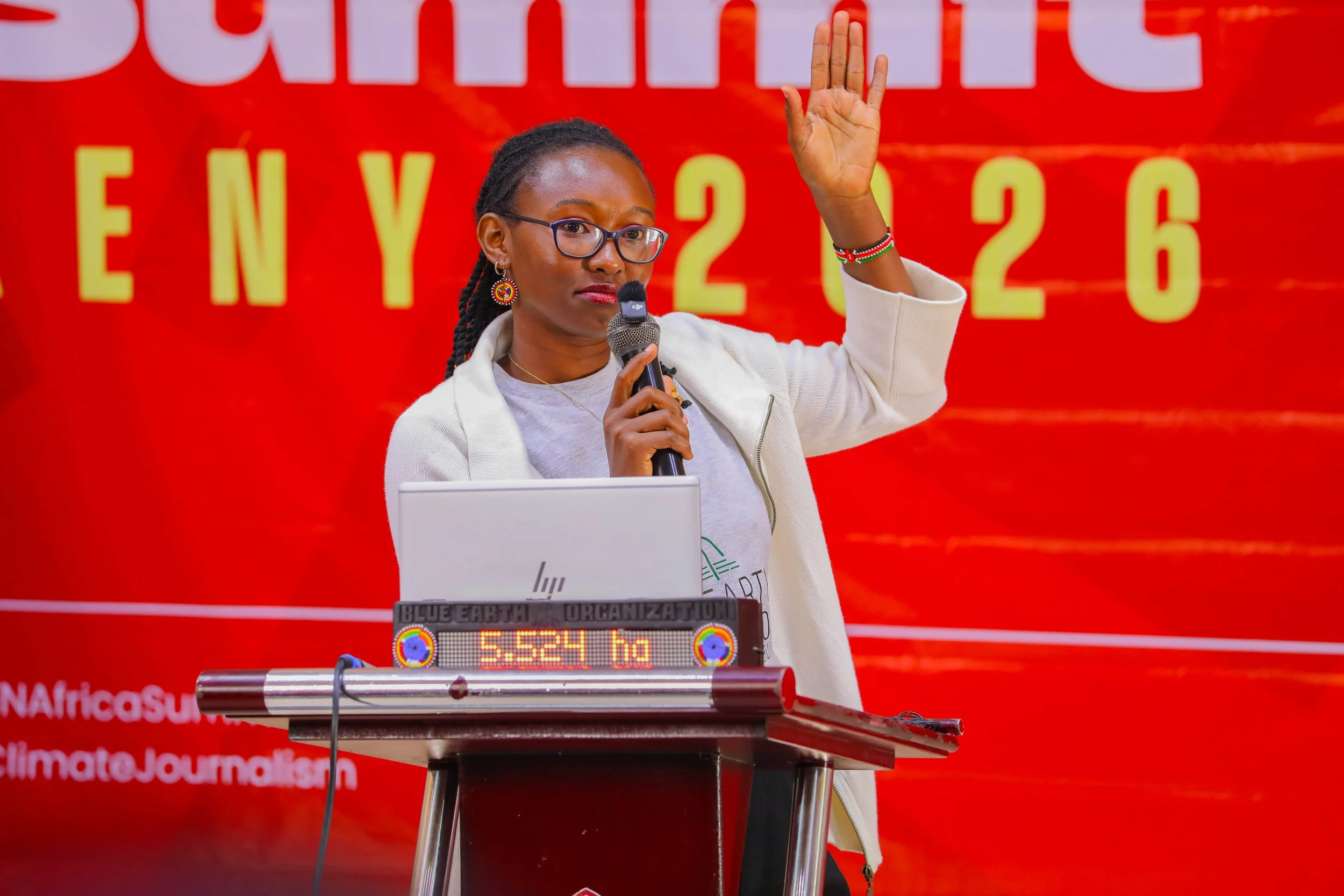
Prior to arriving in Kenya, your team visited the Kenya High Commissioner to Ghana, H.E Mr Daniel Kottut. Why was this important and what did you learn from your dialogue with him?
Diplomacy matters… When we approached the Deputy Kenyan High Commissioner, H.E. Daniel Kottut, it was important to us that the Summit be understood not merely as an event but as a platform for African cooperation. The dialogue reinforced something very important: institutions respond positively when approached with clarity and purpose. We learned that there is genuine openness to initiatives that promote knowledge exchange and youth engagement across Africa. That meeting reminded us that partnerships do not begin with funding. They begin with trust.
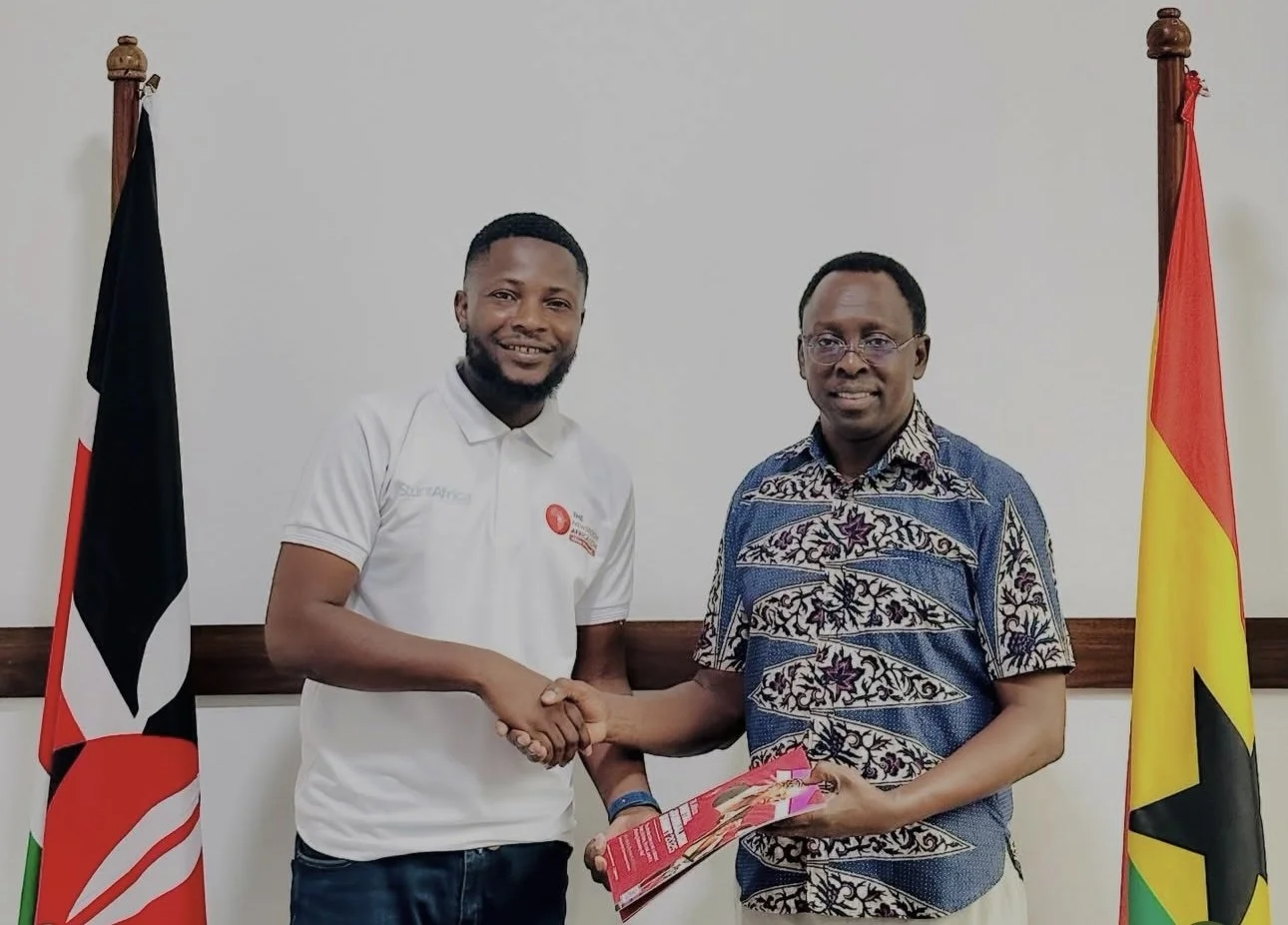
Pictured: Deputy Kenyan High Commissioner, H.E. Daniel Kottut and Senanu Damilola “Dami” Wemakor
Dami, you are someone who is very established in the PR industry across prominent West African markets including Ghana and Nigeria - for instance working closely with artists such as MzVee… Following your time in Kenya, what differences have you observed between how West African and East African PR/media industries operate?
I think both ecosystems have strengths and valuable lessons for each other. West Africa, particularly Ghana and Nigeria, often moves with strong commercial energy. Media and entertainment ecosystems can be very fast-paced, highly competitive and culturally influential. East Africa, from my observation, carries a somewhat different rhythm. There appears to be stronger institutional integration between academia, development conversations and media engagement. I would not describe one as better than the other. Rather, West Africa often moves faster commercially, while East Africa sometimes demonstrates stronger institutional anchoring. The opportunity is collaboration. Africa should not be competing internally when we can be learning from each other.
There is much talk and anticipation of East Africa being on the verge of having its “moment” i.e. an explosion in the growth of its tourism and creative industries across the region. As a West African Dhamie, what do you think continues to hold back the creative industries in the East African region from developing by comparison to its West and Southern counterparts?
I hesitate to frame it purely as East Africa being held back. East Africa has extraordinary creative and tourism potential. However, creative ecosystems require consistent investment, cross-border visibility and stronger commercial infrastructure. What may be needed is not reinvention but amplification. And this applies to many parts of Africa, not only East Africa.
Do you hope to hold more Summits in the future, and if so, where next? More widely, do you see these Summits as a means of fostering greater collaboration and relationship building between the different regions and countries across Africa? If so, why is this important?
Absolutely, the Summit was never designed as a one-off event. We see it as a movement and collaboration platform. We are already exploring future editions and partnerships because Africa needs more spaces where journalists, students, policymakers and creators from different regions can meet as equals. That collaboration matters because Africa is too interconnected for our conversations to remain isolated. Flooding in Ghana, drought in Kenya, migration patterns, food insecurity and digital transformation are all interconnected stories. The future of Africa cannot be built in regional silos.
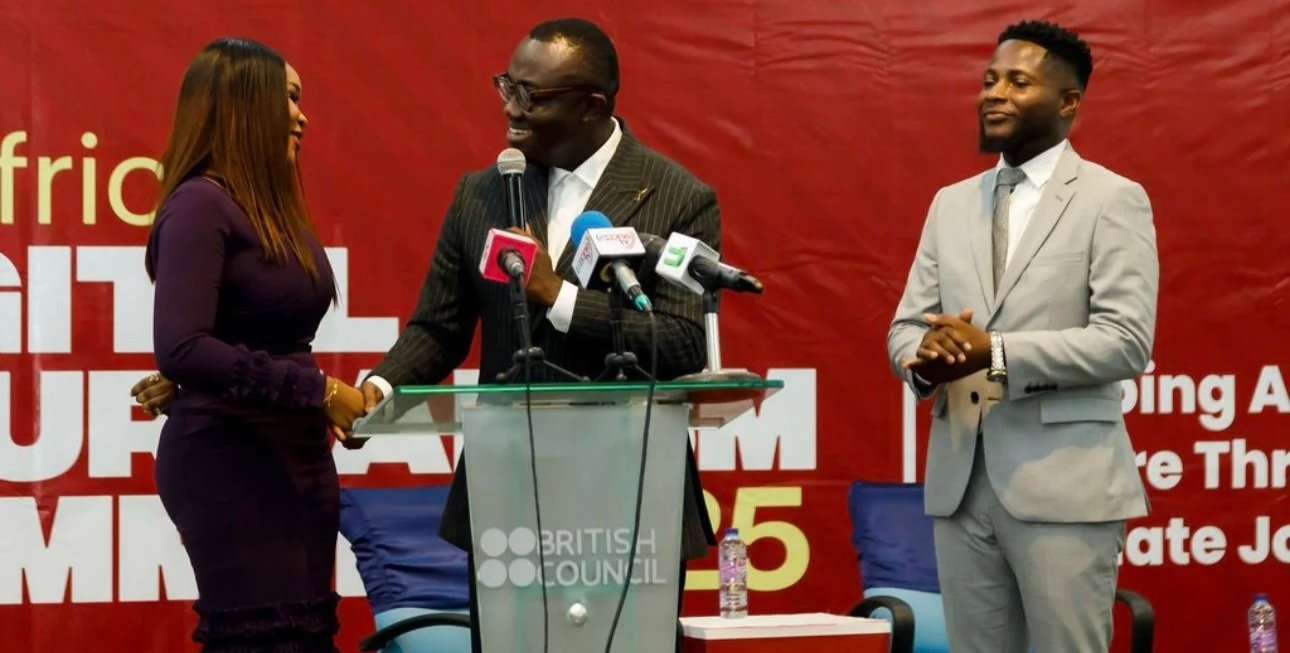
Pictured: Bola Ray, Senanu Damilola “Dami” Wemakor and Victoria Blackwood
For those in the diaspora who are reading this and want to get involved in your amazing work, what is your message to them?
The diaspora is not an audience to Africa’s story. It is part of Africa’s story. We often speak about inviting Africans in the diaspora back home. But home must also be prepared for the future. That means conversations about climate resilience, development and sustainability cannot be separated from diaspora engagement. Our message is simple: Do not only watch Africa, help build Africa. Whether through journalism, investment, mentorship, storytelling or partnerships, there is room to contribute. And perhaps most importantly, engage Africa not merely through nostalgia, but through responsibility and possibility. The future we want will not be imported. We must co-create it together…