Uganda: Is Its Progress Prevented by Psychological Paralysis?
This article was drafted by Norman Busigu.
Back To The Future – Is History Repeating Itself?
Since the departure of the British in 1962 (who held a Protectorate over Uganda from 1894), a sobering truth is that Uganda has never experienced a peaceful transfer of power under the frameworks of western democracy. The country has struggled to chart a true path of direction in its 64 years of self-rule.
Central to the conversation of even conceptualising what Uganda’s future could look like, is the four-decade tenure of H.E. President Yoweri Kaguta Museveni. In January 2026, Museveni controversially secured his seventh term, smoothly scoring over 70% of the popular vote[1]. Unfortunately, critique has been cast over Ugandan election outcomes on many occasion – with the UN Human Rights Office expressing that repression and impunity have become entrenched in Uganda since the last vote in 2021, with restrictions on free speech and the right to protest.[2]
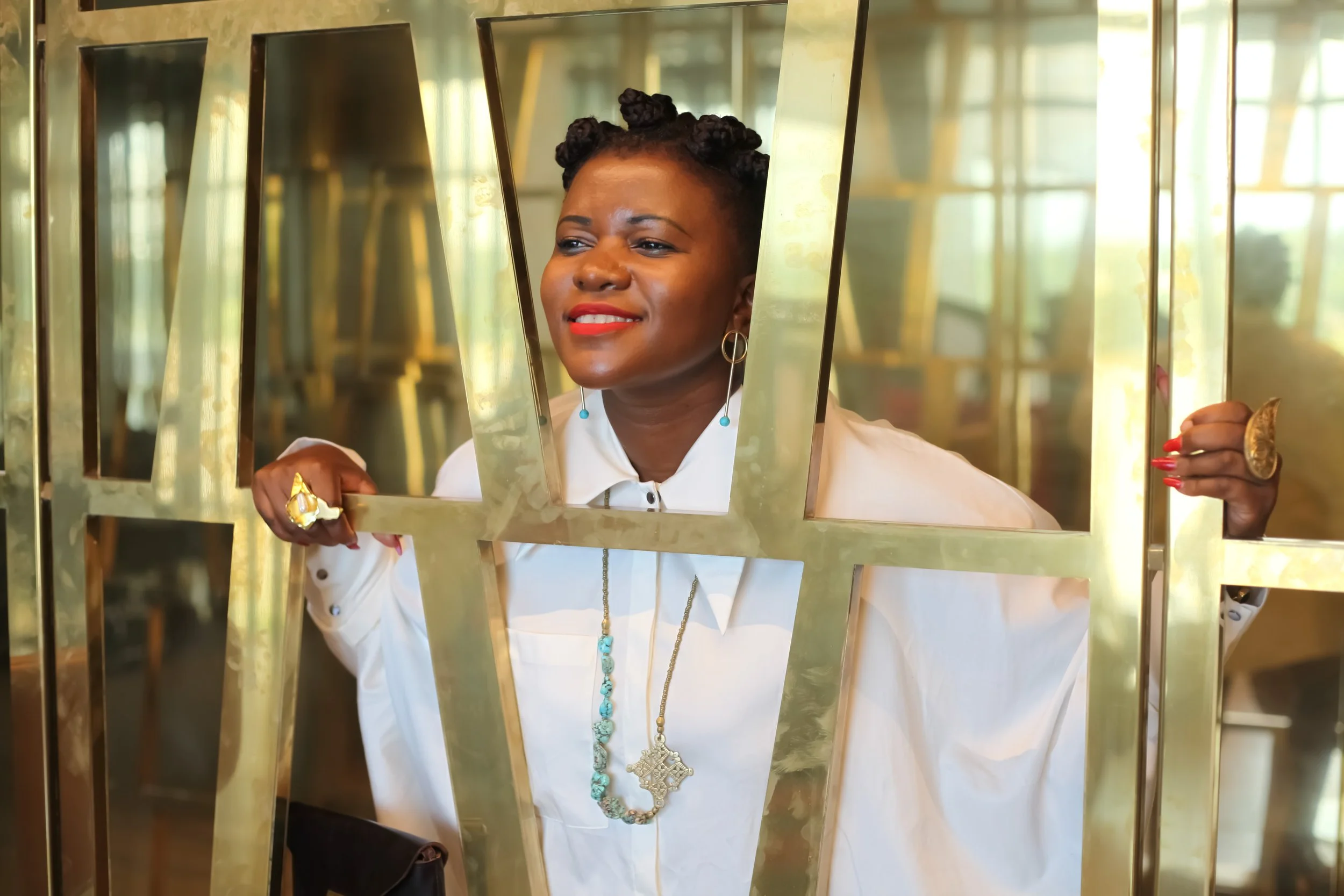
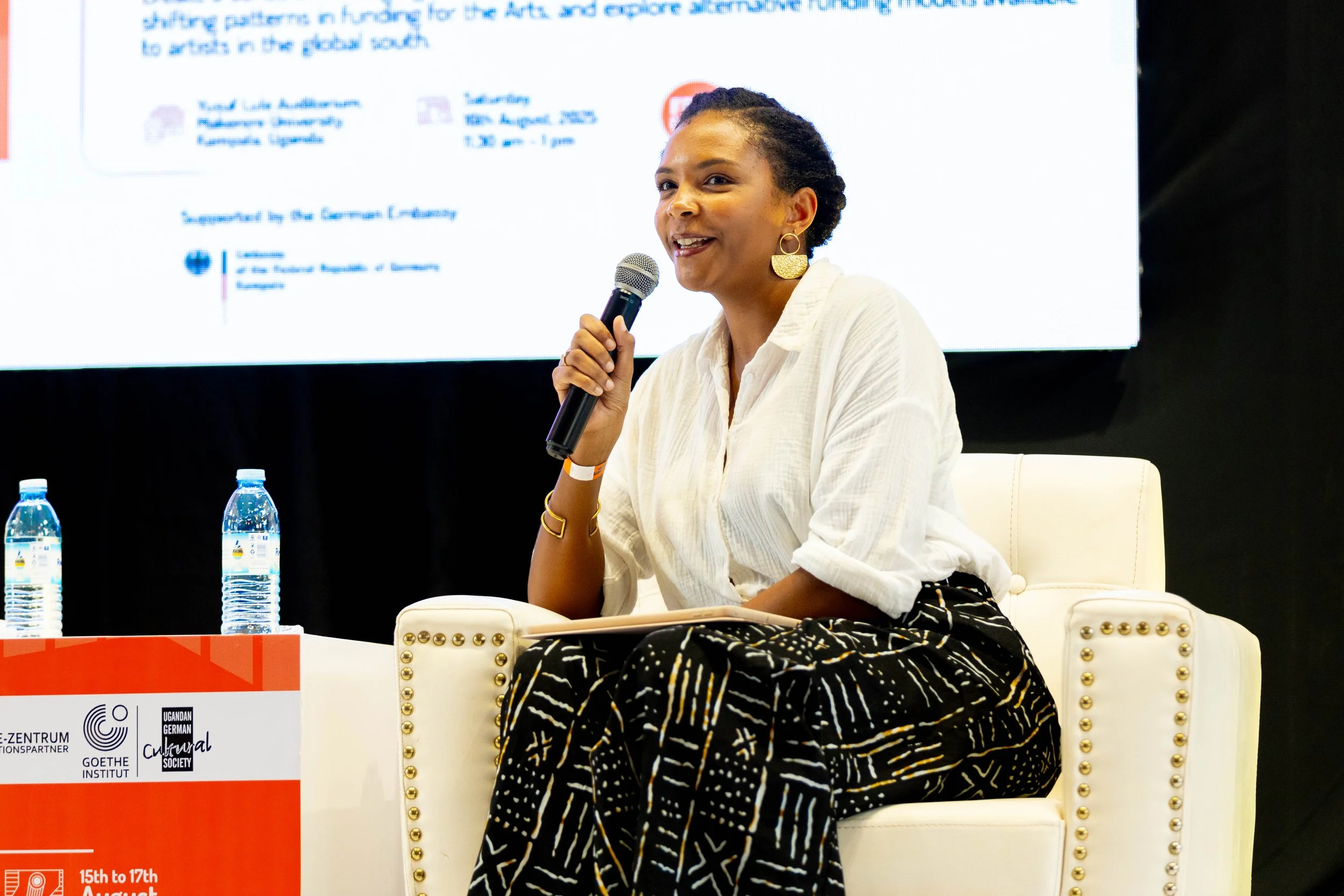
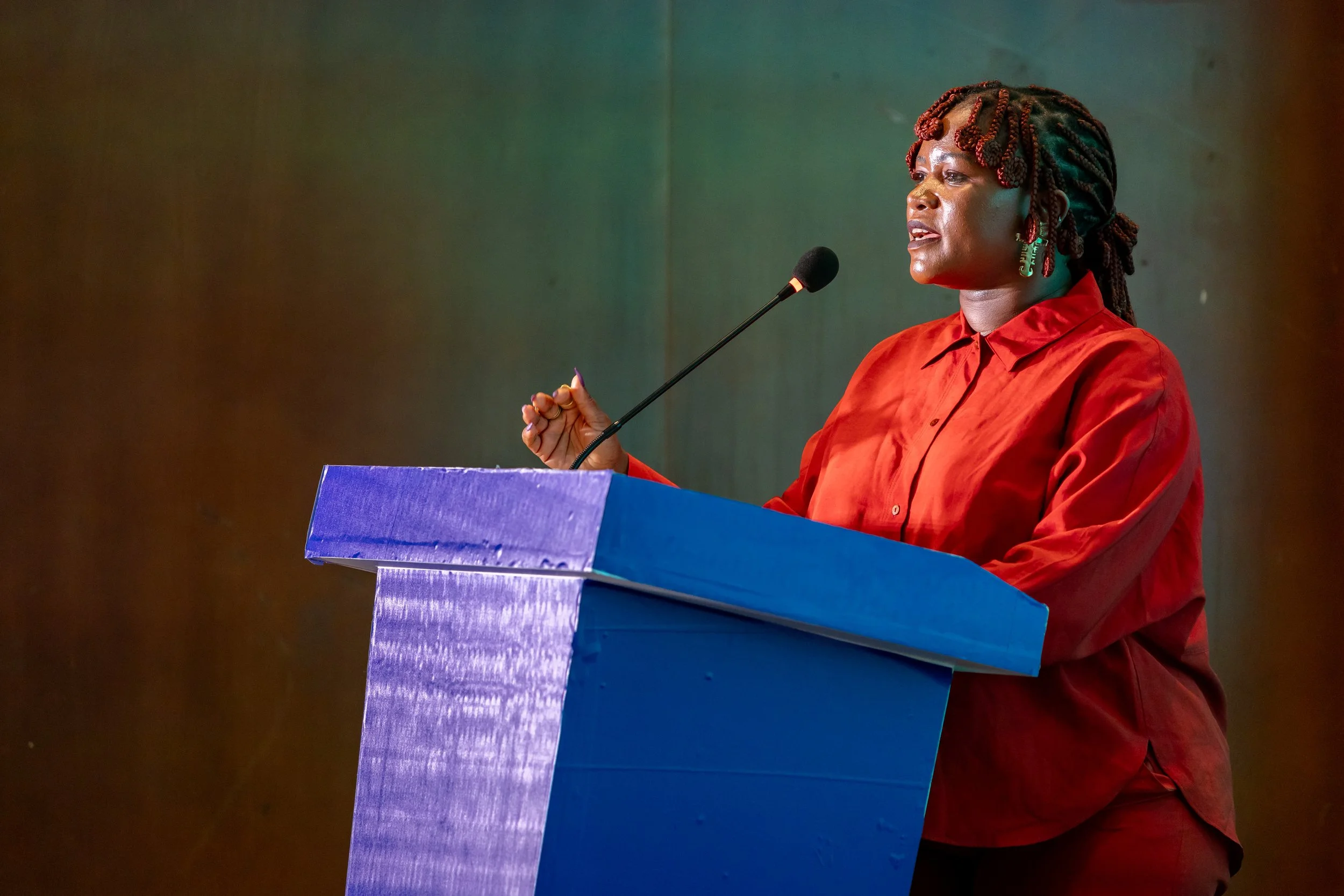
Image supplied by Rosebell Kagumire
Following the unsuccessful streaks of opposition candidate Dr. Kizza Besigye (who has been charged with Treason - remains incarcerated - and denied bail for over one year in a sham trial), the last two election cycles (2021-2026) have been fronted by pop star turned politician Robert Kyagulanyi Sentamu - also known as Bobi Wine. These election seasons have seen a significant ramping up of military presence and internet shutdowns.
With a median age of 16.9[3] and high youth unemployment[4], it would seem there is a generational disconnect at play, with Museveni being in power longer than a large proportion of the population have been alive. Standing as one of Africa’s longest rulers, he came to power via means of 5-year Guerilla War, with his National Resistance Movement (NRM) Party being majority incumbents in Ugandan Parliament ever since.[5]
Consciousness, Censorship And One’s Moral Compass
It is with this context, that I now turn to the perspectives gleamed from my recent conversation with seasoned Ugandan Journalist Rosebell Kagumire. Someone who is committed to speaking truth to power, she understands that silence is not the answer to the scenario Uganda finds itself in. Rather than operating from a place of fear, she flipped the perspective and asked me: “do we really have a choice?” which was more than a rhetorical question – it was an emboldened call to action… She went onto explain that “people are socialised to think you are fighting for yourself… not necessarily; if the environment doesn’t change, what chance do you have?” Her urgency of tone quickly let me know this is someone operating from a pure place of integrity and altruistic desire for a better world.
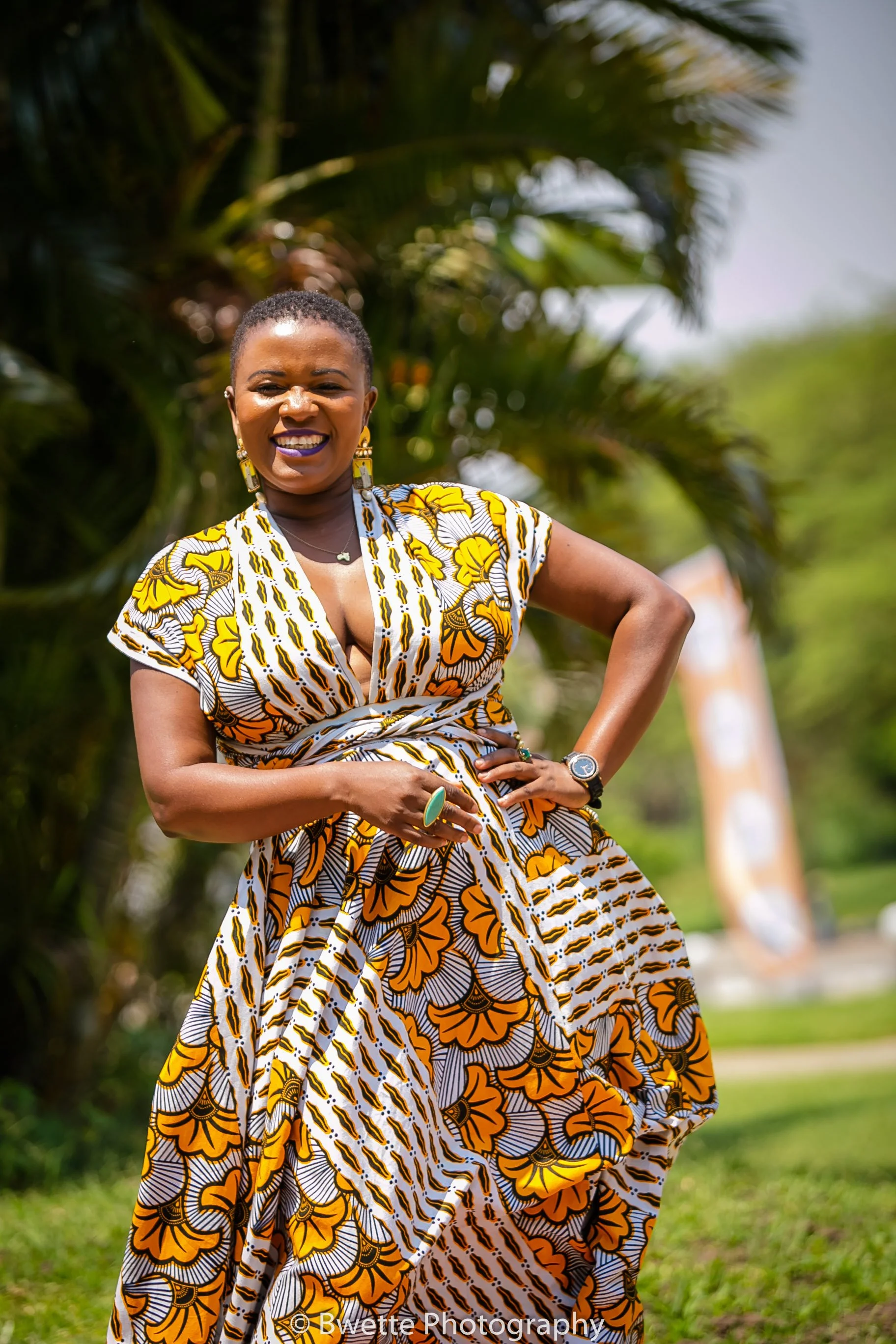
Image supplied by Rosebell Kagumire
Rosebell was drawn towards the power of journalism from a young age; born and raised in Western Uganda, she would go on to study Journalism. In time, her curiosity deepened her desire to understand how exactly her nation meant different things to different people. As someone who has worked at the highest echelons of Ugandan media (including NTV and the Daily Monitor), she has since gone on enjoy a decorated CV of accomplishments throughout her career, including an international engagement with TEDxBerlin. Impressively, she is a columnist at the UK based leftist New Internationalist Magazine, and has contributed often to political analysis in international media.
Her rooting in reality, prolific understanding of political theory and lived experience in Uganda made her the perfect person for me to have a deep discourse on Uganda’s future post elections.
A Post-Colonial Conundrum: Was A National Identity Ever Established?
Rosebell began by dissecting what I understood of “social transformation”. While I was initially quick to point to tangible infrastructure i.e., highways, hospitals, hydro-dams etc, Rosebell immediately rebutted my stance and stated “but those things can be easily destroyed”. For her, social transformation is to be measured by the mental state and freedoms of a people.
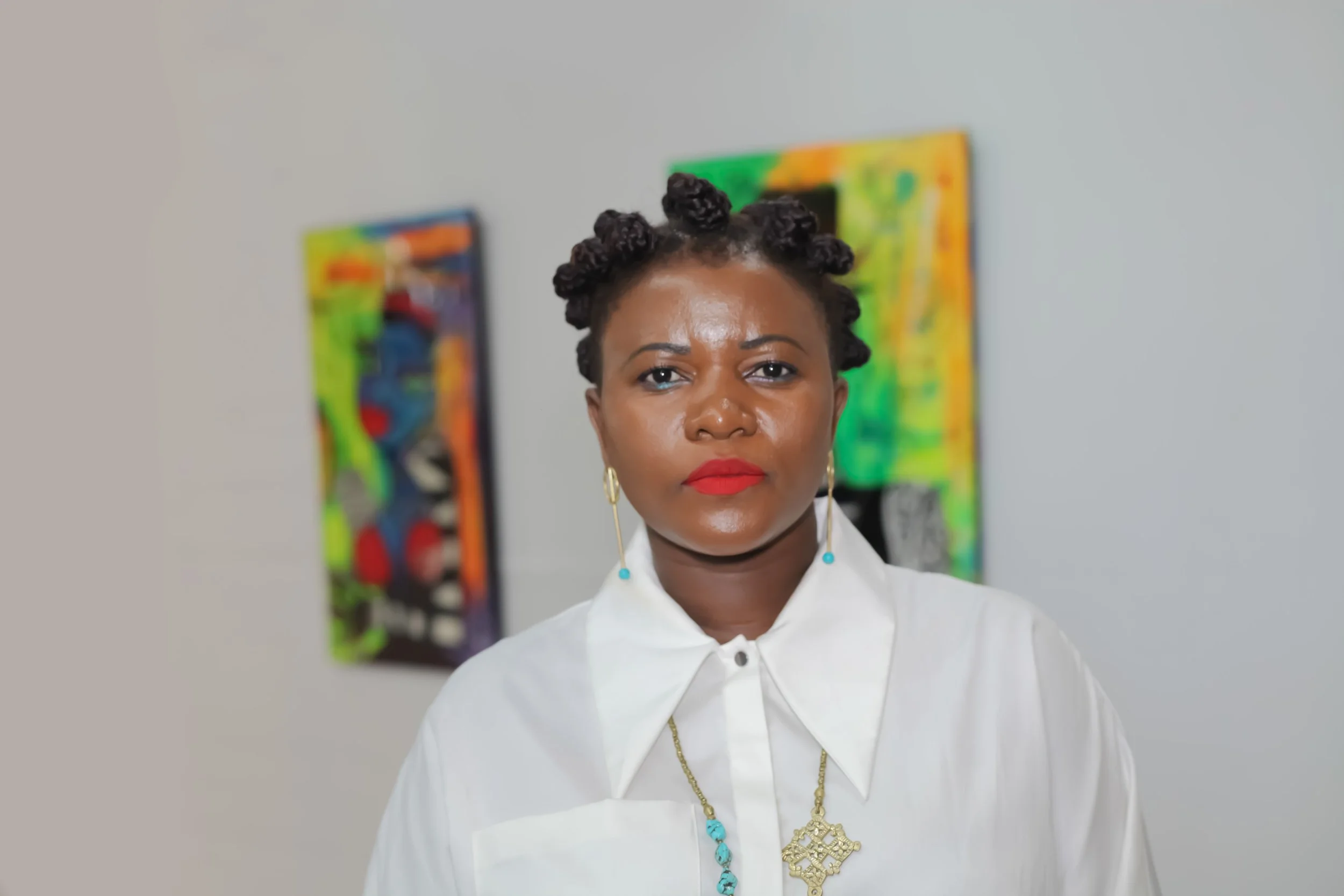
Image supplied by Rosebell Kagumire
To illustrate her point, she took me on trip back in time: while former Ugandan President Idi Amin oversaw creation of the Uganda Airlines Corporation (with a fleet of 8 aircrafts), he was also one to issue the Expulsion Proclamation of 1972, and killed up to 500,000. For Rosebell, “no (new) buildings can make up for loss of life and trauma”.
For Rosebell, Ugandans as a people need to truly look inward in a way not yet done; the current fragmentation in the country signals the desperate need for “a leader to bring social cohesion”. She boils the current reality of the country primarily down to the fact that “Uganda is a colonial construct… It is not a nation - and many African countries are the same”, meaning that Ugandans did not “agree to be here (i.e. in this position)”. The discord and frustrations experienced by Ugandans and Africans across the continent are prevalent because the “government(s) are not serving us”. Rosebell went to explain with warning that a people without a unifying idea of where they are going is a problem – and this phenomenon is a core reason as to why Uganda finds itself almost trapped in time and unable to move forward.
To overcome this, Rosebell advocates for the “deconstruction (of the) colonialist patriarchy”, which is more achievable than may seem. For her, this looks like teaching the history of the indigenous peoples in schools, as opposed to prioritising European and American history. Further, there is a need for systems that work for the people, rather than extracting from them.
Trifled With Trauma and Inanimate With Inertia
The issues resulting from the iron fist of authoritarian leaders aren’t unique to just Uganda, so I wanted to understand why this particular matter has persisted this way longer here than in most nations. I also wanted perspective on why Uganda specifically appears stuck in a perpetual state of stagnation while countries around it evidence evolution. To truly gauge this, Rosebell explains that we require a proper understanding the Psyche of Ugandans.
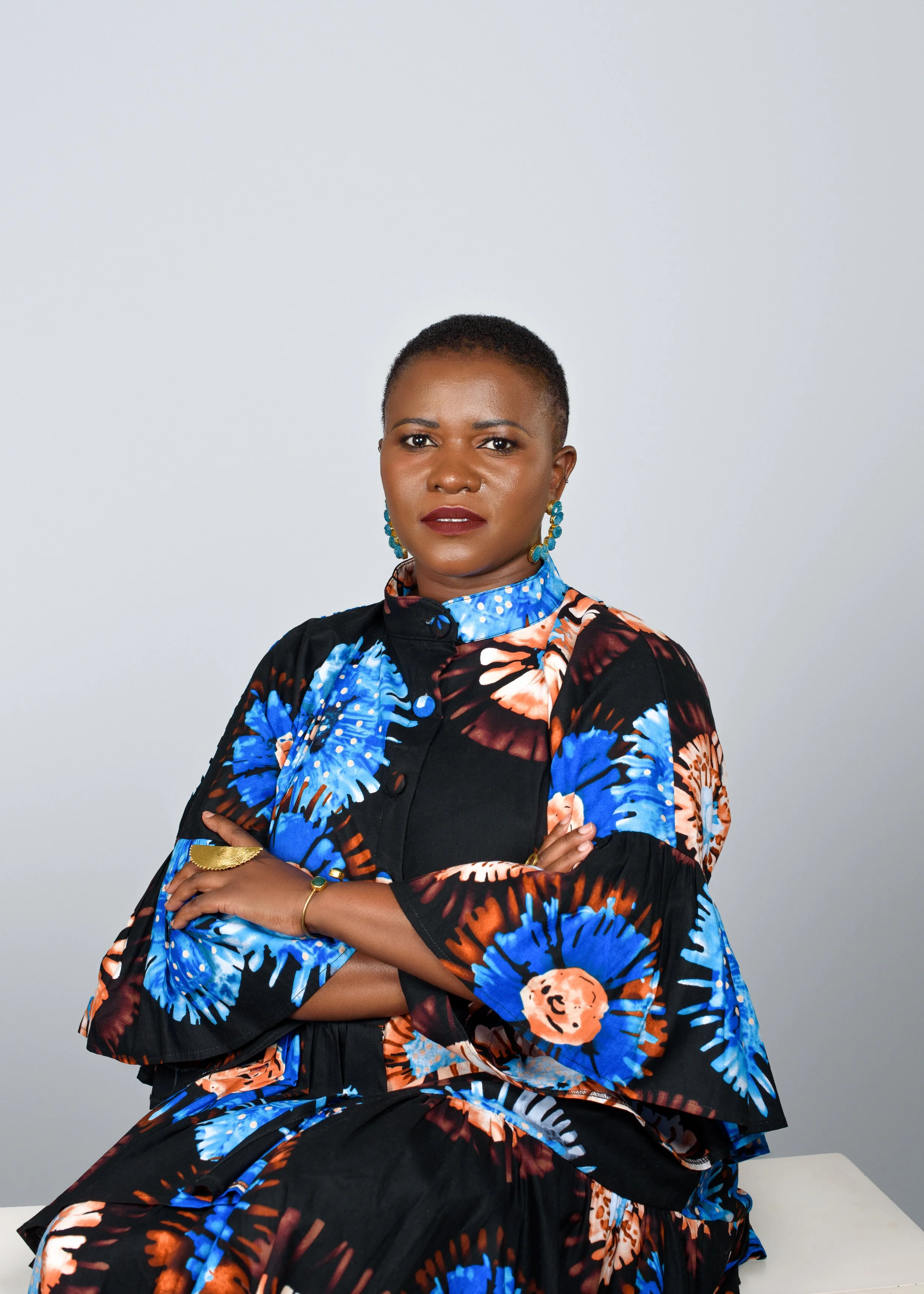
Image supplied by Rosebell Kagumire
While Ugandans are not a monolith in their behaviour, Rosebell does believe that there is a certain “openness and tolerance that Ugandan’s possess”. Ugandans are no strangers to military rule and living through regimes that use the gun as a solution. While there is evidence of Ugandans throughout history challenging Museveni’s power, he wields significant military strength not just internally, but externally to the benefit of foreign powers - with active deployment of armed forces in fragile neighbouring states including South Sudan and the DRC. These powers have afforded him the privileges of extreme surveillance and military might, making the notion of resistance by the average civilian much harder to maintain over time.
It is interesting, because if we examine the sentiments of Museveni during speeches, they serve something to the effect of: I liberated you; you have seen hardships, and if you do not comply with me, we can go back there. Such serious threats of regression at the press of a button (akin to a parent threatening to scold their child for doing something wrong), play upon the deep-seated fears of returning to a country riddled with guerrilla warfare – a lived reality which the people would rather not return to at all costs. So, when the internet is turned off during an election cycle, the lack of resistance isn’t due to ignorance or weakness necessarily, but the trauma of what could arise as a result of fighting back.
Arguably, the strategic weaponisation of trauma is holding the country of Uganda hostage: the power of the regime not only just to kill and curtail rights, but to invoke generationally internalised feelings of psychological pain and fear at any moment. So, for a long time now (arguably), we have observed displays of detachment and self-preservation by Ugandans, as a means of survival.
Ultimately, it can be suggested that this lack of collective will and national identity will make it difficult for Ugandans to fight for their freedom and take control of their country. This must be addressed before a new Uganda can emerge.
More of Rosebell’s work can be found at: http://africanfeminism.com/
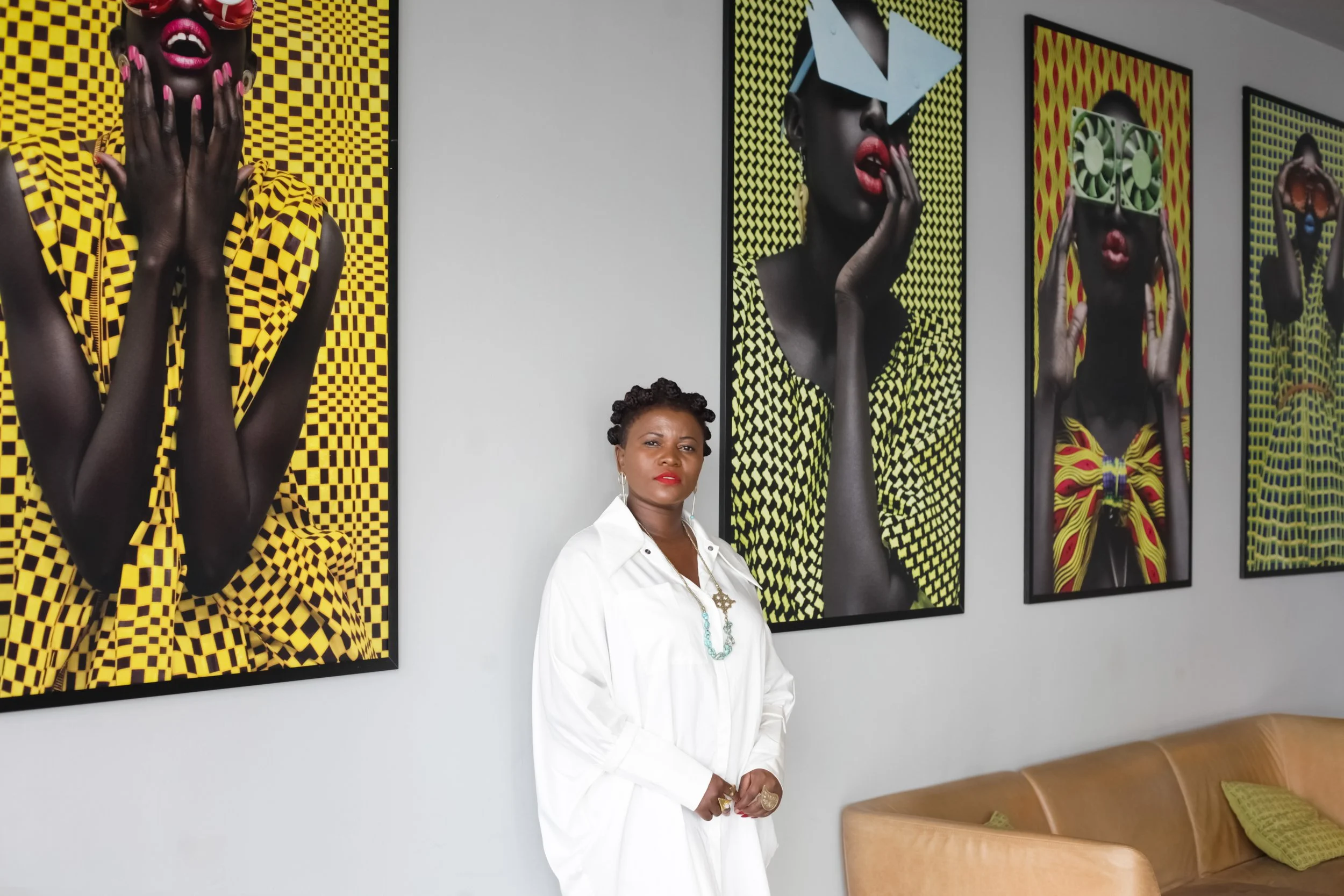
Image supplied by Rosebell Kagumire
Sources/Footnotes:
[1] https://www.theguardian.com/world/2026/jan/17/yoweri-museveni-wins-ugandan-election-as-opponent-condemns-fake-result
[2] https://www.barrons.com/news/un-warns-uganda-against-violence-at-elections-d4a46202?gaa_at=eafs&gaa_n=AWEtsqf_laHISdu6txGGa8cAfsoltXlYsRmgrHq8bRx1hV5Z_AiwTUlj5AXCb0Ocgg%3D%3D&gaa_ts=6980fd75&gaa_sig=361cm8zsdTW5C2VF8l6OY2h1vRO_Q8bXKhSruWMzmmafgp_18qsuksh_jB3Il4pCx7eLDx4nGl94GZP4eRl-fA%3D%3D
[3] https://www.worldeconomics.com/Processors/Demographics-Countries-MedianAge.aspx?Country=Uganda
[4] https://www.africafoicentre.org/beyond-the-statistic-ugandan-youth-demand-real-opportunities-on-international-youth-day-2025/
[5] https://africa.businessinsider.com/local/leaders/in-1986-museveni-said-africas-problem-was-leaders-who-overstayed-now-he-seeks-a/kn4d5tj