Midterms, Morality and Marginalisation: The Realities of a Country at a Crossroads…
This article was drafted by Norman Busigu.
My first ever visit to Atlanta, Georgia in October 2025 came at a unique inflection point in contemporary American socio-political history.
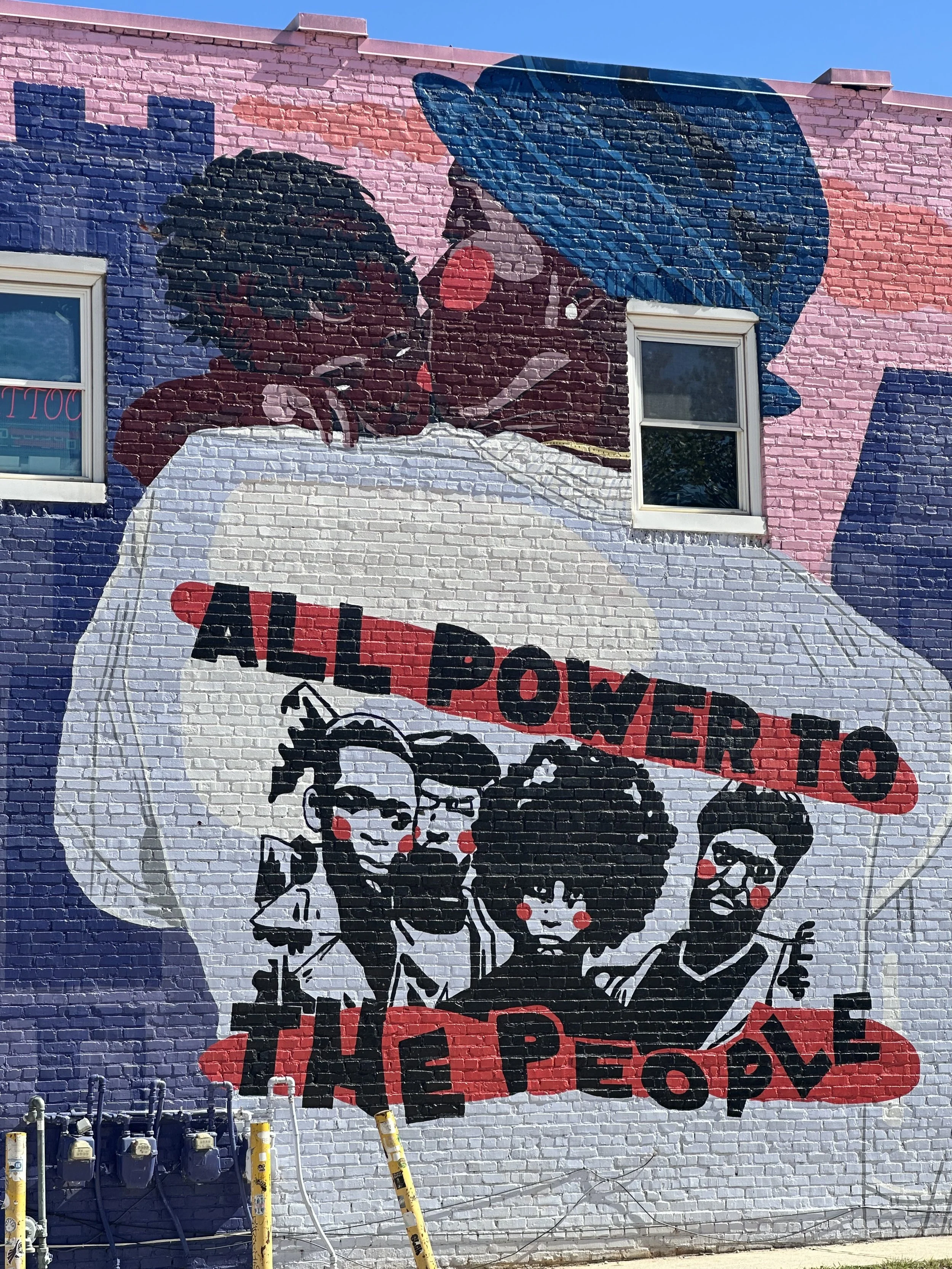
When I arrived at Hartsfield-Jackson International Airport, the landscape of this turbulent Trump Administration was shrouded with the beginnings of a Government Shutdown, an increase in controversial measures used by Immigration and Customs Enforcement (ICE), and brewing geo-political tensions. Fast forward to today, and we have observed the lethal shooting of Renee Good by an ICE agent, the arbitrary removal of the then Venezuelan President, and pausing of immigration visa processing upon 75 countries. And notably, a rapidly contracting media landscape which has raised concerns that voices from marginalised backgrounds (of note, the Black American community) are vanishing. This is all important context underpinning the time which I entered into the realm of southern Black American culture.
My trip to the “Black Mecca” was driven primarily to attend the Forbes BLK summit at Morehouse College, but was initially inspired by a proud Atlantan woman of whom I met at the Cannes Lions festival in June 2025. She spent months after the festival playfully lobbying for me to visit her city, offering to personally show me why they call her hometown the “Hollywood of The South”. Hosting me in her snazzy Buckhead apartment, she intentionally showed me the best bits of “The A” - from the Belt Line to Lennox Square. Her loving display of southern hospitality set the tone for the rest of my trip: I received this unconditional love from most Black-Americans that I met.
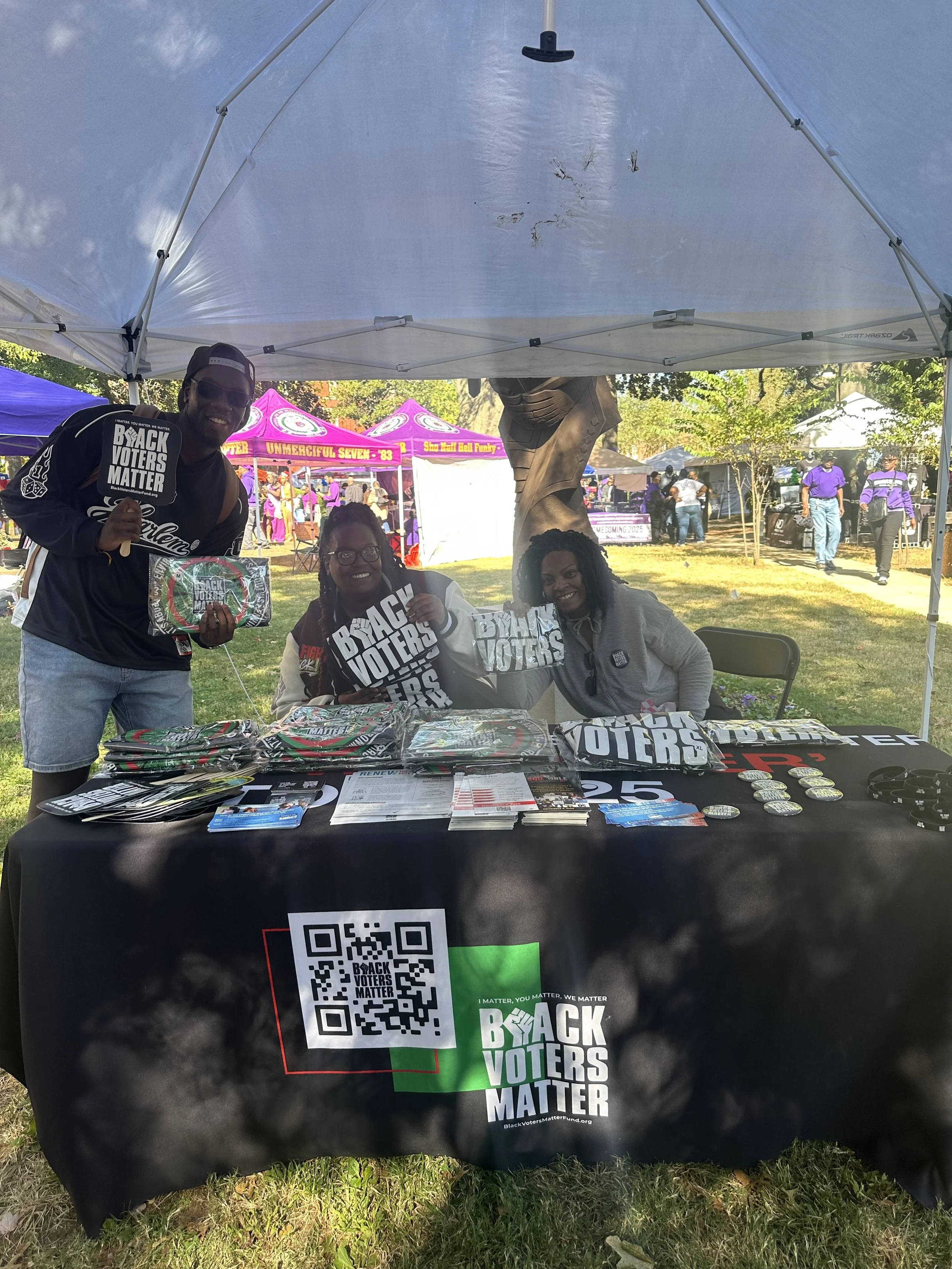
Norman Busigu with Brittany Burns at Morris Brown Homecoming (Atlanta, Georgia).
This was more intensely felt during my time at Morris Brown Homecoming… as fate would have it, I met Brittany Burns – a long-time community leader, organiser and activist based in Atlanta - at her information stand on the HBCU grounds. She and I bonded instantly while engaging in cross cultural dialogue, discussing the issues plaguing our communities (respectively as a Black-Brit and Black American) and what can be done.
In January 2026, she agreed for me to pick her brains to thoroughly analyse the current state of play in the states. Importantly, we explored at length what she deems to be a particularly pressing issue of our time (significantly impacting the Black-American community): engagement in political processes. Indeed, it was reported that only 21.5% of black voters cast a ballot at the 2021 Atlanta municipal elections (according to the Centre for Civic Innovation). This low figure signals apathy and disengagement with the system amongst this demographic, and this is a problem that needs to be addressed. Now.
The Power Always Lies With The People
Being an African-American, a mother of two, and the daughter of a civil servant (that worked in the Mayoral office of Shirley Franklin and Kasim Reed) Brittany by virtue of her very being exists at the intersection of community and politics. These passion points flow through her bloodline.
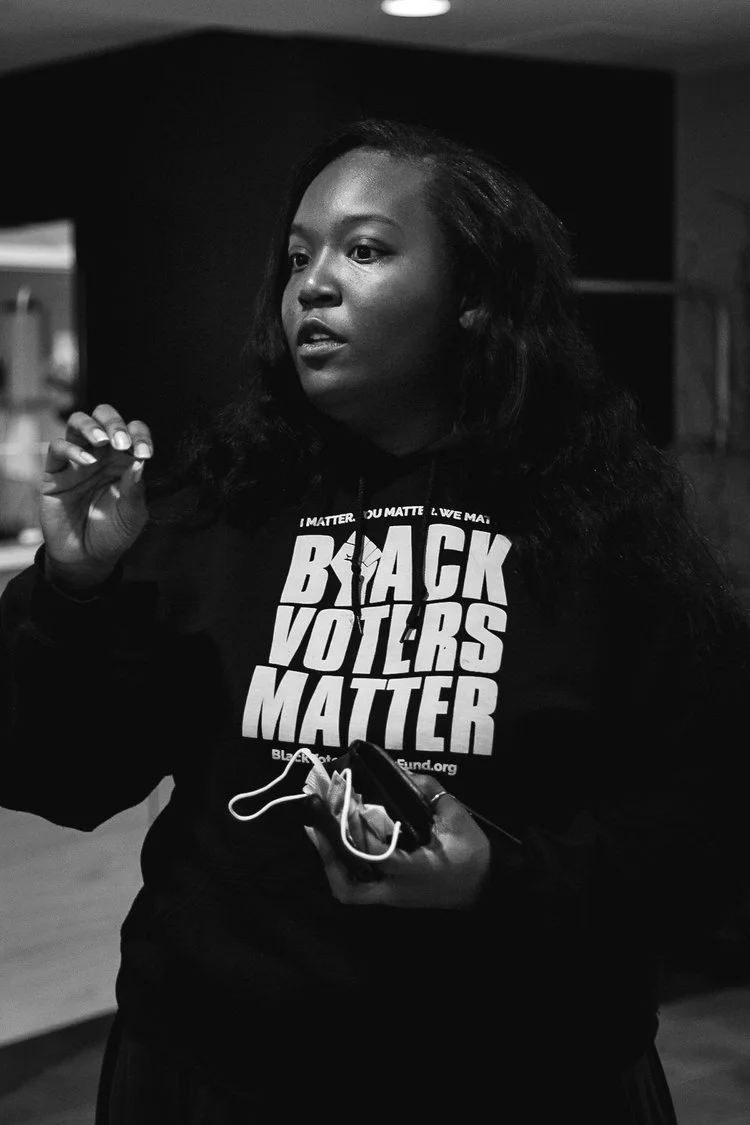
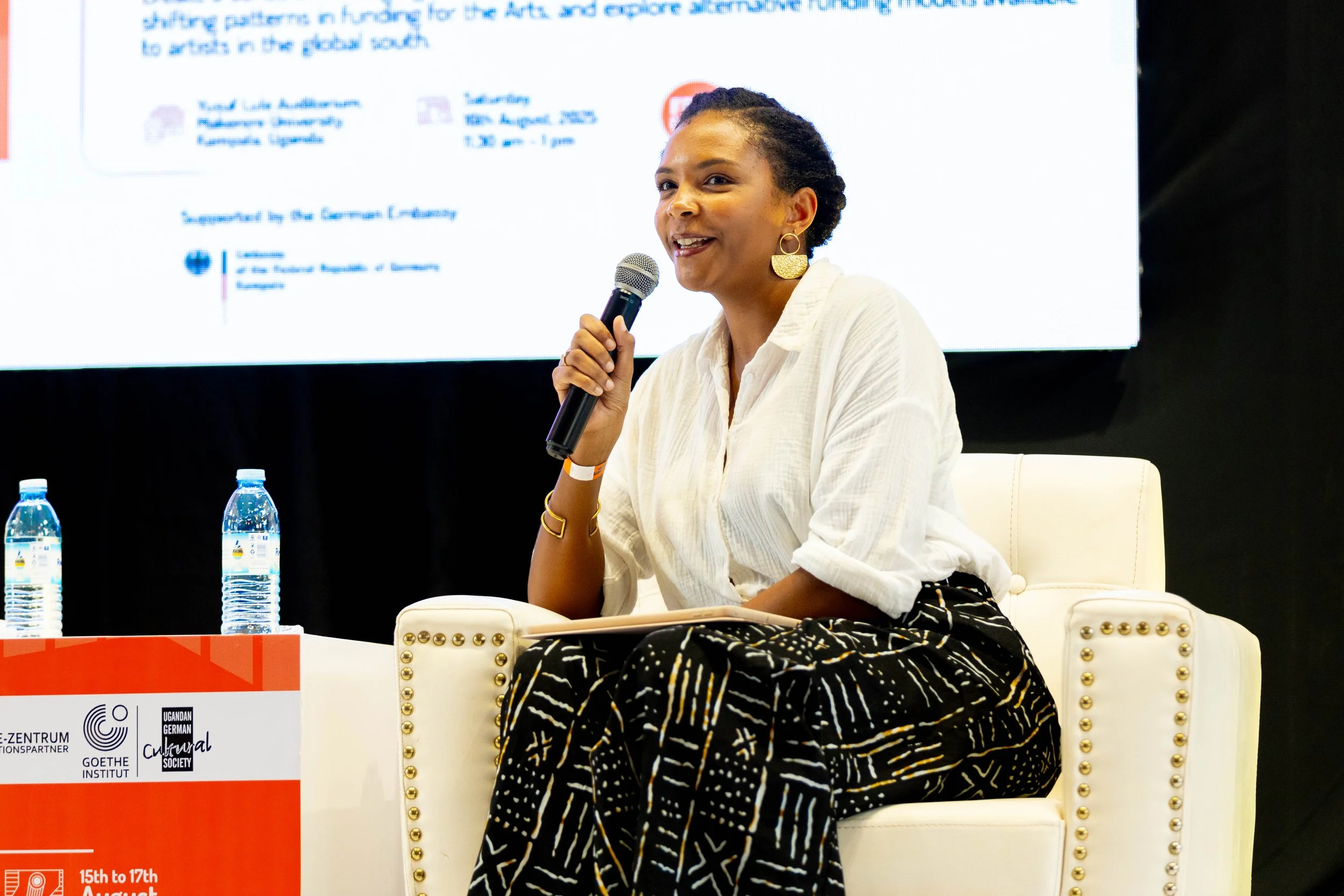
Brittany Burns (image supplied)
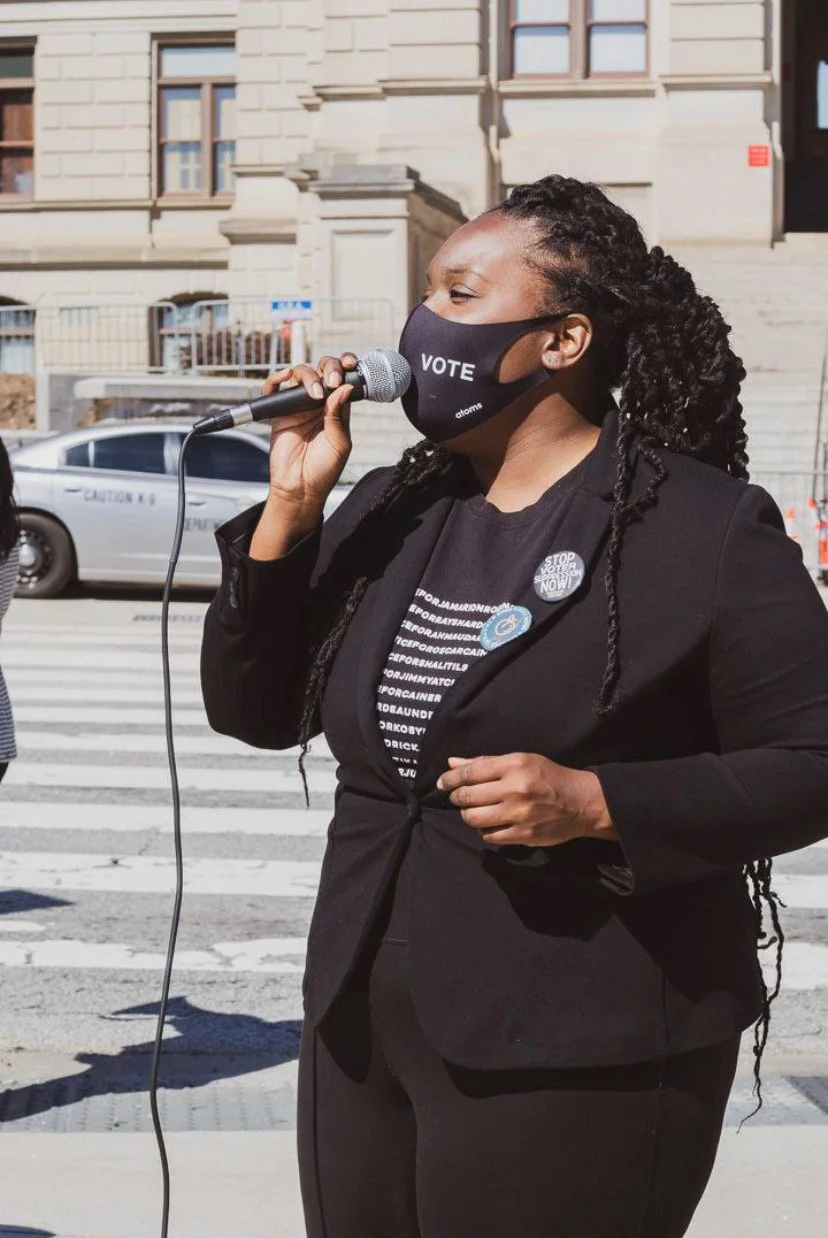
To date, Brittany has co-founded three non-profit organisations. Though they all differ in their function, the core mission across her work is evident: empowering individuals to become more aware of, and exercise their (legal) rights and political power. As a community organiser, she spends much of her time both canvassing and campaigning to increase Black American voter registration and participation in elections at all levels. Brittany’s call to action came during the 2020 Black Lives Matter movement - a generational uprising in protest of police brutality and their improper practises. What vividly stood out to Brittany during this period, was that people in her community would “cry out for help” but had no understanding of how to engage with or hold institutions and authorities to account. She believed she had the tools to help plug in the gaps.
She also works to tackle issues stemming from environmental injustices, like there being only one verified Level 1 Trauma Centre in Atlanta (Grady Memorial Hospital). In direct response to this, one of her non-profits was created to provide emergency preparedness resources and an infant hotline to particularly serve communities where 911 calls have been known to go to voicemail, meaning that the necessary help sometimes arrives too late.
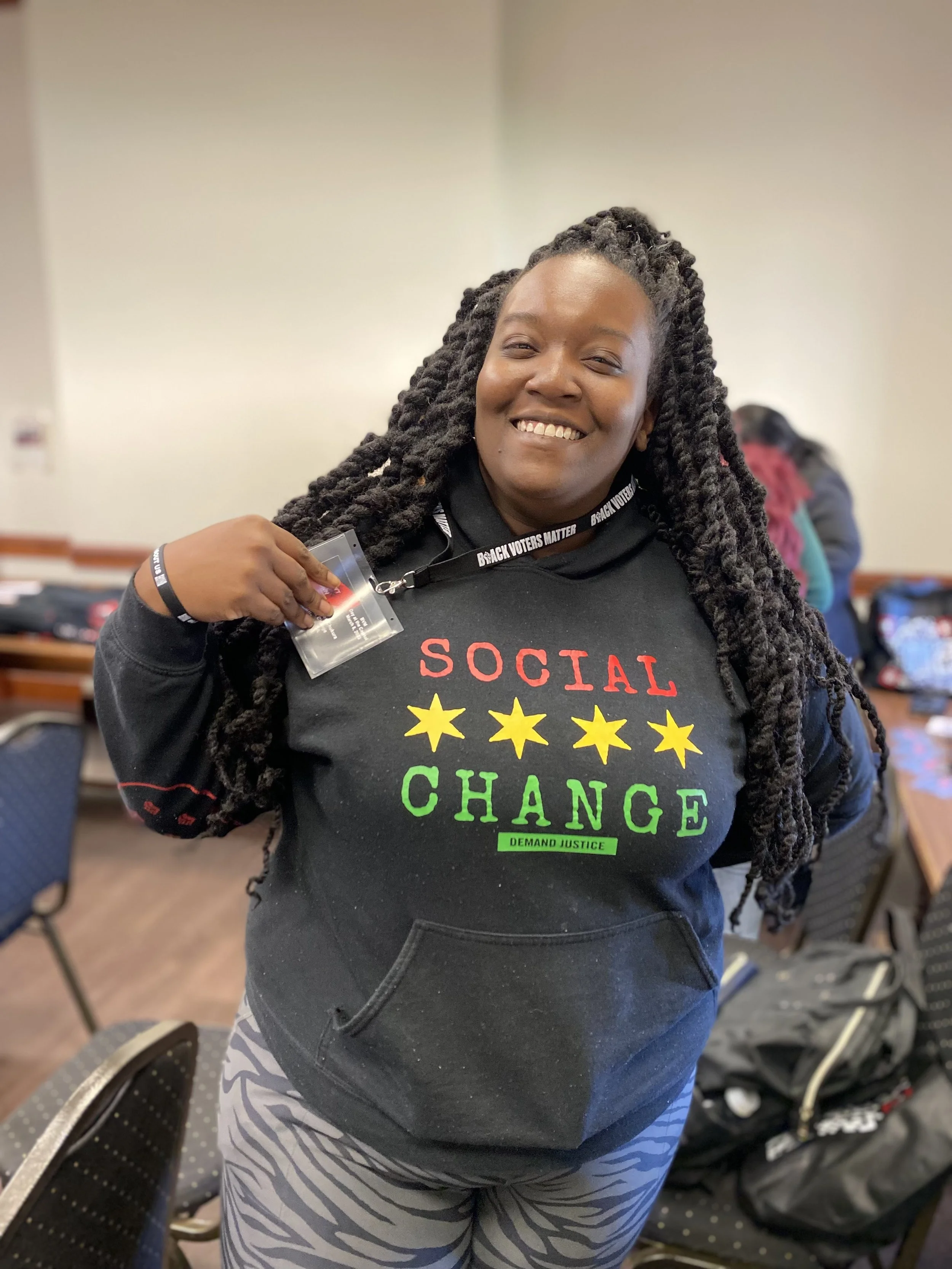
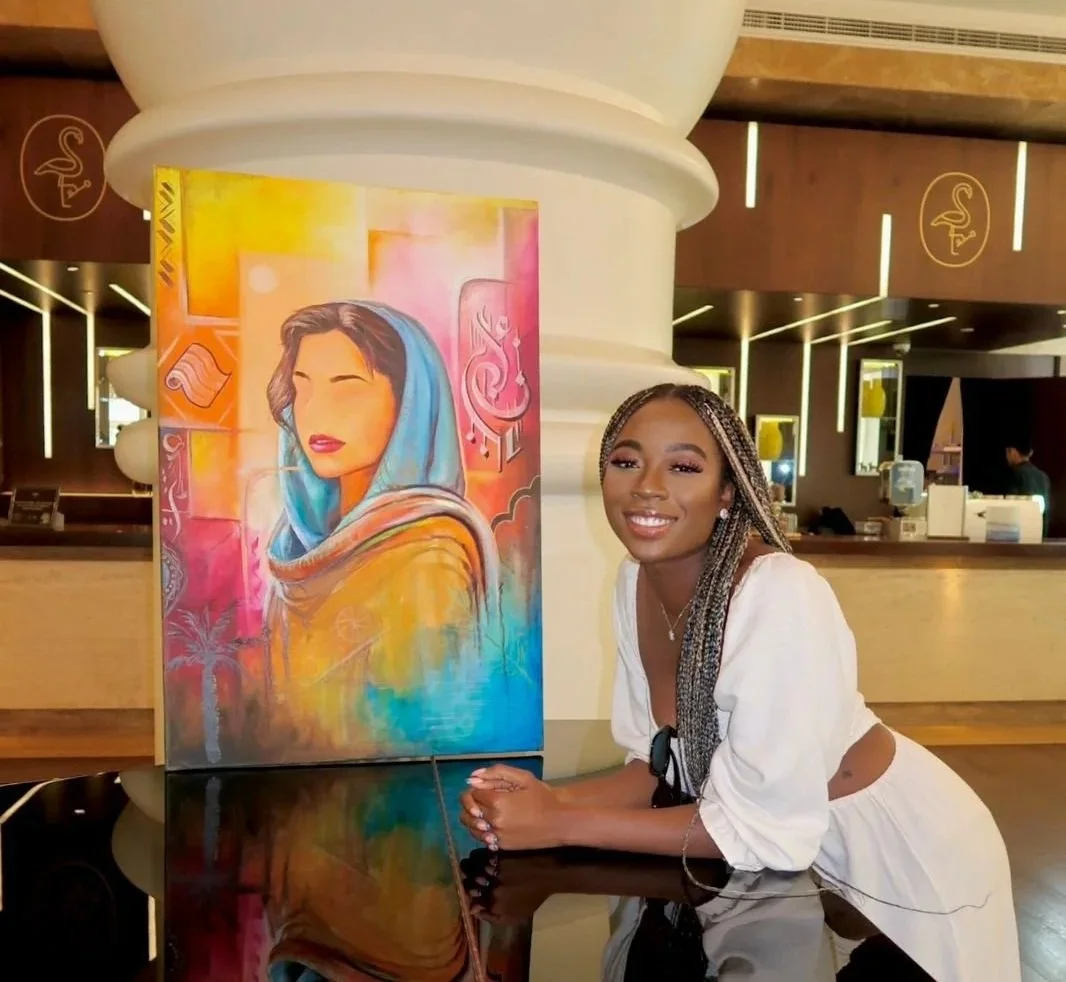
Brittany Burns (image supplied)
During our conversation, Brittany explained at length some of the systemic challenges that pose a barrier to voting and exercising political power - most notably (racial) gerrymandering and redistricting. Both (very simply explained) involve the deliberate manipulation of geographic voting lines in and across states. These artificial amendments can have seismic impacts upon voting patterns and ultimately, sway an election outcome to favour a political party in a given boundary. Britanny also drew my attention to the Supreme Court dispute Louisiana vs. Callais – a high-profile matter currently examining these very issues. This compounded with wider societal inequalities (e.g. schools and HBCU’s being underfunded), fuels the disparity whereby Black-Americans in certain regions do not receive the proper education required to navigate society and its complex systems.
So now you might ask yourself: in light of these issues, what can the average person do? Britanny stressed to me that people have more power than they may realise. It is imperative that they directly engage with the protocols at play which are accessible to them. For instance, attending City Council Meetings and legislative sessions; lobbying their elected representatives to holding them to account; registering to vote; then actually voting. At the heart of Brittany’s message is that knowledge is power. To this end, Brittany is a living embodiment of the ethos each one teach one.
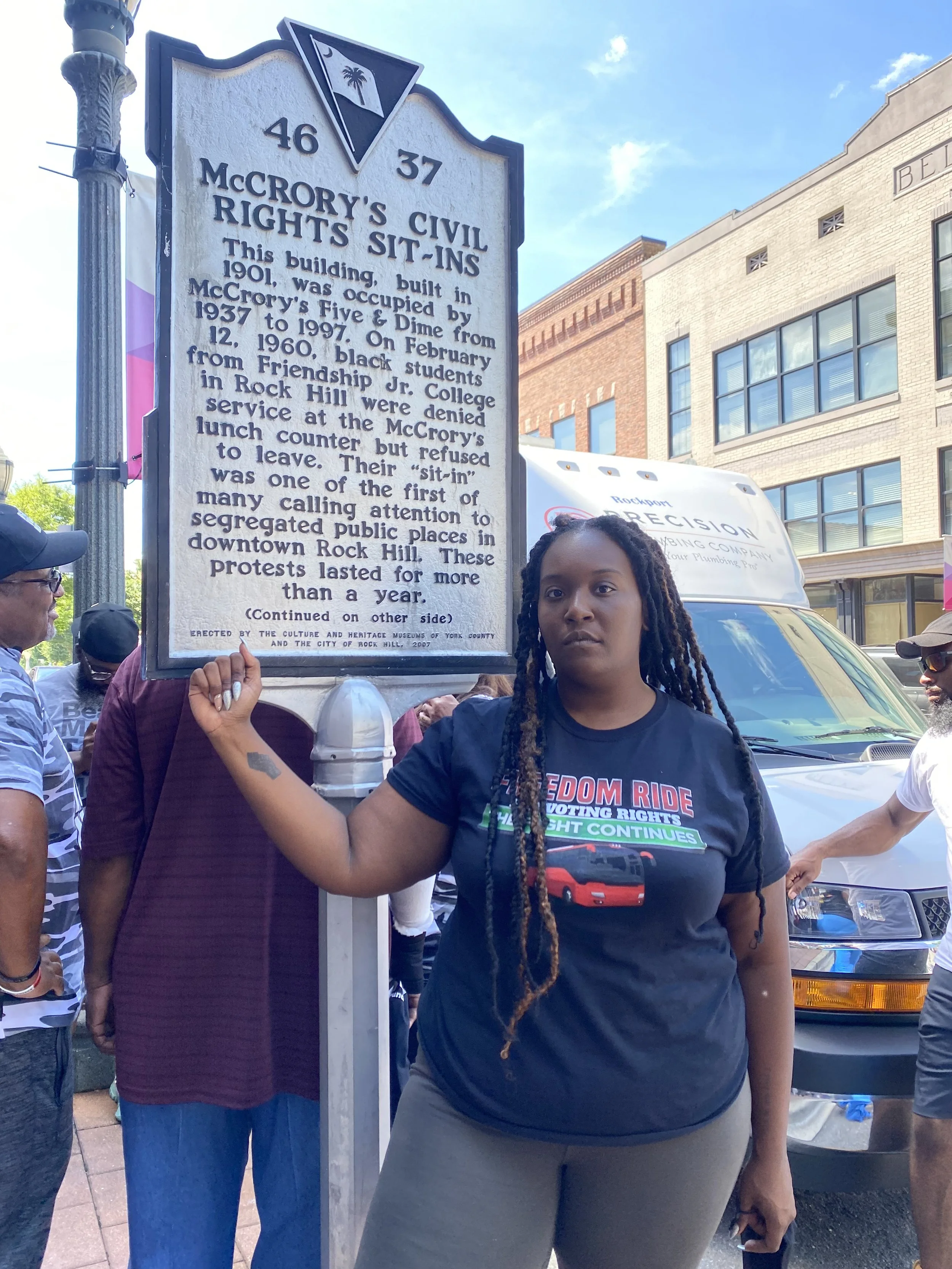
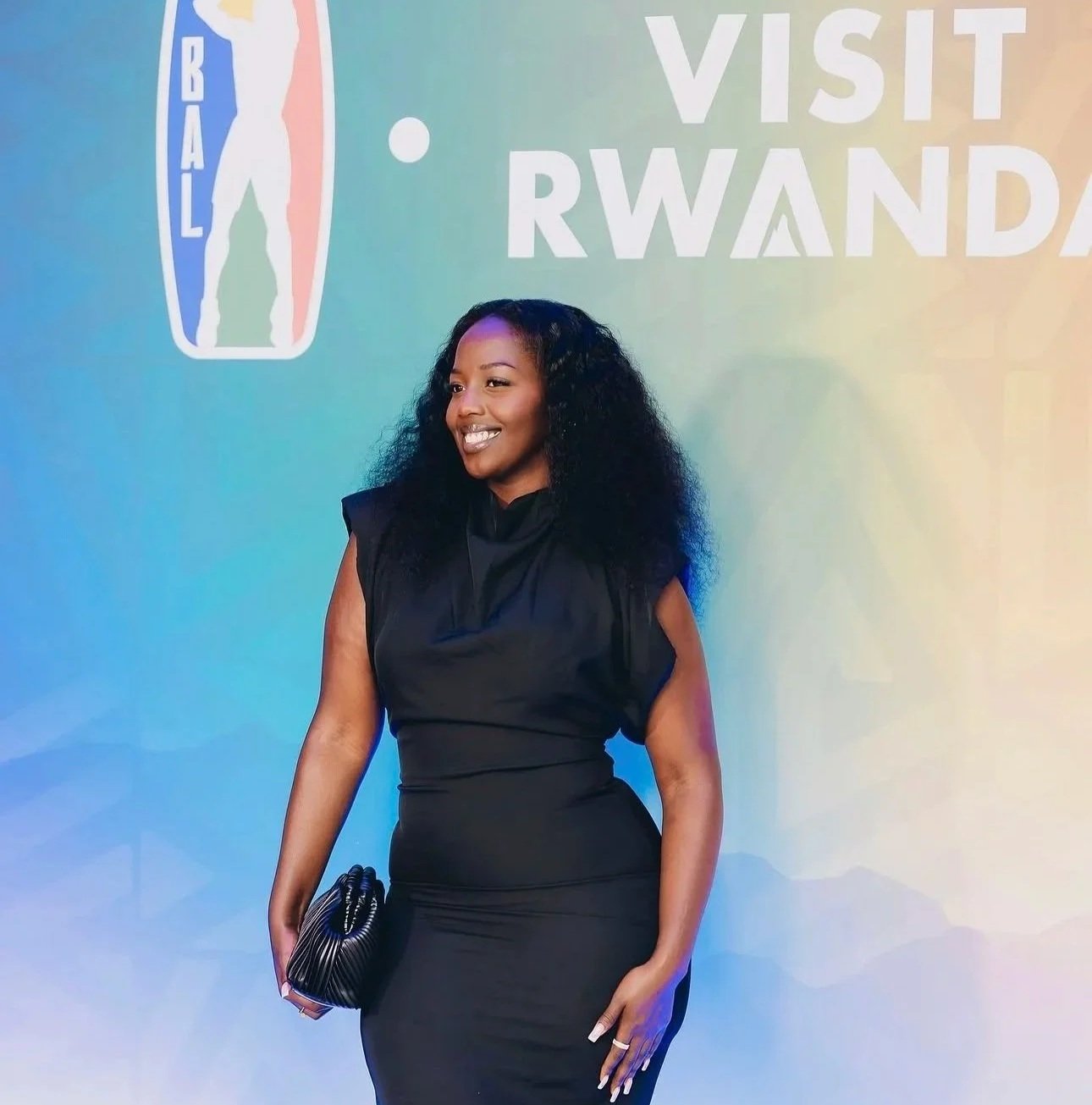
Brittany Burns (image supplied)
Finding Balance
For Brittany, none of this feels like work. For her, this is a deeply fulfilling journey that makes best use of her God-given abilities. Her motivation to continue is rooted in the reality that she sees the positive impact of her work in real time. Existing in these spaces she highlights has enabled her to truly find her “tribe”, who give her the space to authentically be herself. Even giving her the freedom to express her frustrations with the powers that be. And for her, this is priceless.
But being as innately altruistic as she is however has its price – the cost of inner peace. We spoke at length about the “healing” which the Black American community needs, resulting from the centuries of pain and trauma that has been forcibly inflicted upon them. This is a wider, separate conversation requiring much wider historical references. For Brittany, her means of contributing to this healing process is simply by “listening”: giving people the time and space to speak their grievances and feel heard. This practise takes place wherever she finds herself – from the street corners to community halls. Although this is a process that she finds reward in, I could sense an inner tension and fatigue that she battles with, which comes with the responsibility of bearing this immense emotional baggage.
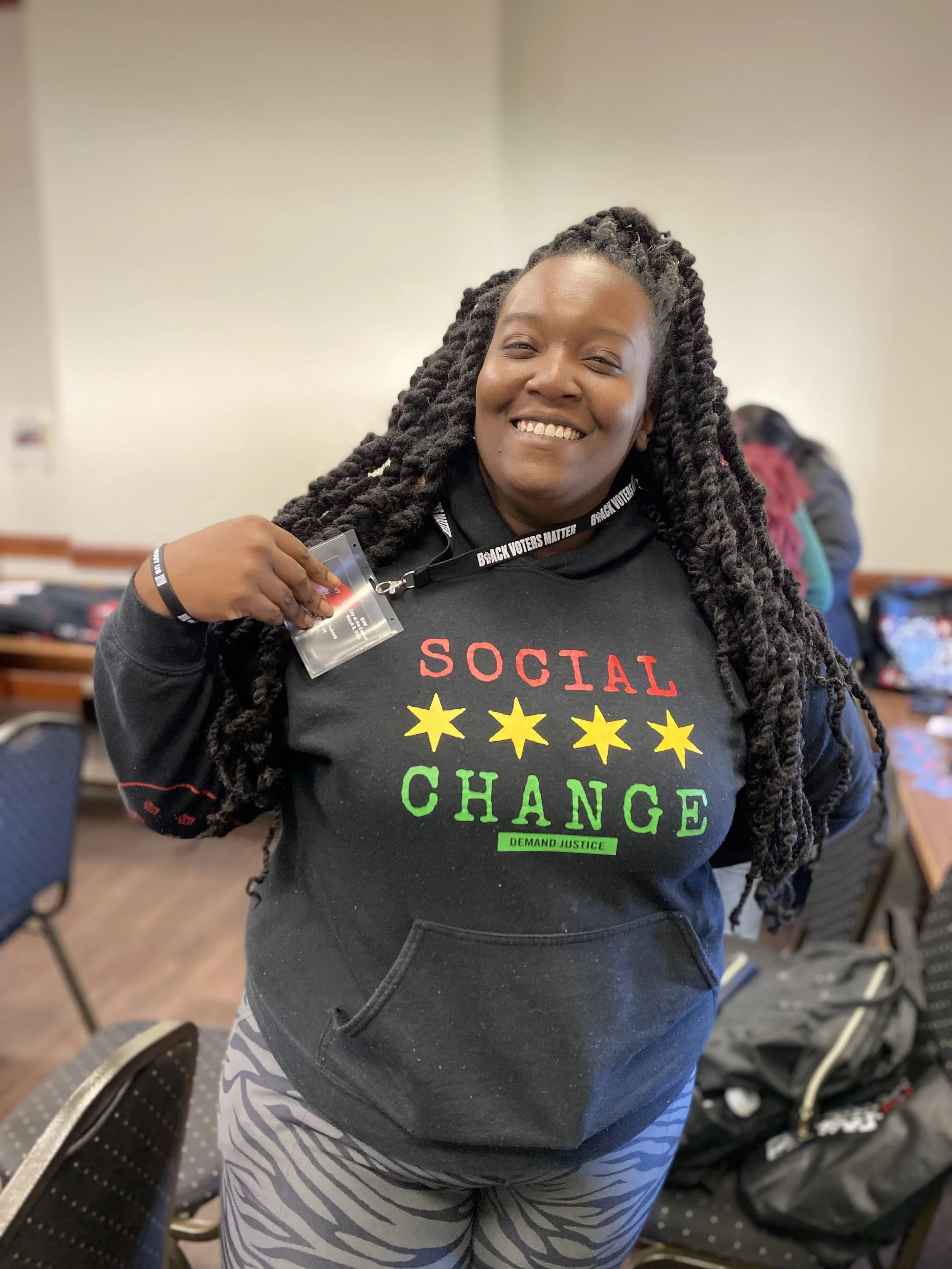
Brittany Burns (image supplied)
As America approaches its Midterm elections, the world is eagerly watching to see how the will of the people is exercised. Trump however (only in jest it is suggested by White House Press Secretary) expressed that they “shouldn’t even have” an election. Though many may feel burnt out and fatigued, Brittany believes that this is not the time to be apolitical or apathetic. In her words, given the climate, there is now simply “no choice but to participate!”. With this seemingly ominous warning she heralds as America continues to venture into an unprecedented no-man’s land (as it unilaterally redefines it diplomatic positioning on the global stage), it would seem that individuals must now arm themselves with knowhow of political processes and exercise their powers wherever and whenever possible.
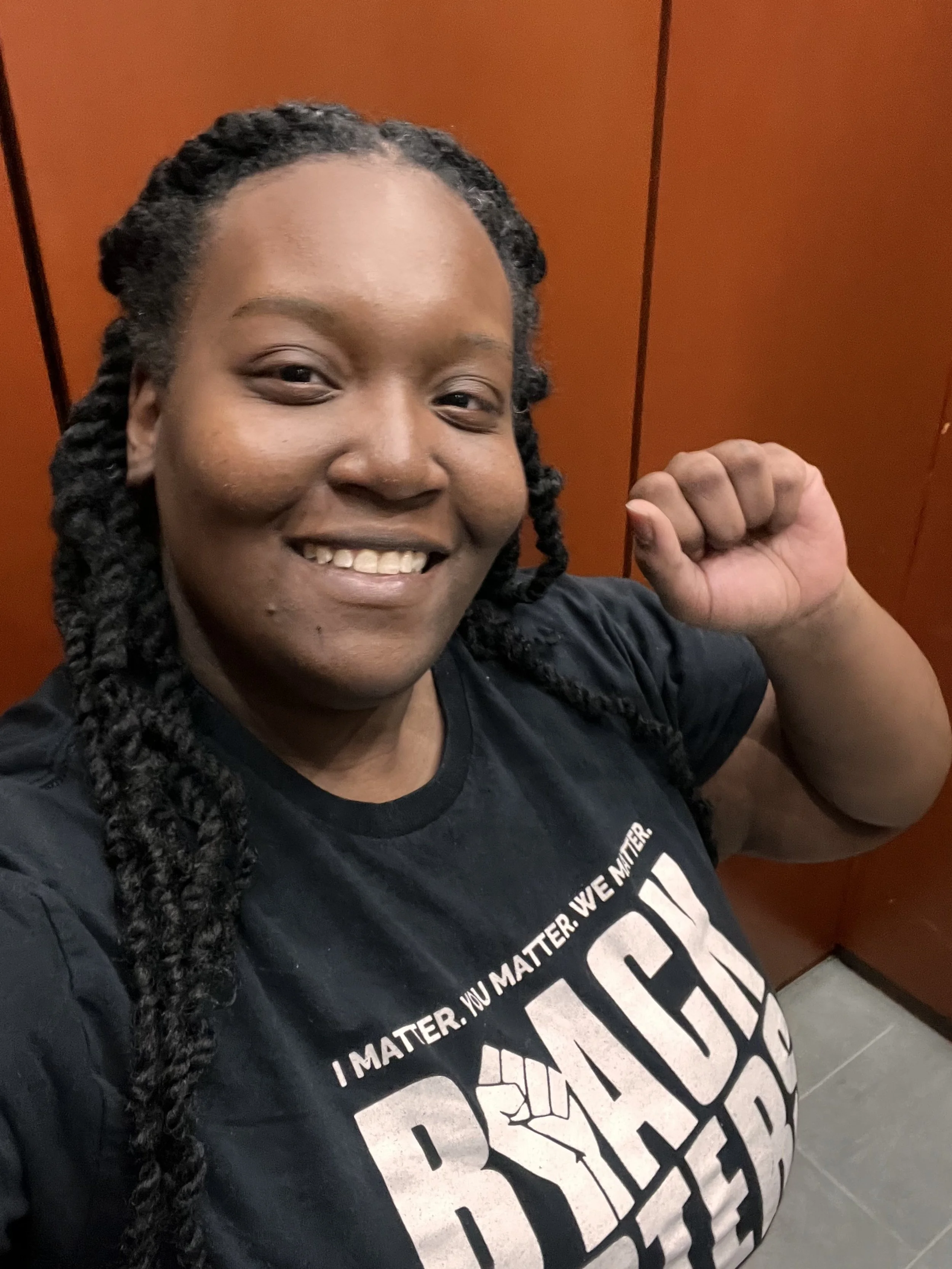
Brittany Burns (image supplied)