Dr. Elsa Zekeng Is The Award Winning Scientist That Is Rewriting The Blueprints For Precision Medicine & Drug Discovery
This article was drafted by Norman Busigu
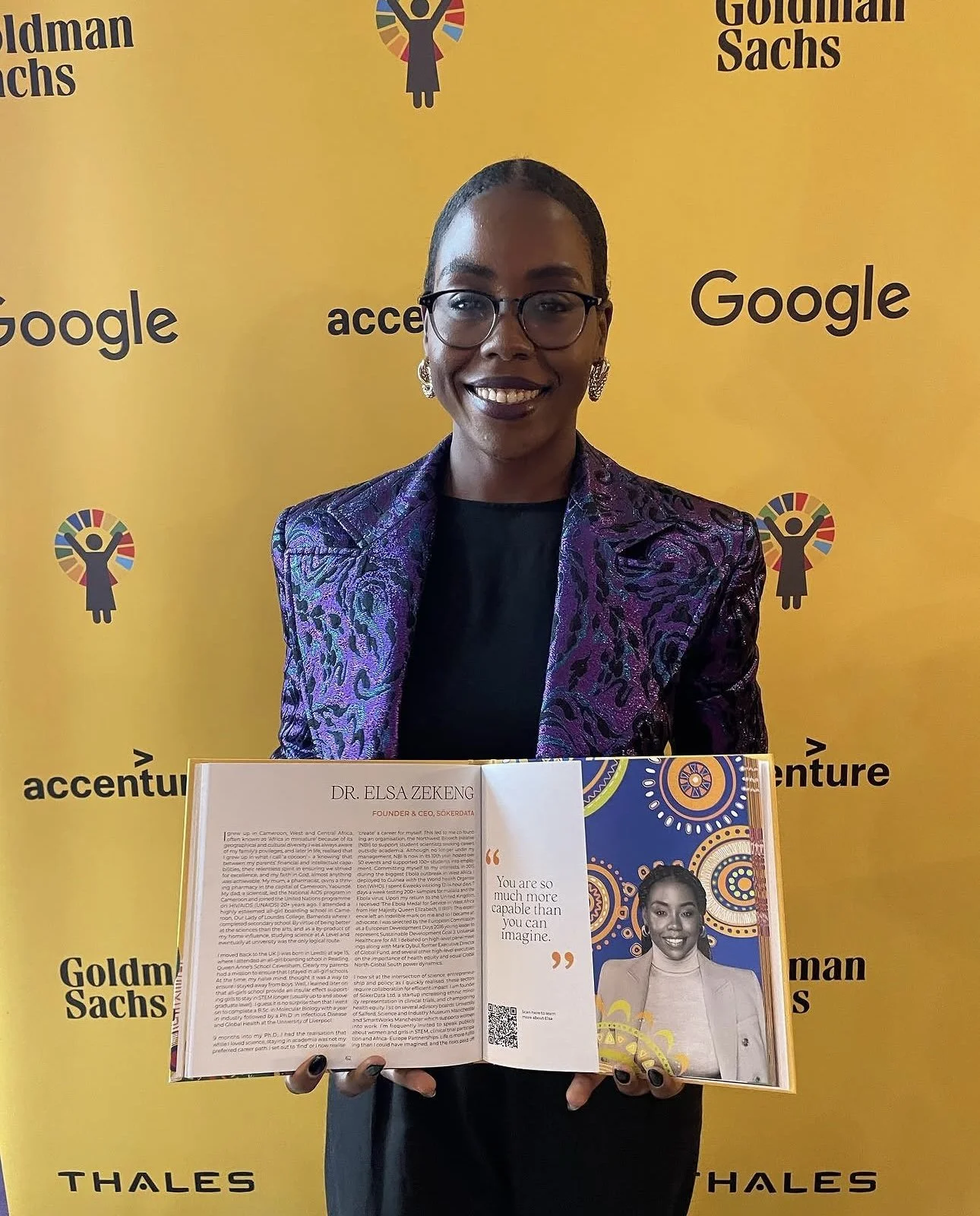
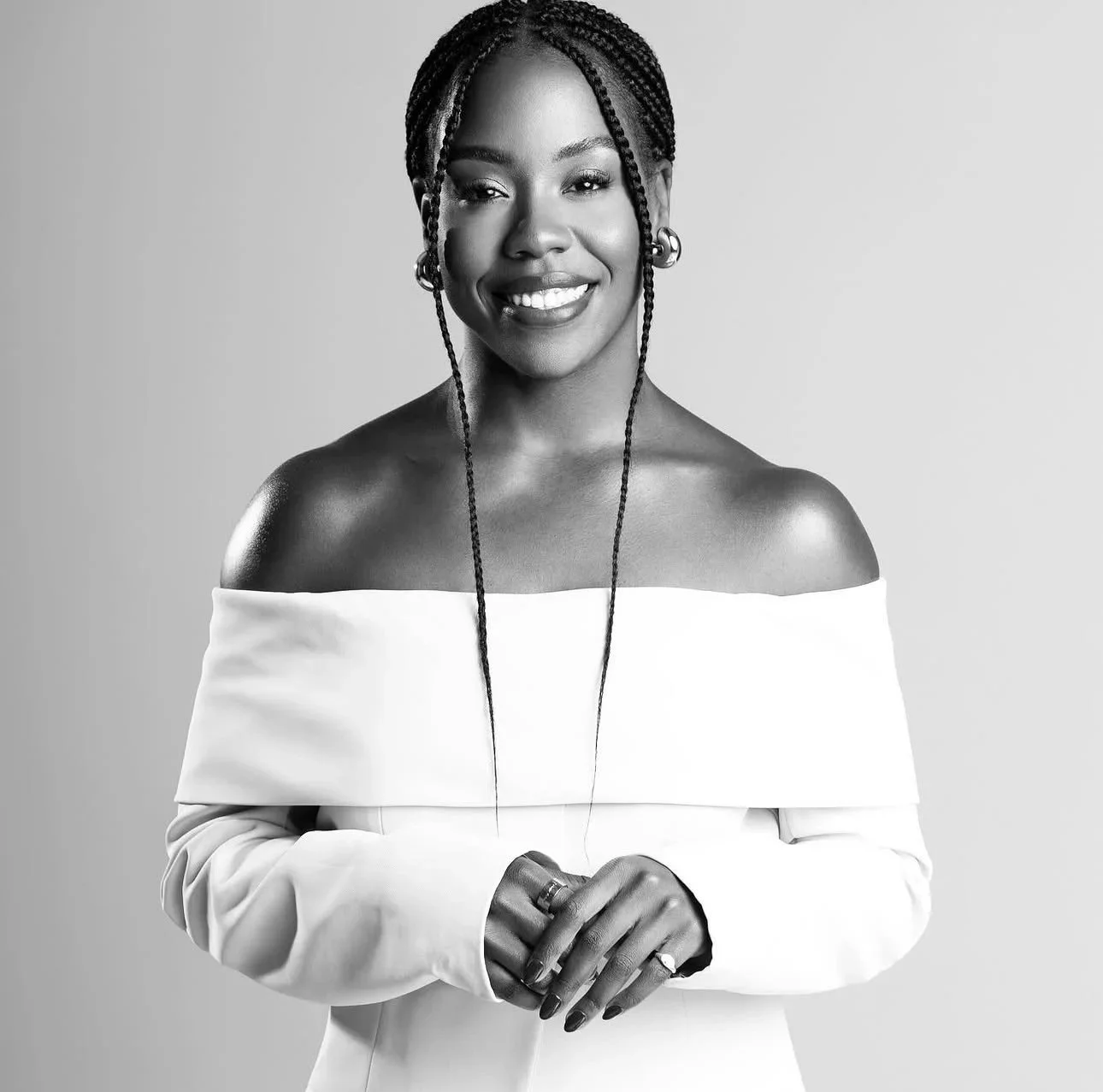
Image of Dr. Elsa Zekeng
From being awarded a medal by HM Queen Elizabeth II for her front-line work in Guinea during the Ebola crisis, to receiving the Freedom of the City award, to working at the World Health Organisation (WHO), and also featuring on the likes of Channel 4, ITV and Sky News for programmes that explored issues including inequality, gender and race… Dr. Elsa Zekeng (a proud Cameroonian) is an accomplished humanitarian who is utilising her background as a Scientist to fulfil her mission of ensuring that the global life sciences industry becomes more inclusively designed for the whole world. In doing so, she actively rejects (what she labels as) the “colonial architecture” that continues to disproportionately disadvantage Africans within the global medical data landscape. And the sobering stats that she is up against are rather shocking: 94% of the data underpinning drug development globally comes from white, Eurocentric populations.
In response to such imbalances, she has created a health data intelligence company, SökerData, which she regards as the future of precision medicine. In essence, it is a start-up that is increasing equity in clinical trials for women and black and ethnic minority groups by engaging with Pharmaceutical and biotech companies to support them in diversifying their drug development process. And while voyaging with this undertaking, she adamant we understand that SökerData is not a charity. Impressively, SökerData has already generated over £350,000, secured partnerships with hospitals across West and East Africa, and amassed over 1.1 million data points - among other incredible feats.
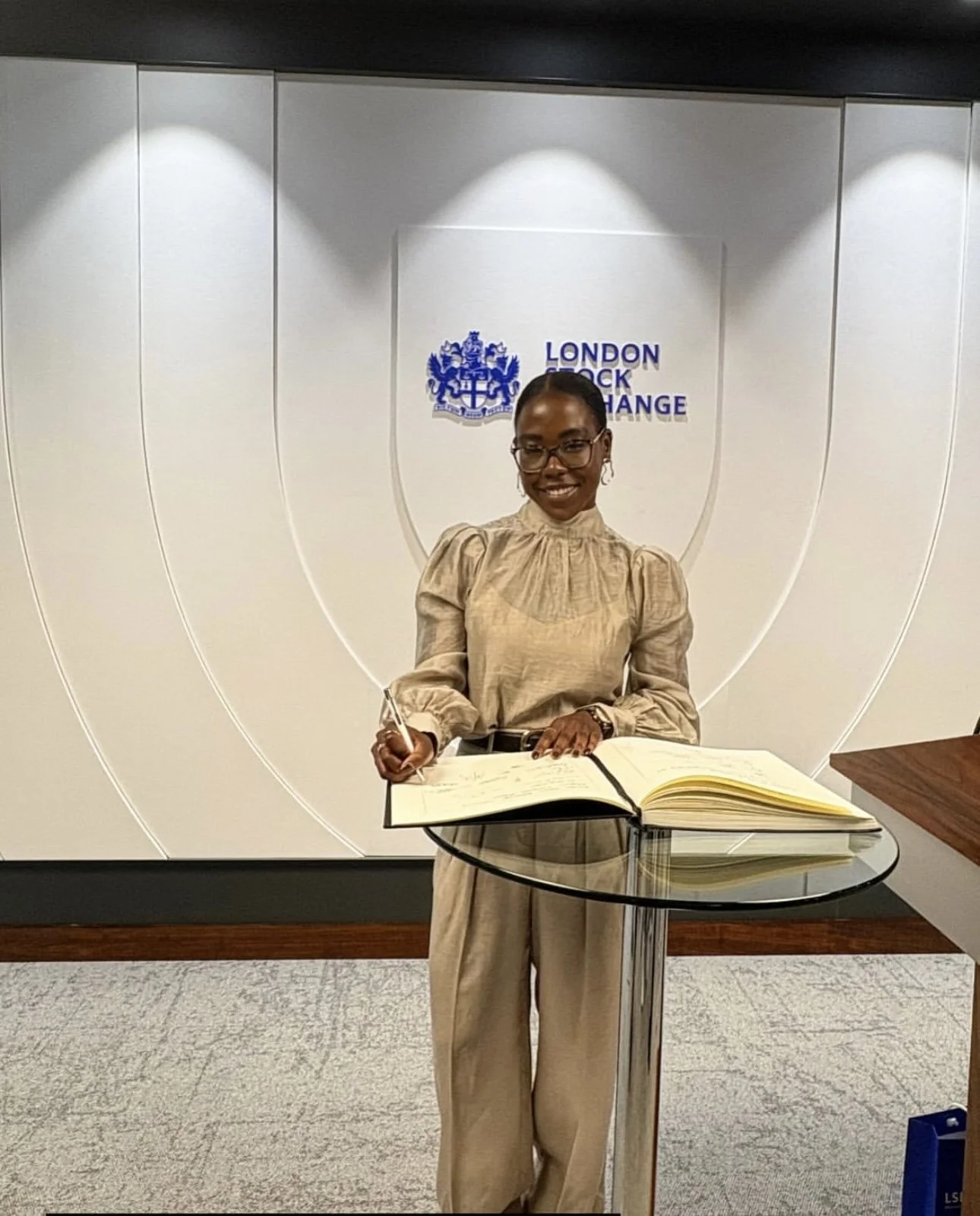
Image of Dr. Elsa Zekeng
With substantive time spent growing up in Yaoundé (Cameroon), she was exposed to the harsh realities of health inequity which arbitrarily decides who lives and who dies. This - coupled with her dual existence the UK - led to her developing a unique lens through which she could understand these issues and begin to create tangible solutions. In doing so, she endeavours to demonstrate what commercially viable and ethical African entrepreneurship looks like in practice.
I recently caught up with Dr. Elsa to discuss the ground-breaking work she is doing with SökerData, her ambitious quest to build the infrastructure for the next generation of medicine, motivating forces that underpin her work, lessons learned throughout her life and career, African entrepreneurship and more.
***
Let’s start from the beginning… You have lived experience across Cameroon and the UK (having spent 15 years in the former, and completed your higher education in the latter). How has existing and frequently travelling between Europe and Africa shaped your sense of identity as an African and, more widely, a global citizen?
I was born in Leeds but grew up in Yaounde, Cameroon -- in the capital, the heartbeat of the country. I went to an all-girls boarding school there for five years, then moved to the UK at fifteen to Queen Anne's in Reading -- another all-girls boarding school. Seven years total of single-sex education, two continents, two completely different worlds. That experience did something to me. It meant I never fully belonged to one place, which sounds destabilising, but actually became a superpower. I learned to read rooms quickly, to adapt without losing myself, to hold multiple truths simultaneously.
What travelling frequently between Europe and Africa gave me -- and still gives me -- is the refusal to accept that there is one default way of doing things. In science, in business, in life. African health systems are often labelled "resource-poor," but what I saw growing up was extraordinary ingenuity under constraint. When I then came to the UK and saw the resources available -- and the questions that still weren't being asked, the populations still being ignored -- I couldn't un-see that gap. That gap is where SökerData was born. I think of myself as a bridge. Not someone caught between two identities, but someone built to connect them. That framing is not incidental to my work -- it is foundational to it.
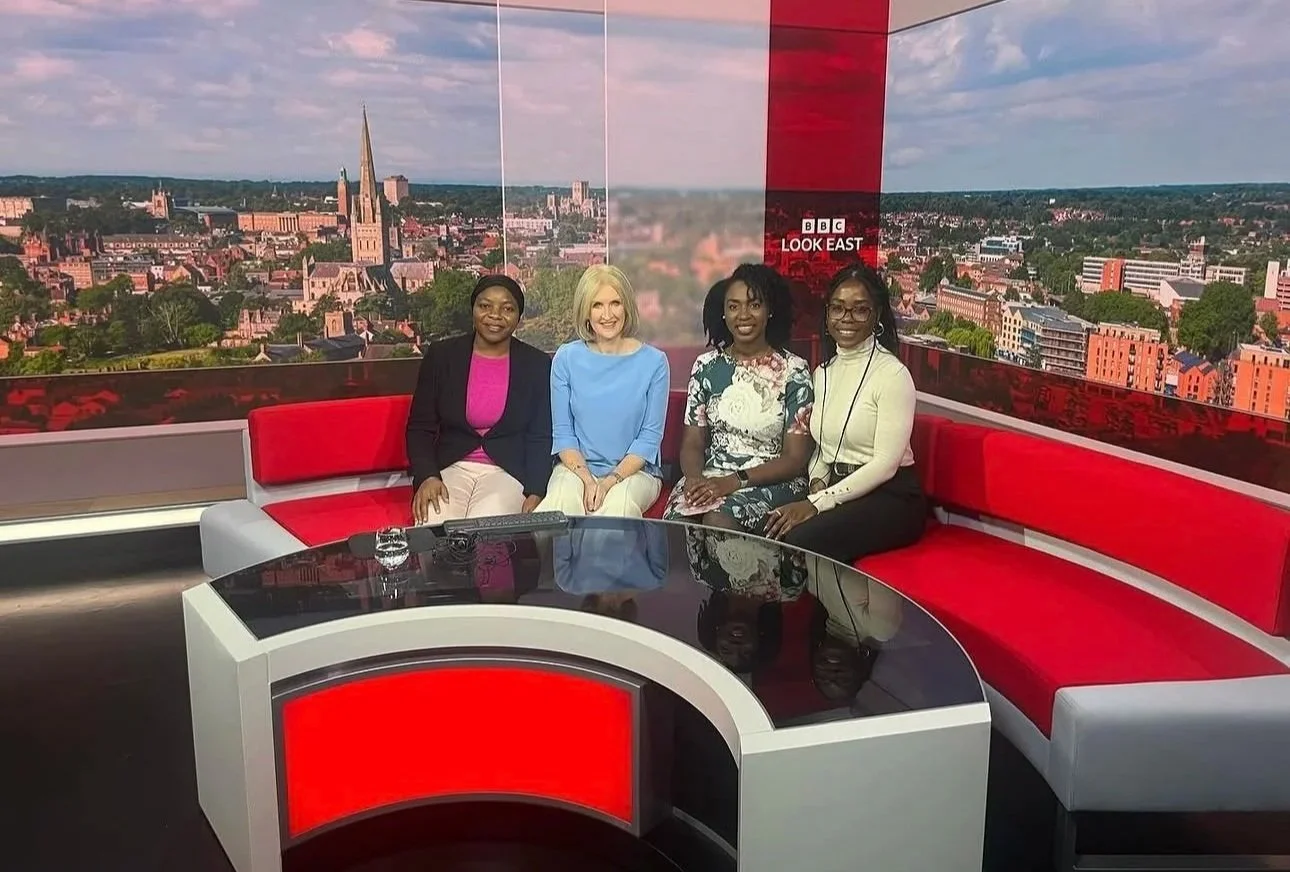
Image of Dr. Elsa Zekeng
What sparked your interest to become a Scientist? Did seeing/being exposed to health inequities in Africa while growing up play a role? Also, do you think the profound legacy of your father (a renown global health leader) inspired you?
Both. Honestly, it would be dishonest to separate them. My father is a global health leader in his own right. Growing up with a scientist in the house meant that curiosity was not optional -- it was the household currency. Science was dinner table conversation. Questions were encouraged. Evidence was respected. That foundation was set early and it never left me.
But the spark was also environmental. Growing up in Cameroon, you see health inequity not as a concept but as a daily reality. You see who gets treated and who doesn't. You see which diseases get funded and which ones are left to communities to manage alone. I didn't have the vocabulary for it as a child, but I had the feeling -- this is wrong, and it is not inevitable.
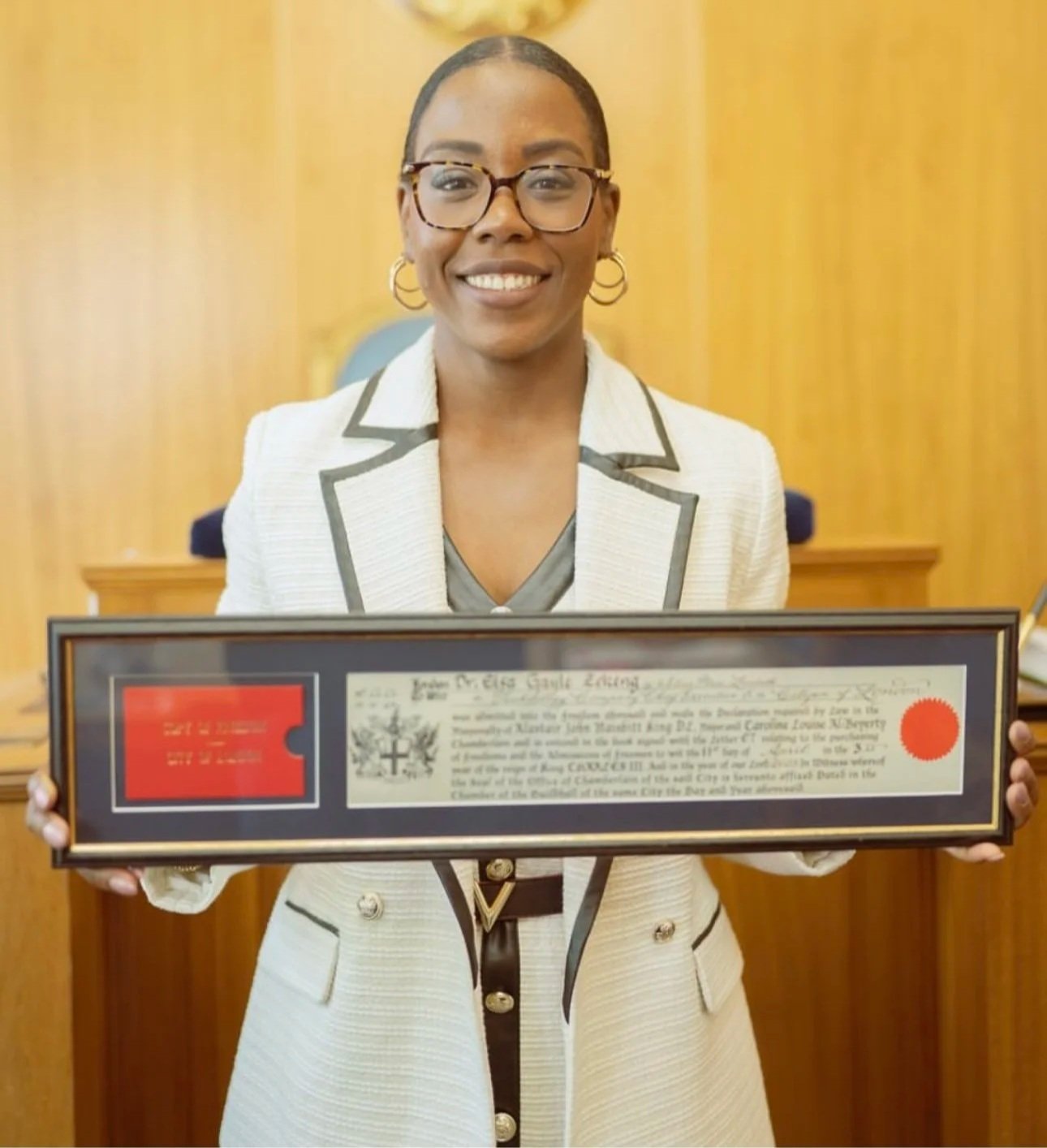
Image of Dr. Elsa Zekeng
When I got to university and studied molecular biology, I found the mechanism. I understood, at a biological level, why some diseases disproportionately affect certain populations. And then I kept pulling the thread: why does the science itself so often exclude those same populations? That question has never left me. It went from PhD dissertation to WHO deployment to, now, the entire commercial thesis of SökerData.
There is truly an altruistic spirit underpinning your work, with a marked focus on contributing to Africa’s development. You receiving a medal from HM Queen Elizabeth II (for your exceptional work during the biggest Ebola outbreak in Guinea, Africa) is testament to this. What do you think underpins your unwavering passion and focus towards the continent?
I want to push back gently on the word "altruistic." I think people use it to make the work sound selfless, as if caring about Africa requires some unusual moral virtue. It doesn't. It requires paying attention. Africa carries 25% of the world's disease burden but generates less than 3% of global health research. That is not a gap driven by lack of data -- it is a gap driven by a lack of investment, a lack of political will, and a colonial architecture that extracted value from the continent for centuries without returning it. Caring about correcting that is not altruism. It is alignment with reality.
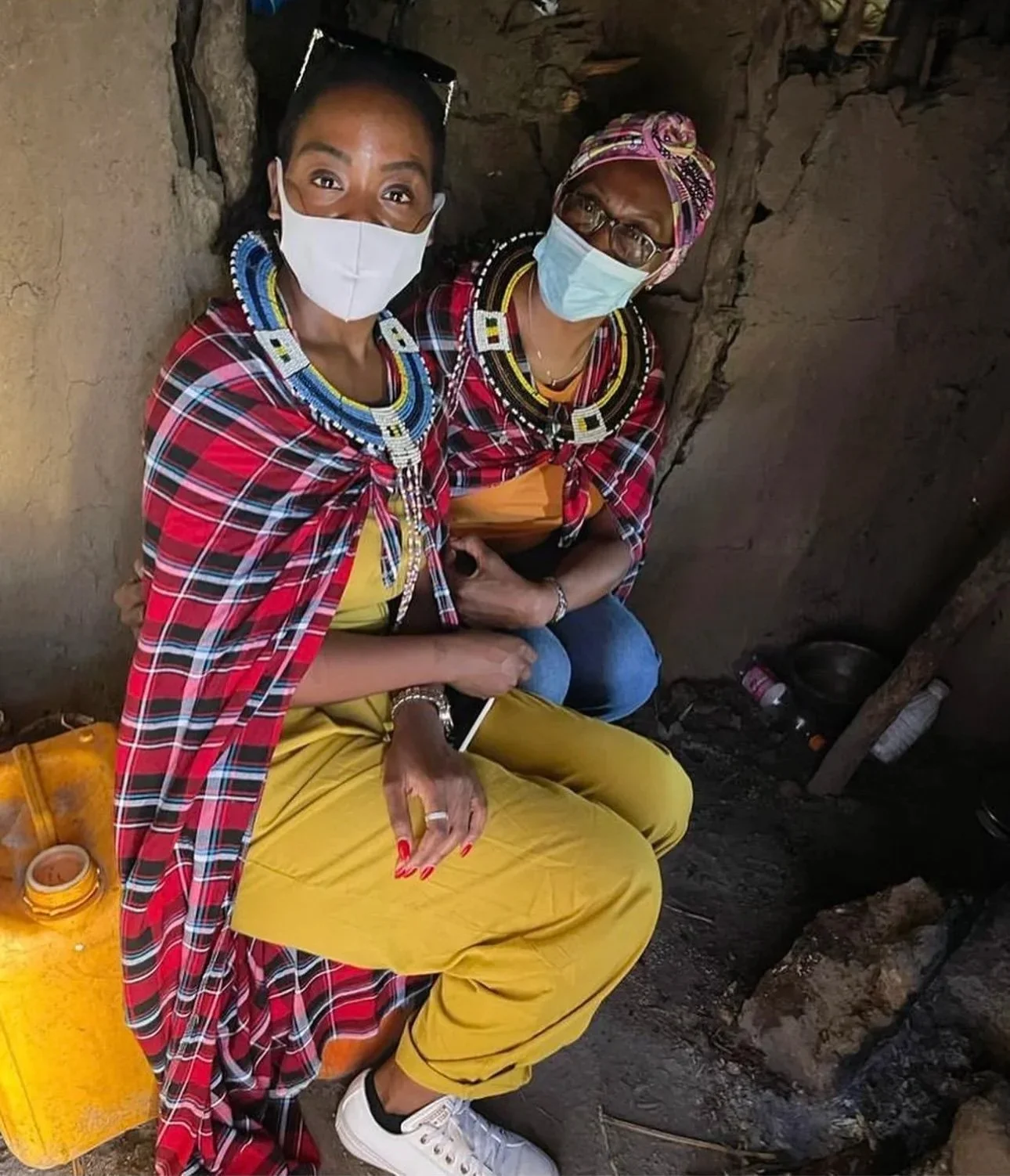
Image of Dr. Elsa Zekeng
What the Ebola deployment to Guinea in 2015 did was make that reality visceral. I was at the treatment centre in Coyah, running clinical samples on patients -- some of whom I watched recover, and some of whom I watched die. Our team's work became part of a Nature paper on the human immune signature of Ebola, one of the first to characterise that response in real field conditions. The science was extraordinary. But what stayed with me was the faces. The families outside the treatment centre. The community health workers who put themselves in harm's way every single day.
The Queen's medal was a recognition of that collective effort. It matters to me because it acknowledges that the work done in places the world often looks away from is serious science, done by serious people, under extraordinary conditions. My passion for Africa is not separate from my commercial ambition. Africa has the world's youngest population, the fastest-growing disease registries, and the most underutilised health datasets on the planet. SökerData's Nigeria architecture -- NBS population data, hospital clinical biomarkers, NICRAT registry -- is not charity. It is the future of precision medicine.
You have a decorated array of accolades: from being recognised as a European Commission Young Leader, to receiving the Freedom of the City Award. Does any specific award hold the most significance for you? And, looking back, does any award signify a “breakthrough” moment in your journey?
The Ebola Medal, without question. Not because of the prestige but because of what it represents. That medal belongs to everyone who was in Guinea. The lab technicians, the contact tracers, the nurses. It is a collective recognition, and I carry it that way.
But if I'm honest about a breakthrough moment -- a moment where I felt the shift internally -- it was being selected as a European Commission Young Leader in 2016. I was one of sixteen young people chosen from over three hundred applicants to sit on a panel debating universal health coverage at the European Development Days. I was debating alongside the Executive Director of the Global Fund and the Secretary-General's Special Adviser on the 2030 Agenda. I was a PhD student. That moment taught me that I was supposed to be in those rooms. Not invited by grace -- supposed to be there. That internal recalibration changed how I operate. I stopped waiting to be given permission and started showing up as if I already had it.
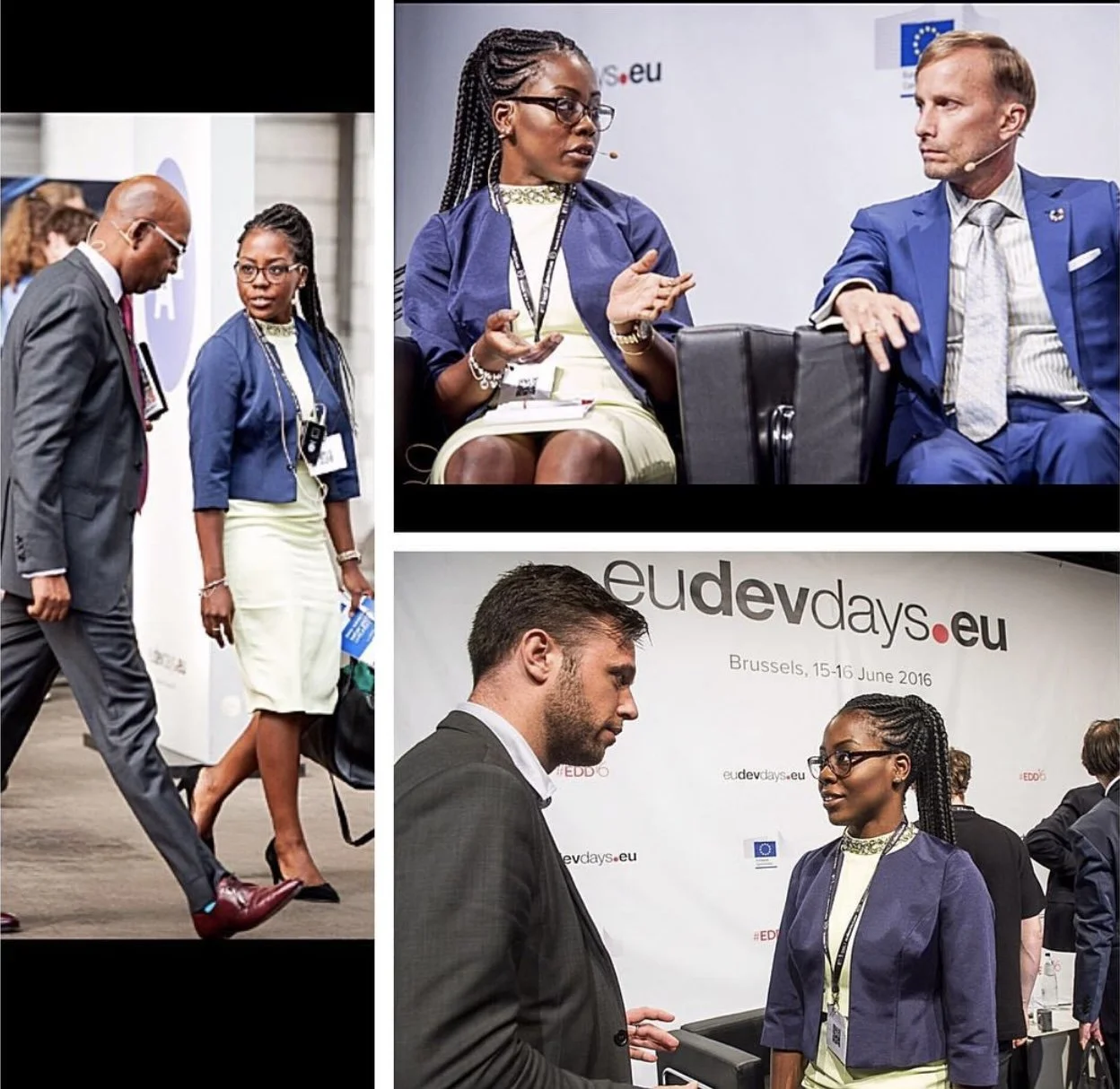
Image of Dr. Elsa Zekeng
With Forbes Afrique dubbing you as the “Science Entrepreneur” you are a true multihyphenate! At present, it appears much of your focus is placed towards your startup, SökerData. For the layman reading this, please explain what this venture is, why it exists and what you’ve been able to accomplish so far…
The simplest version: 94% of the data underpinning drug development globally comes from white, Eurocentric populations. That means the medicines being developed, the diagnostics being built, the AI being trained -- most of it has a fundamental representation problem baked in at the foundation. SökerData exists to fix that. We are a health data intelligence company. Our flagship product is an AI audit tool -- I describe it as Grammarly for bias in health data. It detects and corrects representation gaps in health datasets before those gaps corrupt the science downstream.
What we've built: a live enterprise contract with Bayer Pharmaceuticals generating over £350,000 in revenue and helping them prepare a Health Technology Assessment dossier that actually includes women from Global Majority backgrounds. Letters of intent with IQVIA and other Tier 1 pharma companies. Partnerships with hospital networks and registries across Nigeria, Cameroon, Ghana, Kenya, Tanzania, Senegal, and The Gambia. Over 1.1 million data points. Backing from Techstars London -- 0.8% acceptance rate -- the Francis Crick Institute's KQ Labs, and Fuel Ventures as our lead investor.
We're not building a charity. We're building infrastructure for the next generation of medicine. The FDA mandated in 2024 that pharmaceutical companies must include diverse populations in their data. We are the solution to that mandate.
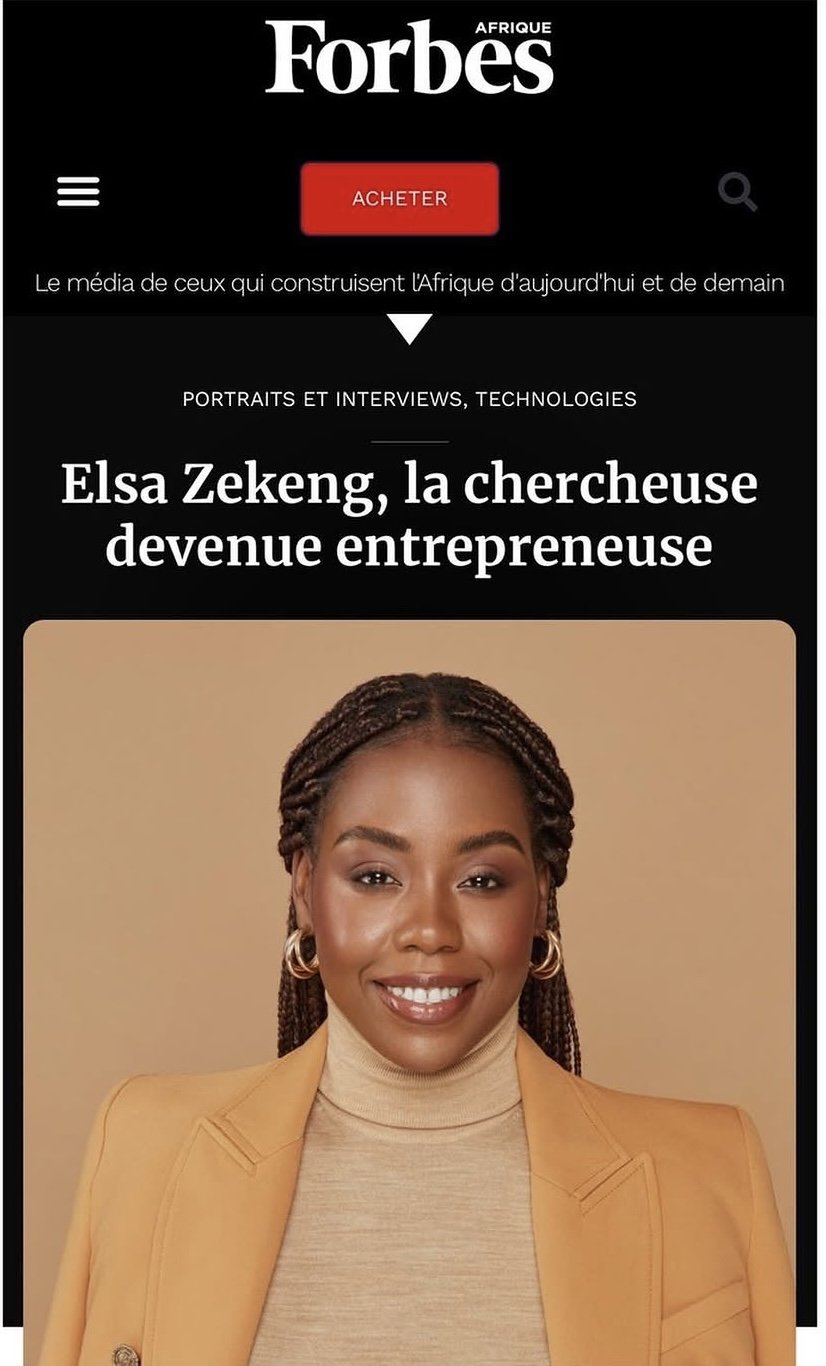
Image of Dr. Elsa Zekeng
SökerData exists at the intersection of healthcare and tech, with a wider goal of bringing us closer to precision medicine: the next generation of healthcare. How will SökerData use AI and mission learning to achieve this?
Precision medicine is the idea that treatment should be tailored to the individual -- their biology, their genetics, their lived context -- rather than the average patient. The problem is that "the average patient" in most datasets is a 70-kilogram white man. When you train AI on that data and then apply it to women, to Black patients, to populations across Sub-Saharan Africa, it fails. Sometimes quietly. Sometimes catastrophically.
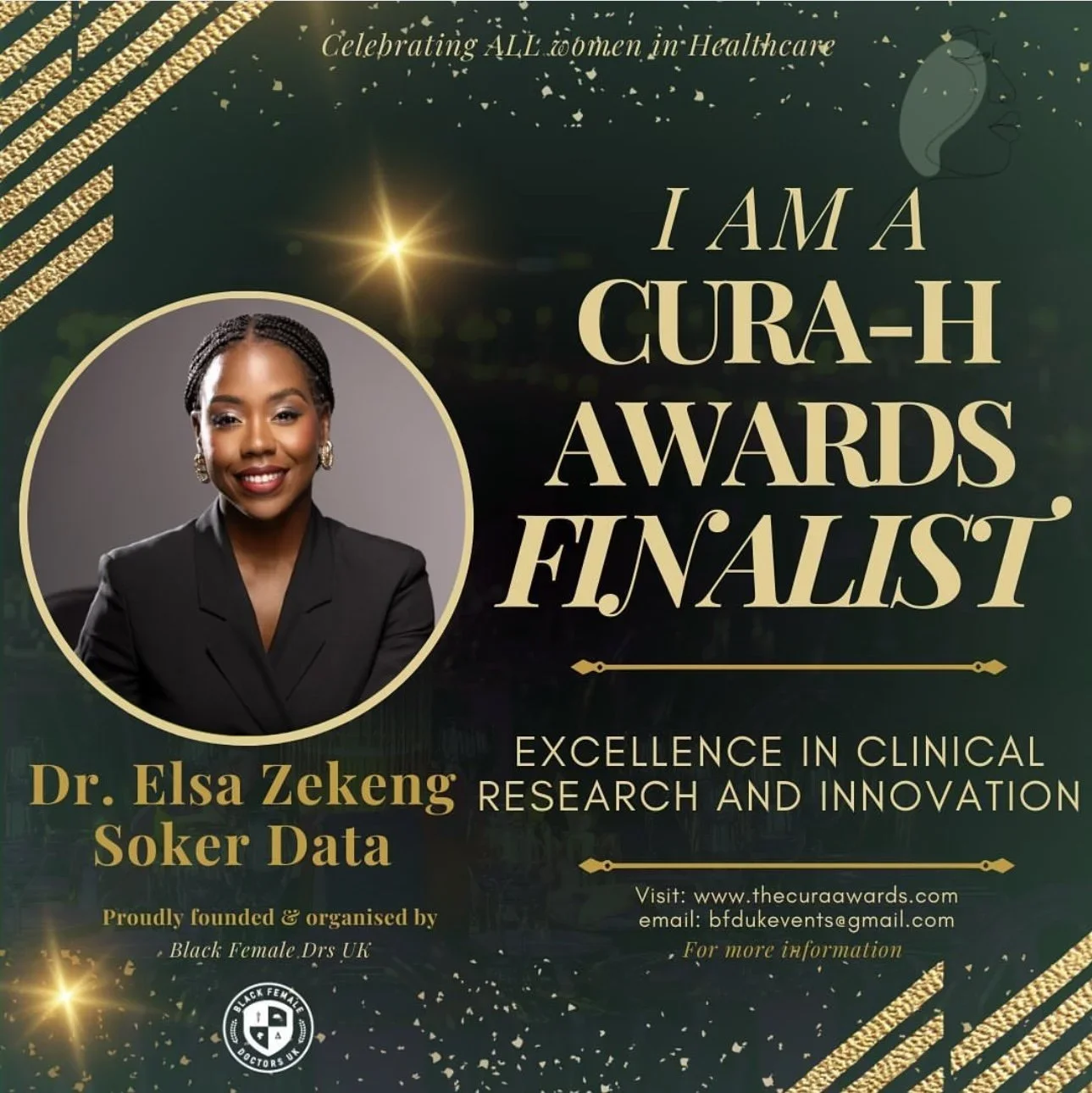
SökerData's approach has three layers. First, data: we aggregate ethically sourced, consent-driven datasets from underrepresented populations -- aggregator data, hospital clinical data, real-world evidence -- and bring them under one roof. Our African hospital partnerships alone give us access to over 500,000+ patient records. Second, the audit tool identifies where bias and representation gaps exist in a dataset before that dataset is used in drug development, clinical trial design, or regulatory submission. Third, insights: we generate actionable intelligence -- biomarker correlations, demographic subgroup performance, recruitment feasibility for diverse trials -- that changes commercial decision-making, not just research.
The vision is that when a pharma company is preparing a drug for regulatory submission or a go-to-market strategy, someone around the table asks: "Have we run this through SökerData?" That is the category we are building. Not a diversity tool. Health data intelligence infrastructure.
You have had the privilege of learning directly from industry leaders while working at institutions such as the World Health Organisation. While in such prestigious organisations, what lessons did you gleam from these experiences?
Three things that I've never been able to un-learn. First: urgency and precision are not in conflict. In a field Ebola treatment centre, you are moving fast and there is no margin for error. You don't get to choose speed or accuracy -- you have to have both. That discipline carries into everything I do as a founder. Speed of execution matters, and it does not excuse sloppy thinking.
Second: the institution is not the answer. I have enormous respect for the WHO and what it represents. I also watched, in real time, how bureaucratic structure can slow critical response. The most impactful work I saw was done by the people closest to the ground -- community health workers, local lab technicians, nurses who hadn't been deployed from Geneva. That taught me to trust proximity to the problem. The best insights at SökerData come from the patients and clinicians we work with directly, not from conference room abstraction.
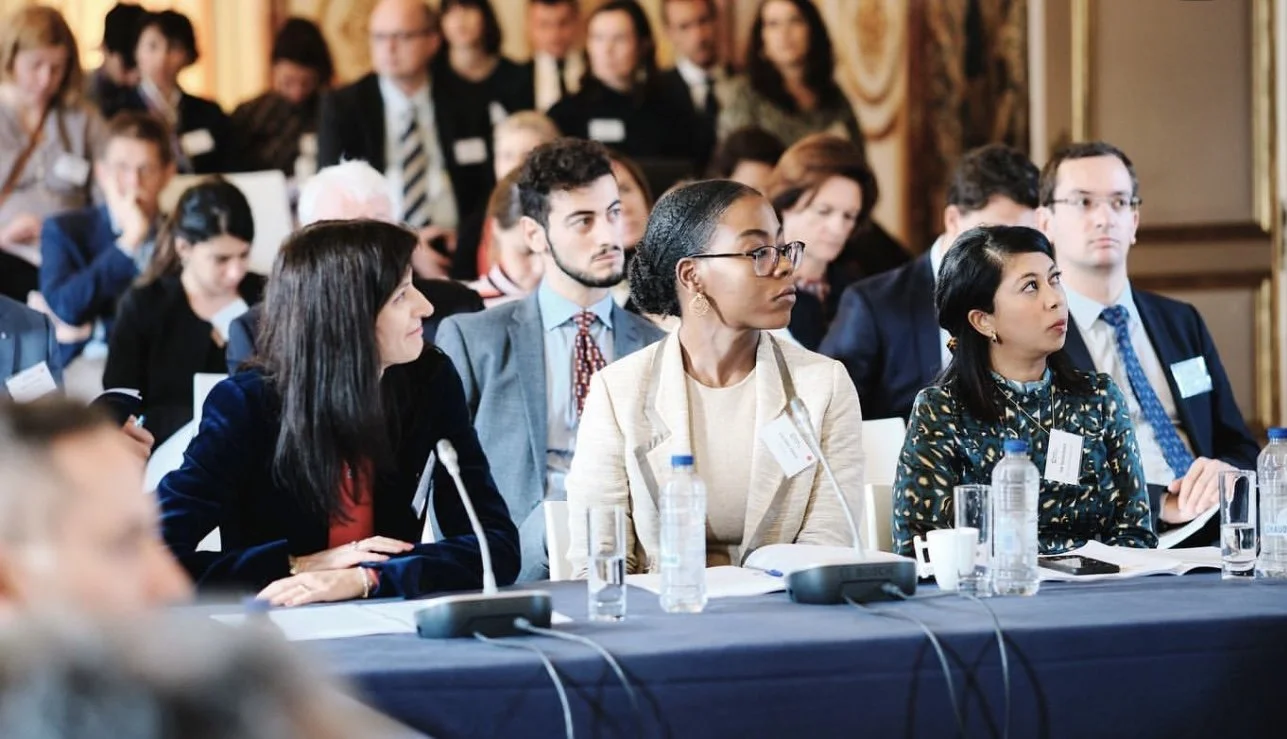
Image of Dr. Elsa Zekeng
Third: relationships are the real infrastructure. Global health runs on trust built over years, in difficult circumstances, between people who then move into different institutions and carry that trust with them. I still draw on relationships built in Guinea, in Ghana, in Liverpool. At this stage of building SökerData, almost every meaningful partnership and investor introduction has come through a person who knew me before I had a company.
You are also a speaker on international platforms, talking on evolving topics such as global health trends and research and development. What guides your point of focus regarding topics that you choose to speak on? Which topic at this moment is of most interest to you and why?
My filter is simple: is this a place where the scientific case and the commercial case are being separated when they shouldn't be? I speak at the intersection of those two things. I'm interesting -- and most useful -- in a room of pharma executives, data scientists, or regulators who haven't yet connected the dots between representation gaps in their data and commercial risk to their pipeline.
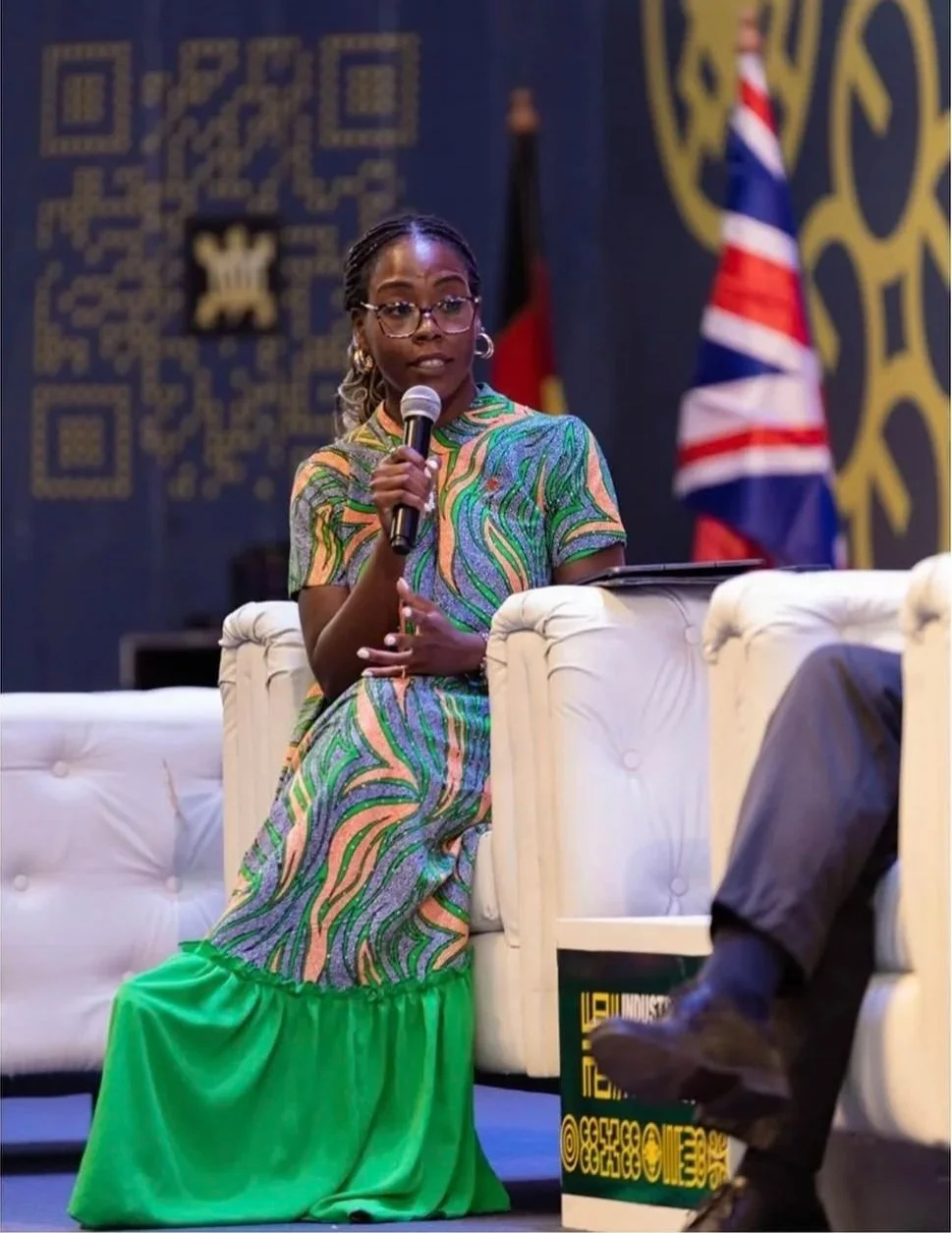
Image of Dr. Elsa Zekeng
Right now the topic that consumes me most is AI governance in health -- specifically, the question of who bears accountability when a biased AI system produces a biased clinical output. The FDA's June 2024 mandate on demographic reporting is a step. But the enforcement architecture is still nascent, and in the gap between the mandate and enforcement, companies are making decisions that will shape patient outcomes for a generation. I want to be in that conversation, not as a critic from the outside but as someone who has built a commercial solution to the problem and can speak to what responsible implementation actually looks like.
You have successfully created a number of startups/ventures over the years, from the Northwest Initiative to SökerData. Generally speaking, what are the biggest challenges you’ve experienced when getting your raw ideas off the ground and turning them into a reality? Do you have any advice to anyone looking to start their own venture?
The biggest challenge is not the one people expect. It's not funding, although funding is hard. It's not building the product, although that's hard too. The hardest thing is maintaining belief in the face of a market that is not yet ready to receive what you're building.
SökerData's thesis is correct. The evidence for it is overwhelming. The regulatory direction of travel confirms it. But early-stage companies don't survive on being right -- they survive on timing. And the work of a founder is partly to bridge the gap between being right now and the market agreeing with you now. That requires a very specific kind of psychological endurance.
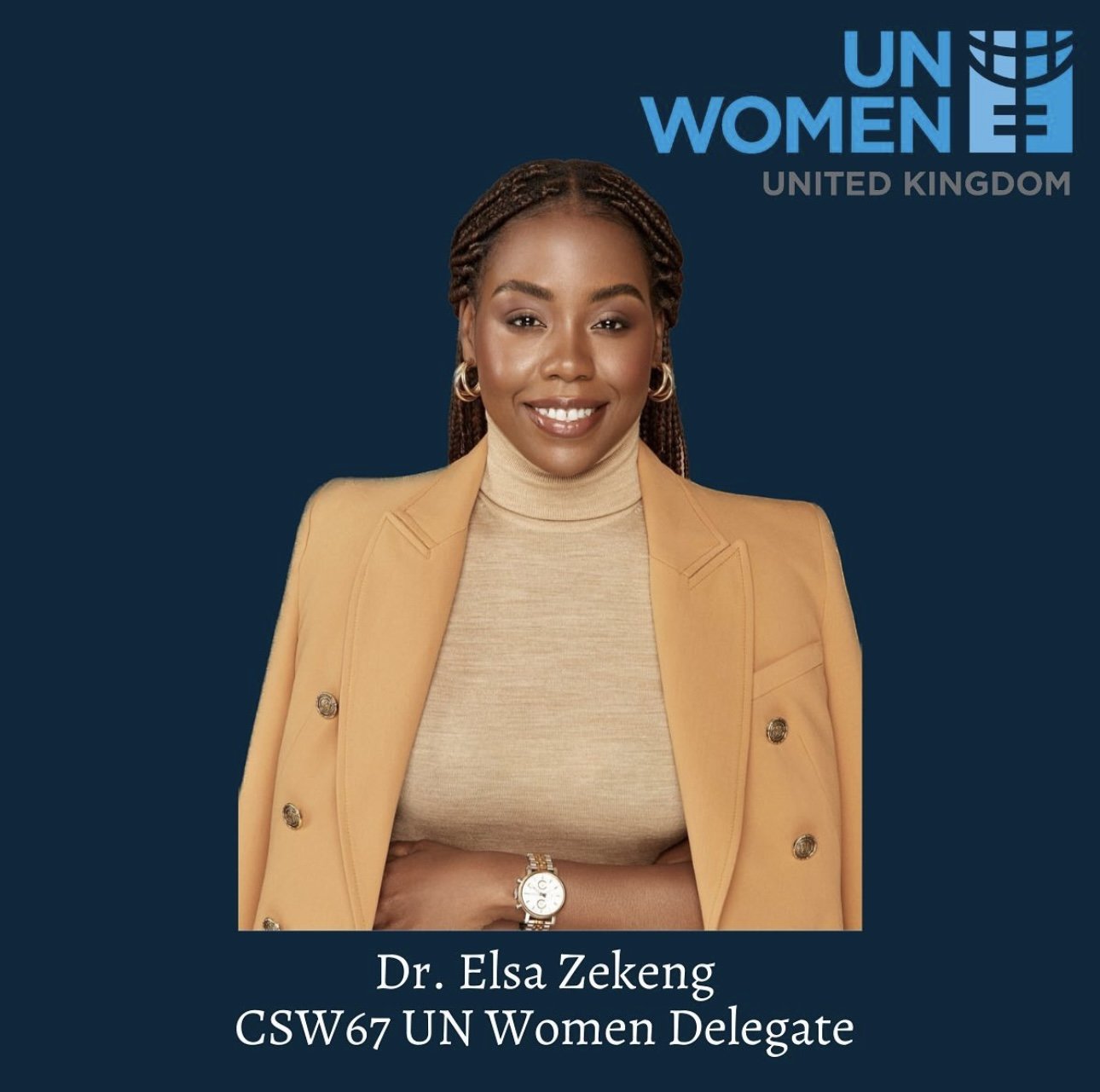
Image of Dr. Elsa Zekeng
Practical advice: do not confuse validation with progress. Being told your idea is interesting is not the same as someone paying for it. Run toward the hard conversations, the ones where someone tells you this isn't the priority for their budget yet. That conversation tells you more about your real sales challenge than ten supportive meetings.
Also: build your network before you need it. Every meaningful thing that has happened for SökerData -- Techstars, Bayer, Fuel Ventures, Genomics -- has come through a human being who trusted me before there was a company to point to. Invest in those relationships constantly and without expectation of immediate return.
Africa is regarded as the world’s youngest continent, due to its young and increasing population. This presents unique opportunities for innovation and growth, creating speculation that Africa is going to become next frontier for entrepreneurship – what are your thoughts on this?
It's not speculation, it's arithmetic. Africa has the world's youngest population -- median age under twenty. It has the fastest rates of mobile internet adoption. It has a growing middle class and a generation of entrepreneurs who have watched what didn't work from the extractive models of the past and are building differently. The infrastructure is being built right now, by Africans, for African contexts, with a sophistication that those who haven't been paying attention will find surprising.
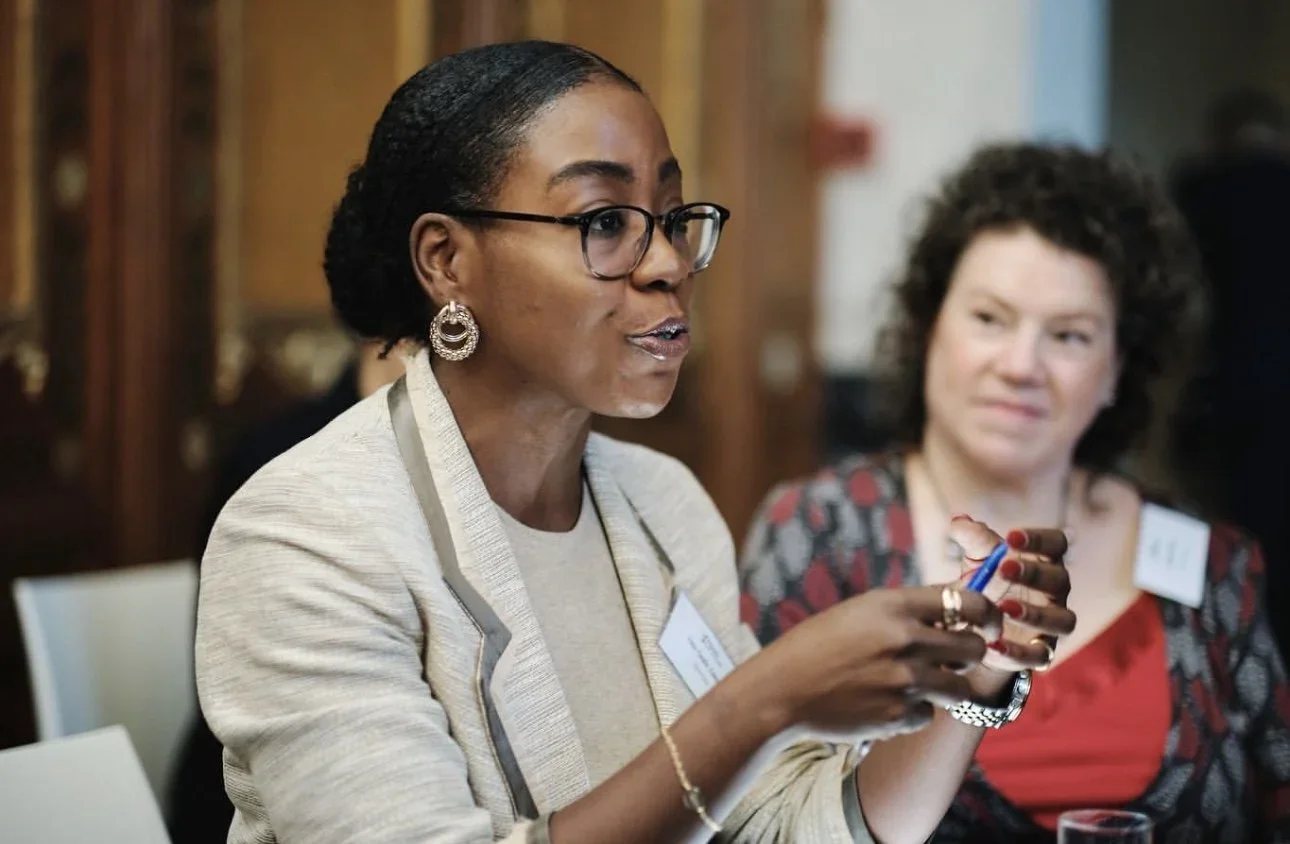
Image of Dr. Elsa Zekeng
But I want to complicate the narrative slightly, because "Africa as the next frontier" can slide too easily into the same extractive logic wearing different clothes. African entrepreneurs should not have to wait for Western capital to validate what they're building. And Western investors moving into African markets need to understand that they are not arriving with the answer -- they are arriving in a place that already has extraordinary innovation, context, and capability, and the smartest thing they can do is listen first.
What I'm building with SökerData's African data architecture is a deliberate refusal of the old model. We're building infrastructure in partnership with local health institutions, with the explicit goal that those communities -- the people who generated the data -- participate in the value created from it. That is what ethical African entrepreneurship looks like in practice. And it is commercially viable. Those two things are not in tension. That's the point.